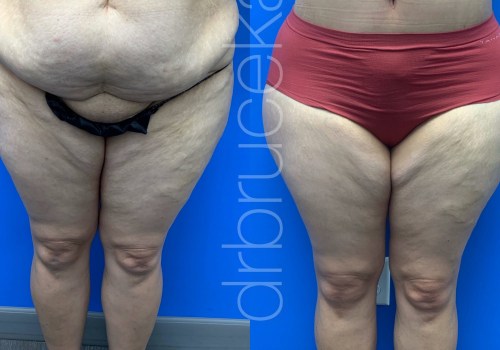
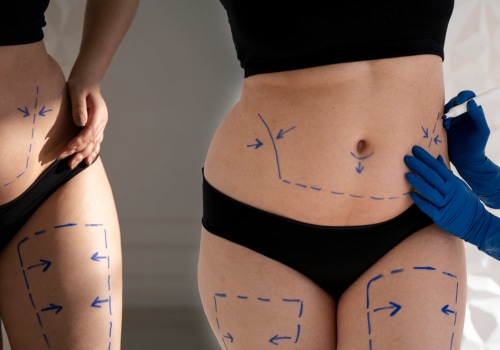
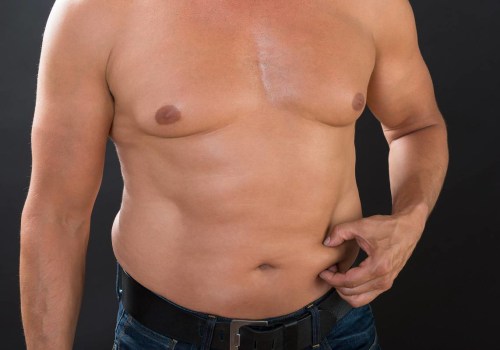
Liposuction, often referred to as lipo, has gained immense popularity as a cosmetic procedure aimed at sculpting the body by removing stubborn fat deposits. This surgical technique is particularly sought after by individuals who struggle with areas of fat that resist diet and exercise, making it an appealing option for those looking to enhance their body contours. As one of the most frequently performed aesthetic surgeries in the UK, liposuction offers patients the opportunity to achieve a more defined silhouette, boosting their confidence and self-image.Despite its popularity, many prospective patients are often left wondering about the timeline for seeing results after undergoing liposuction. The journey to achieving the desired body shape is not instantaneous; it requires patience and understanding of the body's healing process.
While some individuals may notice changes relatively quickly, others may find that their final results take several months to fully materialise. This variability can be attributed to a range of factors, including the extent of fat removal, individual healing rates, and adherence to post-operative care.Understanding why lipo results can take time is crucial for anyone considering this procedure. Factors such as swelling, skin retraction, and overall recovery play significant roles in determining when patients will see their ultimate outcomes. As we delve deeper into this topic, we will explore the various elements that influence the liposuction timeline , providing insights into what patients can expect during their recovery journey.
By equipping yourself with this knowledge, you can approach your liposuction experience with realistic expectations and a commitment to maintaining your results long-term.
What is Liposuction?
Liposuction, often referred to as lipo, is a popular cosmetic surgical procedure designed to remove excess fat from specific areas of the body. This procedure is particularly sought after by individuals who struggle with stubborn fat deposits that are resistant to diet and exercise. The primary aim of liposuction is not merely weight loss but rather body contouring , enhancing the overall shape and proportions of the body.The liposuction procedure typically involves the use of a thin, hollow tube called a cannula , which is inserted through small incisions in the skin. The cannula is used to suction out unwanted fat from targeted areas, such as the abdomen, thighs, buttocks, arms, neck, and even the face.The technique can vary based on the specific needs of the patient and the surgeon's expertise.
Common Techniques Used in Liposuction
- Tumescent Liposuction:Tumescent Liposuction: This is the most common technique, where a solution containing saline, lidocaine, and epinephrine is injected into the treatment area. This solution helps to numb the area and reduce bleeding.
- Ultrasound-Assisted Liposuction (UAL): This method uses ultrasound energy to liquefy fat cells before they are removed, making it easier to suction them out.
- Laser-Assisted Liposuction (LAL): Similar to UAL, this technique employs laser energy to melt fat cells, which can also promote skin tightening.
- Suction-Assisted Liposuction (SAL): This traditional method relies solely on suction to remove fat without any additional techniques.
Patients are encouraged to maintain a balanced diet and regular exercise routine post-procedure to ensure long-lasting results.
The Healing Process After Liposuction
Undergoing liposuction is a significant step towards achieving your desired body shape, but it is essential to understand that the healing process is just as crucial as the procedure itself. Immediately after surgery, patients can expect to experience a range of symptoms, including swelling, bruising, and discomfort. These are normal reactions as the body begins its recovery journey.In the first few days post-surgery, swelling is particularly pronounced. This occurs because the body responds to the trauma of surgery by sending fluids to the affected areas.While this can be disheartening, it is important to remember that this swelling will gradually subside. Typically, patients notice a reduction in swelling within the first two weeks, but complete resolution can take several months.Bruising is another common occurrence following liposuction. The extent of bruising varies from person to person and depends on factors such as the areas treated and individual healing responses. Bruises may appear dark initially and will change colour as they heal, eventually fading away.
Initial Recovery Steps
During the initial recovery phase, adhering to post-operative care instructions is vital for optimal healing.Here are some key steps to follow:
- Rest: Allow your body ample time to recover. Avoid strenuous activities for at least a few weeks.
- Compression Garments: Wearing compression garments as directed helps reduce swelling and supports skin retraction.
- Hydration: Drink plenty of water to aid in flushing out toxins and reducing swelling.
- Follow-Up Appointments: Attend all scheduled follow-up visits with your surgeon to monitor your progress and address any concerns.
Remember that patience is key; your body is undergoing a transformation that requires time and care.
Factors Influencing Liposuction Results Timeline
Understanding the timeline for seeing results from liposuction is crucial for anyone considering this procedure. Several factors can significantly influence how long it takes for the final results to become apparent. Here, we explore these factors in detail.1.Individual Health and Healing Capacity
Your overall health plays a vital role in the recovery process. Individuals with pre-existing health conditions, such as diabetes or cardiovascular issues, may experience a longer healing time.
Additionally, age can affect skin elasticity and healing speed; younger patients often see quicker recovery and better skin retraction compared to older individuals.
2.Area Treated
The specific area of the body undergoing liposuction can also impact the results timeline. Areas with thicker skin or more fat may take longer to heal and show results than those with thinner skin or less fat. For instance:
- Abdominal Liposuction: This area may take longer due to the amount of fat typically removed and the skin's need to retract.
- Thigh Liposuction: The thighs can be particularly challenging, as they often have more stubborn fat deposits and require more time for swelling to subside.
- Arm Liposuction: Results may appear sooner here, but skin retraction can vary based on individual elasticity.
3.Amount of Fat Removed
The volume of fat removed during the procedure is another critical factor. Larger volumes can lead to increased swelling and a longer recovery period.
Patients who have undergone extensive fat removal may find that their bodies take additional time to adjust to the new contours, resulting in a delayed visibility of final results.
4.Post-Operative Care
Following post-operative instructions is essential for a smooth recovery. Adhering to guidelines regarding activity levels, wearing compression garments, and managing swelling can significantly affect how quickly you see results. Neglecting these instructions may prolong swelling and delay the final outcome.
5.Swelling Duration
Swelling is a natural part of the healing process after liposuction. It can take several weeks for swelling to subside, with most patients noticing significant changes around the 4-6 week mark.
However, complete resolution of swelling can take up to six months or longer, depending on individual circumstances.In summary, while many factors influence how long it takes to see the final results of liposuction, understanding these elements can help set realistic expectations and encourage patience during the recovery process.
Understanding Swelling and Inflammation Post-Liposuction
After undergoing liposuction, many patients experience swelling and inflammation in the treated areas, which can significantly affect the visibility of their results. Understanding the biological processes behind these reactions is crucial for managing expectations during recovery.Swelling, or edema, is a natural response of the body to surgical trauma. When fat is removed during liposuction, the surrounding tissues are disturbed, leading to an inflammatory response. This process involves increased blood flow and the accumulation of fluid in the affected areas, which can cause noticeable puffiness and discomfort.The timeline for swelling varies from person to person, influenced by factors such as individual healing rates, the extent of fat removal, and adherence to post-operative care instructions.Generally, patients can expect the following:
- First Week: The initial swelling peaks within the first few days post-surgery. During this time, bruising may also occur as blood vessels are damaged.
- Weeks Two to Four: Gradually, swelling begins to subside. By the end of this period, most patients notice a significant reduction in puffiness.
- One to Three Months: While some swelling may persist, particularly in larger treatment areas, many patients start to see more defined contours as inflammation decreases.
- Three to Six Months: The majority of swelling should have resolved by this stage. However, subtle changes may continue as the skin adapts to its new shape.
- Six Months and Beyond: Final results typically become apparent around six months post-surgery.
At this point, any residual swelling should have dissipated, revealing the full benefits of the procedure.
The Role of Skin Elasticity in Liposuction Results
One of the critical factors influencing the final results of liposuction is the elasticity of the skin. Skin elasticity refers to the skin's ability to stretch and then return to its original shape.After undergoing liposuction, the skin must retract to fit the new contours of the body, a process that can vary significantly among individuals.When fat is removed during liposuction, the underlying structure of the body changes, and the skin needs time to adjust. This adjustment period can be influenced by several factors:
- Age: As we age, our skin naturally loses some of its elasticity due to decreased collagen production. Older patients may find that their skin does not retract as effectively as that of younger individuals.
- Genetics: Genetic predisposition plays a significant role in determining skin elasticity. Some people are genetically blessed with more resilient skin, while others may struggle with sagging or loose skin after fat removal.
- Sun Exposure: Prolonged exposure to UV rays can damage collagen and elastin fibers in the skin, leading to reduced elasticity.
Patients who have spent considerable time in the sun may experience longer recovery times.
- Smoking: Smoking can impair blood circulation and reduce oxygen supply to the skin, hindering its ability to heal and retract post-surgery.
- Weight Fluctuations: Individuals who have experienced significant weight loss or gain may have skin that is less elastic, making it more challenging for the skin to adapt after liposuction.
This often includes wearing compression garments, which help reduce swelling and promote better skin retraction. Additionally, maintaining a healthy lifestyle with proper hydration and nutrition can further enhance skin elasticity and overall recovery.In summary, while liposuction effectively removes unwanted fat, the final aesthetic results are significantly influenced by individual skin elasticity and various external factors. Understanding these elements can help set realistic expectations for recovery times and outcomes following this popular cosmetic procedure.
Post-Operative Care: Maximising Your Results
After undergoing liposuction, the journey to achieving your desired body shape continues with proper post-operative care. This phase is crucial for maximising your results and ensuring a smooth recovery.Here are some essential tips to help you navigate this period effectively.
1.Follow Your Surgeon’s Instructions
Your surgeon will provide specific guidelines tailored to your individual needs. Adhering to these instructions is vital for a successful recovery. This may include advice on medication, activity levels, and dietary recommendations.
2.Importance of Compression Garments
Wearing compression garments is one of the most critical aspects of post-operative care. These garments help reduce swelling, support the healing tissues, and improve skin retraction.
It is essential to wear them as directed, typically for several weeks following the procedure.
3.Manage Swelling and Bruising
Swelling and bruising are common after liposuction. To manage these symptoms:
- Keep the treated areas elevated when possible.
- Apply cold compresses to reduce swelling.
- Avoid strenuous activities that could exacerbate swelling.
4.Stay Hydrated and Nourished
A well-balanced diet and adequate hydration play a significant role in recovery. Focus on:
- Consuming plenty of fruits and vegetables rich in vitamins and minerals.
- Staying hydrated by drinking water throughout the day.
- Avoiding processed foods high in salt, which can contribute to swelling.
5.Gradual Return to Activity
While it’s important to rest initially, gentle movement can aid recovery. Start with short walks as soon as you feel able, gradually increasing your activity level as advised by your surgeon.
Avoid high-impact exercises until you receive clearance.
6.Monitor Your Progress
Keep track of your recovery by noting any changes in swelling or discomfort. If you notice anything unusual or have concerns, don’t hesitate to contact your healthcare provider for guidance.By prioritising these aspects of post-operative care, you can significantly enhance your recovery experience and ensure that the results of your liposuction procedure are long-lasting and satisfying.
Common Misconceptions About Liposuction Results
Liposuction is often surrounded by a cloud of misconceptions that can lead to unrealistic expectations about the results. Understanding these myths is crucial for anyone considering the procedure, as it helps set realistic goals and promotes a healthier mindset during recovery.Myth 1: Liposuction is a Weight Loss Solution
One of the most prevalent misconceptions is that liposuction is a method for significant weight loss. In reality, liposuction is designed to sculpt and contour the body by removing stubborn fat deposits that are resistant to diet and exercise.
It is not intended for those looking to lose large amounts of weight. The ideal candidates are typically at or near their target weight but wish to enhance specific areas.
Myth 2: Results Are Immediate
Many patients expect to see immediate results post-surgery, but this is far from the truth. After liposuction, swelling and bruising are common, which can obscure the final results for several weeks or even months. The body requires time to heal and adjust, with most individuals noticing significant changes around three months post-procedure, while final results may take up to a year to fully manifest.
Myth 3: Liposuction Eliminates Cellulite
Another common myth is that liposuction can effectively treat cellulite.
While it can remove fat from beneath the skin, it does not address the structural issues that cause cellulite's appearance. Patients seeking smoother skin texture may need to consider additional treatments alongside liposuction.
Myth 4: Liposuction Results Are Permanent
While liposuction permanently removes fat cells from targeted areas, it does not prevent new fat from accumulating in other parts of the body if a healthy lifestyle is not maintained. Patients must commit to a balanced diet and regular exercise to preserve their results over time.
What to Expect from Liposuction
- Consultation: A thorough consultation with a qualified surgeon will help determine if you are a suitable candidate for liposuction.
- Recovery: Expect some downtime post-surgery, with swelling and discomfort gradually subsiding over weeks.
- Long-Term Care: Adhering to post-operative care instructions and maintaining a healthy lifestyle are essential for achieving and sustaining desired results.
Frequently Asked Questions About Liposuction Results Timeline
Understanding the timeline for liposuction results can be challenging for many patients. Here are some frequently asked questions that can help clarify what to expect after undergoing this procedure.How long does it take to see initial results after liposuction?
Most patients begin to notice initial changes in their body shape within a few weeks post-surgery.However, these early results can be misleading due to swelling and bruising, which are common after the procedure. Typically, significant improvements become visible around the 4 to 6-week mark as swelling subsides.
When will I see my final results?
The final results of liposuction usually become apparent between 6 to 12 months after the surgery. This extended timeline allows your body to fully heal and for the skin to retract and adjust to its new contours. Patience is essential during this period, as the body continues to refine its appearance.What factors influence the timeline of liposuction results?
- Area Treated: Different body areas may heal at varying rates.
For instance, abdominal liposuction may show results sooner than thigh liposuction.
- Amount of Fat Removed: The more fat that is removed, the longer it may take for your body to adjust.
- Individual Healing Process: Each person's body heals differently based on factors like age, health status, and adherence to post-operative care.
Can I speed up the recovery process?
While you cannot rush your body's natural healing process, following your surgeon's post-operative instructions diligently can help facilitate a smoother recovery. This includes wearing compression garments as directed, staying hydrated, and gradually resuming physical activity.What should I do if I’m not satisfied with my results?
If you feel that your results are not meeting your expectations after several months, it’s crucial to consult with your surgeon. They can assess your situation and discuss potential options, including lifestyle changes or additional procedures if necessary.In summary, while the journey to achieving your desired look through liposuction may require patience, understanding the timeline and following proper care can significantly enhance your experience and satisfaction with the results.Conclusion: The Importance of Patience in Achieving Desired Results
In conclusion, the journey to achieving the desired results from liposuction is one that requires not only physical recovery but also a significant amount of patience. Understanding the timeline of recovery and the factors that influence the final outcome is crucial for anyone considering this procedure.As discussed, the initial stages post-surgery can be challenging, with swelling and bruising being common.It is essential to remember that these symptoms are part of the body’s natural healing process. The skin needs time to retract and adapt to its new contours, which can take several months. Therefore, it is vital to manage expectations and allow your body the necessary time to heal.Moreover, adhering to post-operative care instructions provided by your surgeon plays a pivotal role in optimising results. This includes wearing compression garments as directed, maintaining a balanced diet, and gradually reintroducing physical activity.
Neglecting these guidelines can not only prolong recovery but may also compromise the aesthetic outcomes you desire.It is also important to recognise that while liposuction effectively removes fat cells permanently, it does not prevent future weight gain. Maintaining a healthy lifestyle post-procedure is essential for preserving your new shape. Engaging in regular exercise and making informed dietary choices will help ensure that the results of your liposuction are long-lasting.Ultimately, patience is key. The most satisfying results often emerge after several months as swelling subsides and your body adjusts to its new form.
By understanding this timeline and committing to a healthy lifestyle, you can enjoy the benefits of liposuction for years to come.