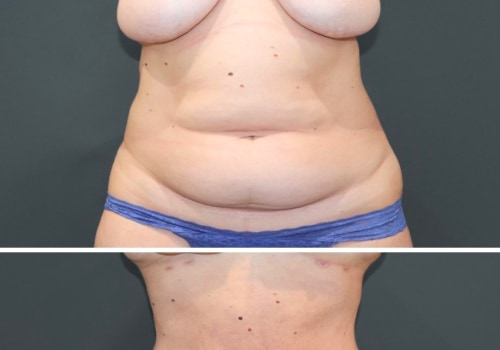
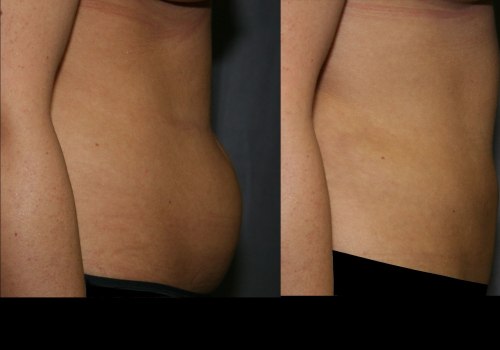
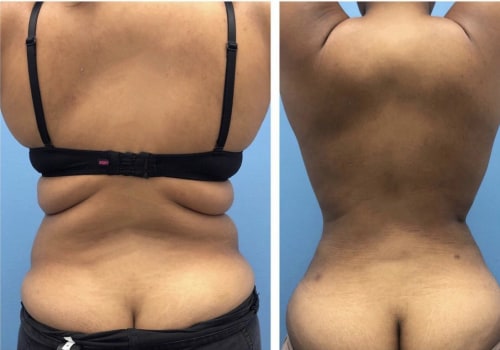
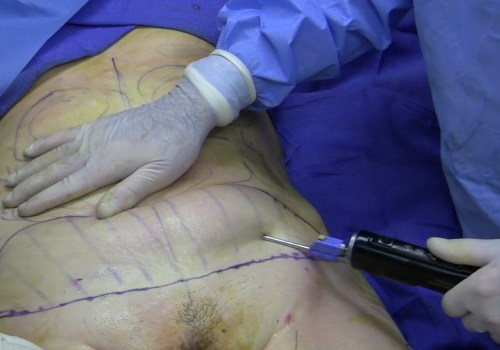
Liposuction is a popular cosmetic procedure designed to remove stubborn fat deposits from various areas of the body. It is often sought after by individuals who have tried diet and exercise but still struggle with specific pockets of fat that refuse to budge. This surgical technique can help sculpt and contour the body, providing a more toned appearance. However, it is essential to understand that liposuction is not a weight-loss solution; rather, it is intended for those who are close to their ideal body weight but wish to target particular areas for fat removal.The liposuction procedure involves the use of a thin tube called a cannula, which is inserted through small incisions in the skin.
The surgeon then uses this cannula to suction out excess fat from the targeted areas. The procedure can be performed under local or general anaesthesia, depending on the extent of fat removal and the patient's comfort level. Common areas for liposuction include the abdomen, thighs, buttocks, arms, and neck. Each patient's experience may vary based on their unique anatomy and the amount of fat being removed.Understanding how liposuction works is crucial for anyone considering this procedure.
During the surgery, the surgeon will first mark the areas to be treated and administer anaesthesia. Once the patient is adequately prepared, the surgeon will make small incisions and insert the cannula to break up and remove fat cells. The entire process typically lasts between one to several hours, depending on how many areas are being treated. Post-operative care is vital for recovery, as patients may experience swelling and bruising in the treated areas.Ultimately, liposuction can be an effective way to enhance body contours and boost self-confidence when performed on suitable candidates.
However, it is essential to have realistic expectations and consult with a qualified plastic surgeon to determine if this procedure aligns with your personal goals and health status.However, it is essential to have realistic expectations and consult with a qualified plastic surgeon to determine if this procedure aligns with your personal goals and health status.
Who is an Ideal Candidate for Liposuction?
Determining whether liposuction is the right choice for you involves understanding the characteristics of an ideal candidate. While liposuction can be a transformative procedure, it is not suitable for everyone. Here are some key factors that define an ideal liposuction patient:- Body Weight: The best candidates for liposuction are typically those who are within 30% of their ideal body weight. This means that if you are considering the procedure, it is advisable to be close to your target weight.
Liposuction is not a weight-loss solution; rather, it is designed to remove stubborn fat deposits that remain despite a healthy diet and regular exercise.
- Stable Weight: Candidates should have maintained a stable weight for at least six months prior to the procedure. Significant fluctuations in weight can affect the results of liposuction and may lead to complications.
- Skin Elasticity: Good skin elasticity is crucial for achieving optimal results. Patients with firm, elastic skin tend to experience better outcomes, as their skin can conform more effectively to the new body contours after fat removal. Conversely, individuals with loose or sagging skin may not achieve the desired aesthetic results.
- Overall Health: A thorough health assessment is essential before undergoing liposuction.
Ideal candidates should be in good overall health, without any serious medical conditions that could complicate surgery or recovery. Conditions such as heart disease, diabetes, or respiratory issues may disqualify someone from being a suitable candidate.
- Realistic Expectations: It is vital for candidates to have realistic expectations regarding the outcomes of liposuction. Understanding that this procedure is not a substitute for a healthy lifestyle or a comprehensive weight loss plan is crucial. Patients should aim for specific body contouring rather than expecting dramatic weight loss.
- Mental Preparedness: Emotional readiness and mental health play significant roles in candidacy.
Candidates should be psychologically prepared for the changes that come with surgery and have a positive outlook on their body image post-procedure.
Factors to Consider Before Choosing Liposuction
When contemplating liposuction, it is essential to evaluate several critical factors that can significantly influence your decision and the potential outcomes of the procedure. Understanding these considerations can help you make an informed choice that aligns with your health, lifestyle, and aesthetic goals.Health Conditions
Your overall health plays a pivotal role in determining whether you are a suitable candidate for liposuction. Individuals with certain medical conditions, such as:- Heart disease
- Diabetes
- Respiratory issues
- Blood clotting disorders
- Obesity
It is crucial to disclose your complete medical history to your surgeon during the initial consultation. They will assess your health status and may require medical clearance from your primary care physician before proceeding.
Lifestyle Choices
Your lifestyle choices can also impact the effectiveness of liposuction. Factors such as:- Smoking : Smoking can hinder healing and increase the risk of complications.
- Alcohol consumption : Excessive drinking can affect your body’s ability to recover post-surgery.
- Diet and exercise habits : Maintaining a balanced diet and regular exercise routine is vital for achieving optimal results.
Realistic Expectations
Having realistic expectations about what liposuction can achieve is paramount.While the procedure can effectively remove stubborn fat deposits, it is not a weight-loss solution or a substitute for a healthy lifestyle. Understanding that liposuction is designed to sculpt and contour specific areas rather than provide significant weight loss will help you set achievable goals.Moreover, discussing your desired outcomes with your surgeon can provide clarity on what is feasible based on your body type and skin elasticity. This dialogue ensures that both you and your surgeon are aligned in terms of expectations, which is crucial for satisfaction with the results.In summary, before opting for liposuction, consider your health status, lifestyle choices, and have realistic expectations about the results. Engaging in an open conversation with a qualified plastic surgeon will help you navigate these factors effectively, ensuring that you make a well-informed decision regarding your body and health.
The Liposuction Procedure: What to Expect
Understanding the liposuction procedure is crucial for anyone considering this body contouring option.The process can be broken down into three main phases: pre-operative preparations, the surgical procedure itself, and post-operative care.
Pre-Operative Preparations
Before undergoing liposuction, patients will have a thorough consultation with their plastic surgeon. This initial meeting is essential for discussing your goals, medical history, and any concerns you may have. During this consultation, the surgeon will:- Evaluate your overall health and suitability for the procedure.
- Discuss the specific areas you wish to target for fat removal.
- Explain the different techniques available, such as tumescent liposuction or ultrasound-assisted liposuction.
- Provide pre-operative instructions, which may include avoiding certain medications and smoking cessation.
The Surgical Procedure
The day of the surgery typically begins with the patient arriving at the surgical facility. After checking in, you will be prepared for the procedure.The steps involved in the actual liposuction surgery include:
- Administration of Anaesthesia: Depending on the extent of the procedure, either local or general anaesthesia will be administered to ensure your comfort.
- Incision Creation: Small incisions are made in discreet locations near the targeted areas. These incisions are usually less than a centimetre long.
- Fat Removal: A thin tube called a cannula is inserted through the incisions. The surgeon will then move the cannula back and forth to loosen fat cells, which are subsequently suctioned out using a vacuum device.
- Closure: Once the desired amount of fat has been removed, the incisions are closed with sutures or adhesive strips.
Post-Operative Care
After surgery, patients will be monitored in a recovery area until they are stable enough to go home. It’s common to experience some swelling, bruising, and discomfort in the treated areas.To aid recovery, follow these guidelines:
- Rest: Take time off work and avoid strenuous activities for at least a few weeks.
- Compression Garments: Wearing compression garments as directed helps reduce swelling and supports your new body contours.
- Pain Management: Over-the-counter pain relievers or prescribed medications can help manage discomfort during recovery.
- Follow-Up Appointments: Attend all scheduled follow-up visits with your surgeon to monitor healing and address any concerns.
Liposuction vs. Other Body Contouring Options
When considering body contouring options, it is essential to understand the differences between liposuction and other procedures such as tummy tucks and non-surgical alternatives. Each method has its unique benefits and limitations, making it crucial to choose the right one based on individual needs and goals.Liposuction
is primarily designed to remove stubborn fat deposits from specific areas of the body, such as the abdomen, thighs, arms, and neck.
It is particularly effective for individuals who are close to their ideal body weight but struggle with localized fat that does not respond to diet and exercise. However, it is important to note that liposuction does not address excess skin or improve skin elasticity.In contrast, a tummy tuck , or abdominoplasty, is a more comprehensive procedure that not only removes excess fat but also tightens the abdominal muscles and removes loose skin. This makes it an ideal choice for individuals who have experienced significant weight loss or women post-pregnancy, where skin laxity is often a concern. While both procedures can enhance body contours, they serve different purposes and target different issues.For those seeking non-surgical options, there are several alternatives available that can help with body contouring without the need for invasive surgery.
These include:
- Cryolipolysis (CoolSculpting): This technique freezes fat cells, causing them to die off gradually. It is suitable for small areas of fat but may require multiple sessions for optimal results.
- Ultrasound therapy : This method uses sound waves to break down fat cells and tighten the skin. It is less invasive but may not provide the same dramatic results as surgical options.
- Radiofrequency treatments : These treatments heat the skin's deeper layers to stimulate collagen production and reduce fat. They are effective for skin tightening but may not significantly reduce fat volume.
They can assess your specific situation, discuss your aesthetic goals, and recommend the most suitable option tailored to your needs. Understanding these differences will empower you to make an informed decision about your body contouring journey.
Potential Risks and Complications of Liposuction
Liposuction, while a popular cosmetic procedure for body contouring, is not without its potential risks and complications. Understanding these risks is crucial for anyone considering the procedure, as it allows for informed decision-making and realistic expectations.Common Risks Associated with Liposuction
- Infection: As with any surgical procedure, there is a risk of infection at the incision sites. Proper aftercare and adherence to post-operative instructions can help mitigate this risk.
- Bleeding: Some bleeding is expected during and after the procedure; however, excessive bleeding can lead to complications that may require further medical intervention.
- Fluid Accumulation: Seromas, or pockets of fluid, can develop under the skin after liposuction.
These may require drainage if they become problematic.
- Nerve Damage: Although rare, there is a possibility of nerve damage during the procedure, which can result in temporary or permanent changes in sensation.
- Scarring: While liposuction incisions are typically small, scarring can still occur. The extent of scarring varies based on individual healing processes and the surgeon's technique.
Potential Complications
- Uneven Results: In some cases, liposuction may lead to uneven contours or irregularities in the skin surface. This can be particularly concerning for patients seeking a smooth appearance.
- Skin Changes: Patients may experience changes in skin texture or pigmentation following liposuction. These changes can be temporary or permanent, depending on individual healing.
- Anesthesia Risks: General or local anesthesia carries its own set of risks, including allergic reactions and complications related to pre-existing health conditions.
- Fat Embolism: A rare but serious complication where fat enters the bloodstream and travels to the lungs or brain, potentially causing life-threatening issues.
Long-term Considerations
While many patients achieve satisfactory results from liposuction, it is essential to maintain a healthy lifestyle post-procedure to avoid weight gain in untreated areas.
Gaining weight after liposuction can lead to an uneven distribution of fat, negating the benefits of the surgery.In conclusion, while liposuction can be an effective method for removing stubborn fat deposits and enhancing body contours, it is vital to weigh these potential risks and complications against the expected benefits. Consulting with a qualified plastic surgeon who can provide personalised advice based on your health history and aesthetic goals is essential for making an informed choice about whether liposuction is right for you.
Post-Operative Care and Recovery Tips
After undergoing liposuction, proper post-operative care is crucial for ensuring a smooth recovery and achieving the best possible results. Understanding what to expect during the healing process can help alleviate concerns and promote a positive experience.Immediate Post-Operative Care
Following your procedure, you will likely experience some swelling, bruising, and discomfort in the treated areas. Here are some essential tips for immediate post-operative care:- Rest: Allow your body to recover by getting plenty of rest.
Avoid strenuous activities for at least two weeks.
- Compression Garments: Wear the compression garments as instructed by your surgeon. These help reduce swelling and support your new contours.
- Pain Management: Take prescribed pain medications as directed. Over-the-counter pain relievers may also be recommended to manage discomfort.
- Hydration: Stay well-hydrated to aid in the healing process. Drinking plenty of water can help reduce swelling.
Monitoring Your Recovery
During the first few weeks after liposuction, it’s important to monitor your recovery closely:- Follow-Up Appointments: Attend all scheduled follow-up appointments with your surgeon to ensure proper healing and address any concerns.
- Watch for Complications: Be vigilant for signs of infection, such as increased redness, swelling, or discharge from the incision sites.
Contact your surgeon immediately if you notice any unusual symptoms.
- Limit Physical Activity: Gradually reintroduce physical activity as advised by your surgeon. Start with light walking to promote circulation but avoid heavy lifting or intense workouts until cleared.
Nurturing Your Body
Your body needs time to heal after liposuction. Here are some additional tips to support your recovery:- Nutrition: Maintain a balanced diet rich in vitamins and minerals to support healing. Focus on lean proteins, fruits, vegetables, and whole grains.
- Avoid Smoking and Alcohol: Refrain from smoking and limit alcohol consumption during your recovery period, as these can hinder healing.
- Patience is Key: Understand that results may take time to fully manifest as swelling subsides.
Be patient and allow your body to adjust to its new shape.
Realistic Expectations: What Liposuction Can and Cannot Do
When considering liposuction, it is essential to have a clear understanding of what the procedure can realistically achieve. Many individuals harbour misconceptions about liposuction, often viewing it as a quick fix for weight loss or a solution for overall body transformation. However, setting realistic expectations is crucial for ensuring patient satisfaction and achieving the desired outcomes.What Liposuction Can Do
- Target Specific Areas: Liposuction is designed to remove stubborn fat deposits from specific areas of the body, such as the abdomen, thighs, hips, arms, and neck.
This targeted approach can help sculpt and contour your physique.
- Enhance Body Proportions: By eliminating excess fat in certain areas, liposuction can improve your overall body proportions, leading to a more balanced and aesthetically pleasing appearance.
- Boost Confidence: Many patients report increased self-esteem and confidence after undergoing liposuction, as they feel more comfortable in their bodies and clothing.
What Liposuction Cannot Do
- Weight Loss Solution: It is important to understand that liposuction is not a weight loss procedure. Ideal candidates are typically within 30% of their ideal body weight. The primary goal is to remove localized fat deposits rather than achieve significant weight reduction.
- Tighten Loose Skin: While liposuction removes fat, it does not address skin laxity. Patients with loose or sagging skin may not achieve the desired results, as the skin may not retract adequately after fat removal.
- Eliminate Cellulite: Liposuction does not treat cellulite or improve skin texture.
The fibrous bands that cause cellulite remain unaffected by the procedure.
Frequently Asked Questions About Liposuction
When considering liposuction, many potential patients have questions that can help clarify their understanding of the procedure. Below are some of the most frequently asked questions regarding liposuction, along with detailed answers to provide you with the information you need.What is liposuction?
Liposuction is a cosmetic surgical procedure designed to remove excess fat from specific areas of the body.It is not a weight-loss solution but rather a method to sculpt and contour the body by targeting stubborn fat deposits that do not respond to diet and exercise.
Who is an ideal candidate for liposuction?
The best candidates for liposuction are individuals who are close to their ideal body weight, typically within 30% of it, and have good skin elasticity. Candidates should also be in good overall health and have realistic expectations about the results.What areas can be treated with liposuction?
- Abdomen
- Thighs
- Hips
- Arms
- Back
- Neck and chin
Is liposuction safe?
Like any surgical procedure, liposuction carries risks. However, when performed by a qualified plastic surgeon, it is generally considered safe. Potential risks include infection, scarring, and complications related to anesthesia.It is crucial to discuss these risks during your consultation.
How long does recovery take?
Recovery time varies from person to person but generally takes about one to two weeks for most people to return to normal activities. However, strenuous exercise should be avoided for at least four to six weeks post-surgery.Are there any myths about liposuction?
Yes, several myths surround liposuction:- Liposuction is a weight-loss solution: This is false; it is intended for body contouring.
- Liposuction removes cellulite: Liposuction does not treat cellulite; it only removes fat.
- You can achieve significant weight loss with liposuction: Liposuction typically removes only a small amount of fat.
Conclusion: Is Liposuction Right for You?
In conclusion, the decision to undergo liposuction is a significant one that requires careful consideration of various factors. Throughout this article, we have explored the essential aspects of liposuction, including its suitability for different age groups, health conditions, and body types. It is crucial to remember that liposuction is not a universal solution for weight loss but rather a targeted approach to eliminate stubborn fat deposits that resist diet and exercise.Before making a decision, reflect on the following key points:- Health Status: Ensure you are in good health and free from serious medical conditions that could complicate surgery.
A thorough consultation with a qualified plastic surgeon is vital to assess your overall health and suitability for the procedure.
- Realistic Expectations: Understand that liposuction can enhance your body shape but will not drastically change your overall weight. Set achievable goals and be aware of what the procedure can realistically accomplish.
- Skin Elasticity: Consider your skin's elasticity, as this plays a crucial role in the outcome of the surgery. Patients with good skin elasticity tend to achieve better results, while those with loose skin may not see the desired effects.
- Post-Surgery Lifestyle: A commitment to maintaining a healthy lifestyle post-surgery is essential for long-lasting results. Liposuction should be viewed as a complement to a balanced diet and regular exercise rather than a substitute.
- Consultation with Professionals: Engage in open discussions with your plastic surgeon about your goals, concerns, and any alternative options available.
Their expertise will guide you in making an informed decision.