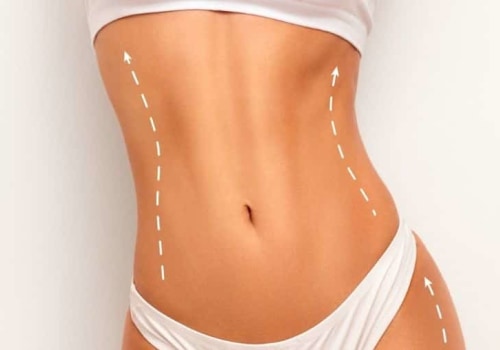
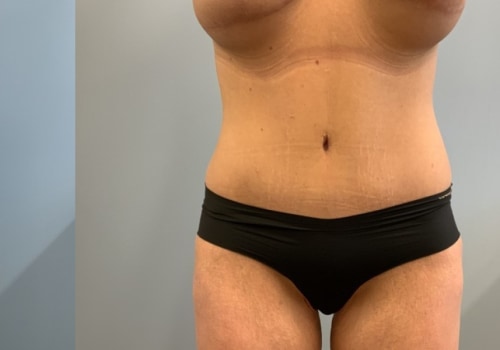
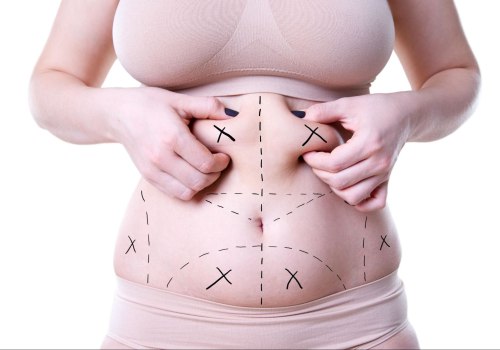
Liposuction is a popular cosmetic procedure designed to remove stubborn fat deposits from specific areas of the body, helping individuals achieve a more contoured and sculpted appearance. This surgical technique is particularly appealing to those who have tried various diets and exercise regimens without success in eliminating localized fat. By targeting areas such as the abdomen, thighs, hips, and arms, liposuction can enhance body proportions and boost self-confidence.The liposuction procedure involves the use of a thin, hollow tube called a cannula, which is inserted through small incisions in the skin. The surgeon then uses this cannula to suction out excess fat from the targeted areas.
Depending on the technique employed, such as traditional liposuction, ultrasound-assisted liposuction (UAL), or laser-assisted liposuction, the method of fat removal may vary slightly. However, the fundamental goal remains the same: to reduce fat cells in specific regions of the body.Understanding how liposuction works is crucial for anyone considering this procedure. During the operation, patients are typically placed under local or general anaesthesia to ensure comfort. The surgeon carefully manoeuvres the cannula to break up and remove fat cells while minimising damage to surrounding tissues.
This precision allows for smoother results and less downtime compared to older techniques. Post-procedure, patients may experience swelling and bruising, but these effects usually subside within a few weeks, revealing a more toned physique.
The Liposuction Procedure Explained
Liposuction is a popular cosmetic procedure designed to remove stubborn fat deposits from specific areas of the body. Understanding the various liposuction techniques available is essential for anyone considering this treatment, as each method has its unique advantages and considerations.Traditional Liposuction
Traditional liposuction, often referred to as suction-assisted liposuction (SAL), involves the use of a cannula—a thin, hollow tube—that is inserted through small incisions in the skin. The surgeon then moves the cannula back and forth to break up the fat cells, which are subsequently suctioned out using a vacuum device.This method is effective for larger areas of fat removal and has been a standard practice for many years.
Ultrasound-Assisted Liposuction (UAL)
Ultrasound-assisted liposuction employs sound waves to liquefy fat cells before they are removed. This technique can be particularly beneficial for fibrous areas of the body, such as the back or male breast tissue. The ultrasound energy helps to break down fat more efficiently, allowing for easier extraction and potentially less trauma to surrounding tissues. Patients may experience less swelling and bruising compared to traditional methods.Laser-Assisted Liposuction (LAL)
Laser-assisted liposuction uses laser energy to melt fat cells before they are suctioned out.This technique not only facilitates fat removal but also promotes skin tightening due to the heat generated by the laser. LAL is often preferred for smaller treatment areas, such as the chin or arms, where precision is crucial. Additionally, patients may benefit from a quicker recovery time with this method.
Comparing Techniques
When considering which liposuction technique is best suited for your needs, it’s important to consult with a qualified plastic surgeon who can assess your individual circumstances. Factors such as the amount of fat to be removed, the specific area being treated, and your overall health will influence the choice of technique.When considering which liposuction technique is best suited for your needs, it’s important to consult with a qualified plastic surgeon who can assess your individual circumstances. Factors such as the amount of fat to be removed, the specific area being treated, and your overall health will influence the choice of technique.- Traditional Liposuction: Best for larger areas; effective but may involve more downtime.
- Ultrasound-Assisted Liposuction: Ideal for fibrous areas; less trauma and quicker recovery.
- Laser-Assisted Liposuction: Excellent for smaller areas; promotes skin tightening and faster healing.
Each method has its own set of benefits and potential drawbacks, making it crucial to discuss these with your surgeon during your consultation.
What Happens to Fat Cells After Liposuction?
Understanding the fate of fat cells after undergoing liposuction is crucial for anyone considering this procedure. Liposuction effectively removes a significant number of fat cells from specific areas of the body, leading to a more contoured appearance. However, it is essential to recognise that while the fat cells in the treated areas are permanently eliminated, this does not mean that the body is incapable of producing new fat cells or storing fat in other regions.When liposuction is performed, a cannula is used to suction out fat cells from targeted areas. This results in a reduction of fat cell quantity in those specific locations.For instance, if a patient has liposuction on their abdomen, the fat cells removed from that area will not return. However, the remaining fat cells in the body can still expand if the individual gains weight post-procedure.It’s important to understand that liposuction is not a weight-loss solution; rather, it is a body contouring procedure. The goal is to remove stubborn pockets of fat that resist diet and exercise. Therefore, maintaining a stable weight after liposuction is vital for preserving the results.
If a patient were to gain weight after the procedure, the remaining fat cells in both treated and untreated areas can increase in size, potentially leading to an uneven distribution of fat across the body.Moreover, studies have shown that individuals who do not maintain their weight after liposuction may experience changes in their body’s fat distribution. This means that while some areas may remain slim and sculpted due to the removal of fat cells, other areas may become more pronounced as they accumulate new fat. This can lead to dissatisfaction with one’s appearance and negate the benefits achieved through liposuction.In summary, while liposuction permanently removes fat cells from specific areas, it does not prevent new fat cell formation or expansion in other regions. Therefore, adopting a healthy lifestyle that includes regular exercise and balanced nutrition is essential for maintaining results and ensuring long-term satisfaction with one’s body shape.
Maintaining Results: The Role of Lifestyle Choices
After undergoing liposuction, many patients are eager to maintain their newly sculpted physique.However, achieving lasting results requires a commitment to a healthy lifestyle. The fat cells removed during the procedure are gone for good, but the remaining fat cells can still expand if weight is gained. Therefore, understanding how to maintain weight after liposuction is crucial.
Dietary Recommendations
- Balanced Nutrition: Focus on a diet rich in whole foods, including fruits, vegetables, lean proteins, and whole grains. These foods provide essential nutrients while helping to manage weight.
- Portion Control: Be mindful of portion sizes.
Even healthy foods can contribute to weight gain if consumed in excess.
- Hydration: Drink plenty of water throughout the day. Staying hydrated can help control hunger and support overall health.
- Avoid Processed Foods: Limit intake of sugary snacks, fast food, and other processed items that are high in calories but low in nutritional value.
Exercise Routines
Incorporating regular physical activity into your routine is vital for maintaining results after liposuction. Aim for a combination of cardiovascular exercises and strength training:
- Cardiovascular Exercise: Activities such as walking, running, cycling, or swimming can help burn calories and improve heart health. Aim for at least 150 minutes of moderate-intensity aerobic activity each week.
- Strength Training: Building muscle through resistance exercises can boost metabolism and help maintain a healthy weight.
Include strength training exercises at least two days a week.
Lifestyle Changes
Beyond diet and exercise, other lifestyle changes can significantly impact your ability to keep the fat off:
- Sufficient Sleep: Aim for 7-9 hours of quality sleep each night. Poor sleep can disrupt hormones that regulate appetite and lead to weight gain.
- Stress Management: High stress levels can lead to emotional eating. Incorporate stress-reducing activities such as yoga, meditation, or hobbies that you enjoy.
- Regular Check-ins: Monitor your weight regularly and adjust your diet and exercise routine as needed. This proactive approach can help you stay on track.
By committing to a balanced diet, regular exercise, and positive lifestyle changes, you can enjoy the benefits of your liposuction results for years to come.
Common Myths About Liposuction Debunked
Liposuction is often surrounded by a cloud of myths and misconceptions that can lead to unrealistic expectations for those considering the procedure. Understanding the truth about liposuction is essential for potential patients to make informed decisions. Here, we debunk some of the most common myths associated with this popular cosmetic surgery.- Myth 1: Liposuction is a Weight Loss Solution
Many people mistakenly believe that liposuction is a method for significant weight loss. In reality, liposuction is designed to target specific areas of stubborn fat that are resistant to diet and exercise.It is not intended as a substitute for a healthy lifestyle or as a primary means of losing weight.
- Myth 2: Liposuction Removes All Fat Cells
Another common misconception is that liposuction eliminates all fat cells from the treated area. While it does remove a substantial number of fat cells, it does not eradicate them entirely. This means that if a patient gains weight after the procedure, the remaining fat cells can expand, potentially leading to new fat deposits in the same area. - Myth 3: Liposuction Results are Permanent
While liposuction can provide long-lasting results, it is not a permanent solution if a patient does not maintain a stable weight. The body can still produce new fat cells, and without proper lifestyle choices, patients may find themselves regaining weight in other areas. - Myth 4: Anyone Can Get Liposuction
Liposuction is not suitable for everyone.Ideal candidates are those who are at or near their target weight and have specific areas of fat they wish to address. Individuals with certain health conditions or those who are significantly overweight may be advised against the procedure.
- Myth 5: Recovery from Liposuction is Quick and Easy
Many assume that recovery from liposuction is straightforward and quick. However, while some patients may return to normal activities within a few days, others may require weeks to fully recover. The extent of recovery depends on various factors, including the amount of fat removed and the individual’s overall health.
It’s crucial to consult with a qualified plastic surgeon who can provide personalised advice based on individual circumstances.
Potential Risks and Considerations of Liposuction
Liposuction, while often viewed as a straightforward solution for stubborn fat, carries its own set of risks and complications that potential patients must consider. Understanding these risks is crucial for making an informed decision about undergoing the procedure.One of the primary concerns associated with liposuction is the possibility of complications during or after the surgery. These can include:- Infection: As with any surgical procedure, there is a risk of infection at the incision sites. Proper post-operative care and hygiene are essential to minimise this risk.
- Bleeding: Excessive bleeding can occur during or after the procedure, which may require additional medical intervention.
- Fluid Accumulation: Seromas, or pockets of fluid, can develop under the skin after surgery.
These may need to be drained if they become problematic.
- Nerve Damage: Although rare, there is a potential for nerve damage that can lead to numbness or changes in sensation in the treated areas.
- Scarring: While surgeons aim to make incisions as discreet as possible, scarring is an inevitable part of any surgical procedure.
Therefore, it is essential to have a thorough consultation with a qualified plastic surgeon who can assess individual circumstances and provide tailored advice.In conclusion, while liposuction can offer transformative results for many individuals, it is not without its risks. A comprehensive understanding of these potential complications will empower prospective patients to make informed choices about their body and health.
Real Patient Experiences: Success Stories and Challenges
When considering liposuction, many potential patients find it helpful to hear from those who have already undergone the procedure. Real patient experiences can provide valuable insights into both the successes and challenges associated with liposuction.Success Stories
Many individuals report transformative results after their liposuction procedures. For instance, Sarah, a 34-year-old mother of two, shared her journey of struggling with stubborn fat deposits around her abdomen.Despite her dedication to diet and exercise, she found it difficult to achieve the toned look she desired. After undergoing liposuction, Sarah was thrilled with her new silhouette. "I felt like I finally had my body back," she said. "The confidence boost was incredible, and I could wear clothes I hadn’t fit into for years!"Another success story comes from James, a 45-year-old who had battled weight fluctuations for most of his adult life.
After his liposuction procedure, he not only lost the excess fat but also found a renewed motivation to maintain a healthy lifestyle. "Liposuction was just the start for me. It inspired me to eat better and exercise regularly," he explained. "I’ve kept the weight off for over a year now, and I feel fantastic!"
Challenges Faced
While many patients celebrate their results, it’s essential to acknowledge that challenges can arise post-procedure.For example, Lisa, a 29-year-old who underwent liposuction on her thighs, faced unexpected difficulties during her recovery. "I didn’t anticipate how much swelling I would experience," she admitted. "It was disheartening at first because I couldn’t see the results right away." However, Lisa remained committed to following her surgeon's post-operative care instructions and eventually saw significant improvements.Moreover, some patients struggle with maintaining their results long-term. Mark, a 50-year-old who had liposuction on his abdomen, found himself gaining weight again after the procedure.
"I thought liposuction would be a magic solution," he confessed. "But I learned that it’s crucial to keep up with healthy habits to maintain my new shape." Mark’s experience highlights the importance of understanding that while liposuction can remove fat cells from specific areas, it does not prevent future weight gain if lifestyle changes are not made.In conclusion, real patient experiences with liposuction reveal a spectrum of outcomes. While many enjoy remarkable transformations and newfound confidence, others face challenges that require ongoing commitment to health and wellness. These stories serve as a reminder that liposuction is not just about immediate results; it’s also about embracing a sustainable lifestyle for lasting success.
FAQs About Liposuction and Fat Retention
When considering liposuction, many individuals have questions about the procedure and its long-term effects, particularly regarding fat retention.Here are some of the most frequently asked questions:
1.How does liposuction work?
Liposuction is a surgical procedure that removes fat from specific areas of the body using a suction technique. A small incision is made, and a cannula (a thin tube) is inserted to break up and suction out the fat cells. This results in a more contoured appearance in the treated areas.2.Will the fat come back after liposuction?
While liposuction permanently removes fat cells from the targeted areas, it does not prevent the body from gaining weight in the future. If a patient does not maintain a stable weight through a healthy lifestyle, remaining fat cells can expand, leading to new fat deposits in both treated and untreated areas.3.What can I do to maintain my results?
- Adopt a balanced diet: Focus on whole foods, including fruits, vegetables, lean proteins, and whole grains.
- Exercise regularly: Aim for at least 150 minutes of moderate aerobic activity each week, combined with strength training.
- Stay hydrated: Drinking plenty of water can help manage weight and improve overall health.
- Avoid drastic weight fluctuations: Try to maintain a consistent weight to prevent stress on your body.
4.Is liposuction suitable for everyone?
Liposuction is not recommended for individuals who are significantly overweight or those with certain medical conditions.A consultation with a qualified plastic surgeon is essential to determine if you are a suitable candidate for the procedure.
5.How long do the results last?
The results of liposuction can be long-lasting if patients commit to maintaining their weight and adopting a healthy lifestyle. However, natural ageing and lifestyle choices can still affect body shape over time.Understanding these aspects of liposuction can help potential patients make informed decisions about their body contouring options and set realistic expectations for their post-surgery journey.Conclusion: The Key Takeaways on Liposuction and Fat Maintenance
In summary, liposuction can be a highly effective procedure for those struggling with stubborn fat deposits that resist traditional weight loss methods. However, it is crucial to understand that while liposuction permanently removes fat cells from the targeted areas, it does not guarantee that the remaining fat cells will not expand if weight is gained post-procedure.Here are the key takeaways regarding liposuction and maintaining fat loss:- Liposuction is not a weight-loss solution: It is designed to contour the body by removing specific pockets of fat rather than serving as a method for significant weight reduction.
- Permanent fat cell removal: The procedure effectively reduces the number of fat cells in treated areas, leading to a more sculpted appearance. However, it does not eliminate the potential for new fat accumulation in other areas.
- Weight maintenance is essential: To preserve the results of liposuction, patients must commit to maintaining a stable weight through a balanced diet and regular exercise.
Gaining weight after the procedure can lead to the expansion of remaining fat cells, negating the benefits of liposuction.
- Healthy lifestyle choices: Adopting a healthy lifestyle is vital not only for maintaining results but also for overall well-being. This includes engaging in physical activity, eating nutritious foods, and managing stress effectively.
- Consultation with professionals: Before undergoing liposuction, it is important to have thorough discussions with qualified healthcare providers about expectations, potential risks, and post-operative care to ensure informed decision-making.