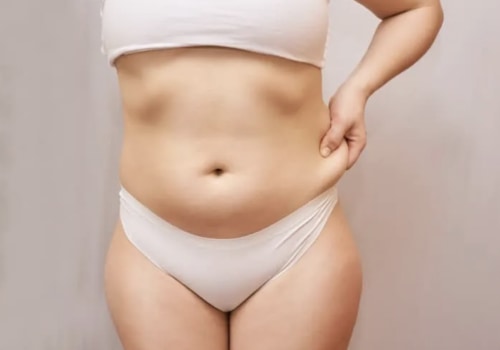
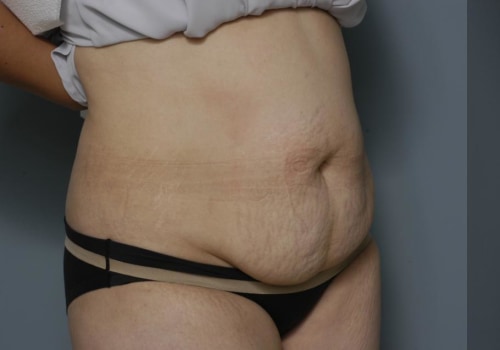
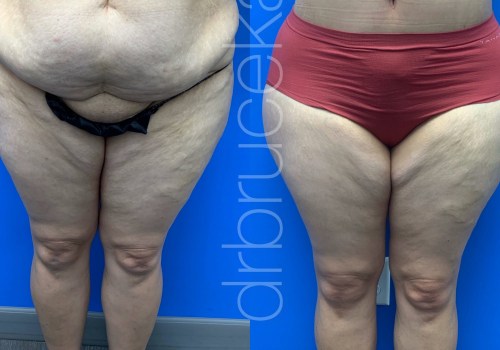
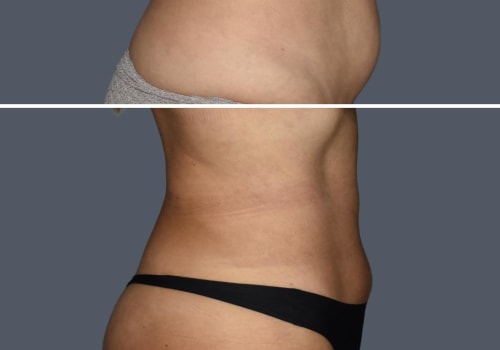
Liposuction is a popular cosmetic procedure that has gained significant attention in recent years, yet many people still hold misconceptions about its purpose and capabilities. At its core, liposuction is not a weight loss solution; rather, it is a targeted body contouring technique designed to remove stubborn pockets of fat that resist diet and exercise. This procedure can help individuals achieve a more sculpted appearance by addressing specific areas of concern, such as the abdomen, thighs, hips, and arms.Understanding the true nature of liposuction is essential for anyone considering this procedure. It is important to recognise that while liposuction can effectively enhance body shape, it is not intended for significant weight reduction.
Instead, it serves as a complementary approach for those who are already at or near their ideal weight but struggle with localized fat deposits. By focusing on these problem areas, liposuction can create a more balanced and aesthetically pleasing silhouette.During the liposuction process, a qualified plastic surgeon employs various techniques to break down and suction out unwanted fat through small incisions. This minimally invasive approach allows for quicker recovery times and less trauma compared to traditional surgical methods. However, potential candidates should be aware of the limitations regarding the amount of fat that can be safely removed in a single session.
Understanding these parameters is crucial for setting realistic expectations and ensuring patient safety.In summary, liposuction is an effective body contouring procedure aimed at enhancing one's natural shape rather than serving as a primary method for weight loss. By educating oneself about the procedure's purpose and limitations, individuals can make informed decisions about whether liposuction aligns with their personal goals and body image aspirations.
How Liposuction Works
Liposuction is a surgical procedure designed to remove excess fat from specific areas of the body, enhancing overall body contour. Understanding how liposuction works is essential for anyone considering this treatment, as it involves several steps and techniques that contribute to its effectiveness.The procedure typically begins with a thorough consultation with a qualified plastic surgeon. During this meeting, the surgeon will assess the patient’s medical history, discuss aesthetic goals, and determine the most suitable approach for fat removal.This initial evaluation is crucial for tailoring the procedure to meet individual needs.Once the patient is deemed a suitable candidate, the next step involves anaesthesia. Depending on the extent of the procedure and the areas being treated, either local anaesthesia or general anaesthesia may be used. Local anaesthesia numbs only the targeted area, allowing patients to remain awake but comfortable during the procedure. In contrast, general anaesthesia renders the patient completely unconscious, which may be necessary for larger areas or more complex procedures.After anaesthesia is administered, the surgeon makes small incisions in the skin near the treatment area.
These incisions are strategically placed to minimise visible scarring. Through these incisions, a thin tube called a cannula is inserted. The cannula is a vital tool in the liposuction process; it allows for the precise removal of fat deposits.There are various techniques employed during liposuction, including:
- Tumescent Liposuction: This method involves injecting a solution containing saline, anaesthetic, and epinephrine into the fatty tissue before fat removal. This solution helps to reduce bleeding and swelling while making fat easier to extract.
- Ultrasound-Assisted Liposuction (UAL): In this technique, ultrasound energy is used to liquefy fat cells before they are suctioned out.
This method can be particularly effective for fibrous areas of fat.
- Power-Assisted Liposuction (PAL): This technique utilises a mechanised cannula that vibrates rapidly to break up fat cells, making them easier to remove.
By employing advanced techniques and ensuring patient safety through appropriate anaesthesia and care protocols, liposuction remains a popular choice for those seeking targeted fat removal.
Fat Removal Limits: What You Need to Know
When considering liposuction, one of the most pressing questions patients often have is about the maximum amount of fat that can be safely removed during a single procedure. Understanding these limits is crucial for setting realistic expectations and ensuring patient safety.The American Society of Plastic Surgeons (ASPS) provides guidelines that suggest a maximum of approximately , one of the most pressing questions patients often have is about the maximum amount of fat that can be safely removed during a single procedure. Understanding these limits is crucial for setting realistic expectations and ensuring patient safety.The American Society of Plastic Surgeons (ASPS) provides guidelines that suggest a maximum of approximately 5 litres (or about 11 pounds ) of fat can be removed in a single session. However, this figure can vary based on several factors, including the patient's body mass index (BMI), the specific areas being treated, and the overall health of the individual.It is essential to note that while some high-volume liposuction techniques may allow for the removal of larger amounts of fat, doing so increases the risk of complications. For instance, removing more than 10% of a patient’s body weight at once can lead to significant health risks, including fluid imbalance and prolonged recovery times.Moreover, liposuction is not intended as a weight loss solution but rather as a method for contouring specific areas of the body that are resistant to diet and exercise.This means that even if a patient desires to remove more fat, it is vital to prioritise safety and aesthetic outcomes over sheer volume.During your consultation, your plastic surgeon will assess your individual circumstances and determine the most appropriate amount of fat to remove. This personalised approach ensures that enough tissue remains for proper healing and aesthetic results. In many cases, even modest fat removal can lead to significant improvements in body shape and confidence.In conclusion, while the guidelines suggest that up to 5 litres can be removed safely, each patient's situation is unique. It is crucial to have an open discussion with your surgeon about your goals and any concerns you may have regarding fat removal limits during liposuction.
Factors Influencing Fat Removal Amounts
When considering liposuction, it is essential to understand that several factors can significantly influence the amount of fat that can be safely removed during the procedure.These factors include body mass index (BMI), the specific treatment area, and individual health conditions.
Body Mass Index (BMI)
BMI is a crucial metric that helps determine a person's body fat based on their height and weight. It plays a significant role in assessing candidacy for liposuction. Generally, patients with a BMI within the normal range (18.5 to 24.9) are considered ideal candidates for the procedure. Those with a higher BMI may still undergo liposuction, but the amount of fat that can be safely removed may be limited.This is because removing excessive fat from individuals with a high BMI can increase the risk of complications and negatively impact overall health.
Treatment Area Considerations
The area of the body being treated also affects how much fat can be removed. Different regions have varying amounts of fat and skin elasticity, which can influence surgical outcomes. For instance:- Abdomen: This area often has significant fat deposits, allowing for more substantial fat removal compared to other regions.
- Thighs: The inner and outer thighs can also accommodate considerable fat removal, but skin laxity must be considered.
- Arms: Fat removal from the arms may be limited due to skin elasticity concerns, especially in older patients.
- Back: The back can hold excess fat, but careful planning is necessary to ensure aesthetic results.
Individual Health Conditions
A patient’s overall health and medical history are critical in determining how much fat can be safely removed during liposuction. Conditions such as diabetes, cardiovascular issues, or bleeding disorders may limit the procedure's extent.Additionally, patients who smoke or have a history of poor wound healing may face increased risks during recovery.Ultimately, understanding these factors helps set realistic expectations for liposuction results. During your consultation, your plastic surgeon will evaluate your unique situation and provide tailored recommendations based on your BMI, treatment area, and health status. This personalised approach ensures that you achieve optimal results while prioritising safety.
Risks and Complications of Liposuction
Liposuction, while a popular cosmetic procedure for body contouring, is not without its risks and potential complications. Understanding these risks is crucial for anyone considering the surgery, as it allows for informed decision-making and highlights the importance of selecting a qualified surgeon.Common Risks Associated with Liposuction
- Infection: As with any surgical procedure, there is a risk of infection at the incision sites.
Proper aftercare and hygiene are essential to minimise this risk.
- Bleeding: Excessive bleeding during or after the procedure can occur, which may require additional medical intervention.
- Fluid Accumulation: Seromas, or pockets of fluid, can develop under the skin post-surgery. These may need to be drained if they become problematic.
- Nerve Damage: Temporary or permanent nerve damage can result in altered sensation in the treated areas, leading to numbness or tingling.
- Scarring: While surgeons aim to make incisions as discreet as possible, scarring is an inevitable part of any surgical procedure.
Serious Complications
- Blood Clots: The formation of blood clots can pose serious health risks, including deep vein thrombosis (DVT) or pulmonary embolism.
- Organ Damage: In rare cases, liposuction can lead to damage to internal organs if the cannula penetrates too deeply.
- Anesthesia Risks: Reactions to anesthesia can occur, which may lead to complications during or after the procedure.
The Importance of Choosing a Qualified Surgeon
Selecting a board-certified plastic surgeon with extensive experience in liposuction is paramount. A qualified surgeon will not only have the technical skills necessary to perform the procedure safely but will also be well-versed in recognising and managing potential complications. During your consultation, ensure that you discuss all your concerns and ask about their safety protocols and experience with similar cases.
Safety Measures in Place
Reputable surgical facilities implement various safety measures to mitigate risks associated with liposuction.
These may include:
- Comprehensive pre-operative assessments to evaluate patient health and suitability for surgery.
- Use of advanced techniques and technology to enhance precision and reduce trauma during the procedure.
- Post-operative monitoring to promptly address any complications that may arise.
Combining Liposuction with Other Procedures
When considering liposuction, many patients find that combining it with other cosmetic procedures can lead to more comprehensive and satisfying results. This approach not only addresses stubborn fat deposits but also enhances overall body contouring, allowing for a more harmonious appearance.One of the most popular combinations is liposuction and tummy tuck. A tummy tuck, or abdominoplasty, focuses on removing excess skin and tightening the abdominal muscles, which can be particularly beneficial for individuals who have experienced significant weight loss or pregnancy.By integrating liposuction into this procedure, surgeons can effectively remove localized fat deposits in the abdomen, flanks, and hips, creating a smoother and more sculpted midsection.Here are some key benefits of combining liposuction with other procedures:
- Enhanced Results: By addressing multiple concerns in one surgical session, patients can achieve a more balanced and aesthetically pleasing outcome.
- Reduced Recovery Time: Undergoing multiple procedures at once can often mean a single recovery period, allowing patients to return to their daily routines sooner.
- Cost-Effectiveness: Combining surgeries may reduce overall costs compared to having each procedure performed separately, as patients often save on anaesthesia and facility fees.
- Minimised Surgical Risks: Fewer surgeries mean less exposure to anaesthesia and surgical risks, which can be particularly advantageous for patients concerned about safety.
This personalised strategy ensures that patients not only achieve their desired aesthetic outcomes but also maintain safety throughout the process.
Recovery After Liposuction: What to Expect
Recovering from liposuction is a crucial phase that can significantly influence the overall results of the procedure. Understanding what to expect during this time can help patients prepare mentally and physically for their journey towards a more contoured body.Immediately after the surgery, patients may experience some discomfort, swelling, and bruising in the treated areas. These symptoms are normal and typically subside within a few weeks. The extent of these effects can vary based on the amount of fat removed and the specific areas treated.Recovery Timeline
The recovery timeline for liposuction can differ from person to person, but here are some general expectations:- First Few Days: Most patients will feel groggy due to the anaesthesia and may require assistance with daily activities.
It is advisable to rest and avoid strenuous activities.
- Week One: Swelling and bruising will peak during this time. Patients are encouraged to wear compression garments as directed by their surgeon to help reduce swelling and support the healing process.
- Weeks Two to Four: Many individuals can return to light activities or work, especially if their job is sedentary. However, high-impact exercises should be avoided until cleared by the surgeon.
- One Month: By this time, most swelling should have significantly decreased, and patients may start to see initial results. However, final results may take several months as the body continues to heal.
Post-Operative Care
Proper post-operative care is essential for a smooth recovery.Here are some tips to ensure optimal healing:
- Follow Surgeon’s Instructions: Adhere strictly to the post-operative guidelines provided by your surgeon regarding medication, activity levels, and follow-up appointments.
- Stay Hydrated: Drinking plenty of water aids in recovery and helps reduce swelling.
- Avoid Smoking: Smoking can impede healing and increase the risk of complications; it is best to refrain from smoking during recovery.
- Monitor for Complications: Be vigilant for signs of infection or unusual symptoms such as excessive pain or discharge from incisions. Contact your surgeon immediately if you notice anything concerning.
Who is a Good Candidate for Liposuction?
Determining whether you are a suitable candidate for liposuction involves evaluating several key factors related to your health, body composition, and personal goals. Understanding these criteria can help you make an informed decision about whether this body contouring procedure is right for you.1.Overall Health Status
- Good candidates for liposuction should be in generally good health.
This means having no serious medical conditions that could complicate surgery or recovery, such as heart disease, diabetes, or bleeding disorders.
- It is essential to be a non-smoker or willing to quit smoking well in advance of the procedure, as smoking can significantly impair healing and increase the risk of complications.
2.Body Mass Index (BMI)
- While liposuction is not a weight loss solution, candidates should ideally have a BMI within the normal range (18.5 to 24.9) or slightly above. Those with a BMI over 30 may be advised to pursue weight loss through diet and exercise before considering liposuction.
- Individuals who are close to their ideal weight but struggle with specific areas of stubborn fat are often the best candidates for this procedure.
3.Skin Elasticity
- Good skin elasticity is crucial for achieving optimal results after liposuction. Candidates with firm, elastic skin are more likely to experience smooth and contoured results post-surgery.
- If you have significant skin laxity, other procedures such as a tummy tuck may be recommended in conjunction with liposuction to achieve the desired aesthetic outcome.
4.Realistic Expectations
- Candidates should have realistic expectations regarding the results of liposuction. It is important to understand that while liposuction can enhance body contours, it does not address issues such as cellulite or sagging skin.
- A thorough consultation with a qualified plastic surgeon can help clarify what can be achieved through the procedure and ensure that your goals align with realistic outcomes.
5.Commitment to a Healthy Lifestyle
- Ideal candidates are those who are committed to maintaining a healthy lifestyle post-procedure.
This includes adhering to a balanced diet and engaging in regular physical activity to sustain the results achieved through liposuction.
- Liposuction should be viewed as a complement to a healthy lifestyle rather than a substitute for it.
Frequently Asked Questions About Liposuction
When considering liposuction, potential patients often have numerous questions and concerns. Addressing these queries can help demystify the procedure and provide clarity on what to expect.- What is liposuction?
Liposuction is a cosmetic surgical procedure designed to remove excess fat from specific areas of the body. It is not intended for weight loss but rather for body contouring, targeting stubborn fat deposits that do not respond to diet and exercise. - Who is a good candidate for liposuction?
Ideal candidates are individuals who are at or near their target weight, have firm skin, and possess realistic expectations about the outcomes.It is essential that candidates are in good overall health and do not have any underlying medical conditions that could complicate the procedure.
- How much fat can be removed during liposuction?
The maximum amount of fat that can be safely removed in a single session typically ranges from 3 to 5 litres (approximately 6 to 11 pounds). However, this can vary based on individual factors such as body mass index (BMI) and the specific areas being treated. - What are the risks associated with liposuction?
As with any surgical procedure, there are risks involved. These may include infection, bleeding, scarring, and complications related to anesthesia. It is crucial to discuss these risks with your surgeon during the consultation. - What is the recovery process like?
Recovery times can vary significantly among individuals.Most patients can return to light activities within a few days, but full recovery may take several weeks. Bruising and swelling are common but typically subside over time.
- Will I have visible scars after liposuction?
Liposuction involves small incisions, which may result in minimal scarring. The scars usually fade over time and become less noticeable. Your surgeon will provide guidance on scar care post-procedure. - Can liposuction be combined with other procedures?
Yes, many patients choose to combine liposuction with other cosmetic procedures, such as tummy tucks or breast augmentations, to achieve more comprehensive body contouring results.
Always consult with a qualified plastic surgeon to discuss your specific concerns and goals.
Conclusion: The Realities of Liposuction Fat Removal
In summary, understanding the realities of liposuctionrealities of liposuction is crucial for anyone considering this body contouring procedure. While it is often perceived as a quick fix for weight loss, it is essential to recognise that liposuction is primarily designed to target specific areas of stubborn fat that resist diet and exercise. The maximum amount of fat that can be safely removed during a single session typically ranges from three to five litres, equating to approximately six to eleven pounds. This limit is not arbitrary; it is grounded in safety protocols established by medical professionals.Moreover, the decision to undergo liposuction should be made with careful consideration and consultation with a qualified plastic surgeon.Factors such as your overall health, body mass index (BMI), and individual goals will significantly influence the amount of fat that can be removed safely. It is also important to understand that removing excessive amounts of fat can lead to complications, including increased recovery time and potential health risks.Patients should also be aware that liposuction does not replace a healthy lifestyle. While it can enhance body contours and boost self-esteem, maintaining results requires ongoing commitment to a balanced diet and regular exercise. Combining liposuction with other procedures, such as a tummy tuck, may yield more comprehensive results for those looking to address multiple concerns.Ultimately, informed decision-making is paramount.
Prospective patients should engage in thorough discussions with their surgeons about expectations, potential outcomes, and the realities of recovery. By doing so, individuals can ensure they are making choices that align with their personal health goals and aesthetic desires.