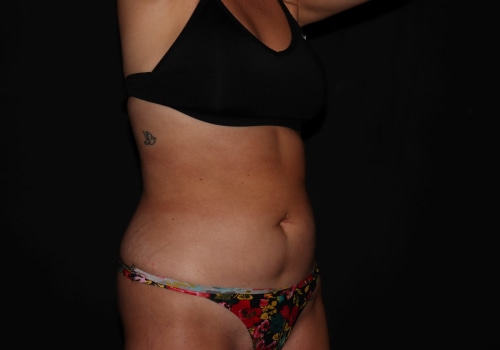
Liposuction is a popular cosmetic procedure designed to remove stubborn fat deposits from specific areas of the body. Unlike traditional weight loss methods, such as diet and exercise, liposuction targets localized fat that often resists these efforts. This procedure is not intended for weight loss in the conventional sense; rather, it serves as a means to enhance body contours and improve overall appearance. Understanding what liposuction entails is crucial for anyone considering this option, as it helps to dispel common myths and misconceptions surrounding its purpose and effectiveness.The liposuction procedure involves the use of a thin tube called a cannula, which is inserted through small incisions in the skin.
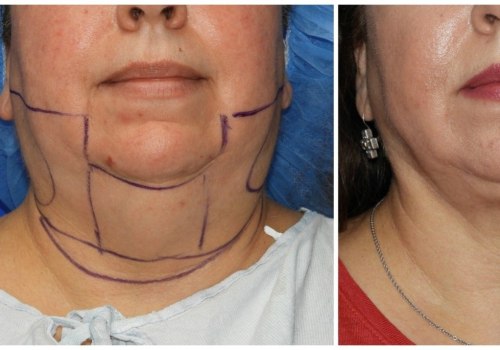
This cannula is connected to a vacuum device that gently removes fat from beneath the skin's surface. The process can be performed under local or general anaesthesia, depending on the extent of the treatment and the areas being targeted. Patients can expect to see immediate results, although final outcomes may take several weeks to fully manifest as swelling subsides and the body adjusts to its new shape.One of the key aspects of liposuction is its ability to sculpt and define areas of the body that may be disproportionately affected by fat accumulation. Common treatment areas include the abdomen, thighs, buttocks, arms, and neck.
However, it is essential to note that liposuction is not a solution for obesity or an alternative to a healthy lifestyle. Instead, it is best suited for individuals who are close to their ideal weight but struggle with specific areas of fat that do not respond to diet or exercise.In summary, liposuction is a targeted fat removal procedure that can significantly enhance body contours. By understanding how liposuction works and its intended purpose, potential patients can make informed decisions about whether this procedure aligns with their aesthetic goals. As we delve deeper into the topic, we will explore the various techniques available, potential risks, and what one can realistically expect from this transformative procedure.
Common Misconceptions About Liposuction
When considering liposuction, many individuals are often misled by prevalent myths and misconceptions surrounding the procedure.Understanding these misconceptions is essential for anyone contemplating this cosmetic surgery, as it can significantly influence their expectations and decisions.One of the most common misconceptions is that liposuction is a viable solution for significant weight loss. In reality, liposuction is primarily a body contouring procedure designed to remove localized fat deposits that are resistant to diet and exercise. It is not intended for those looking to shed large amounts of weight. The procedure typically removes only a small volume of fat—generally between six to ten pounds—making it unsuitable as a weight-loss method.Another prevalent myth is that liposuction can eliminate cellulite or stretch marks.
While it can improve the overall shape of the body, it does not address skin texture issues such as cellulite, which requires different treatment approaches. Patients should have realistic expectations about what liposuction can achieve and understand that it is not a cure-all for body imperfections.Additionally, some believe that liposuction results are permanent and that once fat is removed, it will not return. This is misleading; while the fat cells removed during the procedure do not regenerate, remaining fat cells can still expand if a patient does not maintain a healthy lifestyle post-surgery. Therefore, adopting a balanced diet and regular exercise regimen is crucial for sustaining results.Furthermore, there is a misconception that liposuction is a quick fix for obesity.
Many patients may think they can rely solely on this procedure without making necessary lifestyle changes. However, liposuction should be viewed as a complement to a healthy lifestyle rather than a substitute for it.In conclusion, educating oneself about the realities of liposuction is vital. By dispelling these common myths, potential patients can make informed decisions and set realistic expectations regarding their body contouring goals.
The Science Behind Liposuction
Liposuction is a sophisticated surgical procedure that employs various techniques to remove unwanted fat deposits from specific areas of the body. Understanding the science behind liposuction is crucial for anyone considering this cosmetic surgery, as it sheds light on how the procedure works and the different methods available.At its core, liposuction involves the use of a cannula, a thin tube that is inserted through small incisions in the skin.This cannula is used to suction out fat from beneath the skin's surface. The process begins with the administration of anaesthesia, which can be local or general, depending on the extent of the procedure and the patient's needs.
Fat Removal Process
The fat removal process can be broken down into several key steps:- Preparation: The surgeon marks the areas where fat will be removed and may administer a tumescent solution, which contains saline, anaesthetic, and epinephrine. This solution helps to minimise bleeding and pain during the procedure.
- Fat Breakdown: Depending on the technique used, fat cells may be broken down before suctioning. For instance, in ultrasound-assisted liposuction (UAL), ultrasound energy is applied to liquefy fat cells, making them easier to remove.
- Suctioning: The surgeon inserts the cannula into the targeted area and uses a back-and-forth motion to dislodge fat cells.
The dislodged fat is then suctioned out through the cannula.
- Post-Procedure Care: After the desired amount of fat has been removed, incisions are closed, and patients are typically fitted with compression garments to aid in recovery and minimise swelling.
Types of Liposuction Techniques
There are several types of liposuction techniques, each with its unique advantages:- Tumescent Liposuction: This is one of the most common methods, where a large volume of tumescent fluid is injected into the fatty tissue before suctioning. It reduces pain and bleeding significantly.
- Ultrasound-Assisted Liposuction (UAL): This technique uses ultrasound waves to liquefy fat cells before they are removed. It is particularly effective for fibrous areas like the back or male breast tissue.
- Laser-Assisted Liposuction (LAL): In this method, laser energy is used to melt fat cells, which are then suctioned out. This technique can also promote skin tightening due to heat exposure.
- Suction-Assisted Liposuction (SAL): The traditional method where a vacuum device is used to remove fat directly without prior liquefaction.
Consulting with a qualified surgeon can help determine which method is best suited for achieving optimal results.
Liposuction vs. Weight Loss: What You Need to Know
When considering body transformation, many individuals often find themselves weighing the options between traditional weight loss methods and cosmetic procedures like liposuction. Understanding the differences between these approaches is crucial for making informed decisions about personal health and aesthetics.Liposuction
is primarily a body contouring procedure rather than a weight loss solution. It is designed to remove localized fat deposits that are resistant to diet and exercise.
In contrast, traditional weight loss methods, such as
diet
and
exercise
, focus on reducing overall body weight and improving health through lifestyle changes.Here are some key comparisons between liposuction and traditional weight loss methods:
- Effectiveness: While liposuction can effectively target stubborn fat areas, it does not address the underlying issues of weight gain or obesity. Traditional methods, on the other hand, promote sustainable weight loss by encouraging healthier eating habits and regular physical activity.
- Results: Liposuction provides immediate results in terms of body shape, but it does not guarantee long-term weight maintenance. Weight loss through diet and exercise can lead to gradual changes that are more likely to be maintained over time.
- Health Benefits: Losing weight through diet and exercise can significantly improve overall health, reducing the risk of chronic diseases such as diabetes and heart disease. Liposuction does not offer these health benefits; it is purely cosmetic.
- Recovery Time: Liposuction requires a recovery period during which patients may experience swelling and discomfort.
In contrast, adopting a healthier lifestyle through diet and exercise can be integrated into daily life without significant downtime.
- Have achieved a stable weight but struggle with specific areas of fat that do not respond to diet or exercise.
- Are within 30% of their ideal body weight and have realistic expectations about the outcomes.
- Desire to enhance their body contours rather than seeking significant weight loss.
Who Are Ideal Candidates for Liposuction?
Determining whether you are an ideal candidate for liposuction involves several factors, including your overall health, body composition, and specific aesthetic goals. Understanding these criteria can help you make an informed decision about whether this procedure is right for you.Body Mass Index (BMI)
is a crucial consideration when evaluating candidates for liposuction. Generally, individuals with a BMI between 30 and 40 are often considered suitable candidates, provided they are otherwise healthy.
However, those with a BMI over 40 may be advised to pursue weight loss through diet and exercise before considering surgical options. This is because higher BMI levels can increase the risks associated with surgery and may not yield the desired results.In addition to BMI, potential candidates should also assess their overall health. Ideal candidates are typically non-smokers who do not have any chronic medical conditions that could complicate the procedure or recovery process. Conditions such as diabetes, heart disease, or clotting disorders can significantly increase the risks involved in surgery.
Age
is another factor to consider.
While there is no strict age limit for liposuction, younger patients tend to have better skin elasticity, which can lead to more satisfactory results. However, older individuals in good health may also be suitable candidates if they have realistic expectations about the outcomes.
Realistic Expectations
- Candidates should have a clear understanding of what liposuction can achieve. It is not a weight-loss solution but rather a body contouring procedure designed to remove stubborn fat deposits.
- Those seeking liposuction should aim for a stable weight for at least six months prior to the procedure. This stability indicates that the individual has adopted a healthy lifestyle that they intend to maintain post-surgery.
Specific Areas of Concern
Ideal candidates often have specific areas of fat accumulation that are resistant to diet and exercise.
Common target areas include:
- Abdomen
- Thighs
- Hips
- Arms
- Back
- Chin and neck
Risks and Considerations of Liposuction
While liposuction is often viewed as a straightforward solution for body contouring, it is crucial for potential patients to understand the risks and complications associated with the procedure. Like any surgical intervention, liposuction carries inherent risks that can vary based on individual health factors, the extent of the procedure, and the skill of the surgeon.Common Risks of Liposuction
- Infection: As with any surgery, there is a risk of infection at the incision sites. Proper post-operative care and hygiene are essential to minimise this risk.
- Bleeding: Excessive bleeding during or after the procedure can occur, which may require additional medical intervention.
- Fluid Accumulation: Seromas, or pockets of fluid, can develop under the skin post-surgery.
These may need to be drained if they become problematic.
- Nerve Damage: Temporary or permanent nerve damage can result in altered sensation in the treated areas.
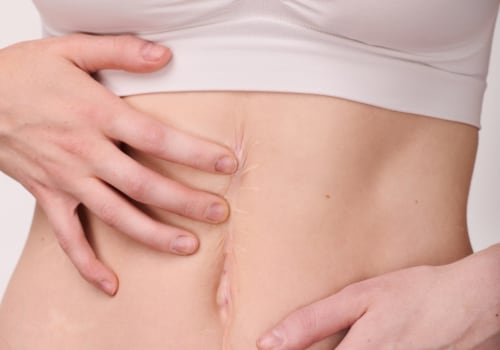
- Scarring: While surgeons aim to make incisions as discreet as possible, scarring is a possibility that varies from person to person.
Serious Complications
- Blood Clots: There is a risk of blood clots forming in the legs or lungs, which can be life-threatening if not addressed promptly.
- Pulmonary Complications: In rare cases, fat can enter the bloodstream and travel to the lungs, leading to serious respiratory issues.
- Anesthesia Risks: Reactions to anesthesia can occur, which may lead to complications during or after surgery.
Safety Considerations
The safety of liposuction largely depends on several factors:
- The surgeon's experience: Choosing a board-certified plastic surgeon with extensive experience in liposuction is vital for minimising risks.
- The patient's health statuspatient's health status: Individuals with certain medical conditions or those who are significantly overweight may face higher risks during surgery.
- The type of liposuction techniquetype of liposuction technique: Different techniques (such as tumescent or ultrasound-assisted liposuction) may carry varying levels of risk and recovery time.
Post-Operative Care and Recovery After Liposuction
Recovering from liposuction is a crucial phase that significantly impacts the overall results of the procedure. Understanding the recovery process and adhering to post-operative care guidelines can help ensure a smoother healing journey and optimal outcomes.Immediately after the surgery, patients can expect to experience some swelling, bruising, and discomfort in the treated areas. These symptoms are normal and typically subside within a few weeks.However, it is essential to follow specific care instructions to facilitate recovery:
- Rest and Relaxation: Allow your body ample time to heal. Avoid strenuous activities and heavy lifting for at least two weeks post-surgery.
- Compression Garments: Wearing a compression garment as advised by your surgeon is vital. This helps reduce swelling and supports the healing tissues.
- Hydration: Staying well-hydrated aids in recovery. Drink plenty of water to help flush out toxins and support your body’s healing processes.
- Follow-Up Appointments: Attend all scheduled follow-up visits with your surgeon.
These appointments are crucial for monitoring your recovery and addressing any concerns.
- Pain Management: Use prescribed pain medications as directed. Over-the-counter pain relievers may also be recommended to manage discomfort.
If you notice any signs of infection, such as increased redness, swelling, or discharge from the incision sites, contact your surgeon immediately.In summary, while the liposuction recovery processliposuction recovery process may vary from person to person, adhering to these post-operative care tips will help set realistic expectations and promote a successful healing journey. Remember that patience is key; full results may take several months to become apparent as swelling subsides and your body adjusts to its new contours.
Long-Term Results: What to Expect After Liposuction?
After undergoing liposuction, many patients are eager to see the results of their body contouring procedure. However, understanding the long-term resultslong-term results and how to maintain these outcomes is crucial for achieving lasting satisfaction.Liposuction effectively removes localized fat deposits, leading to a more sculpted appearance. Yet, it is essential to recognize that this procedure does not prevent future weight gain.The body can still accumulate fat in other areas if a healthy lifestyle is not maintained. Therefore, patients should adopt sustainable habits post-surgery to preserve their new shape.
Maintaining Results After Liposuction
To ensure the longevity of liposuction results, consider the following strategies:- Balanced Diet: Emphasize a diet rich in fruits, vegetables, lean proteins, and whole grains. Avoiding processed foods and excessive sugars can help maintain your weight.
- Regular Exercise: Incorporate both cardiovascular and strength training exercises into your routine. Aim for at least 150 minutes of moderate aerobic activity each week, along with muscle-strengthening activities on two or more days.
- Hydration: Drinking plenty of water aids in metabolism and helps control hunger, making it easier to stick to a healthy diet.
- Routine Check-ups: Regular consultations with your surgeon or healthcare provider can help monitor your progress and address any concerns regarding weight management.
While many patients experience significant improvements in their body contours, results can vary based on individual factors such as genetics, age, and skin elasticity. Some may notice changes in their body shape over time due to natural aging processes or lifestyle changes.In conclusion, while liposuction can provide remarkable body contouring results, maintaining these outcomes requires commitment to a healthy lifestyle. By adopting balanced eating habits and regular physical activity, patients can enjoy their new shape for years to come.
Frequently Asked Questions About Liposuction
When considering liposuction, many individuals have questions about the procedure, its effectiveness, and what to expect. Below are some of the most frequently asked questions regarding liposuction.What is liposuction?
Liposuction is a cosmetic surgical procedure designed to remove excess fat deposits from specific areas of the body.It is not a weight-loss solution but rather a method for body contouring, helping to sculpt and shape areas that may be resistant to diet and exercise.
Who is a suitable candidate for liposuction?
Ideal candidates for liposuction are individuals who are at or near their target weight but have stubborn fat pockets that do not respond to traditional weight loss methods. Candidates should also be in good overall health, have realistic expectations, and understand that liposuction is not a substitute for a healthy lifestyle.How much fat can be removed during liposuction?
The amount of fat that can be safely removed during a single liposuction session typically ranges from 5 to 10 pounds (approximately 2.5 to 4.5 kilograms). Removing more than this can increase the risk of complications and is generally not recommended.What areas can be treated with liposuction?
- Abdomen
- Thighs
- Hips
- Arms
- Back
- Chin and neck
What are the risks associated with liposuction?
As with any surgical procedure, liposuction carries certain risks, including:- Infection
- Scarring
- Fluid accumulation
- Nerve damage
- Uneven contours or asymmetry
How long is the recovery period after liposuction?
The recovery time varies depending on the extent of the procedure and individual healing rates. Most patients can return to light activities within a few days, while more strenuous activities may need to be avoided for several weeks.It’s essential to follow your surgeon's post-operative care instructions for optimal recovery.
Will the results of liposuction last?
The results of liposuction can be long-lasting, provided that patients maintain a stable weight through a balanced diet and regular exercise. However, significant weight gain after the procedure can lead to new fat deposits in other areas.Conclusion: The Role of Liposuction in Body Contouring and Weight Management
In conclusion, it is essential to understand the true role of liposuction within the broader context of body contouring and weight management. While this cosmetic procedure can effectively target and remove stubborn pockets of fat that resist diet and exercise, it is not a solution for significant weight loss. Patients often approach liposuction with the misconception that it can serve as a quick fix for their weight issues, but this is a misunderstanding that can lead to unrealistic expectations.Liposuction is best viewed as a tool for enhancing body shape rather than a method for shedding large amounts of weight.The procedure is designed to sculpt the body by removing localized fat deposits, which can help improve overall aesthetics and boost self-confidence. However, it is crucial to recognise that the maximum amount of fat safely removed during a single session is limited, typically around 10 pounds or 5 litres. This limitation underscores the fact that liposuction should not be considered a primary method for weight loss.Moreover, individuals who are significantly overweight or obese may not be suitable candidates for liposuction. Instead, they are encouraged to pursue comprehensive weight management strategies that include lifestyle changes such as improved diet and regular physical activity.
These approaches not only promote healthier body weight but also contribute to overall well-being.Ultimately, the most successful outcomes from liposuction occur when patients have realistic expectations and understand that this procedure complements a healthy lifestyle rather than replaces it. For those seeking to enhance their body contours, liposuction can be an effective option when combined with ongoing efforts towards maintaining a balanced diet and active lifestyle.In summary, while liposuction plays a valuable role in body contouring, it should be approached with the understanding that it is not a substitute for weight loss. By recognising its true purpose and limitations, individuals can make informed decisions about their cosmetic surgery options and embark on a journey towards achieving their desired body shape in conjunction with healthy living.