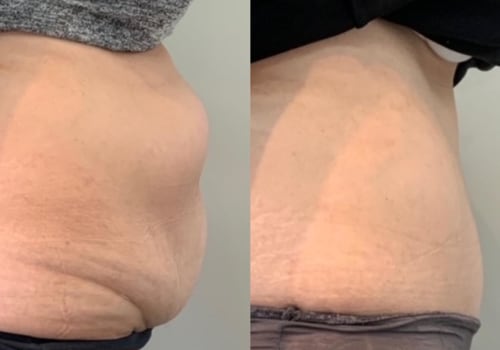
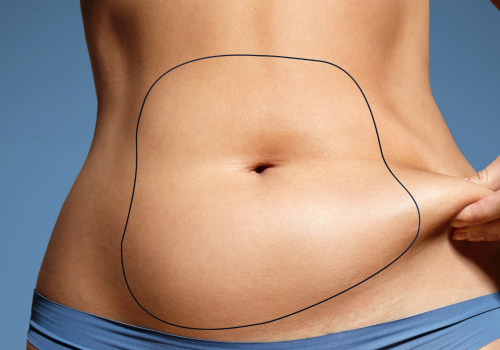
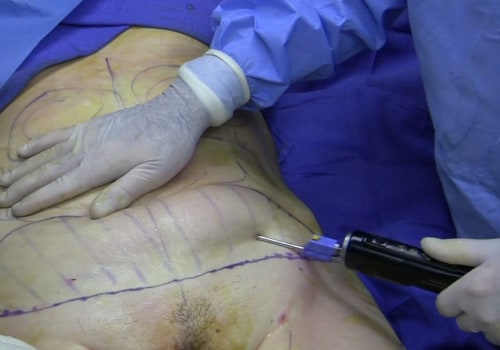
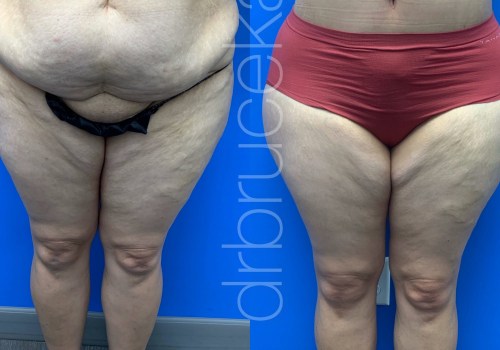
Liposuction is a popular cosmetic procedure designed to remove stubborn fat deposits from specific areas of the body, helping individuals achieve a more contoured and sculpted appearance. This surgical technique is not merely a weight-loss solution; rather, it focuses on enhancing body shape by targeting localized fat that often resists diet and exercise. Many people are surprised to learn that liposuction can be suitable for those who are already thin, as it can effectively address persistent fat pockets that may detract from their overall physique.The liposuction procedure involves the use of a thin tube called a cannula, which is inserted through small incisions in the skin. The surgeon then uses this cannula to suction out excess fat from the targeted areas.
This minimally invasive approach allows for precise fat removal while minimizing damage to surrounding tissues, leading to quicker recovery times and less noticeable scarring. The procedure can be performed under local or general anaesthesia, depending on the extent of fat removal and the patient's comfort level.Understanding how liposuction works is crucial for anyone considering the procedure. During the operation, the surgeon first marks the areas where fat will be removed, ensuring a tailored approach that aligns with the patient’s aesthetic goals. After administering anaesthesia, the surgeon makes small incisions and inserts the cannula to break up and extract fat cells.
The entire process typically lasts between one to several hours, depending on the number of areas being treated. Post-operative care is essential for optimal results, as patients are advised to follow specific guidelines to promote healing and maintain their new body contours.
Who Are Ideal Candidates for Liposuction?
When considering liposuction, it is essential to understand who qualifies as an ideal candidate for this procedure. While many people associate liposuction solely with weight loss, it is primarily a body contouring technique designed to target specific areas of stubborn fat. Therefore, the characteristics of suitable candidates extend beyond mere body weight.Body Weight and Composition
Ideal candidates for liposuction typically have a body mass index (BMI) under 30.
This range indicates that they are not significantly overweight, allowing for a more effective and safer procedure. However, it is crucial to note that being thin does not automatically qualify someone for liposuction. Candidates should be within 25% of their target body weight and maintain a stable weight prior to the procedure.
Fat Distribution
Another critical factor in determining candidacy is the distribution of fat in the body. Individuals who have localized fat deposits that are resistant to diet and exercise often make the best candidates.
Common areas include:
- Abdomen
- Thighs
- Arms
- Back
- Hips
- Chin and neck
Overall Health
A candidate's overall health plays a vital role in their eligibility for liposuction. Individuals should be in good health, free from chronic conditions that could complicate surgery or recovery. A thorough consultation with a board-certified plastic surgeon will help assess health status and any potential risks associated with the procedure.A candidate's overall health plays a vital role in their eligibility for liposuction. Individuals should be in good health, free from chronic conditions that could complicate surgery or recovery. A thorough consultation with a board-certified plastic surgeon will help assess health status and any potential risks associated with the procedure.
Misperceptions About Liposuction
It is a common misconception that liposuction is suitable for anyone looking to lose weight. In reality, it is not a weight-loss solution but rather a method for contouring the body.
Those who are significantly overweight or underweight may not achieve optimal results and could face increased risks during surgery.In conclusion, while liposuction can be an effective option for many individuals, understanding the characteristics of ideal candidates is crucial. By focusing on body composition, fat distribution, and overall health, potential patients can make informed decisions about whether this procedure aligns with their goals.
Liposuction for Thin Individuals: Is It Possible?
Liposuction is often perceived as a procedure exclusively for those with significant excess weight, but this is a misconception. In reality, thin individualsthin individuals can also be suitable candidates for liposuction, particularly when they are looking to target specific areas of stubborn fat that do not respond to diet and exercise.For many slim individuals, certain body areas may retain fat deposits despite a healthy lifestyle. Common areas include the abdomen, thighs, arms, and hips.These pockets of fat can be frustrating and may lead to dissatisfaction with one’s body shape. Liposuction can effectively address these concerns by removing localized fat deposits, thereby enhancing overall body contours.
Benefits of Liposuction for Slim Individuals
- Improved Body Contours: Liposuction allows for precise sculpting of the body, helping thin individuals achieve a more balanced and aesthetically pleasing silhouette.
- Boosted Confidence: By eliminating stubborn fat pockets, patients often experience a significant boost in self-esteem and body image.
- Minimal Recovery Time: Since liposuction in thinner patients typically involves less fat removal, the recovery period can be shorter compared to those with higher body mass.
- Enhanced Skin Elasticity: Slim individuals often have better skin elasticity, which can lead to improved results post-surgery as the skin is more likely to conform to the new body shape.
By consulting with a qualified plastic surgeon, thin individuals can explore how liposuction may help them achieve their desired body shape and improve their overall confidence.
The Risks and Considerations of Liposuction for Thin People
While liposuction can be a viable option for thin individuals seeking to enhance their body contours, it is essential to understand the risks and considerations associated with the procedure. Thin patients may face unique challenges that could impact their overall experience and results.Potential Complications
- Skin Elasticity: One of the primary concerns for thin patients is the quality of their skin. If the skin lacks elasticity, it may not retract properly after fat removal, leading to sagging or an uneven appearance.
- Fat Removal Limits: For those who are already slim, the amount of fat that can be safely removed is limited. Excessive fat removal can lead to complications such as contour irregularities or an unnatural look.
- Health Risks: As with any surgical procedure, there are inherent risks involved, including infection, bleeding, and adverse reactions to anesthesia.
Thin individuals may have less body fat to cushion vital organs, potentially increasing these risks.
- Nutritional Deficiencies: Undergoing liposuction can temporarily affect a patient’s nutritional status. Thin individuals may already be at risk for deficiencies, and surgery can exacerbate this issue if not managed properly.
Considerations Before Surgery
- Thorough Consultation: It is crucial for thin patients to engage in a comprehensive consultation with a board-certified plastic surgeon. This discussion should cover individual health history, aesthetic goals, and realistic expectations regarding outcomes.
- Body Mass Index (BMI): Patients should ideally have a BMI within a healthy range. Those with a BMI significantly below average may not be suitable candidates for liposuction due to the associated risks.
- Long-term Goals: Understanding that liposuction is not a weight-loss solution is vital.
Patients should focus on maintaining a stable weight and healthy lifestyle post-procedure to achieve lasting results.
Alternatives to Liposuction for Body Contouring
For individuals seeking to enhance their body shape without undergoing surgery, there are several non-surgical body contouring options available. These alternatives can be particularly appealing for those who are thin and may not require the extensive fat removal that liposuction offers. Below are some of the most popular methods:- CoolSculpting : This non-invasive procedure uses cryolipolysis technology to freeze and eliminate fat cells in targeted areas.
It is ideal for individuals with stubborn fat pockets that resist diet and exercise. The treatment is painless, requires no downtime, and results can be seen within a few weeks.
- Ultrasound Fat Reduction : This technique employs ultrasound waves to break down fat cells without damaging surrounding tissues. It is effective for contouring areas such as the abdomen, thighs, and arms. Patients typically experience minimal discomfort and can return to their daily activities immediately after treatment.
- Radiofrequency Treatments : These treatments use radiofrequency energy to heat the skin and stimulate collagen production while simultaneously targeting fat cells.
This method not only helps in reducing fat but also tightens the skin, making it a dual-action solution for body contouring.
- Laser Lipolysis : A minimally invasive option that uses laser energy to liquefy fat cells, which are then removed through a small cannula. While it is less invasive than traditional liposuction, it still requires some downtime for recovery.
- Body Wraps : While not as effective for significant fat reduction, body wraps can temporarily tighten the skin and improve its appearance. They often involve the application of herbal or mineral-infused products that promote detoxification and hydration.
Non-surgical methods may not provide the same dramatic results as liposuction but can effectively enhance body contours with less risk and recovery time.
Consultation with a Plastic Surgeon: What to Expect
When considering liposuction, a consultation with a board-certified plastic surgeon is a crucial step in the process. This meeting serves as an opportunity for you to discuss your goals, ask questions, and understand the procedure in detail. Here’s what you can expect during your consultation and how to prepare effectively.What to Expect During the Consultation
During your initial consultation, the surgeon will typically start by reviewing your medical history and discussing your reasons for seeking liposuction. They will assess your body type, skin elasticity, and any specific areas of concern you may have.This evaluation helps the surgeon determine if you are a suitable candidate for the procedure.Additionally, the surgeon will explain the different types of liposuction techniques available, such as tumescent liposuction or ultrasound-assisted liposuction, and recommend the best option based on your individual needs.
Questions to Ask
To ensure you have all the necessary information, consider asking the following questions during your consultation:- What is your experience with liposuction? Inquire about the surgeon's qualifications and how many procedures they have performed.
- What technique do you recommend for me? Understanding why a specific method is suggested can help clarify expectations.
- What are the potential risks and complications? It’s essential to be aware of any possible side effects or complications associated with the procedure.
- What will my recovery process look like? Knowing what to expect post-surgery can help you plan accordingly.
- How long will the results last? Discussing maintenance and lifestyle changes can provide insight into long-term outcomes.
Preparing for Your Consultation
Preparation is key to making the most of your consultation. Here are some tips:- Bring a list of questions: Having your questions written down ensures you won’t forget anything important during the meeting.
- Document your medical history: Be ready to discuss any previous surgeries, medications, or health conditions that may affect your candidacy for liposuction.
- Consider bringing photos: If there are specific areas you wish to address, bringing photos can help communicate your goals more effectively.
- Be honest about your expectations: Clearly express what you hope to achieve with liposuction so that the surgeon can provide realistic advice.
Post-Operative Care and Recovery After Liposuction
Undergoing liposuction is a significant decision, and understanding the recovery process is crucial for achieving optimal results. After the procedure, patients can expect a range of experiences as their bodies heal and adjust to the changes made during surgery.Initial Recovery Phase
In the first few days following liposuction, it is common to experience swelling, bruising, and discomfort in the treated areas.These symptoms are part of the body’s natural healing process. Patients are typically advised to wear a compression garment to help reduce swelling and support the newly contoured areas. This garment should be worn continuously for several weeks as directed by the surgeon.
Post-Operative Care Tips
- Rest and Recovery: It is essential to allow your body time to heal. Patients should plan for at least a week off work, depending on the extent of the procedure and their individual recovery.
- Hydration: Staying well-hydrated aids in recovery.
Drinking plenty of water helps flush out toxins and supports skin elasticity.
- Follow-Up Appointments: Attend all scheduled follow-up visits with your surgeon. These appointments are vital for monitoring your healing progress and addressing any concerns.
- Pain Management: Over-the-counter pain relief or prescribed medications can help manage discomfort. Always follow your surgeon's recommendations regarding medication use.
- Avoid Strenuous Activities: Refrain from heavy lifting or vigorous exercise for at least four to six weeks post-surgery. Gentle walking is encouraged to promote circulation without straining your body.
What to Expect During Recovery
The recovery timeline varies from person to person, but most patients notice significant improvements within a few weeks.Swelling may take several months to fully subside, revealing the final results of the procedure. It’s important to maintain realistic expectations; while liposuction can enhance body contours, it is not a substitute for a healthy lifestyle.As you recover, you may also notice changes in sensation around the treated areas. Numbness or tingling can occur but typically resolves over time. If any unusual symptoms arise, such as excessive pain or signs of infection, contact your healthcare provider immediately.Ultimately, adhering to post-operative care instructions and maintaining a healthy lifestyle will contribute significantly to achieving and sustaining your desired results after liposuction.
Frequently Asked Questions About Liposuction for Thin People
When considering liposuction, many thin individuals have questions and concerns that stem from common myths and misconceptions.Below are some frequently asked questions that can help clarify the suitability of liposuction for those who are not overweight.
Is liposuction only for overweight individuals?
No, this is a prevalent myth. While liposuction is often associated with weight loss, it is primarily a body contouring procedure. Thin individuals can also benefit from liposuction to target specific areas where fat deposits are resistant to diet and exercise, such as the abdomen, thighs, or arms.Can liposuction help me if I am underweight?
Liposuction is not recommended for individuals who are significantly underweight. The body requires a certain amount of fat for overall health, including hormonal balance and energy levels.If you are at a healthy weight but have stubborn fat pockets, you may be a suitable candidate.
Will liposuction result in significant weight loss?
Liposuction is not a weight-loss solution. It is designed to remove localized fat deposits and improve body shape rather than reduce overall body weight. Candidates should ideally be within 25% of their target body weight for optimal results.What are the risks of liposuction for thin people?
As with any surgical procedure, there are risks involved. For thin individuals, the primary concern is the potential for complications related to anaesthesia and recovery due to lower fat reserves.It is crucial to consult with a board-certified plastic surgeon who can assess your individual health status and determine if you are a good candidate.
How long is the recovery period after liposuction?
The recovery time can vary based on the extent of the procedure and individual healing rates. Generally, patients can expect some swelling and bruising, which may take several weeks to subside. Most people return to normal activities within a week or two but should follow their surgeon's post-operative care instructions closely.Are there alternatives to liposuction for thin individuals?
Yes, there are non-surgical options available for body contouring, such as CoolSculpting or ultrasound therapyultrasound therapy. These methods can help reduce fat in targeted areas without the need for invasive surgery.Consulting with a qualified professional can help determine the best approach based on your goals.In conclusion, understanding these common questions about liposuction can help thin individuals make informed decisions regarding their body contouring options. Always seek advice from qualified healthcare professionals to ensure safety and effectiveness in achieving your desired results.
Conclusion: Making an Informed Decision About Liposuction
In conclusion, the decision to undergo liposuction is a significant one that requires careful consideration and thorough understanding of the procedure. As we have explored throughout this article, liposuction is not merely a weight-loss solution; rather, it is a body contouring technique designed to target specific areas of stubborn fat that may not respond to diet and exercise. This makes it a viable option for individuals who are already at or near their ideal body weight but wish to enhance their physique.For those who are thin or underweight, liposuction can still be suitable, provided they have specific fat pockets they wish to address.However, it is crucial to remember that maintaining a healthy balance of body fat is essential for overall health. Therefore, individuals considering this procedure should consult with a board-certified plastic surgeon who can assess their unique circumstances and provide tailored advice.During the consultation process, potential candidates should discuss:
- Their medical history: Understanding any underlying health conditions is vital for ensuring safety during the procedure.
- Realistic expectations: Patients should have a clear understanding of what liposuction can achieve and what it cannot.
- Post-operative care: Knowing what to expect during recovery can help in planning for a smooth healing process.
- Alternative options: In some cases, other body contouring methods may be more appropriate depending on individual goals.