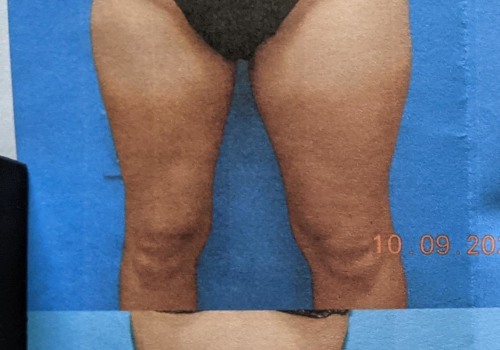
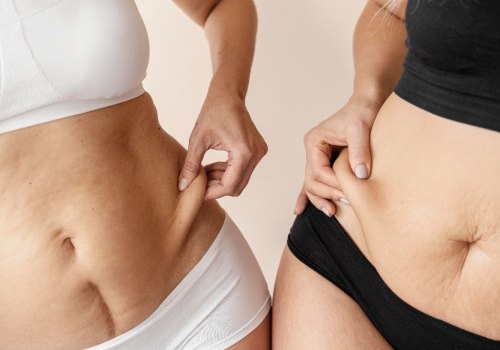
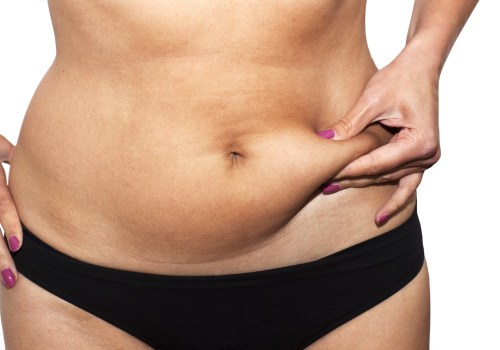
Liposuction has emerged as a popular cosmetic procedure, particularly among individuals seeking to reshape their bodies and enhance their self-esteem. For plus-size patients, the interest in liposuction is growing, as many are eager to explore options that can help them achieve their desired body contours. However, this enthusiasm often comes hand-in-hand with a myriad of questions and concerns regarding the suitability and safety of the procedure for those with higher body weights.Understanding the nuances of liposuction is crucial for plus-size patients. While it is indeed possible for individuals weighing 300 pounds or more to undergo liposuction, it is essential to consider various factors that can influence both the outcome and the overall safety of the procedure.
These factors include the patient's overall health, the specific areas targeted for fat removal, and the potential risks associated with surgery at a higher weight. Addressing these concerns is vital in ensuring that patients make informed decisions about their bodies.Moreover, the benefits of liposuction extend beyond mere aesthetics. For many plus-size individuals, achieving a more contoured figure can lead to improved mobility, enhanced confidence, and a greater willingness to engage in physical activities. However, it is equally important to acknowledge the risks involved.
Complications such as infection, scarring, and uneven results can occur, making it imperative for prospective patients to consult with qualified professionals who can provide tailored advice based on their unique circumstances.As we delve deeper into the world of liposuction for plus-size patients, we will explore not only the benefits and risks but also the essential considerations that should guide each individual's journey towards body transformation. By equipping ourselves with knowledge and understanding, we can navigate this complex landscape with confidence and clarity.
What is Liposuction?
Liposuction
is a popular cosmetic surgical procedure designed to remove excess fat from specific areas of the body. It is often sought by individuals who struggle with stubborn fat deposits that do not respond to diet and exercise. While liposuction is not a weight-loss solution, it can significantly enhance body contours and improve overall appearance.The liposuction procedure typically involves the use of a thin tube called a cannula, which is inserted through small incisions in the skin.
The surgeon then uses this cannula to suction out fat from targeted areas. The procedure can be performed under local or general anaesthesia, depending on the extent of fat removal and the patient's comfort level.There are several types of liposuction , each with its unique techniques and benefits:
- Tumescent Liposuction: This is the most common technique, where a solution containing saline, anaesthetic, and epinephrine is injected into the fatty tissue before fat removal. This method helps to minimise bleeding and pain.
- Ultrasound-Assisted Liposuction (UAL): This technique uses ultrasound waves to liquefy fat cells before they are suctioned out. It is particularly effective for fibrous areas of the body, such as the back or male breast tissue.
- Laser-Assisted Liposuction (LAL): In this method, laser energy is used to melt fat cells, making them easier to remove.
This technique can also promote skin tightening due to the heat generated by the laser.
- Suction-Assisted Liposuction (SAL): This traditional method relies solely on suction to remove fat without any additional techniques. It is effective but may require larger incisions compared to other methods.
Liposuction and Body Composition: What Plus-Size Patients Should Know
When considering liposuction, understanding body composition is crucial, especially for plus-size patients.Body composition refers to the proportion of fat, muscle, and other tissues in the body. This composition can significantly influence not only the candidacy for liposuction but also the outcomes of the procedure.One of the primary factors to consider is fat distribution. In plus-size individuals, fat can accumulate in various areas, such as the abdomen, thighs, arms, and back. This distribution pattern can affect how effective liposuction will be.
For instance, patients with localized fat deposits may see more dramatic results compared to those with a more generalized distribution of fat.Moreover, the quality of the skin and underlying tissues plays a vital role in determining candidacy. Patients with good skin elasticity may experience better contouring results post-surgery. Conversely, those with loose or sagging skin may not achieve the desired aesthetic outcomes, as liposuction does not address skin laxity.It’s also essential to consider overall health and weight stability. While liposuction can be performed on individuals with higher body weights, candidates should ideally be within a certain range of their target weight and maintain a stable weight for at least six months prior to surgery.
This stability helps ensure that the results are long-lasting and that patients are committed to a healthier lifestyle post-procedure.Additionally, potential candidates should engage in discussions with their surgeon about their specific body composition. A thorough assessment will help determine if liposuction is appropriate or if alternative methods might be more beneficial. For example, some patients may benefit from a combination of liposuction and other procedures like tummy tucks or body lifts to achieve optimal results.In summary, understanding how body composition affects candidacy for liposuction is vital for plus-size patients. By considering factors such as fat distribution patterns, skin quality, and overall health, individuals can make informed decisions about their surgical options and set realistic expectations for their outcomes.
Eligibility Criteria for Plus-Size Patients Considering Liposuction
When considering liposuction, particularly for plus-size patients, it is crucial to understand the eligibility criteria that determine whether an individual is a suitable candidate for the procedure.These criteria encompass a range of medical and physical factors that must be evaluated during a comprehensive consultation with a qualified plastic surgeon.
1.Body Mass Index (BMI)
The Body Mass Index (BMI) is a key indicator used to assess whether a patient falls within a healthy weight range. While there is no strict BMI limit for liposuction, most surgeons prefer candidates with a BMI under 40. This is because higher BMI levels can increase the risk of complications during and after surgery. However, some surgeons may consider patients with a BMI above 40 on a case-by-case basis, depending on their overall health and specific body composition.
2.Overall Health Status
Before undergoing liposuction, it is essential for patients to be in good overall health.
This includes having stable medical conditions, such as diabetes or hypertension, under control. A thorough medical evaluation will typically involve:
- A review of medical history
- Blood tests to assess liver and kidney function
- Cardiovascular assessments to ensure heart health
3.Skin Elasticity
The condition of the skin plays a significant role in determining candidacy for liposuction. Patients with good skin elasticity are more likely to achieve satisfactory results post-surgery, as their skin can better conform to the new body contours. Conversely, those with poor skin elasticity may experience sagging or loose skin after fat removal, which could necessitate additional procedures such as skin tightening.
4.Realistic Expectations
It is vital for candidates to have realistic expectations regarding the outcomes of liposuction.
While the procedure can significantly enhance body shape and contour, it is not a weight-loss solution or a substitute for healthy lifestyle changes. Patients should aim for a stable weight before considering surgery and understand that maintaining results requires ongoing commitment to diet and exercise.
5.Psychological Readiness
Finally, psychological readiness is an often-overlooked aspect of eligibility for liposuction. Candidates should be mentally prepared for the changes that come with surgery and have a positive body image. A pre-operative consultation may include discussions about emotional well-being and support systems in place post-surgery.In conclusion, while many plus-size patients can be considered for liposuction, it is essential to undergo a thorough evaluation by a qualified surgeon who can assess individual circumstances and provide tailored advice based on health status, body composition, and personal goals.
Potential Risks and Complications of Liposuction for Plus-Size Patients
When considering liposuction, especially for plus-size patients, it is crucial to understand the potential risks and complications that may arise.While liposuction can be an effective method for body contouring, it is not without its challenges, particularly for individuals with higher body weights.One of the primary concerns is the increased risk of surgical complications. Plus-size patients may face a higher likelihood of issues such as:
- Infection: The risk of infection can be elevated due to the larger surface area of skin and potential for more extensive incisions.
- Delayed Healing: Healing times may be prolonged, which can lead to complications such as seromas (fluid accumulation) or hematomas (blood clots).
- Anesthesia Risks: Patients with higher body mass may experience complications related to anesthesia, including respiratory issues or adverse reactions.
- Blood Clots: The risk of deep vein thrombosis (DVT) increases with weight, which can lead to serious complications if not managed properly.
This can lead to dissatisfaction with the results and may necessitate additional corrective procedures.Additionally, psychological factors should not be overlooked. The emotional impact of undergoing surgery and the expectations surrounding the outcomes can lead to anxiety or disappointment if results do not meet personal goals.In conclusion, while liposuction can offer benefits for plus-size patients seeking body contouring, it is essential to weigh these potential risks and complications carefully. A thorough consultation with a qualified plastic surgeon who understands the unique challenges faced by plus-size individuals is vital for making an informed decision.
The Benefits of Liposuction for Plus-Size Individuals
Liposuction can offer a range of benefits for plus-size individuals, addressing both physical and psychological aspects of well-being. While the procedure is often viewed primarily as a cosmetic enhancement, its advantages extend far beyond mere aesthetics.Physical Benefits
- Targeted Fat Reduction: One of the most significant benefits of liposuction is its ability to remove stubborn fat deposits that may not respond to diet and exercise.
This targeted approach allows for a more contoured body shape, which can be particularly beneficial for plus-size patients who struggle with specific areas of fat accumulation.
- Improved Mobility: Reducing excess weight through liposuction can lead to enhanced mobility and physical activity. Many patients report feeling lighter and more agile post-procedure, which can encourage a more active lifestyle.
- Health Improvements: Liposuction may contribute to better health outcomes by reducing the risk of obesity-related conditions such as diabetes, hypertension, and sleep apnea. While it is not a weight-loss solution, the removal of fat can lead to improvements in overall health metrics.
Psychological Benefits
- Enhanced Body Confidence: For many plus-size individuals, body image issues can significantly impact self-esteem. Liposuction can help reshape the body in a way that aligns more closely with personal aesthetic goals, leading to increased confidence and self-acceptance.
- Social Interactions: Improved body confidence often translates into more positive social interactions.
Patients frequently report feeling more comfortable in social settings, which can enhance their quality of life and relationships.
- Mental Health Improvements: The psychological benefits of feeling good about one’s appearance can also lead to reduced anxiety and depression levels. Many patients find that their mental health improves significantly after undergoing liposuction, as they feel empowered by their new look.
Preparing for Liposuction: What Plus-Size Patients Need to Know
Preparing for liposuction is a crucial step, especially for plus-size patients who may have unique considerations. Understanding the pre-operative guidelinespre-operative guidelines and the consultation process can significantly impact the outcome of the procedure.Consultation Process
The first step in your liposuction journey is scheduling a consultation with a board-certified plastic surgeon.
During this meeting, you will discuss your goals, medical history, and any concerns you may have. It’s essential to be open and honest about your health and lifestyle, as this information will help your surgeon tailor the procedure to your needs.
- Questions to Ask:
- What is your experience with liposuction in plus-size patients?
- What techniques do you recommend for my body type?
- What are the potential risks and complications?
- What can I realistically expect in terms of results?
Lifestyle Changes
In preparation for liposuction, making certain lifestyle adjustments can enhance your overall health and improve surgical outcomes. Consider the following:
- Nutrition: Focus on a balanced diet rich in fruits, vegetables, lean proteins, and whole grains. Reducing processed foods and sugars can help optimise your body for surgery.
- Exercise: While it may be challenging, incorporating regular physical activity can help improve your cardiovascular health and promote weight loss prior to surgery.
- Avoid Smoking: If you smoke, it’s advisable to quit at least four weeks before surgery.
Smoking can impede healing and increase the risk of complications.
What to Expect Before Surgery
As your surgery date approaches, you will likely undergo several pre-operative assessments. These may include blood tests, imaging studies, or consultations with other specialists if necessary. Your surgeon will provide specific instructions regarding medications to avoid, such as blood thinners, and guidelines on fasting before the procedure.Additionally, it’s wise to arrange for post-operative care. Having a trusted friend or family member available to assist you during recovery can make a significant difference in your experience.By taking these preparatory steps seriously, plus-size patients can approach their liposuction journey with confidence and clarity, setting the stage for a successful outcome.
The Recovery Process After Liposuction: A Guide for Plus-Size Patients
Recovering from liposuction is a crucial phase that significantly impacts the overall results of the procedure, especially for plus-size patients.Understanding what to expect during this time can help ease anxiety and promote a smoother healing process.
Initial Recovery Period
Immediately after the surgery, patients can expect to spend some time in a recovery room where medical staff will monitor vital signs and ensure that there are no immediate complications. Most patients are discharged on the same day, but it’s essential to have a trusted friend or family member available to assist with transportation and care at home.
Post-Operative Care
- Rest: It is vital to rest as much as possible during the first few days post-surgery. This allows your body to begin the healing process effectively.
- Compression Garments: Wearing a compression garment as advised by your surgeon is crucial. This helps reduce swelling and supports the newly contoured areas of your body.
- Pain Management: Patients may experience discomfort or pain, which can be managed with prescribed medications.
Over-the-counter pain relievers may also be recommended, but always consult your surgeon before taking any medication.
- Hydration and Nutrition: Staying hydrated and maintaining a balanced diet can aid in recovery. Focus on consuming nutrient-rich foods that promote healing.
Recovery Timeline
The recovery timeline can vary based on individual circumstances, including the extent of the procedure and personal health factors. Generally, here’s what you might expect:
- First Week: Swelling and bruising are most pronounced during this time. Patients should avoid strenuous activities and follow all post-operative instructions closely.
- Two to Four Weeks: Many patients begin to feel more like themselves, but it’s still important to avoid heavy lifting or intense exercise.
Follow-up appointments with your surgeon will typically occur during this period to monitor healing.
- One Month and Beyond: By this stage, most swelling should subside, and you’ll start to see the final results of your liposuction. However, complete healing may take several months, so patience is key.
Frequently Asked Questions About Liposuction for Plus-Size Patients
When considering liposuction, plus-size patients often have numerous questions and concerns. Addressing these can help demystify the procedure and provide clarity for those contemplating it.What is liposuction?
Liposuction is a cosmetic surgical procedure designed to remove excess fat from specific areas of the body.It is not a weight-loss solution but rather a body contouring technique that can enhance the shape and proportions of the body.
Can plus-size patients safely undergo liposuction?
Yes, many plus-size patients can safely undergo liposuction. However, safety depends on various factors, including overall health, the amount of fat to be removed, and the patient's ability to heal post-surgery. A thorough consultation with a qualified plastic surgeon is essential to assess individual circumstances.What are the risks associated with liposuction for plus-size patients?
As with any surgical procedure, there are risks involved. For plus-size patients, potential risks may include:- Infection: As with any surgery, there is a risk of infection at the incision sites.
- Blood clots: Patients may be at a higher risk for blood clots, especially if they have limited mobility post-surgery.
- Fluid accumulation: This can occur in the areas where fat was removed, requiring additional treatment.
- Uneven results: There is a possibility of uneven contours or skin irregularities if too much fat is removed or if healing does not proceed as expected.
How much fat can be safely removed during liposuction?
The amount of fat that can be safely removed varies by individual.Generally, surgeons recommend that no more than 5 litres (approximately 11 pounds) of fat be removed in a single session to minimise risks. For plus-size patients, multiple sessions may be necessary to achieve desired results while ensuring safety.
Will liposuction help with weight loss?
Liposuction is not intended as a weight-loss method. While it can remove stubborn fat deposits, it does not address underlying issues related to weight management. Patients should maintain realistic expectations and consider liposuction as part of a broader lifestyle change that includes diet and exercise.What should I expect during recovery?
Recovery times can vary based on individual health and the extent of the procedure.Generally, patients may experience swelling, bruising, and discomfort in the treated areas. It’s crucial to follow post-operative care instructions provided by your surgeon to ensure optimal healing.If you have further questions or concerns about liposuction, consult with a board-certified plastic surgeon who has experience working with plus-size patients. They can provide tailored advice and help you make an informed decision about your options.
Conclusion: Making an Informed Decision About Liposuction
In conclusion, the decision to undergo liposuction is a significant one, particularly for plus-size patients. Throughout this article, we have explored various aspects of the procedure, including its suitability for individuals with higher body weights, the importance of realistic expectations, and the necessity of thorough consultations with qualified professionals.It is essential to remember that while liposuction can effectively remove stubborn fat deposits and enhance body contours, it is not a weight-loss solution.Instead, it should be viewed as a complementary procedure to a healthy lifestyle that includes balanced nutrition and regular exercise. For plus-size patients, achieving a stable weight prior to surgery can lead to better outcomes and reduce potential complications.Moreover, understanding the risks associated with liposuction is crucial. Patients should be aware of potential complications such as infection, scarring, and uneven results. Engaging in open discussions with your surgeon about these risks can help you make an informed choice.Additionally, it is vital to consider the emotional and psychological aspects of undergoing liposuction.
Many patients experience a boost in self-esteem and body image post-procedure; however, it is important to approach this change with a healthy mindset. Support from friends, family, or even professional counselling can be beneficial during this transformative time.Ultimately, making an informed decision about liposuction involves weighing the benefits against the risks while considering your personal health goals and circumstances. Take the time to research thoroughly, consult with experienced professionals, and reflect on your motivations for seeking this procedure. By doing so, you can ensure that your choice aligns with your long-term health and wellness objectives.