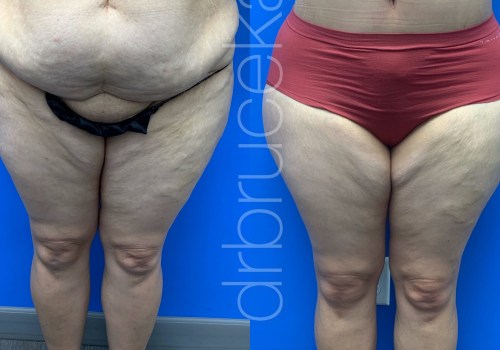
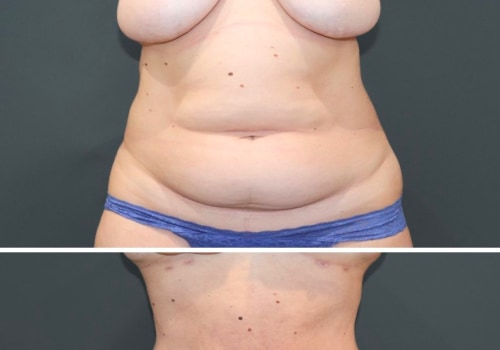
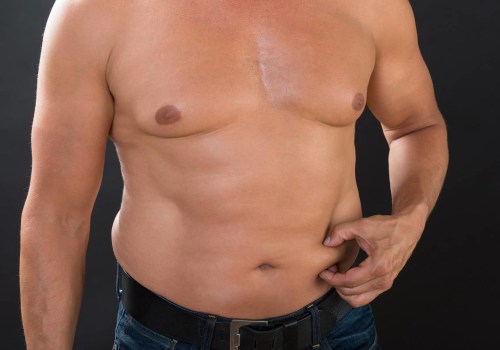
Liposuction has emerged as one of the most sought-after cosmetic procedures in recent years, captivating individuals who aspire to achieve a more sculpted physique. This popularity can be attributed to a variety of factors, including the increasing societal emphasis on body image, advancements in surgical techniques, and the growing acceptance of cosmetic surgery as a viable option for enhancing one’s appearance. As people become more aware of their options, liposuction stands out for its ability to target stubborn fat deposits that resist diet and exercise.The appeal of liposuction lies not only in its effectiveness but also in the relatively quick recovery time compared to other surgical procedures. Many patients report significant improvements in their body contours after just one session, making it an attractive choice for those looking to enhance their self-esteem and confidence.
Furthermore, the procedure can be tailored to meet individual needs, allowing for a personalised approach that addresses specific areas of concern, such as the abdomen, thighs, or arms.As cosmetic surgery trends continue to evolve, liposuction remains at the forefront due to its versatility and effectiveness. The procedure has expanded beyond traditional methods, incorporating innovative techniques such as tumescent liposuction and laser-assisted options that promise less trauma and quicker healing times. This evolution reflects a broader shift in the cosmetic surgery landscape, where patients are increasingly seeking minimally invasive solutions that deliver impressive results with reduced downtime.In this context, understanding the complexities and potential complications associated with liposuction is crucial. While the procedure offers numerous benefits, it is essential for prospective patients to be well-informed about the risks involved. Furthermore, the procedure can be tailored to meet individual needs, allowing for a personalised approach that addresses specific areas of concern, such as the abdomen, thighs, or arms.As cosmetic surgery trends continue to evolve, liposuction remains at the forefront due to its versatility and effectiveness. The procedure has expanded beyond traditional methods, incorporating innovative techniques such as tumescent liposuction and laser-assisted options that promise less trauma and quicker healing times. This evolution reflects a broader shift in the cosmetic surgery landscape, where patients are increasingly seeking minimally invasive solutions that deliver impressive results with reduced downtime.In this context, understanding the complexities and potential complications associated with liposuction is crucial. While the procedure offers numerous benefits, it is essential for prospective patients to be well-informed about the risks involved. and laser-assisted options that promise less trauma and quicker healing times. This evolution reflects a broader shift in the cosmetic surgery landscape, where patients are increasingly seeking minimally invasive solutions that deliver impressive results with reduced downtime.In this context, understanding the complexities and potential complications associated with liposuction is crucial. While the procedure offers numerous benefits, it is essential for prospective patients to be well-informed about the risks involved. Furthermore, the procedure can be tailored to meet individual needs, allowing for a personalised approach that addresses specific areas of concern, such as the abdomen, thighs, or arms.As cosmetic surgery trends continue to evolve, liposuction remains at the forefront due to its versatility and effectiveness. The procedure has expanded beyond traditional methods, incorporating innovative techniques such as tumescent liposuction and laser-assisted options that promise less trauma and quicker healing times. This evolution reflects a broader shift in the cosmetic surgery landscape, where patients are increasingly seeking minimally invasive solutions that deliver impressive results with reduced downtime.In this context, understanding the complexities and potential complications associated with liposuction is crucial. While the procedure offers numerous benefits, it is essential for prospective patients to be well-informed about the risks involved.
By doing so, individuals can make educated decisions about their bodies and ensure they are prepared for both the rewards and challenges that may accompany their journey towards aesthetic enhancement.
What is Liposuction?
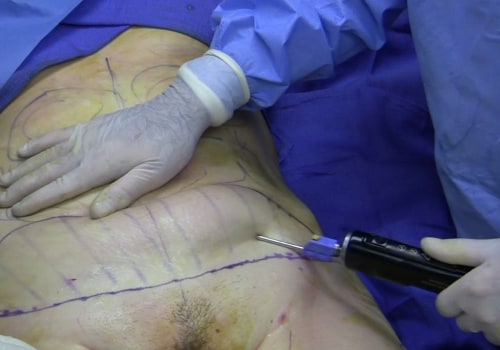
Liposuction is a cosmetic surgical procedure designed to remove excess fat deposits from specific areas of the body, resulting in a more contoured and sculpted appearance. This procedure is particularly popular among individuals who struggle with stubborn fat that does not respond to diet and exercise. It is essential to understand the intricacies of the liposuction process, including the various techniques employed, to appreciate its benefits and potential risks.The liposuction procedure typically begins with a consultation where the surgeon evaluates the patient's health, discusses their aesthetic goals, and determines the most suitable technique. The surgery itself involves making small incisions in the targeted areas, through which a thin tube called a cannula is inserted.This cannula is used to suction out fat cells from beneath the skin.
Types of Liposuction
There are several types of liposuction techniques, each with its unique advantages:- Tumescent Liposuction: This is one of the most common methods, where a solution containing saline, lidocaine, and epinephrine is injected into the fatty tissue before fat removal. This solution helps to numb the area and reduce bleeding, making the procedure safer and more comfortable.
- Ultrasonic Liposuction: This technique uses ultrasound energy to liquefy fat cells before they are removed. The ultrasonic waves break down the fat, making it easier to suction out. This method is particularly effective for fibrous areas of the body.
- Laser Liposuction: In this approach, laser energy is used to melt fat cells before extraction.
The heat from the laser also promotes skin tightening, which can enhance overall results. Laser liposuction is often associated with less bruising and swelling compared to traditional methods.
Common Complications of Liposuction
Liposuction, while widely regarded as a safe and effective method for body contouring, is not without its potential complications.Understanding these risks is crucial for anyone considering the procedure. Below, we explore some of the most common complications associated with liposuction.
Contour Deformities
One of the most frequently reported complications of liposuction is contour deformity. This occurs when the skin does not heal evenly after fat removal, leading to irregularities such as depressions, elevations, or folds in the skin. Studies suggest that contour deformities can affect up to 9% of patients undergoing liposuction.To mitigate this risk, surgeons often recommend using smaller cannulas and employing techniques that promote even fat distribution.
Seromas
Seromas
are another potential complication, characterised by the accumulation of serous fluid in the surgical area. This can occur due to damage to lymphatic vessels during the procedure. The incidence of seromas can be reduced significantly—by as much as 7%—when surgeons implement progressive tension sutures. These sutures help to close off spaces where fluid might accumulate, promoting better healing.
Hematomas
Hematomas
, or collections of blood outside of blood vessels, can also arise following liposuction.
They may occur if blood vessels are inadvertently damaged during the procedure. While hematomas can be uncomfortable and may require drainage, they are generally manageable with proper post-operative care. The occurrence rate for hematomas is relatively low but varies based on individual patient factors and surgical technique.
Deep Vein Thrombosis (DVT)
A more serious complication associated with liposuction is deep vein thrombosis (DVT)deep vein thrombosis (DVT). This condition arises when a blood clot forms in a deep vein, typically in the legs.If a clot dislodges and travels to the lungs, it can lead to a life-threatening pulmonary embolism. Although DVT is rare in liposuction patients, its risk increases with larger volumes of fat removal and prolonged immobility post-surgery. Preventative measures such as early mobilisation and compression garments are often recommended to reduce this risk.In summary, while liposuction can yield significant aesthetic benefits, it is essential for prospective patients to be aware of these common complications. Consulting with a qualified surgeon who can provide tailored advice and strategies for minimising risks is vital for achieving optimal outcomes.
Understanding Contour Deformities
Contour deformities are one of the most significant concerns for individuals considering liposuction.These deformities can manifest as irregularities in the skin's surface, leading to an uneven appearance post-procedure. Understanding the nature of these deformities, their causes, and how to prevent them is crucial for anyone contemplating this cosmetic surgery.
What Are Contour Deformities?
Contour deformities refer to the aesthetic irregularities that can occur after liposuction. They may present as:
- Depressions: Areas where the skin appears sunken or hollow.
- Elevations: Bulges or lumps that disrupt the smoothness of the treated area.
- Wrinkles: Excess skin that folds or creases due to uneven fat removal.
- Skin Panicles: Loose skin that hangs or drapes in an unflattering manner.
How Do Contour Deformities Occur?
Contour deformities often arise from:
- Inadequate Technique: The use of larger cannulas or improper suction techniques can lead to uneven fat removal.
- Overcorrection: Removing too much fat from a specific area can create depressions.
- Skin Elasticity: Patients with less elastic skin may experience more pronounced deformities as their skin struggles to conform to the new contours.
- Surgical Experience: A less experienced surgeon may not adequately assess the patient's anatomy, leading to uneven results.
Preventing Contour Deformities
While contour deformities can be a concern, there are several strategies that both patients and surgeons can employ to minimise their risk:
- Select an Experienced Surgeon: Choose a board-certified plastic surgeon with extensive experience in liposuction techniques.
- Use Smaller Cannulas: Smaller cannulas allow for more precise fat removal and can help maintain smoother contours.
- Avoid Overcorrection: Surgeons should aim for a conservative approach, leaving some fat intact to ensure a more natural appearance.
- Post-Operative Care: Following post-operative instructions diligently can aid in proper healing and reduce complications.
Rare but Serious Complications
Liposuction is often perceived as a straightforward cosmetic procedure aimed at enhancing body contours. However, it is crucial to acknowledge that, like any surgical intervention, it carries the risk of serious complications, albeit rare.Understanding these potential risks is essential for anyone considering liposuction.One of the most concerning complications associated with liposuction is deep vein thrombosis (DVT). DVT occurs when a blood clot forms in a deep vein, typically in the legs. This condition can be particularly dangerous as the clot may dislodge and travel to the lungs, resulting in a pulmonary embolism, which can be life-threatening. The risk of DVT is heightened in patients who have limited mobility during the recovery period following surgery.
To mitigate this risk, surgeons often recommend early mobilization and may prescribe blood thinners or compression stockings.Another serious complication that can arise from liposuction is fat embolism syndrome. This occurs when fat globules enter the bloodstream and obstruct blood vessels, potentially leading to respiratory distress or neurological issues. Although this complication is exceedingly rare, it underscores the importance of choosing an experienced surgeon who employs safe techniques to minimise such risks.
Infection
is another potential complication that, while not exclusive to liposuction, can have serious consequences if it occurs. Post-operative infections can lead to prolonged recovery times and may require additional treatments or surgeries.
Patients should be vigilant for signs of infection, such as increased redness, swelling, or discharge at the incision sites.Moreover, seromas , which are fluid collections that can develop post-surgery, may also pose complications. While generally not life-threatening, they can cause discomfort and may require drainage if they persist. Surgeons often take preventive measures to reduce the likelihood of seromas by employing techniques such as progressive tension sutures.In conclusion, while liposuction can yield significant aesthetic benefits, it is imperative for prospective patients to be aware of these rare but serious complications. Engaging in thorough discussions with a qualified surgeon about individual risks and preventive strategies can help ensure a safer surgical experience.
Factors Influencing Complication Rates
When considering liposuction, it is crucial to understand the various factors that can influence the likelihood of complications.These factors can range from the experience of the surgeon to the overall health of the patient, including their body mass index (BMI) and any pre-existing medical conditions.
Surgeon Experience
The skill and experience of the surgeon performing the liposuction procedure play a significant role in determining the risk of complications. A highly experienced surgeon is more likely to be familiar with various techniques and potential pitfalls, which can lead to better outcomes. Studies have shown that surgeons who perform a higher volume of liposuction procedures tend to have lower complication rates. This is often attributed to their refined skills and ability to handle unexpected situations during surgery.Patient Health Factors
In addition to the surgeon's expertise, the patient's health status is a critical factor in assessing risk.Patients with a higher BMI may face increased risks during liposuction due to factors such as poor circulation, which can lead to complications like deep vein thrombosis. Furthermore, individuals with underlying health issues such as diabetes, heart disease, or respiratory problems may also be at a higher risk for complications. It is essential for patients to undergo a thorough pre-operative assessment, allowing surgeons to evaluate their overall health and tailor the procedure accordingly.
Technique Used
The specific technique employed during liposuction can also impact complication rates. For instance, tumescent liposuction, which involves injecting a solution into the fatty tissue before removal, has been associated with fewer complications compared to traditional methods.Additionally, newer technologies such as Vaser or laser-assisted liposuction may offer advantages in terms of precision and reduced trauma to surrounding tissues, potentially lowering the risk of complications.Ultimately, understanding these factors is vital for anyone considering liposuction. By choosing a qualified surgeon and being aware of personal health considerations, patients can significantly reduce their risk of complications and enhance their chances of achieving satisfactory results.
Post-Operative Care and Recovery
Recovering from liposuction is a critical phase that can significantly influence the overall results of the procedure. Proper post-operative care is essential not only for aesthetic outcomes but also for minimising the risk of complications. Here are some vital recovery tips and guidelines to ensure a smooth healing process.Follow Your Surgeon’s Instructions
Your surgeon will provide specific post-operative instructions tailored to your individual needs.It is crucial to adhere to these guidelines closely, as they are designed to promote healing and reduce the risk of complications. This may include advice on medication, activity levels, and follow-up appointments.
Manage Pain and Discomfort
It is common to experience some level of pain or discomfort following liposuction. Your surgeon may prescribe pain relief medication or recommend over-the-counter options. Ensure you take these medications as directed, and do not hesitate to contact your healthcare provider if the pain becomes unmanageable.Wear Compression Garments
Wearing compression garments as advised by your surgeon is vital for recovery.These garments help reduce swelling, support the healing tissues, and improve skin retraction. Typically, you will need to wear them for several weeks post-surgery, but your surgeon will provide specific timelines based on your individual case.
Stay Hydrated and Maintain a Healthy Diet
Proper nutrition plays a significant role in recovery. Focus on consuming a balanced diet rich in vitamins and minerals to support healing. Staying hydrated is equally important; aim to drink plenty of water throughout the day.Avoid alcohol and excessive caffeine, as these can hinder the healing process.
Gradually Resume Activities
While it’s essential to rest during the initial recovery period, gradually resuming light activities can aid in circulation and overall recovery. However, avoid strenuous exercise or heavy lifting for at least four to six weeks, or as advised by your surgeon. Listen to your body; if you experience pain or discomfort, it may be a sign that you need more time to heal.Monitor for Complications
Be vigilant about monitoring your recovery for any signs of complications such as excessive swelling, unusual pain, or signs of infection (like fever or increased redness around the incision sites). If you notice any concerning symptoms, contact your healthcare provider immediately.In conclusion, effective post-operative care following liposuction is paramount for achieving optimal results and ensuring a smooth recovery process.By following your surgeon's advice, managing discomfort appropriately, maintaining a healthy lifestyle, and being aware of potential complications, you can significantly enhance your recovery experience.
Alternatives to Liposuction
For individuals seeking to enhance their body contours without undergoing traditional liposuction, there are several viable alternatives available. These options cater to various needs and preferences, allowing patients to choose a method that aligns with their aesthetic goals and comfort levels.Aqualyx Treatment
One of the most notable non-surgical alternatives is Aqualyx. This injectable treatment is designed to target and dissolve localised fat deposits. Aqualyx contains a compound that mimics the body’s natural fat-dissolving processes, making it effective for areas such as the abdomen, thighs, and arms.The procedure involves multiple injections into the fatty tissue, which can lead to a gradual reduction in fat over several weeks.Aqualyx is particularly suitable for individuals who have stubborn pockets of fat that are resistant to diet and exercise. It is important to note that while Aqualyx can effectively reduce fat in specific areas, it is not intended for significant weight loss or for treating obesity. Patients should have realistic expectations regarding the results, which typically become visible after a few sessions.
Cryolipolysis
Another popular non-invasive option is cryolipolysis , commonly known as CoolSculpting. This technique uses controlled cooling to freeze and destroy fat cells without harming surrounding tissues.The body then naturally eliminates these dead cells over time. Cryolipolysis is ideal for those looking to target specific areas such as love handles, double chins, or back fat.The procedure is relatively quick, often taking about an hour per treatment area, and requires no downtime, allowing patients to resume their daily activities immediately. However, multiple sessions may be necessary to achieve optimal results.
Radiofrequency and Ultrasound Treatments
Other non-surgical methods include radiofrequency and ultrasound treatments. These techniques work by using energy waves to heat the underlying fat layers, promoting fat cell destruction while tightening the skin.They are particularly effective for patients who desire both fat reduction and skin tightening in one treatment.While these alternatives can provide satisfactory results, it is crucial for patients to consult with a qualified practitioner who can assess their individual needs and recommend the most appropriate treatment plan. Each method has its own set of benefits and limitations, making professional guidance essential for achieving desired outcomes.In conclusion, while traditional liposuction remains a popular choice for body contouring, non-surgical alternatives like Aqualyx, cryolipolysis, and energy-based treatments offer effective solutions for those seeking less invasive options. By exploring these alternatives, patients can find a method that best suits their lifestyle and aesthetic goals.
Choosing the Right Surgeon for Liposuction
Choosing the right surgeon for liposuction is a critical step in ensuring a successful outcome and minimising potential complications. The qualifications and experience of your surgeon can significantly impact both the safety of the procedure and the aesthetic results.Here are some essential tips to guide you in selecting a qualified surgeon.
1.Verify Credentials
- Ensure that the surgeon is board-certified in plastic surgery. This certification indicates that they have undergone rigorous training and adhere to high standards of practice.
- Check if the surgeon is a member of reputable professional organisations, such as the British Association of Aesthetic Plastic Surgeons (BAAPS) or the American Society of Plastic Surgeons (ASPS).
- Look for any additional certifications or training specific to liposuction techniques, which can indicate a higher level of expertise.
2.Experience Matters
- Inquire about the surgeon's experience with liposuction. Ask how many procedures they have performed and their specific success rates.
- Request to see before-and-after photos of previous patients to assess their aesthetic style and results.
- Consider whether the surgeon has experience with the specific type of liposuction you are interested in, such as tumescent or Vaser liposuction.
3.Consultation Questions
During your initial consultation, it’s vital to ask pertinent questions that can help you gauge the surgeon's suitability:
- What is your approach to minimising complications during liposuction?
- Can you explain the recovery process and what I should expect post-surgery?
- How do you handle complications if they arise?
- What are your policies regarding follow-up care?
- Can you provide references from past patients?
4.Trust Your Instincts
Your comfort level with the surgeon is paramount. Pay attention to how they communicate and whether they take the time to address your concerns thoroughly.
A good surgeon will not only be knowledgeable but also empathetic, ensuring that you feel supported throughout your journey.
5.Research Reviews and Testimonials
Look for online reviews and testimonials from previous patients. Websites like RealSelf or Trustpilot can provide insights into other patients' experiences, helping you make an informed decision.Selecting a qualified surgeon for liposuction requires careful consideration and research. By following these guidelines, you can enhance your chances of achieving a safe procedure with satisfying results.
<strong>Conclusion</strong>
In summary, while liposuction is a widely sought-after cosmetic procedure that can significantly enhance body contours, it is essential to approach it with a comprehensive understanding of the potential complications involved. The risks associated with liposuction, although generally low when performed by a qualified surgeon, should not be underestimated.Patients must be well-informed about the possibility of complications such as deep vein thrombosis, contour deformities, seromas, and hematomas.Choosing a skilled and experienced surgeon is paramount. A surgeon's expertise can greatly influence the outcome of the procedure and the likelihood of complications. It is advisable to conduct thorough research, read reviews, and consult with multiple professionals before making a decision. During consultations, patients should feel empowered to ask questions regarding the surgeon's experience, the techniques they employ, and their approach to managing potential complications.Moreover, understanding the recovery process is crucial.
Post-operative care plays a significant role in minimising risks and ensuring optimal healing. Adhering to the surgeon's instructions regarding activity levels, wound care, and follow-up appointments can significantly impact recovery outcomes.It is also important for prospective patients to have realistic expectations about the results of liposuction. While it can effectively remove stubborn fat deposits, it is not a weight-loss solution or a substitute for a healthy lifestyle. Maintaining a balanced diet and regular exercise post-procedure is vital for sustaining results.Ultimately, liposuction can be a transformative experience for many individuals seeking to improve their body image.
However, being aware of the associated risks and taking proactive steps to mitigate them can lead to safer outcomes and greater satisfaction with the results. By prioritising safety and informed decision-making, patients can navigate their liposuction journey with confidence.