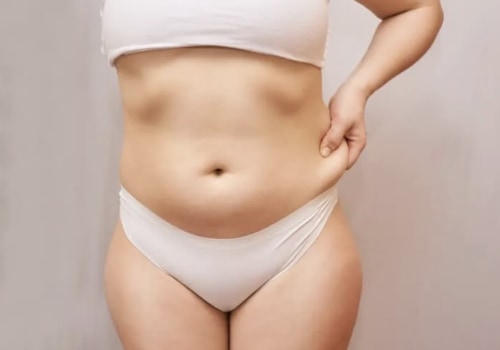
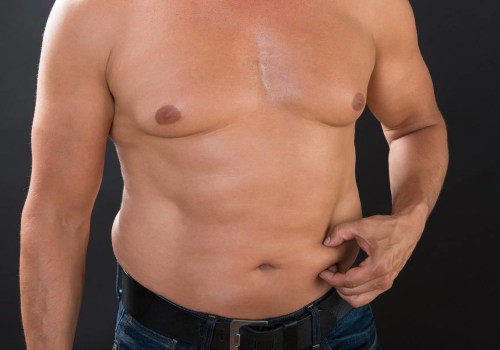
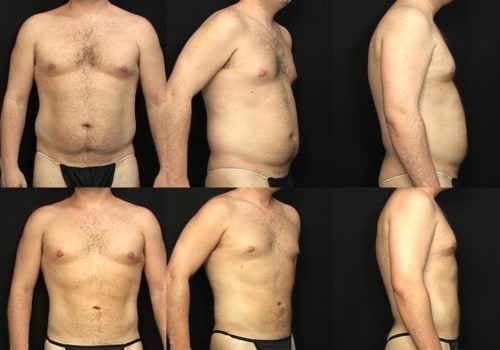
Liposuction is a widely sought-after cosmetic procedure designed to remove excess fat from specific areas of the body, helping individuals achieve a more contoured and sculpted appearance. This surgical technique has gained immense popularity over the years, not only for its effectiveness but also for its ability to enhance self-esteem and body confidence. As people increasingly seek solutions to stubborn fat deposits that resist diet and exercise, liposuction has emerged as a viable option for many.The primary goal of liposuction is to target localized fat deposits, which can occur in various regions such as the abdomen, thighs, buttocks, arms, and neck. By employing different techniques, surgeons can effectively remove fat cells, resulting in smoother body contours.
The procedure typically involves the use of a cannula—a thin tube—that is inserted through small incisions in the skin. This cannula is used to suction out the unwanted fat, allowing for precise sculpting of the treated areas.There are several types of liposuction techniques available today, each with its unique advantages and considerations. The most common method is tumescent liposuction, which involves injecting a solution containing local anaesthetic and epinephrine into the treatment area. This technique not only minimizes discomfort during the procedure but also reduces bleeding and swelling post-operation.
Other methods include ultrasound-assisted liposuction (UAL) and laser-assisted liposuction (LAL), which utilize energy to liquefy fat before removal. While these advanced techniques may offer certain benefits, they also come with their own set of risks that must be carefully evaluated.As we delve deeper into the various liposuction procedures available, it is essential to understand both their effectiveness and safety profiles. Choosing the right type of liposuction depends on individual goals, body type, and the expertise of the surgeon performing the procedure. With proper research and consultation, patients can make informed decisions that align with their aesthetic aspirations.Other methods include ultrasound-assisted liposuction (UAL) and laser-assisted liposuction (LAL), which utilize energy to liquefy fat before removal. While these advanced techniques may offer certain benefits, they also come with their own set of risks that must be carefully evaluated.As we delve deeper into the various liposuction procedures available, it is essential to understand both their effectiveness and safety profiles. Choosing the right type of liposuction depends on individual goals, body type, and the expertise of the surgeon performing the procedure. With proper research and consultation, patients can make informed decisions that align with their aesthetic aspirations.
The Evolution of Liposuction Techniques
The journey of liposuction techniques has been marked by significant advancements since its inception, evolving from rudimentary methods to sophisticated procedures that prioritise patient safety and aesthetic outcomes.The history of liposuction can be traced back to the 1920s when the first attempts at fat removal were made using a technique called "suction lipectomy." However, these early methods were fraught with complications and often resulted in severe side effects.In the 1970s, a pivotal moment occurred with the introduction of the tumescent technique by Dr. Jeffrey Klein. This method involved injecting a solution containing local anaesthetic and epinephrine into the fatty tissue before suctioning it out. This innovation not only reduced pain and bleeding but also allowed for a more precise fat removal process.
The tumescent technique quickly became the gold standard in liposuction, significantly improving patient comfort and recovery times.As technology progressed, further advancements emerged. The introduction of ultrasound-assisted liposuction (UAL) in the 1980s represented another leap forward. This technique utilised ultrasound energy to liquefy fat cells before they were removed, making the procedure less invasive and allowing for larger volumes of fat to be extracted safely.In recent years, laser-assisted liposuction has gained popularity. This method employs laser technology to melt fat, which is then suctioned out.
While it offers benefits such as reduced bruising and swelling, it also carries risks, including thermal injuries to the skin. Therefore, careful consideration and skilled execution are paramount.The latest innovation in liposuction is the SafeLipo technique, which combines traditional tumescent methods with advanced safety measures. This approach utilises a vibrating cannula that breaks up fat cells while minimising trauma to surrounding tissues, resulting in smoother contours and fewer irregularities.Overall, the evolution of liposuction techniques reflects a commitment to enhancing safety and effectiveness. As we look to the future, ongoing research and technological advancements will likely continue to refine these procedures, ensuring that patients receive optimal care and results.
Tumescent Liposuction: The Gold Standard
Tumescent liposuction has emerged as the gold standard in the realm of cosmetic surgery, particularly for those seeking to eliminate stubborn fat deposits.This innovative technique revolutionises traditional liposuction by incorporating a unique approach that enhances both safety and effectiveness.At its core, tumescent liposuction involves the injection of a specially formulated solution into the targeted areas of fat. This solution typically contains a local anaesthetic, epinephrine, and saline. The local anaesthetic ensures that patients experience minimal discomfort during the procedure, while epinephrine serves to constrict blood vessels, significantly reducing blood loss and bruising.One of the primary benefits of tumescent liposuction is its ability to provide a more comfortable experience for patients. Unlike traditional methods that often require general anaesthesia, tumescent liposuction can be performed under local anaesthesia, allowing patients to remain awake and alert throughout the procedure.
This not only reduces the risks associated with general anaesthesia but also shortens recovery time.Moreover, the tumescent technique allows for greater precision in fat removal. The injected solution causes the fat cells to swell, making them easier to target and extract. This results in smoother contours and a more aesthetically pleasing outcome. Additionally, because the procedure is less invasive, patients typically experience less swelling and bruising compared to other forms of liposuction.Another significant advantage is the reduced risk of complications.
The use of local anaesthesia and the careful control of fluid levels during the procedure contribute to a lower incidence of adverse effects. Patients can often return to their normal activities within a few days, making it an appealing option for those with busy lifestyles.In summary, tumescent liposuction stands out as a safe and effective method for body contouring. Its combination of local anaesthesia, reduced blood loss, and enhanced precision makes it a preferred choice among both surgeons and patients alike. For anyone considering liposuction, understanding the benefits of this technique is crucial in making an informed decision about their cosmetic journey.
VASER Liposuction: Pros and Cons
VASER liposuction, which stands for Vibration Amplification of Sound Energy at Resonance , is a modern technique that utilises ultrasound technology to break down fat cells.This method is designed to be less invasive than traditional liposuction, offering a more refined approach to body contouring.One of the primary advantages of VASER liposuction is its ability to target specific areas of fat while preserving surrounding tissues, including blood vessels and nerves. This selective fat removal can lead to smoother results and a quicker recovery time compared to conventional methods. Additionally, the use of ultrasound energy allows for the emulsification of fat, making it easier to extract and reducing trauma to the surrounding areas.
Benefits of VASER Liposuction
- Minimally Invasive: The procedure typically requires only small incisions, which can lead to less scarring.
- Precision: Surgeons can sculpt the body with greater accuracy, allowing for enhanced definition in areas like the abdomen, arms, and thighs.
- Reduced Recovery Time: Many patients experience less downtime and can return to their daily activities sooner than with traditional liposuction.
- Less Pain: The technique often results in reduced post-operative discomfort due to its gentle approach.
Risks and Considerations
Despite its advantages, VASER liposuction is not without risks. Potential complications include:- Skin Irregularities: Some patients may experience uneven skin texture or contour irregularities if the procedure is not performed correctly.
- Burns or Thermal Injury: The ultrasound energy used in VASER can cause burns if not carefully managed by an experienced surgeon.
- Fluid Accumulation: Seromas, or pockets of fluid, may develop under the skin post-surgery, requiring additional treatment.
- Infection: As with any surgical procedure, there is a risk of infection at the incision sites.
Consulting with a qualified plastic surgeon who has experience in VASER techniques can help ensure that individuals make informed decisions tailored to their specific needs and goals.
Laser-Assisted Liposuction: A Modern Approach
Laser-assisted liposuction, often referred to as laser liposuction, represents a significant advancement in the field of cosmetic surgery. This technique employs laser energy to liquefy fat cells before they are removed from the body, offering a less invasive alternative to traditional liposuction methods.One of the primary distinctions between laser-assisted liposuction and conventional techniques lies in the mechanism of fat removal. In traditional liposuction, a cannula is used to physically suction out fat deposits. In contrast, laser liposuction utilises a laser fiber inserted through a small incision to target and melt fat cells.Laser-assisted liposuction, often referred to as laser liposuction, represents a significant advancement in the field of cosmetic surgery. This technique employs laser energy to liquefy fat cells before they are removed from the body, offering a less invasive alternative to traditional liposuction methods.One of the primary distinctions between laser-assisted liposuction and conventional techniques lies in the mechanism of fat removal. In traditional liposuction, a cannula is used to physically suction out fat deposits. In contrast, laser liposuction utilises a laser fiber inserted through a small incision to target and melt fat cells.This process not only facilitates easier extraction but also promotes skin tightening due to the heat generated by the laser, which stimulates collagen production.
Effectiveness of Laser-Assisted Liposuction
The effectiveness of laser-assisted liposuction can be attributed to its dual action: fat reduction and skin tightening. Many patients report satisfactory results with improved skin texture and contour following the procedure. Additionally, the recovery time is often shorter compared to traditional methods, as the procedure is less traumatic to surrounding tissues.Potential Risks and Complications
Despite its advantages, laser-assisted liposuction is not without risks. Some potential complications include:- Thermal Injury: The heat from the laser can cause burns or damage to the skin if not applied correctly.
- Uneven Results: If the procedure is not performed by an experienced surgeon, there may be uneven fat removal, leading to irregular contours.
- Scarring: Although incisions are small, there is still a risk of scarring at the entry points.
- Infection: As with any surgical procedure, there is a risk of infection at the incision sites.
A thorough consultation can help set realistic expectations and ensure that patients are fully informed about both the benefits and potential drawbacks of this modern approach to liposuction.
Advanced Techniques: SafeLipo and Beyond
In the realm of cosmetic surgery, the pursuit of safer and more effective liposuction techniques has led to the development of advanced methods such as SafeLipo. This innovative approach not only enhances the aesthetic results but also prioritises patient safety, making it a preferred choice among both surgeons and patients.What is SafeLipo?
SafeLipo is a technique that integrates the principles of traditional liposuction with modern advancements to create a more refined procedure. Unlike conventional methods that may lead to uneven fat removal and potential complications, SafeLipo focuses on preserving the integrity of surrounding tissues while effectively removing unwanted fat. This is achieved through a combination of tumescent liposuction and advanced cannula technology.
Key Features of SafeLipo
- Tumescent Technique: The use of a tumescent solution, which contains local anaesthetic and epinephrine, helps to minimise pain and bleeding during the procedure.
- Vibrating Cannula: The incorporation of a vibrating cannula allows for more precise fat removal.
This technology breaks up fat cells more efficiently, reducing trauma to surrounding tissues and leading to smoother results.
- Fat Preservation: SafeLipo aims to preserve healthy fat cells, which can be beneficial for future procedures or for maintaining a natural appearance post-surgery.
Benefits of Advanced Liposuction Techniques
The advancements in liposuction techniques, particularly with SafeLipo, offer numerous benefits:
- Reduced Recovery Time: Patients often experience quicker recovery periods due to less trauma inflicted on the body during the procedure.
- Minimised Risks: By utilising advanced technology and techniques, the risks associated with traditional liposuction are significantly lowered.
- Enhanced Aesthetic Outcomes: The precision offered by these methods leads to more natural-looking results, with fewer irregularities in skin texture.
Choosing the Right Surgeon for Your Liposuction Procedure
When considering liposuction, selecting the right plastic surgeon is crucial for ensuring both safety and optimal results. The qualifications and experience of your surgeon can significantly impact the outcome of your procedure. Here are some essential factors to consider when choosing a surgeon:- Board Certification: Ensure that your surgeon is board-certified in plastic surgery.
This certification indicates that they have undergone rigorous training and adhere to high standards of practice.
- Experience: Inquire about the surgeon's experience specifically with liposuction procedures. A surgeon who has performed numerous liposuction surgeries is likely to have refined their techniques and can better handle any complications that may arise.
- Before and After Photos: Request to see before and after photos of previous patients. This will give you an idea of the surgeon's aesthetic style and the results you can expect.
- Hospital Privileges: Check if the surgeon has privileges at a reputable hospital. This is important as it reflects their standing in the medical community and ensures access to quality care if needed.
- What is your experience with liposuction?
- Can you explain the liposuction technique you recommend for me?
- What are the potential risks and complications associated with this procedure?
- How do you handle complications if they arise?
- What is the expected recovery time, and what post-operative care will I need?
Remember, a good surgeon will not only provide clear answers but will also take the time to address your concerns and ensure you feel comfortable throughout the process.Ultimately, choosing a qualified plastic surgeon for your liposuction procedure is a critical step towards achieving your desired results safely. Take your time in making this decision, as it can significantly influence both your satisfaction with the outcome and your overall experience.
Post-Operative Care: Ensuring a Smooth Recovery
Recovering from liposuction is a crucial phase that can significantly influence the final results of your procedure. Proper post-operative care not only aids in healing but also enhances your overall satisfaction with the outcome. Here are some essential tips to ensure a smooth recovery:1.Follow Your Surgeon’s Instructions
Your plastic surgeon will provide specific post-operative guidelines tailored to your individual needs.Adhering to these instructions is vital for a successful recovery. This may include advice on medication, activity levels, and follow-up appointments.
2.Manage Pain and Discomfort
It is common to experience some pain and discomfort after liposuction. Your surgeon may prescribe pain relief medication or recommend over-the-counter options. Ensure you take these medications as directed to manage any discomfort effectively.3.Wear Compression Garments
Wearing compression garments as advised by your surgeon is essential.These garments help reduce swelling, support the healing tissues, and improve contouring results. Make sure to wear them for the recommended duration, typically several weeks post-surgery.
4.Stay Hydrated and Nourished
Proper nutrition plays a significant role in recovery. Focus on consuming a balanced diet rich in vitamins and minerals to support healing. Staying hydrated is equally important; aim for at least 8-10 glasses of water daily unless otherwise directed by your doctor.5.Gradually Resume Activities
While it’s important to rest, gradually resuming light activities can aid in recovery.Start with short walks to promote circulation but avoid strenuous exercise or heavy lifting for at least a few weeks, as advised by your surgeon.
6.Monitor for Complications
Be vigilant for any signs of complications such as excessive swelling, unusual pain, or infection (e.g., fever, redness). If you notice any concerning symptoms, contact your surgeon immediately for guidance.7.Attend Follow-Up Appointments
Regular follow-up appointments are crucial for monitoring your recovery progress. These visits allow your surgeon to assess healing and address any concerns you may have.In conclusion, effective post-operative care is integral to achieving the best possible results from your liposuction. By following these tips and maintaining open communication with your healthcare provider, you can ensure a smoother recovery process and enjoy the benefits of your procedure.<strong>Conclusion</strong>: Making an Informed Decision About Liposuction
In conclusion, the journey through the various liposuction procedures reveals a landscape rich with options, each with its own set of benefits and risks.Understanding these differences is crucial for anyone considering this transformative cosmetic surgery. Throughout this article, we have explored the most prevalent techniques, including tumescent liposuction and advanced methods like SafeLipo, which prioritise safety and effectiveness.It is essential to recognise that while liposuction can yield remarkable results, it is not a one-size-fits-all solution. Each individual’s body is unique, and factors such as skin elasticity, fat distribution, and overall health must be taken into account when choosing the right procedure. Tumescent liposuction stands out as a leading option due to its minimally invasive nature and reduced recovery time.
However, advanced techniques like SafeLipo offer additional safety measures that can further enhance outcomes.When contemplating liposuction , potential patients should engage in thorough research and consultations with qualified plastic surgeons. This process should include:
- Assessing Qualifications: Ensure that the surgeon is board-certified and has extensive experience in performing the specific type of liposuction you are considering.
- Understanding Risks: Every procedure carries inherent risks; being informed about these can help you make a more educated decision.
- Setting Realistic Expectations: Discuss your goals openly with your surgeon to ensure that they align with what is achievable through the chosen method.