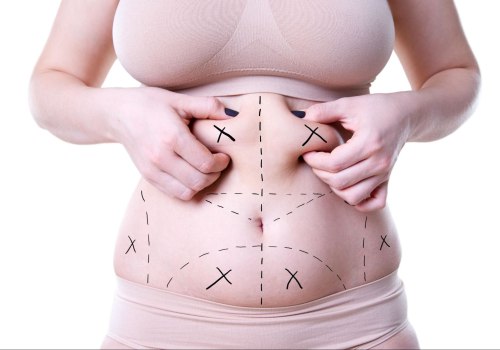
Liposuction is a widely sought-after cosmetic procedure that has transformed the lives of countless individuals seeking to enhance their body contours. This surgical technique is specifically designed to remove stubborn pockets of fat that often resist diet and exercise, allowing patients to achieve a more sculpted appearance. As society continues to place a high value on physical appearance, the popularity of liposuction has surged, making it one of the most frequently performed cosmetic surgeries worldwide.At its core, liposuction is not merely a weight-loss solution; rather, it serves as a body sculpting tool aimed at refining specific areas of the body. Common treatment areas include the abdomen, thighs, buttocks, arms, and neck.
The procedure involves the use of a thin tube called a cannula, which is inserted through small incisions in the skin to suction out excess fat. This targeted approach allows for precise contouring and can lead to significant improvements in body shape.Understanding the success rates associated with liposuction is crucial for anyone considering this procedure. While many patients report high satisfaction levels with their results, it is essential to have realistic expectations regarding what liposuction can achieve. Factors such as individual health, skin elasticity, and adherence to post-operative care can all influence outcomes.
Therefore, potential candidates should engage in thorough discussions with their board-certified plastic surgeon to ensure they are well-informed about the procedure and its implications.As we delve deeper into the topic of liposuction, we will explore its effectiveness, potential risks, and what patients can realistically expect from their journey. By shedding light on these aspects, we aim to provide a comprehensive understanding of liposuction and empower individuals to make informed decisions about their cosmetic goals.Therefore, potential candidates should engage in thorough discussions with their board-certified plastic surgeon to ensure they are well-informed about the procedure and its implications.As we delve deeper into the topic of liposuction, we will explore its effectiveness, potential risks, and what patients can realistically expect from their journey. By shedding light on these aspects, we aim to provide a comprehensive understanding of liposuction and empower individuals to make informed decisions about their cosmetic goals.
What is Liposuction?
Liposuction is a cosmetic surgical procedure designed to remove excess fat from specific areas of the body, enhancing the overall contour and shape. It is not intended as a weight-loss solution but rather as a method to target stubborn fat deposits that are resistant to diet and exercise. Understanding the intricacies of liposuction is essential for anyone considering this procedure.At its core, liposuction involves the use of a suction technique to extract fat from various parts of the body.The procedure typically begins with the administration of anaesthesia, which can be local or general, depending on the extent of the surgery and the areas being treated. Once the patient is adequately sedated, small incisions are made in the skin to allow for the insertion of a thin tube known as a cannula.The cannula is then used to break up and suction out the fat cells. This process can be performed using several different techniques, each with its own advantages:
- Tumescent Liposuction: This is one of the most common methods, where a solution containing saline, anaesthetic, and epinephrine is injected into the targeted area. This solution helps to numb the area and constrict blood vessels, reducing bleeding and swelling.
- Ultrasound-Assisted Liposuction (UAL): In this technique, ultrasound energy is used to liquefy fat cells before they are removed.
This method can be particularly effective for fibrous areas of fat.
- Laser-Assisted Liposuction (LAL): Similar to UAL, this technique uses laser energy to melt fat cells, making them easier to remove. It also promotes skin tightening due to the heat generated by the laser.
- Suction-Assisted Liposuction (SAL): This traditional method relies solely on suction to remove fat without any additional techniques or energy sources.
Liposuction Success Rates: The Facts
When considering liposuction, understanding the success rates and patient satisfaction statistics is crucial for setting realistic expectations.Research indicates that the overall success rate of liposuction is impressively high, with studies showing that over 90% of patients report satisfaction with their results. This statistic reflects not only the effectiveness of the procedure but also the transformative impact it can have on an individual’s self-esteem and body image.One significant factor influencing these success rates is the patient's pre-operative condition. Candidates who are close to their ideal body weight and possess localized fat deposits tend to experience better outcomes. According to a survey conducted by the American Society of Plastic Surgeons, approximately 70% of patients who underwent liposuction reported a noticeable improvement in their body contour, which contributed to their overall satisfaction.Moreover, the technique employed during the procedure plays a vital role in determining success rates. Research indicates that the overall success rate of liposuction is impressively high, with studies showing that over 90% of patients report satisfaction with their results. This statistic reflects not only the effectiveness of the procedure but also the transformative impact it can have on an individual’s self-esteem and body image.One significant factor influencing these success rates is the patient's pre-operative condition. Candidates who are close to their ideal body weight and possess localized fat deposits tend to experience better outcomes. According to a survey conducted by the American Society of Plastic Surgeons, approximately 70% of patients who underwent liposuction reported a noticeable improvement in their body contour, which contributed to their overall satisfaction.Moreover, the technique employed during the procedure plays a vital role in determining success rates.
Advanced methods such as tumescent liposuction and ultrasound-assisted liposuction have been shown to enhance fat removal while minimizing complications. These techniques allow for more precise sculpting, leading to smoother results and quicker recovery times.However, it is essential to acknowledge that individual factors can also affect the success of liposuction. Factors such as age, skin elasticity, and overall health can influence both the immediate results and long-term satisfaction. For instance, younger patients with good skin elasticity often achieve better results than older individuals whose skin may not retract as effectively after fat removal.In addition to physical factors, psychological readiness plays a crucial role in patient satisfaction.
Those who have realistic expectations about what liposuction can achieve are more likely to be pleased with their results. It is vital for potential candidates to engage in thorough consultations with their surgeons to discuss desired outcomes and understand the limitations of the procedure.In summary, while liposuction boasts high success rates and patient satisfaction levels, various factors can influence these outcomes. By understanding these elements, individuals can make informed decisions about whether this procedure aligns with their personal goals and expectations.
Who are the Best Candidates for Liposuction?
When considering liposuction, it is crucial to identify who the ideal candidates are for this transformative procedure. Understanding the characteristics of suitable candidates can help potential patients make informed decisions about their body contouring options.Health Considerations
- Overall Health: Candidates should be in good overall health, free from serious medical conditions that could complicate surgery or recovery.
Conditions such as heart disease, diabetes, or clotting disorders may disqualify individuals from undergoing liposuction.
- Stable Weight: Ideal candidates are typically within 30% of their target weight and have maintained a stable weight for at least six months. This stability is essential as liposuction is not a weight-loss solution but rather a body sculpting procedure.
- No Smoking: Smoking can impede healing and increase the risk of complications. Candidates are advised to quit smoking several weeks before the procedure and maintain a smoke-free lifestyle during recovery.
Body Types and Fat Distribution
- Localized Fat Deposits: The best candidates for liposuction often have specific areas of fat that are resistant to diet and exercise. Common areas include the abdomen, thighs, hips, and arms.
- Skin Elasticity: Good skin elasticity is vital for achieving optimal results.
Candidates with firm, elastic skin are more likely to experience smooth, contoured outcomes post-surgery.
- Aging Factors: While liposuction can benefit individuals of various ages, younger patients tend to have better skin elasticity, which can enhance the final results.
Psychological Readiness
- Realistic Expectations: Candidates should have realistic expectations regarding the results of liposuction. Understanding that it is not a substitute for weight loss but a method to enhance body shape is crucial.
- Mental Health: A positive mental state and motivation for undergoing the procedure can significantly impact recovery and satisfaction with the results.
What to Expect Before and After Liposuction
Preparing for liposuction involves several important steps that can significantly influence the outcome of the procedure and the recovery process. Understanding what to expect before and after liposuction is crucial for ensuring a smooth experience.Pre-Surgery Preparation
Before undergoing liposuction, patients should engage in thorough pre-operative preparations.Here are some key aspects to consider:
- Consultation with Your Surgeon: A detailed consultation with a board-certified plastic surgeon is essential. During this meeting, you will discuss your goals, medical history, and any medications you are currently taking.
- Medical Evaluation: Your surgeon may require a medical evaluation to ensure you are fit for surgery. This may include blood tests or imaging studies.
- Avoid Certain Medications: It is advisable to avoid blood thinners, such as aspirin and non-steroidal anti-inflammatory drugs (NSAIDs), at least two weeks prior to surgery to reduce the risk of excessive bleeding.
- Smoking Cessation: If you smoke, quitting at least four weeks before the procedure can enhance healing and reduce complications.
- Arranging Post-Operative Care: Plan for someone to assist you during the initial recovery period, as mobility may be limited.
Post-Surgery Care
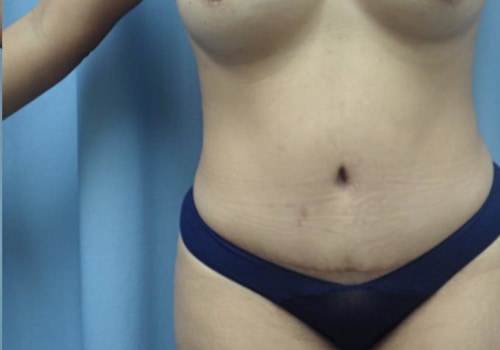
The recovery process after liposuction is just as important as the preparation leading up to it. Here’s what you can expect:- Initial Recovery: After the procedure, you will likely experience swelling, bruising, and discomfort in the treated areas.
These symptoms are normal and should gradually subside over time.
- Compression Garments: Wearing a compression garment as advised by your surgeon is crucial. This helps reduce swelling and supports the healing process.
- Follow-Up Appointments: Attend all scheduled follow-up appointments with your surgeon to monitor your recovery and address any concerns.
- Activity Restrictions: Avoid strenuous activities and heavy lifting for at least two weeks post-surgery. Gentle walking is encouraged to promote circulation.
- Hydration and Nutrition: Staying hydrated and maintaining a balanced diet can aid in recovery. Focus on consuming nutrient-rich foods that support healing.
Common Misconceptions About Liposuction
Liposuction is often surrounded by a cloud of misconceptions that can lead to confusion and unrealistic expectations.Understanding the truth behind these myths is crucial for anyone considering the procedure.
Myth 1: Liposuction is a Weight Loss Solution
One of the most prevalent misconceptions is that liposuction serves as a primary method for weight loss. In reality, liposuction is not designed for significant weight reduction; rather, it targets specific areas of stubborn fat that resist diet and exercise. Ideal candidates are typically within 30% of their ideal body weight and seek to enhance their body contours.
Myth 2: Liposuction Results Are Immediate
Many individuals believe that the results of liposuction are instantly visible post-surgery. However, this is not the case.
While some initial changes may be noticeable, swelling and bruising can obscure the final results for several weeks. It often takes a few months for the body to fully heal and for the true contours to emerge.
Myth 3: Liposuction Removes Cellulite
Another common myth is that liposuction can eliminate cellulite. Unfortunately, this is not true. Cellulite is caused by structural changes in the skin and underlying fat, which liposuction does not address.
Patients seeking to improve the appearance of cellulite may need to explore other treatment options.
Myth 4: Liposuction Is a Quick Fix
Some people view liposuction as a quick fix for their body image issues. However, it requires a commitment to maintaining a healthy lifestyle post-procedure. Gaining weight after liposuction can lead to uneven results, as remaining fat cells can expand if not managed properly.
Myth 5: Anyone Can Get Liposuction
While liposuction is widely available, it is not suitable for everyone. Individuals with certain health conditions or those who are significantly overweight may be advised against the procedure.
A thorough consultation with a qualified surgeon is essential to determine candidacy.By debunking these myths , potential patients can make more informed decisions about whether liposuction aligns with their goals and expectations. Understanding the realities of this procedure will help ensure a more satisfying outcome and enhance overall satisfaction with the results.
Potential Risks and Complications of Liposuction
While liposuction is widely regarded as a safe and effective procedure for body contouring, it is essential for prospective patients to be aware of the potential risks and complications that can arise. Understanding these factors can help individuals make informed decisions about their surgical options.One of the most common risks associated with liposuction is infection. As with any surgical procedure, there is a possibility of bacteria entering the body during the operation, which can lead to postoperative infections.Symptoms may include fever, increased pain, and swelling at the incision sites. To mitigate this risk, it is crucial to follow your surgeon's pre- and post-operative care instructions diligently.Another significant concern is fluid accumulation , also known as seroma. This occurs when fluid builds up in the spaces left by the removed fat. While seromas can often resolve on their own, they may require drainage if they become large or uncomfortable.
Patients should monitor their recovery closely and report any unusual swelling or discomfort to their surgeon.
Blood clots
are another potential complication that can arise after liposuction. These clots can form in the legs and may travel to the lungs, leading to a serious condition known as a pulmonary embolism. To reduce this risk, patients are often advised to engage in light activity soon after surgery and wear compression garments as recommended.Additionally, some patients may experience irregularities in skin contour , such as lumps or depressions in the treated areas. These irregularities can occur if too much fat is removed or if the skin does not retract properly after fat removal.
In some cases, revision surgery may be necessary to correct these issues.
Nerve damage
is another rare but possible complication. This can result in temporary or permanent changes in sensation in the treated areas. While most patients recover fully from nerve-related issues, it is important to discuss any concerns with your surgeon prior to undergoing the procedure.Lastly, there are risks associated with anesthesia , which is commonly used during liposuction procedures. Adverse reactions to anesthesia can occur, leading to complications such as respiratory issues or allergic reactions.
It is vital for patients to disclose their complete medical history and any allergies to their anesthesiologist before surgery.In conclusion, while liposuction can yield impressive results for body contouring, it is not without its risks. By understanding these potential complications and discussing them thoroughly with a qualified plastic surgeon, patients can better prepare themselves for a safe surgical experience and achieve their desired outcomes.
Advancements in Liposuction Techniques
In recent years, the field of cosmetic surgery has witnessed remarkable advancements, particularly in the realm of liposuction. These innovations not only enhance the effectiveness of the procedure but also significantly improve patient safety and recovery times. Understanding these advancements can empower potential patients to make informed decisions about their body contouring options.One of the most notable developments in liposuction techniques is the introduction of tumescent liposuction.This method involves injecting a solution containing saline, lidocaine, and epinephrine into the targeted fat areas before the actual suctioning process. The tumescent solution helps to numb the area, reduce bleeding, and facilitate easier fat removal. As a result, patients experience less discomfort and a quicker recovery.Another significant advancement is the use of ultrasound-assisted liposuction (UAL). This technique employs ultrasound energy to liquefy fat cells before they are removed.
The ultrasound waves break down the fat, making it easier to extract while minimizing damage to surrounding tissues. UAL is particularly effective for fibrous areas of the body, such as the back or male breast tissue, where traditional methods may struggle.
Laser-assisted liposuction
, or SmartLipo, is yet another innovative approach that utilises laser technology to melt fat before suctioning. This method not only enhances fat removal but also promotes skin tightening due to the heat generated by the laser. Patients often report less bruising and swelling compared to traditional liposuction techniques.Furthermore, advancements in power-assisted liposuction (PAL) have transformed how surgeons perform fat removal.
This technique uses a mechanised device that vibrates rapidly, allowing for more efficient fat extraction with less physical effort from the surgeon. As a result, patients benefit from shorter procedure times and potentially improved outcomes.In addition to these techniques, modern liposuction procedures are increasingly being performed in outpatient settings, thanks to advancements in anaesthesia and monitoring technologies. Patients can now enjoy a more comfortable experience with local anaesthesia or sedation rather than general anaesthesia, leading to faster recovery and fewer complications.As technology continues to evolve, so too does our understanding of patient safety and satisfaction. Surgeons are now better equipped with tools and techniques that not only enhance results but also prioritise patient well-being.
By staying informed about these advancements in liposuction, individuals can make educated choices that align with their aesthetic goals while ensuring a safe surgical experience.
Real Patient Experiences: Testimonials and Case Studies
Understanding the real-life experiences of patients who have undergone liposuction can provide invaluable insights for those considering the procedure. Here, we share a selection of testimonials and case studies that highlight the diverse outcomes and emotional journeys of individuals who have chosen liposuction as a means to enhance their bodies.Patient Testimonial: Sarah's Transformation
Sarah, a 34-year-old mother of two, struggled with stubborn fat deposits around her abdomen and thighs despite maintaining a healthy lifestyle. After extensive research and consultations, she decided to proceed with liposuction. "I was nervous but excited.I wanted to feel confident in my own skin again," she recalls.Post-surgery, Sarah experienced some swelling, but within weeks, she noticed a significant change. "The results were beyond what I had hoped for. I felt like I had my body back!" Sarah's story illustrates how liposuction can effectively target specific areas of fat, leading to enhanced self-esteem and body image.
Case Study: Mark's Journey
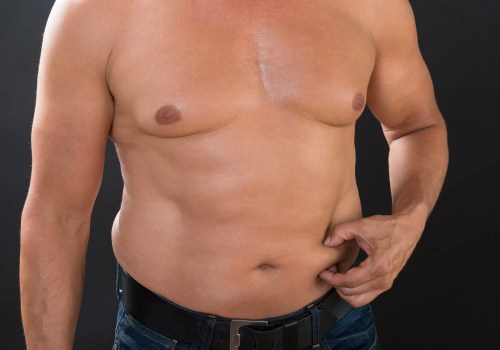
Mark, a 45-year-old fitness enthusiast, had always been active but found it challenging to lose the fat around his love handles. After discussing his concerns with a board-certified plastic surgeon, he opted for liposuction."I wanted to achieve a more defined physique without compromising my fitness routine," he explains.Following the procedure, Mark adhered strictly to his post-operative care plan. Within three months, he reported feeling more comfortable in fitted clothing and even received compliments from friends and family. "Liposuction helped me achieve the look I was striving for without losing my muscle mass," he states proudly.
Real-Life Experience: Emma's Candid Reflection
Emma, a 29-year-old professional, had long battled with body image issues stemming from her weight fluctuations. After considering various options, she chose liposuction as a way to regain control over her body."I was tired of feeling self-conscious at social events," she shares.Emma's experience highlights the emotional aspect of undergoing such a procedure. "The first few weeks were tough; I had to remind myself that healing takes time. But once the swelling went down, I felt liberated!" Her journey underscores the importance of having realistic expectations and understanding that while liposuction can enhance appearance, it is also a significant emotional investment.These testimonials and case studies reflect the varied experiences of individuals who have undergone liposuction. Each story is unique, yet they collectively demonstrate that with proper expectations and professional guidance, liposuction can lead to transformative results both physically and emotionally.
Conclusion: The Reality of Liposuction Success Rates
In summary, the journey through understanding liposuction success rates reveals a landscape filled with both promise and caution.As we have explored, liposuction is not merely a weight-loss solution; rather, it serves as a targeted approach to sculpting the body by removing stubborn fat deposits that resist diet and exercise. This distinction is crucial for anyone considering the procedure.The success rate of liposuction is impressively high, with over 99% of patients reporting satisfaction with their results. This statistic underscores the effectiveness of the procedure when performed by a qualified, board-certified plastic surgeon. However, it is essential to recognise that while liposuction can yield significant aesthetic improvements, it does not guarantee permanent weight loss.
Patients must maintain a healthy lifestyle post-surgery to preserve their results.Moreover, understanding the limitations of fat removal is vital. The maximum amount of fat that can be safely extracted during a single procedure is approximately 5000 ml, equating to around 11 pounds. This figure may seem substantial, yet it highlights that liposuction should not be viewed as a means to achieve drastic weight loss.As we conclude this discussion, it is imperative for potential candidates to approach liposuction with realistic expectations. The procedure can enhance body contours and boost self-esteem, but it is not a substitute for healthy living.
Patients should engage in thorough consultations with their surgeons, discussing their goals and any concerns they may have.Ultimately, informed decision-making is key. By understanding both the benefits and limitations of liposuction, individuals can make choices that align with their personal health and aesthetic goals. With the right mindset and professional guidance, liposuction can indeed be a transformative experience.