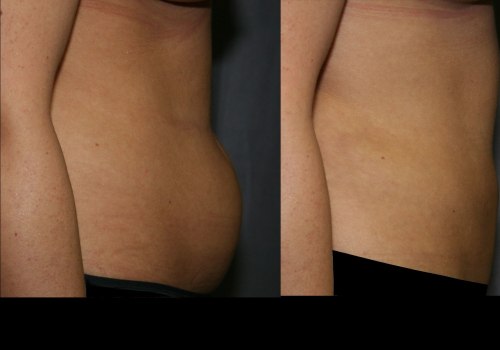
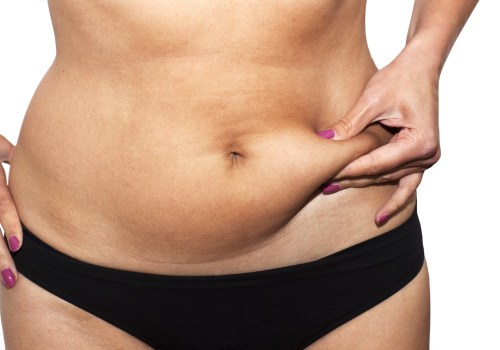
Liposuction is a widely recognised cosmetic procedure that has transformed the way individuals approach body contouring and fat reduction. This surgical technique involves the removal of excess fat deposits from specific areas of the body, such as the abdomen, thighs, and arms, allowing for a more sculpted appearance. However, the implications of liposuction extend beyond mere aesthetics; it also intersects with the fascinating process of fat cell regeneration. Understanding how these two concepts interact can provide valuable insights into both health and beauty.At its core, liposuction not only reshapes the body but also influences the dynamics of fat cells within our system. not only reshapes the body but also influences the dynamics of fat cells within our system.
When fat is removed through this procedure, it raises important questions about what happens to the remaining fat cells and how they respond to changes in body weight and lifestyle. Research indicates that while liposuction effectively reduces the number of fat cells in targeted areas, it does not eliminate them entirely. Instead, the body continues to regenerate fat cells over time, which can lead to fluctuations in body shape if healthy lifestyle choices are not maintained.The process of fat cell regeneration is a natural phenomenon that occurs throughout our lives. Adipocytes, or fat cells, have a unique lifecycle; they can die and be replaced by new cells at a rate of approximately 10% per year.
This regeneration is crucial for maintaining energy balance and overall metabolic health. However, after undergoing liposuction, individuals may find themselves at a crossroads: how to manage their remaining fat cells effectively to maintain their desired physique. This interplay between surgical intervention and biological processes highlights the importance of understanding both liposuction and fat cell regeneration.As we delve deeper into this topic, we will explore the mechanisms behind fat cell regeneration, its implications for those who have undergone liposuction, and how this knowledge can empower individuals to make informed decisions about their health and aesthetic goals. By bridging the gap between surgical techniques and biological realities, we can better appreciate the complexities of body composition and the ongoing journey towards optimal well-being.
What is Liposuction?
Liposuction
is a popular cosmetic surgical procedure designed to remove excess fat from specific areas of the body.
It is often sought by individuals who struggle with stubborn fat deposits that do not respond to diet and exercise. The primary goal of liposuction is to enhance body contours and improve overall appearance, making it a desirable option for many looking to achieve their aesthetic goals.The liposuction procedure typically involves the use of a thin, hollow tube called a cannula, which is inserted through small incisions in the skin. The surgeon then uses the cannula to suction out fat from targeted areas. This minimally invasive technique allows for precise fat removal while minimising damage to surrounding tissues.
Types of Liposuction
There are several techniques of liposuction, each with its unique advantages:- Tumescent Liposuction: This is the most common method, where a solution containing saline, lidocaine, and epinephrine is injected into the treatment area.
This solution helps to numb the area and reduce bleeding, making the procedure safer and more comfortable.
- Ultrasound-Assisted Liposuction (UAL): This technique uses ultrasound energy to liquefy fat cells before they are removed. This method can be particularly effective for larger volumes of fat and areas with denser fat deposits.
- Laser-Assisted Liposuction (LAL): Similar to UAL, this method employs laser energy to melt fat cells, which are then suctioned out. The added benefit of LAL is that it can stimulate collagen production, potentially improving skin tightness post-procedure.
- Power-Assisted Liposuction (PAL): In this technique, a vibrating cannula is used to facilitate fat removal. The vibrations help break up fat cells, making them easier to extract and reducing the physical effort required by the surgeon.
It is essential for individuals considering liposuction to consult with a qualified plastic surgeon who can assess their specific situation and recommend the most appropriate technique.In summary, liposuction is an effective method for removing unwanted fat and sculpting the body. With various techniques available, patients can choose an approach that aligns with their goals and expectations, ensuring a tailored experience that enhances their confidence and satisfaction.
The Science Behind Fat Cells
Understanding the biology of fat cells, or adipocytes, is crucial for grasping their role in our overall health and the implications of procedures like liposuction. Adipocytes are specialised cells that primarily store energy in the form of fat, but their functions extend far beyond mere storage.Adipocytes can be classified into two main types: white adipose tissue (WAT) and brown adipose tissue (BAT). WAT is the most abundant type in adults and serves as the body's primary energy reserve.It also plays a significant role in regulating metabolism and hormone production. In contrast, BAT is involved in thermogenesis, a process that generates heat by burning calories, which is particularly important for maintaining body temperature in cold environments.The structure of adipocytes is uniquely designed for their functions. They are characterised by a large lipid droplet that occupies most of the cell's volume, pushing the nucleus to the periphery. This configuration allows for efficient storage of triglycerides, which can be mobilised when energy is needed.
Additionally, adipocytes secrete various hormones and cytokines, collectively known as adipokines, which influence metabolic processes and inflammation.
- Leptin: This hormone helps regulate energy balance by inhibiting hunger, thus playing a critical role in weight management.
- Adiponectin: Known for its anti-inflammatory properties, adiponectin enhances insulin sensitivity and fatty acid oxidation.
- Resistin: This cytokine is linked to insulin resistance and may contribute to obesity-related complications.
Therefore, procedures like liposuction can remove fat cells from specific areas but do not prevent new fat cells from forming if lifestyle changes are not implemented.In summary, the biology of adipocytes reveals their multifaceted roles in energy storage, hormonal regulation, and metabolic health. A deeper understanding of these cells not only informs us about obesity but also underscores the importance of maintaining a balanced lifestyle to support healthy fat cell function.
How Fat Cell Regeneration Works
The process of fat cell regeneration is a complex and dynamic phenomenon that plays a crucial role in maintaining the body’s energy balance and overall health. Adipocytes, or fat cells, have a finite lifespan, typically averaging around 9 to 10 years. During this time, they undergo a cycle of death and renewal, which is essential for the body to adapt to changes in energy intake and expenditure.When fat cells die, they are replaced by new adipocytes through a process known as adipocyte turnover.This turnover rate is approximately 10% per year, meaning that a significant portion of fat cells in the body is renewed annually. The regeneration process begins with the differentiation of precursor cells, known as preadipocytes, which are derived from mesenchymal stem cells. These preadipocytes mature into fully functional adipocytes under the influence of various hormonal and nutritional signals.Several factors can influence the rate of fat cell regeneration:
- Diet: A diet high in fats and sugars can accelerate the proliferation of new fat cells. Conversely, a balanced diet rich in nutrients can help regulate this process.
- Physical Activity: Regular exercise has been shown to enhance adipocyte turnover by promoting the differentiation of preadipocytes into mature fat cells while also improving overall metabolic health.
- Hormonal Regulation: Hormones such as insulin, leptin, and cortisol play significant roles in regulating fat cell metabolism and turnover.
For instance, insulin promotes fat storage, while leptin signals satiety and helps regulate energy balance.
- Age: As individuals age, the efficiency of fat cell regeneration may decline, leading to an accumulation of older adipocytes that can contribute to metabolic disorders.
Understanding this process is vital for anyone considering liposuction or seeking to manage their body weight effectively over time.
The Impact of Liposuction on Fat Cell Regeneration
Liposuction is a popular cosmetic procedure that aims to remove excess fat from specific areas of the body, enhancing overall body contour. However, understanding its impact on fat cell regeneration is crucial for anyone considering this treatment. The procedure not only alters the physical appearance but also influences the body's natural processes related to fat cell dynamics.When liposuction is performed, a significant number of fat cells are removed from the targeted area. This reduction can lead to immediate changes in body composition, as the volume of fat decreases.However, it is essential to note that while liposuction effectively removes fat cells, it does not eliminate the body's ability to regenerate them. In fact, studies indicate that the body continues to produce new fat cells post-procedure, albeit at a slower rate compared to individuals who have not undergone liposuction.After liposuction, patients may experience a period of post-operative recovery , during which the body begins to heal and adapt to its new shape. During this time, the remaining fat cells can undergo changes in size and function. If a patient maintains a stable weight and follows a healthy lifestyle, the remaining fat cells may shrink in size but will not disappear entirely.
Conversely, if there is significant weight gain after the procedure, the body may respond by increasing the size of existing fat cells or generating new ones in areas that were not treated.It is also important to consider how liposuction affects overall body composition. While the procedure can lead to a more sculpted appearance, it does not guarantee long-term weight management. Patients must understand that maintaining their results requires ongoing commitment to a balanced diet and regular exercise. Failure to do so can result in an uneven distribution of fat as new cells develop in untreated areas.In summary, liposuction has a profound impact on fat cell regeneration and body composition.
While it effectively reduces fat cell numbers in targeted areas, it does not halt the body's natural processes of regeneration. Patients should be aware of these dynamics and adopt healthy lifestyle choices post-procedure to ensure optimal results and maintain their desired body shape.
Factors Influencing Fat Cell Regeneration Post-Liposuction
Understanding the factors that influence fat cell regeneration after liposuction is crucial for patients aiming to maintain their results and overall health. Several elements play a significant role in this process, including diet, exercise, and lifestyle choices.Dietary Choices
- Caloric Intake: After liposuction, it is essential to monitor caloric intake. Consuming more calories than the body needs can lead to the formation of new fat cells, counteracting the benefits of the procedure.
- Nutrient Quality: A diet rich in whole foods, including fruits, vegetables, lean proteins, and healthy fats, supports overall health and can aid in maintaining a stable weight.
Nutrient-dense foods provide the necessary vitamins and minerals that promote cellular health and regeneration.
- Hydration: Staying well-hydrated is vital for metabolic processes. Water aids in digestion and helps transport nutrients throughout the body, which can support fat cell management.
Exercise Regimen
- Regular Physical Activity: Engaging in regular exercise post-liposuction is crucial for maintaining weight loss and preventing fat cell regeneration. Both aerobic exercises (like walking or cycling) and strength training are beneficial.
- Metabolism Boost: Exercise increases metabolic rate, which can help burn off excess calories and prevent the accumulation of new fat cells. Incorporating high-intensity interval training (HIIT) can be particularly effective.
- Muscle Building: Strength training not only helps in toning the body but also increases muscle mass, which can enhance overall metabolism and further assist in weight management.
Lifestyle Changes
- Sufficient Sleep: Quality sleep is often overlooked but is essential for hormonal balance and recovery.
Lack of sleep can lead to increased cravings and poor dietary choices.
- Stress Management: High-stress levels can trigger hormonal changes that promote fat storage. Techniques such as mindfulness, yoga, or meditation can help manage stress effectively.
- Avoiding Smoking and Excessive Alcohol: Both smoking and excessive alcohol consumption can negatively impact metabolism and overall health, making it harder to maintain results after liposuction.
Myths and Misconceptions About Liposuction and Fat Cells
Liposuction is often surrounded by a cloud of myths and misconceptions that can lead to confusion for those considering the procedure. Understanding the truth behind these myths is essential for making informed decisions about body contouring and fat cell management.Myth 1: Liposuction is a Weight Loss Solution
One of the most prevalent misconceptions is that liposuction is a method for significant weight loss.
In reality, liposuction is designed for body contouring rather than weight reduction. It effectively removes localized fat deposits that are resistant to diet and exercise, but it is not a substitute for a healthy lifestyle. Ideal candidates are typically within 30% of their ideal body weight.
Myth 2: Fat Cells Are Permanently Eliminated
Another common belief is that once fat cells are removed through liposuction, they cannot return. While it is true that liposuction removes fat cells from specific areas, it does not prevent the remaining fat cells from expanding if a person gains weight.
The body has a finite number of fat cells, and while the number may decrease in treated areas, the overall balance can shift with lifestyle changes.
Myth 3: Liposuction Is Only for Women
This misconception overlooks the fact that men can also benefit from liposuction. In recent years, there has been a significant increase in male patients seeking liposuction to address stubborn fat deposits, particularly in areas like the abdomen and love handles. Liposuction is a versatile procedure suitable for all genders.
Myth 4: Liposuction Results Are Immediate
Many individuals expect to see immediate results post-surgery; however, this is not always the case. Swelling and bruising are common after liposuction, and it may take several weeks or even months for the final results to become apparent as the body heals and adjusts.
Myth 5: Liposuction Is a Risk-Free Procedure
While liposuction is generally safe when performed by qualified professionals, it is still a surgical procedure with inherent risks.
Potential complications can include infection, scarring, and uneven contours. It’s crucial to discuss these risks with your surgeon during the consultation process.By debunking these myths, potential patients can approach liposuction with realistic expectations and a better understanding of how it fits into their overall health and wellness journey. Always consult with a qualified plastic surgeon to discuss your goals and concerns regarding fat cell regeneration and body contouring options.
FAQs About Liposuction and Fat Cell Regeneration
When considering liposuction and its effects on fat cell regeneration, many individuals have questions. Below are some of the most frequently asked questions that can help clarify common concerns.What is liposuction?
Liposuction is a cosmetic surgical procedure designed to remove excess fat from specific areas of the body.It is often sought after for body contouring and can target areas such as the abdomen, thighs, buttocks, and arms. The procedure involves suctioning out fat through small incisions, resulting in a more sculpted appearance.
How does liposuction affect fat cell regeneration?
After undergoing liposuction, the body continues its natural process of fat cell regeneration. While the number of fat cells in the treated area is reduced, the remaining fat cells can still expand or shrink based on weight fluctuations. This means that maintaining a healthy lifestyle post-surgery is crucial to achieving long-lasting results.Will I gain weight back after liposuction?
Weight gain can occur after liposuction if a person does not maintain a balanced diet and regular exercise.Although liposuction removes a significant number of fat cells, it does not prevent new fat cells from forming. Therefore, if caloric intake exceeds energy expenditure, the body may still accumulate fat in other areas.
Is liposuction safe?
Liposuction is generally considered safe when performed by a qualified and experienced surgeon. However, like any surgical procedure, it carries risks such as infection, scarring, and complications related to anesthesia. It is essential to discuss these risks with your surgeon during the consultation.How long does recovery take after liposuction?
The recovery period varies from person to person but typically ranges from a few days to several weeks.Most patients can return to light activities within a week but should avoid strenuous exercise for at least four to six weeks. Following post-operative care instructions is vital for optimal healing.
Can liposuction help with cellulite?
Liposuction may improve the appearance of cellulite in some cases; however, it is not specifically designed for this purpose. Cellulite is caused by factors such as skin structure and fat distribution rather than just excess fat. For those primarily concerned about cellulite, other treatments may be more effective.If you have further questions about liposuction or fat cell regeneration, it’s advisable to consult with a qualified plastic surgeon who can provide tailored advice based on your individual needs and goals.Conclusion: The Future of Liposuction and Fat Cell Research
As we draw our exploration of the fascinating world of fat cell regeneration and its relationship with liposuction to a close, it is essential to reflect on the significant insights we have uncovered.The intricate processes governing fat cell dynamics are not only pivotal for understanding weight management but also hold profound implications for medical treatments aimed at obesity and related health conditions.The research indicates that fat cells are not static entities; they undergo a continuous cycle of death and regeneration. This cycle, which sees approximately 10% of fat cells replaced annually, underscores the resilience of adipose tissue and its role in energy balance. Furthermore, the findings from recent studies highlight that even after substantial weight loss, the number of fat cells remains relatively constant, suggesting that traditional weight loss methods may not be as effective in permanently altering body composition as previously thought.Looking ahead, the future of liposuction and fat cell research is ripe with potential. Here are several key areas where further investigation could yield transformative results:
- Advanced Techniques: Continued refinement of liposuction techniques, including minimally invasive methods, could enhance patient outcomes and reduce recovery times.
- Regenerative Medicine: Exploring the use of adipose-derived stem cells in regenerative therapies may open new avenues for treating various conditions beyond aesthetic improvements.
- Understanding Metabolism: Further research into how fat cell regeneration affects metabolic processes could lead to innovative strategies for combating obesity and metabolic disorders.
- Personalised Approaches: Investigating genetic and environmental factors influencing individual responses to liposuction and fat cell regeneration may pave the way for tailored treatment plans.
Healthcare professionals must stay informed about the latest developments in liposuction techniques and fat cell biology to provide patients with accurate information and effective treatment options.In conclusion, the interplay between liposuction and fat cell regeneration presents a dynamic landscape for future research. By continuing to explore these connections, we can enhance our approaches to weight management and improve overall health outcomes for individuals struggling with obesity. The journey into this captivating realm is just beginning, and it promises to yield exciting discoveries that could reshape our understanding of body composition and health.