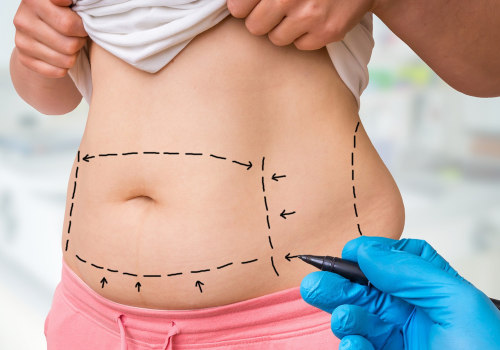
Liposuction is a popular cosmetic surgical procedure designed to remove excess fat from specific areas of the body, helping individuals achieve a more sculpted and contoured appearance. Often referred to as body contouring, this technique is particularly effective for those who struggle with stubborn fat deposits that resist diet and exercise. While many people may consider liposuction as a quick fix for weight loss, it is essential to understand that it is not intended as a weight-loss solution but rather as a method to enhance body shape.The liposuction procedure involves the use of suction to extract fat from targeted regions such as the abdomen, thighs, buttocks, arms, and neck. During the surgery, small incisions are made in the skin, through which a thin tube called a cannula is inserted.
This cannula breaks up the fat cells and allows them to be suctioned out. The amount of fat removed can vary significantly based on individual goals and body types, making it crucial for prospective patients to have realistic expectations about the results.Understanding the intricacies of liposuction is vital for anyone considering this procedure. It is not merely about removing fat; it also involves sculpting the body to create a more balanced and aesthetically pleasing silhouette. Patients should be aware that while liposuction can effectively target specific areas of concern, it does not address issues such as loose skin or cellulite.
Therefore, it is often recommended that individuals seeking liposuction are at or near their ideal weight to achieve optimal results.In summary, liposuction offers a pathway to enhanced body contours for those who have struggled with localized fat deposits. However, potential candidates must approach this procedure with an informed mindset, understanding both its capabilities and limitations. By doing so, they can make educated decisions about their bodies and embark on their journey towards improved self-confidence.
The Different Types of Liposuction Techniques
Liposuction has evolved significantly over the years, leading to the development of various techniques tailored to meet the specific needs of patients. Understanding these different types of liposuction can empower individuals to make informed decisions regarding their body contouring goals.Tumescent Liposuction
Tumescent liposuction is one of the most commonly performed techniques today.This method involves the injection of a large volume of a saline solution mixed with local anaesthetic and epinephrine into the targeted fat areas before the actual suctioning process begins. The solution causes the fat cells to swell and become firm, making them easier to remove. This technique offers several advantages:
- Reduced Pain: The local anaesthetic helps minimise discomfort during and after the procedure.
- Less Blood Loss: The epinephrine constricts blood vessels, reducing bleeding and bruising.
- Faster Recovery: Patients often experience a quicker recovery time compared to traditional methods.
Ultrasound-Assisted Liposuction (UAL)
Ultrasound-assisted liposuction employs sound waves to liquefy fat cells before they are suctioned out. This technique is particularly effective for removing larger volumes of fat and is often used in areas where fat is denser, such as the abdomen or back.The benefits of UAL include:
- Enhanced Fat Removal: The ultrasound energy breaks down fat cells, making them easier to extract.
- Less Trauma to Surrounding Tissues: The method is less invasive on surrounding tissues, which can lead to reduced swelling and bruising.
Laser-Assisted Liposuction
Another innovative technique is laser-assisted liposuction, which uses laser energy to melt away fat before it is removed. This method not only facilitates fat removal but also promotes skin tightening due to the heat generated by the laser. Key advantages include:- Smoother Results: The laser can help achieve a more even contour by targeting specific areas effectively.
- Skin Tightening: The heat stimulates collagen production, which can improve skin elasticity post-procedure.
Who is a Suitable Candidate for Liposuction?
Determining whether you are a suitable candidate for liposuction involves several key factors, including your overall health, body weight, and specific aesthetic goals.Understanding these criteria can help you make an informed decision about whether this procedure is right for you.
1.Age Considerations
While there is no strict age limit for undergoing liposuction, most surgeons recommend that candidates be at least 18 years old. This is primarily because the body continues to develop during adolescence, and it is essential to ensure that the individual has reached a stable weight and body composition before considering surgical options. Additionally, older adults may have different recovery needs and potential risks associated with surgery.
2.Health Status
Your overall health plays a crucial role in determining your candidacy for liposuction. Ideal candidates should:
- Be in good physical health without any underlying medical conditions that could complicate surgery or recovery.
- Have no history of cardiovascular issues, diabetes, or other chronic illnesses that may increase surgical risks.
- Not smoke or be willing to quit smoking well in advance of the procedure, as smoking can hinder healing and increase complications.
3.Body Weight and Composition
Liposuction is not intended as a weight-loss solution but rather as a body contouring procedure.
Therefore, candidates should ideally be at or near their target weight. A good rule of thumb is to have a body mass index (BMI) within the range of 30 or lower. Candidates should also have localized fat deposits that are resistant to diet and exercise, as liposuction is most effective in removing these stubborn areas.
4.Realistic Expectations
Potential candidates must have realistic expectations regarding the outcomes of liposuction. It is essential to understand that while the procedure can enhance body contours, it will not result in dramatic weight loss or address issues such as loose skin or cellulite.
A thorough consultation with a qualified plastic surgeon can help clarify what results are achievable based on your unique body type and goals.
5.Emotional Readiness
Candidates should also consider their emotional readiness for surgery. This includes being mentally prepared for the changes that come with the procedure and having a positive outlook on recovery and results. Those who are seeking liposuction as a means to boost self-esteem or confidence should ensure they have a healthy mindset going into the surgery.In summary, suitable candidates for liposuction are typically adults in good health who are close to their ideal weight and have realistic expectations about the results. Consulting with an experienced plastic surgeon can provide further insights into whether you meet these criteria and help you make an informed decision about proceeding with the procedure.
What to Expect During the Liposuction Procedure
Understanding what to expect during the liposuction procedure is crucial for anyone considering this body contouring option.The process can be broken down into three main phases: pre-operative preparations, the surgical procedure itself, and post-operative care.
Pre-Operative Preparations
Before the surgery, you will have a comprehensive consultation with your plastic surgeon. This meeting is essential for discussing your goals, medical history, and any concerns you may have. Your surgeon will evaluate your body and determine the best approach for your specific needs. Here are some key steps involved in the pre-operative phase:- Medical Evaluation: A thorough assessment of your health will be conducted to ensure you are a suitable candidate for liposuction.
- Pre-Operative Instructions: You will receive guidelines on medications to avoid, dietary restrictions, and other preparations to ensure a smooth procedure.
- Consent Forms: You will be required to sign consent forms that outline the risks and benefits of the surgery.
The Surgical Procedure
The day of the surgery typically begins with you arriving at the surgical facility.Here’s what happens during the actual liposuction procedure:
- Anesthesia: Depending on the extent of the procedure, either local or general anesthesia will be administered to ensure your comfort throughout the surgery.
- Incisions: Small incisions are made in discreet locations on your body. These incisions are where the cannula, a thin tube used for fat removal, will be inserted.
- Fat Removal: The surgeon will use the cannula to break up and suction out unwanted fat deposits from targeted areas. This process can take several hours depending on how much fat is being removed.
- Suturing: Once the desired amount of fat has been removed, the incisions are closed with sutures or adhesive strips.
Post-Operative Care
After the surgery, you will be moved to a recovery area where medical staff will monitor your vital signs as you wake from anesthesia. Post-operative care is vital for ensuring proper healing and includes:- Pain Management: You may experience discomfort or pain in the treated areas, which can be managed with prescribed medications.
- Compression Garments: Wearing compression garments is essential to reduce swelling and support your new body contours.
- Follow-Up Appointments: Regular check-ups with your surgeon will help monitor your recovery progress and address any concerns that may arise.
Recovery After Liposuction: What You Need to Know
Recovering from liposuction is a crucial phase that can significantly influence the overall results of the procedure.Understanding what to expect during this time can help patients prepare mentally and physically for their journey to recovery.Typically, the initial recovery period lasts about one to two weeks, during which patients may experience swelling, bruising, and discomfort in the treated areas. These symptoms are normal and should gradually subside as healing progresses. However, it is essential to follow your surgeon's specific post-operative care instructions to ensure a smooth recovery.
Post-Operative Care for Liposuction
Proper post-operative care is vital for minimising complications and promoting healing. Here are some key aspects to consider:- Rest: Allow your body ample time to heal.
Avoid strenuous activities and heavy lifting for at least four to six weeks post-surgery.
- Compression Garments: Wearing a compression garment as advised by your surgeon helps reduce swelling and supports the healing process. It is typically recommended to wear it for several weeks.
- Hydration: Staying well-hydrated aids in recovery. Drink plenty of water and maintain a balanced diet rich in vitamins and minerals.
- Pain Management: Your surgeon may prescribe pain relief medication. Follow their guidance on dosage and duration to manage discomfort effectively.
- Follow-Up Appointments: Attend all scheduled follow-up visits with your surgeon to monitor your healing progress and address any concerns.
Recovery Tips After Liposuction
To enhance your recovery experience, consider these additional tips:- Gradual Return to Activity: Start with light activities, such as walking, as soon as you feel comfortable.
Gradually increase your activity level based on your surgeon's advice.
- Avoid Smoking: If you smoke, consider quitting or reducing your intake during the recovery period, as smoking can hinder healing.
- Monitor Your Body: Keep an eye on any unusual symptoms, such as excessive swelling or signs of infection (e.g., fever, increased redness). Contact your surgeon if you have concerns.
- Patience is Key: Understand that full recovery can take several months. Be patient with your body as it heals and adjusts to its new contours.
Potential Risks and Complications of Liposuction
While liposuction is a popular cosmetic procedure that can effectively reshape and contour the body, it is essential for potential patients to understand the risks and complications associated with it.Being informed allows individuals to make educated decisions regarding their health and aesthetic goals.One of the primary concerns surrounding liposuction is the risk of infection. As with any surgical procedure, there is a possibility that bacteria can enter the body through incisions made during the operation. Although surgeons take precautions to minimise this risk, infections can still occur, leading to complications that may require additional treatment.
Bleeding
is another potential complication. During liposuction, blood vessels may be damaged, resulting in excessive bleeding either during or after the procedure.
In some cases, this can lead to the formation of a hematoma, which is a collection of blood outside of blood vessels that can cause swelling and discomfort.Additionally, patients may experience adverse reactions to anesthesia. Anesthesia is commonly used during liposuction to ensure patient comfort; however, some individuals may have allergies or sensitivities that could lead to serious complications. It is crucial for patients to discuss their medical history thoroughly with their surgeon prior to the procedure.
Fluid accumulation
, known as seroma, can also occur post-surgery. This happens when fluid builds up in the spaces left by removed fat cells.
While seromas are generally not dangerous, they can cause discomfort and may require drainage by a healthcare professional.Another significant risk involves irregularities in skin contour. After liposuction, some patients may notice unevenness or asymmetry in the treated areas. This can be due to various factors, including the amount of fat removed or individual healing responses. In some cases, additional procedures may be necessary to correct these irregularities.
Scarring
is an inevitable aspect of any surgical procedure.
Although liposuction incisions are typically small and strategically placed to minimise visibility, some patients may still experience noticeable scars post-operation. Proper aftercare and following your surgeon's instructions can help reduce scarring.Lastly, it is important to note that liposuction should not be viewed as a weight-loss solution. Patients who undergo this procedure may have unrealistic expectations regarding their body shape and size post-surgery. Understanding that liposuction is designed for body contouring rather than significant weight loss can help mitigate disappointment.In conclusion, while liposuction can offer transformative results for many individuals, it is vital to consider the potential risks and complications involved.
Consulting with a qualified and experienced plastic surgeon will provide valuable insights into these risks and help ensure a safe and successful outcome.
Realistic Expectations: What Liposuction Can and Cannot Do
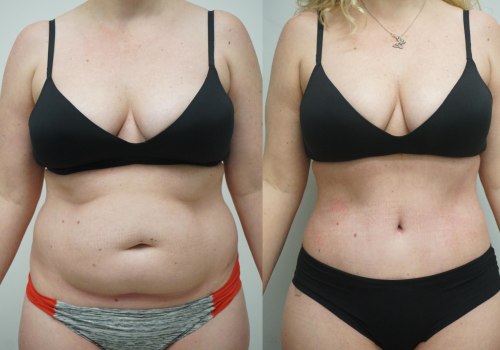
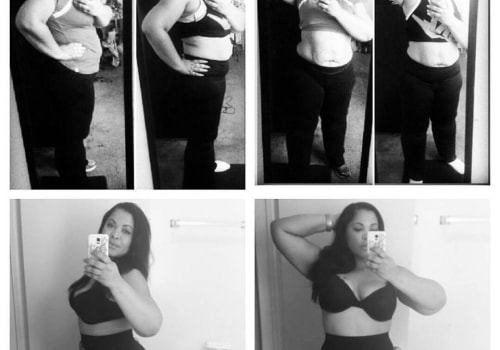
When considering liposuction, it is crucial for patients to have a clear understanding of what the procedure can realistically achieve. Many individuals enter the process with high hopes, often influenced by before-and-after photos or testimonials. However, setting realistic expectations is essential for overall satisfaction and to avoid disappointment.What Liposuction Can Do
- Targeted Fat Removal: Liposuction is highly effective at removing stubborn fat deposits that are resistant to diet and exercise. Common areas include the abdomen, thighs, hips, and arms.
- Body Contouring: The procedure can significantly improve body contours, creating a more sculpted appearance.
This is particularly beneficial for those looking to enhance their silhouette.
- Boost in Self-Confidence: Many patients report an increase in self-esteem and body image after undergoing liposuction, as they feel more comfortable in their own skin.
Limitations of Liposuction
- Not a Weight Loss Solution: It is important to understand that liposuction is not designed for weight loss. Ideal candidates are typically at or near their target weight and seek to refine specific areas.
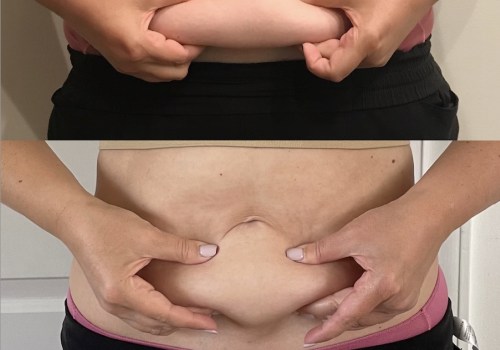
- Does Not Address Skin Quality: Liposuction does not improve skin elasticity or address issues such as sagging skin, stretch marks, or cellulite. In some cases, it may even exacerbate the appearance of these conditions.
- Temporary Results: While liposuction can provide long-lasting results, maintaining these results requires a commitment to a healthy lifestyle. Weight gain after the procedure can lead to new fat deposits forming in other areas.
What Liposuction Cannot Fix
- Sagging Skin: If you have loose or sagging skin, liposuction alone will not resolve this issue.
Patients may need additional procedures, such as a tummy tuck or skin tightening treatments.
- Cellulite and Stretch Marks: These common concerns are not addressed by liposuction. Patients seeking improvement in these areas should discuss alternative treatments with their surgeon.
- Overall Body Shape: Liposuction cannot change your natural body shape or proportions. It is designed to enhance your existing figure rather than create a new one.
Cost of Liposuction: Understanding Financial Considerations
When considering liposuction, one of the most pressing concerns for potential patients is the cost associated with the procedure.Understanding the financial implications is crucial, as it can significantly influence your decision to undergo surgery.The price of liposuction can vary widely based on several factors, including the surgeon's experience, the geographical location of the clinic, and the complexity of the procedure itself. On average, patients can expect to pay anywhere from £2,000 to £7,000 for liposuction. This range typically reflects the cost for a single area of treatment; additional areas will incur extra charges.It is essential to note that while some clinics may offer lower prices, this does not always equate to quality. Opting for a less expensive option may lead to subpar results or increased risks during and after surgery.
Therefore, it is advisable to prioritise the qualifications and experience of your surgeon over cost alone.
Factors Influencing Liposuction Costs
- Surgeon's Expertise: Highly experienced and board-certified surgeons may charge more due to their skill and track record.
- Location: Clinics in metropolitan areas often have higher overhead costs, which can be reflected in their pricing.
- Type of Liposuction: Different techniques (such as tumescent or ultrasound-assisted liposuction) may have varying costs associated with them.
- Anesthesia Fees: The type of anesthesia used during the procedure can also affect overall costs.
Financing Options for Liposuction
Many patients find that financing options make liposuction more accessible. Numerous clinics offer payment plans or financing through third-party companies that specialise in medical loans. These options allow patients to spread the cost over time, making it easier to manage financially.Before committing to any financing plan, it is crucial to read the terms carefully.Look for interest rates, repayment periods, and any hidden fees that may apply. Additionally, some clinics may offer promotional financing options with low or no interest for a limited time.Ultimately, understanding the cost of liposuctioncost of liposuction and exploring available financing options can empower you to make an informed decision about your body contouring journey. Always consult with a qualified professional who can provide a detailed breakdown of costs and help you navigate your financial options effectively.
Frequently Asked Questions About Liposuction
As with any surgical procedure, potential patients often have numerous questions and concerns regarding liposuction. Addressing these queries is essential for making informed decisions and ensuring a positive experience.Below are some of the most frequently asked questions about liposuction.
What areas of the body can be treated with liposuction?
Liposuction is versatile and can be performed on various parts of the body, including:- Abdomen
- Thighs
- Hips
- Buttocks
- Arms
- Neck
- Back
Is liposuction a weight loss solution?
No, liposuction is not intended as a weight loss method. It is designed for body contouring and sculpting. Ideal candidates are typically at or near their target weight but have specific areas of fat they wish to address.What should I expect during recovery?
Recovery from liposuction varies by individual, but common experiences include:- Swelling and bruising in the treated areas
- Discomfort or pain, which can be managed with prescribed medications
- Wearing a compression garment to aid healing
Are there risks associated with liposuction?
Like any surgical procedure, liposuction carries certain risks, including:- Infection
- Bleeding
- Anesthesia complications
- Uneven contours or skin irregularities
How long do the results last?
The results of liposuction can be long-lasting, provided that patients maintain a stable weight through a healthy lifestyle. However, significant weight gain after the procedure can affect the results.If you have more questions or specific concerns about liposuction, it is advisable to consult with a certified plastic surgeon who can provide tailored information based on your individual needs.Conclusion: Making an Informed Decision About Liposuction
In summary, the journey towards considering liposuction is one that requires careful thought and a thorough understanding of what the procedure entails.Throughout this article, we have explored various facets of liposuction, from its effectiveness in removing stubborn fat deposits to the limitations it presents, particularly concerning skin elasticity and overall weight loss.It is crucial to remember that liposuction is not a magic solution for weight management or a remedy for loose skin. Instead, it serves as a body contouring technique aimed at enhancing your natural shape. Therefore, individuals contemplating this procedure should have realistic expectations about the outcomes. Here are some key points to consider:
- Liposuction is not a weight loss method: It is designed to sculpt and refine body contours rather than significantly reduce body weight.
- Skin quality matters: If you have concerns about sagging skin, it may be beneficial to discuss alternative options with your surgeon, as liposuction may exacerbate these issues.
- Choose a qualified surgeon: Selecting an experienced and board-certified plastic surgeon is vital for minimising risks and achieving satisfactory results.
- Post-operative care is essential: Following your surgeon's recovery guidelines will aid in healing and help you achieve the best possible outcome.
Engaging in open discussions with your healthcare provider can provide clarity and help you weigh the pros and cons effectively.By taking the time to educate yourself and consider all aspects of liposuction, you can approach this transformative journey with confidence and assurance, paving the way for a more positive experience and enhanced self-esteem.