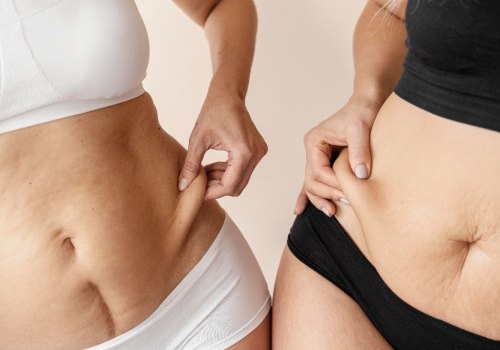
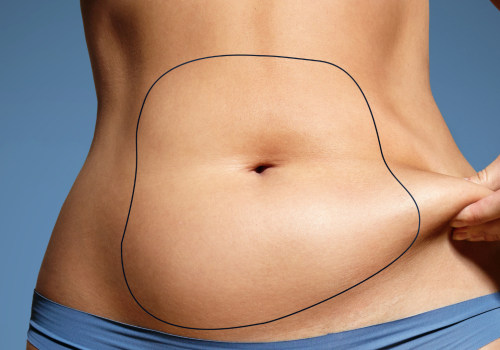
Liposuction is a popular cosmetic procedure that has gained significant attention in recent years, often touted as a solution for those struggling with stubborn fat deposits. However, it is crucial to understand that liposuction is not a weight-loss surgery; rather, it is a body contouring technique designed to remove localized fat that resists diet and exercise. Many individuals mistakenly believe that liposuction can help them shed large amounts of weight, but the reality is quite different. This misconception can lead to unrealistic expectations and disappointment.The primary goal of liposuction is to enhance the body's shape by targeting specific areas where fat tends to accumulate, such as the abdomen, thighs, hips, and arms.
By removing these pockets of fat, patients can achieve a more sculpted appearance. However, it is essential to note that the amount of fat that can be safely removed during a single procedure is limited, typically ranging from 2 to 4 litres, which equates to approximately 5 to 8 pounds. This limitation underscores the importance of viewing liposuction as a complement to a healthy lifestyle rather than a standalone solution for significant weight loss.Furthermore, liposuction should not be seen as a quick fix for achieving one's ideal body. It requires careful consideration and planning, including consultations with qualified surgeons who can provide realistic assessments based on individual body types and goals.
Patients should also be prepared for the recovery process and understand that maintaining results necessitates ongoing commitment to healthy eating and regular physical activity.In summary, while liposuction can effectively remove stubborn fat and improve body contours, it is not a substitute for weight loss or a healthy lifestyle. Understanding its purpose and limitations is vital for anyone considering this procedure, ensuring they approach it with informed expectations and a clear vision of their overall health journey.
What is Liposuction?
Liposuction
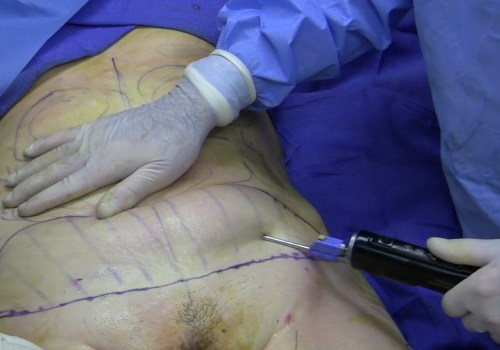
is a popular cosmetic surgical procedure designed to remove excess fat from specific areas of the body. It is particularly effective for individuals who have stubborn fat deposits that are resistant to diet and exercise. While it is often misconceived as a weight-loss solution, liposuction is primarily a body contouring technique that enhances the shape and proportions of the body.The liposuction procedure typically involves the use of a thin tube called a cannula, which is inserted through small incisions in the skin.
The surgeon then uses this cannula to suction out fat from targeted areas, such as the abdomen, thighs, buttocks, arms, and neck. The procedure can be performed under local or general anaesthesia, depending on the extent of fat removal and the patient's preference.There are several types of liposuction , each with its unique techniques and benefits:
- Tumescent Liposuction: This is the most common form of liposuction. It involves injecting a solution containing saline, anaesthetic, and epinephrine into the targeted area before fat removal. This solution helps to numb the area and reduce bleeding during the procedure.
- Vaser Liposuction: Also known as ultrasound-assisted liposuction, Vaser uses ultrasound technology to liquefy fat cells before they are removed.
This method allows for more precise fat removal and can be less traumatic to surrounding tissues.
- Laser-Assisted Liposuction: This technique employs laser energy to melt fat cells before suctioning them out. The heat from the laser also promotes skin tightening, which can enhance overall results.
Understanding the different types of liposuction available can assist patients in making informed decisions about their cosmetic goals.
The Truth About Weight Loss with Liposuction
When considering liposuction as a method for weight loss, it is crucial to understand its true purpose and limitations. Many individuals mistakenly believe that liposuction is a viable solution for shedding significant pounds; however, this procedure is primarily designed for body contouring rather than substantial weight reduction.Liposuction effectively targets specific areas of the body where fat tends to accumulate, such as the abdomen, thighs, and arms. The average amount of fat that can be safely removed during a liposuction procedure typically ranges from 2 to 4 litres , which translates to approximately 5 to 8 pounds. This amount is significantly less than what many patients hope to achieve when they consider liposuction as a weight-loss solution.It is essential to note that exceeding the recommended limits for fat removal can lead to serious complications.Medical guidelines suggest that removing more than 6 to 8 pounds of fat in a single session can increase the risk of adverse effects, including infection, fluid accumulation, and prolonged recovery times. Therefore, while liposuction can enhance body shape and improve proportions, it should not be viewed as a method for losing large amounts of weight.For those seeking to lose more than 30 pounds, alternative options such as dietary changes or bariatric surgery may be more appropriate. Liposuction can complement these efforts by refining body contours after significant weight loss has been achieved. It is vital for potential patients to have realistic expectations and understand that liposuction is not a substitute for a healthy lifestyle.In conclusion, while liposuction can remove stubborn fat deposits and improve overall appearance, it is not a weight-loss surgery.
Individuals looking to lose substantial weight should focus on sustainable lifestyle changes and consider liposuction as an adjunct procedure to enhance their results once they have reached their desired weight.
Who is a Suitable Candidate for Liposuction?
Determining whether you are a suitable candidate for liposuction involves several factors, including your overall health, body type, and expectations regarding the procedure. Understanding these criteria can help you make an informed decision about whether this body contouring option is right for you.1.Body Type and Fat Distribution
Ideal candidates for liposuction typically have specific areas of stubborn fat that are resistant to diet and exercise. This may include regions such as the abdomen, thighs, hips, arms, or neck. It is important to note that liposuction is not intended for significant weight loss; rather, it is designed to sculpt and refine the body’s contours.
Therefore, individuals who are within 30% of their ideal body weight and have localized fat deposits are often considered the best candidates.
2.Health Status
Your overall health plays a crucial role in determining your eligibility for liposuction. Candidates should be in good physical condition without any underlying health issues that could complicate the procedure or recovery. Conditions such as heart disease, diabetes, or blood clotting disorders may disqualify you from undergoing liposuction. A thorough consultation with a qualified surgeon will help assess your health status and suitability.
3.Realistic Expectations
Having realistic expectations about the outcomes of liposuction is essential.
While many patients experience significant improvements in their body shape, it is vital to understand that results can vary based on individual factors such as skin elasticity and fat distribution. Liposuction is not a substitute for a healthy lifestyle; maintaining a balanced diet and regular exercise post-procedure is crucial for achieving and sustaining desired results.
4.Common Misconceptions
- Liposuction is a weight-loss solution: Many people mistakenly believe that liposuction can help them lose large amounts of weight. In reality, it is intended for body contouring rather than weight reduction.
- Anyone can undergo liposuction: Not everyone is a suitable candidate; factors such as age, health conditions, and skin quality must be considered.
- Liposuction results are permanent: While the fat cells removed during the procedure do not return, new fat can accumulate if lifestyle changes are not maintained.
Risks and Considerations of Liposuction
Liposuction, while a popular cosmetic procedure, is not without its risks and potential complications.Understanding these risks is crucial for anyone considering the surgery, as it can help in making an informed decision and preparing adequately for the procedure.
Common Risks Associated with Liposuction
- Infection: As with any surgical procedure, there is a risk of infection at the incision sites. Proper aftercare and hygiene are essential to minimise this risk.
- Bleeding: Some bleeding is expected post-surgery; however, excessive bleeding can lead to complications and may require further medical intervention.
- Fluid Accumulation: Seromas, or fluid collections, can occur under the skin after liposuction. These may need to be drained if they become problematic.
- Nerve Damage: There is a possibility of temporary or permanent nerve damage, which can result in numbness or changes in sensation in the treated areas.
- Scarring: While surgeons aim to make incisions as discreet as possible, scarring is an inevitable part of the process. The extent of scarring can vary based on individual healing processes.
Serious Complications
- Blood Clots: The formation of blood clots can occur post-surgery, which may lead to serious conditions such as deep vein thrombosis (DVT) or pulmonary embolism.
- Anesthesia Risks: Reactions to anesthesia can occur, ranging from mild to severe.
It’s important to discuss any concerns with your anaesthetist prior to surgery.
- Organ Damage: In rare cases, liposuction can cause damage to internal organs if the cannula penetrates too deeply.
The Importance of Choosing a Qualified Surgeon
Selecting a board-certified plastic surgeon with extensive experience in liposuction is paramount. A qualified surgeon will not only perform the procedure safely but will also provide comprehensive pre-operative consultations to discuss potential risks and set realistic expectations. They should be able to answer any questions regarding their qualifications and past patient outcomes.
Understanding the Recovery Process
The recovery period following liposuction varies from person to person but generally involves swelling, bruising, and discomfort. Patients are advised to follow their surgeon's post-operative care instructions closely, which may include wearing compression garments and avoiding strenuous activities for a specified period.
Being aware of what to expect during recovery can significantly enhance the overall experience and results of the procedure.In conclusion, while liposuction can effectively reshape body contours, it is essential to approach it with caution. Understanding the associated risks and ensuring that you are in capable hands will contribute significantly to a successful outcome.
Liposuction vs. Other Weight Loss Methods
When considering weight loss options, it is essential to understand the differences between liposuction and other methods such as gastric bypass surgery and lifestyle changes. Each approach has its unique benefits and limitations, making it crucial to choose the right one based on individual goals and health conditions.Liposuction vs.
Gastric Bypass SurgeryLiposuction is primarily a cosmetic procedure aimed at removing localized fat deposits that are resistant to diet and exercise. It is not designed for significant weight loss but rather for body contouring. In contrast, gastric bypass surgery is a more invasive procedure that alters the digestive system to promote substantial weight loss. This method involves creating a small pouch from the stomach and rerouting the small intestine, which significantly reduces food intake and nutrient absorption.While gastric bypass can lead to a loss of 50% to 70% of excess body weight within two years, it comes with higher risks and requires a longer recovery period compared to liposuction.
Additionally, patients must commit to lifelong dietary changes and regular follow-ups with healthcare providers.
Alternatives to Liposuction
For those who are not candidates for surgical procedures or prefer non-invasive options, there are several alternatives to liposuction. These include:- Dietary Changes: Adopting a balanced diet rich in whole foods can lead to gradual weight loss and improved health.
- Exercise Regimens: Regular physical activity can help burn calories and reduce fat over time.
- Non-Surgical Fat Reduction: Techniques such as CoolSculpting or radiofrequency treatments can target stubborn fat areas without surgery.
Choosing the Right Option
The decision between liposuction, gastric bypass, or lifestyle changes should be made after thorough consultation with healthcare professionals. Factors such as current weight, overall health, and personal goals play a significant role in determining the most suitable method. For individuals looking for quick body contouring, liposuction may be ideal, while those needing significant weight loss might benefit more from gastric bypass or comprehensive lifestyle modifications.Ultimately, understanding the differences between these options empowers individuals to make informed decisions that align with their health objectives.Post-Procedure Expectations and Recovery
After undergoing liposuction, patients often have a myriad of questions regarding their recovery and what to expect in the days and weeks following the procedure.Understanding the recovery process is crucial for achieving optimal results and ensuring a smooth transition back to daily activities. Here are some key tips:
Recovery Time
The initial recovery period after liposuction typically lasts about one to two weeks. During this time, patients may experience swelling, bruising, and discomfort in the treated areas. These symptoms are normal and should gradually subside as the body heals. Most individuals can return to light activities within a week, but more strenuous exercises should be avoided for at least four to six weeks.
Post-Operative Care
Maintaining Results
Avoid processed foods high in sugar and fat.
Frequently Asked Questions About Liposuction
As liposuction continues to gain popularity, many individuals have questions and misconceptions about the procedure. Below, we address some of the most frequently asked questions to help clarify any doubts.What is liposuction?
Liposuction is a cosmetic surgical procedure designed to remove excess fat deposits from specific areas of the body. It is not intended for weight loss but rather for body contouring, targeting stubborn fat that does not respond to diet and exercise.Is liposuction a weight-loss solution?
No, liposuction is not a weight-loss surgery.While it can remove a certain amount of fat, typically between 5 to 8 pounds, it is primarily aimed at reshaping the body rather than achieving significant weight loss. For those looking to lose a substantial amount of weight, other options such as gastric bypass surgery may be more appropriate.
Who is an ideal candidate for liposuction?
The best candidates for liposuction are individuals who are close to their ideal weight but struggle with localized fat deposits. Candidates should be in good overall health, have realistic expectations, and understand that maintaining a healthy lifestyle post-procedure is crucial for long-lasting results.What are the common myths about liposuction?
- Myth: Liposuction can eliminate cellulite.
- Fact: Liposuction does not treat cellulite; it only removes fat cells.
- Myth: Liposuction is a quick fix for obesity.
- Fact: It is not a solution for obesity and should not replace healthy lifestyle choices.
- Myth: Liposuction results are permanent.
- Fact: While the fat cells removed do not return, new fat can accumulate if a healthy lifestyle is not maintained.
What should I expect during recovery?
Recovery from liposuction varies by individual and the extent of the procedure. Patients can expect some swelling, bruising, and discomfort in the treated areas.Most individuals can return to light activities within a few days but should avoid strenuous exercise for several weeks. Following your surgeon's post-operative care instructions is essential for optimal healing.Understanding these common questions and myths about liposuction can help potential patients make informed decisions about their body contouring options. Always consult with a qualified plastic surgeon to discuss your specific needs and concerns.
Conclusion: The Role of Liposuction in a Healthy Lifestyle
In summary, while liposuction can play a significant role in enhancing body contours and improving self-esteem, it is crucial to understand that it is not a standalone solution for weight loss. The procedure is designed to target specific areas of stubborn fat that resist diet and exercise, making it an effective option for those looking to refine their physique rather than achieve substantial weight loss.As discussed, the amount of fat that can be safely removed during a liposuction procedure typically ranges from six to eight pounds.This limited fat removal underscores the importance of setting realistic expectations. Many individuals may hope to lose 30 pounds through liposuction alone; however, this is not feasible or safe. Instead, liposuction should be viewed as a complementary procedure that works best when integrated into a broader lifestyle approach.To truly benefit from the results of liposuction, patients are encouraged to adopt a holistic approach to their health. This includes:
- Maintaining a Balanced Diet: A nutritious diet rich in fruits, vegetables, lean proteins, and whole grains can help sustain the results achieved through liposuction.
- Regular Exercise: Engaging in regular physical activity not only aids in weight management but also enhances overall well-being and helps maintain muscle tone.
- Hydration: Drinking plenty of water is essential for overall health and can support the body’s recovery post-surgery.
- Mental Wellness: Focusing on mental health through stress management techniques such as meditation or yoga can contribute to a more balanced lifestyle.
Instead, it is an opportunity to enhance your appearance as part of a larger commitment to health and wellness. By combining liposuction with healthy lifestyle choices, individuals can achieve lasting results that not only improve their physical appearance but also boost their confidence and quality of life.In conclusion, embracing a comprehensive approach to health will ensure that the benefits of liposuction are maximised and maintained over time. This synergy between surgical intervention and lifestyle changes is essential for achieving long-term success in personal health journeys.