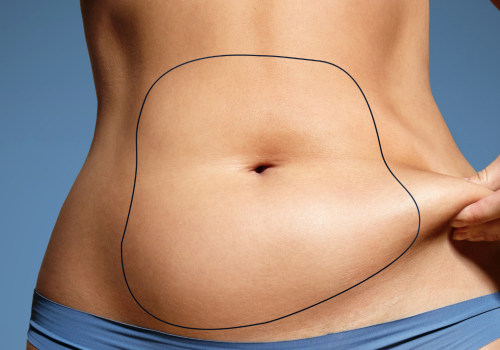
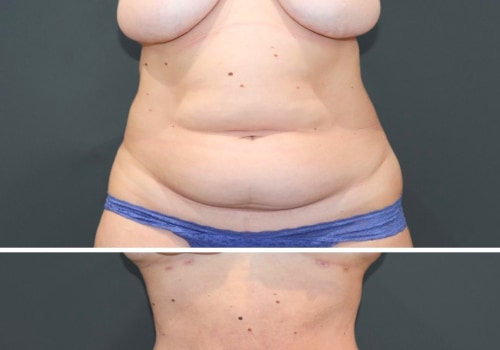
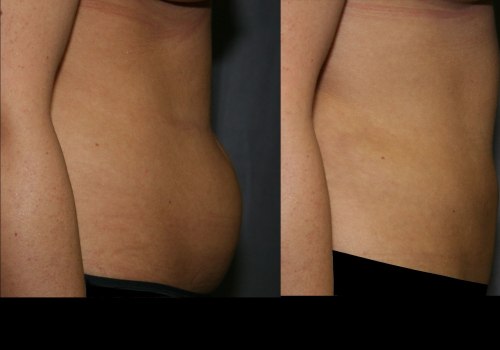
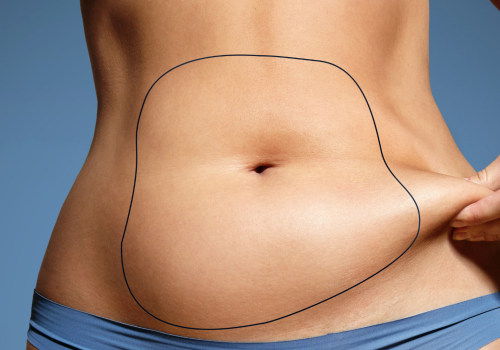
Liposuction is a widely recognised cosmetic procedure designed to remove stubborn fat deposits from various areas of the body, including the belly. This surgical technique has gained popularity due to its ability to sculpt and contour the body, providing individuals with a more toned appearance. However, it is essential to understand that liposuction is not a weight-loss solution; rather, it is a method for enhancing body shape by targeting specific areas of fat that are resistant to diet and exercise.The liposuction procedure typically begins with a consultation where the surgeon evaluates the patient’s health, discusses their goals, and determines if they are a suitable candidate for the surgery. During the procedure itself, local or general anaesthesia is administered to ensure the patient’s comfort.
The surgeon then makes small incisions in the targeted area and inserts a thin tube called a cannula. This cannula is used to loosen and suction out fat cells from beneath the skin. The entire process can take anywhere from one to several hours, depending on the extent of fat removal required.Understanding how liposuction works is crucial for anyone considering this procedure. The technique employs various methods, including tumescent liposuction, where a solution of saline, anaesthetic, and epinephrine is injected into the fat layer to facilitate easier fat removal and minimise bleeding. is crucial for anyone considering this procedure. The technique employs various methods, including tumescent liposuction, where a solution of saline, anaesthetic, and epinephrine is injected into the fat layer to facilitate easier fat removal and minimise bleeding.
Other advanced techniques include ultrasound-assisted liposuction (UAL) and laser-assisted liposuction (SmartLipo), which use sound waves or laser energy to break down fat cells before they are suctioned out. These innovations have made liposuction safer and more effective, allowing for quicker recovery times and improved results.In summary, liposuction offers a viable option for those looking to enhance their body contours by removing unwanted fat. However, it is vital for potential patients to approach this procedure with realistic expectations and an understanding of what it entails. By doing so, they can make informed decisions that align with their aesthetic goals.
Who is a Suitable Candidate for Liposuction?
When considering liposuction, it is essential to identify who qualifies as a suitable candidate for this procedure.Understanding the characteristics of ideal patients can help individuals make informed decisions about their body contouring options.
Body Type and Fat Distribution
One of the primary factors in determining candidacy for liposuction is the individual's body type and fat distribution. Ideal candidates typically have localized areas of fat that are resistant to diet and exercise. These pockets of fat can occur in various regions, including the abdomen, thighs, hips, and arms. Candidates should be within a reasonable weight range, as liposuction is not intended for significant weight loss but rather for contouring specific areas.
Health Status
Another critical aspect is the overall health of the individual.
Suitable candidates should be in good physical health, without any underlying medical conditions that could complicate the procedure or recovery. Conditions such as diabetes, heart disease, or clotting disorders may increase risks during surgery. A thorough pre-operative assessment by a qualified surgeon will help determine if a patient is healthy enough for liposuction.
Realistic Expectations
Having realistic expectations about the outcomes of liposuction is vital for potential candidates. Liposuction can significantly improve body contours but does not guarantee a perfect body or eliminate all fat.
Candidates should understand that while the procedure can enhance their appearance, it is not a substitute for a healthy lifestyle or a solution for obesity. Those who are looking for dramatic transformations may be disappointed with the results.
Age Considerations
Age can also play a role in determining candidacy for liposuction. While there is no strict age limit, younger patients often have better skin elasticity, which can lead to more satisfactory results post-surgery. However, older individuals with good health and realistic expectations can also benefit from the procedure.
Conclusion
In summary, suitable candidates for liposuction are typically those who are at or near their ideal weight, have specific areas of stubborn fat, maintain good health, and possess realistic expectations about the results.
Consulting with a board-certified plastic surgeon is crucial to assess individual circumstances and determine if liposuction is the right choice.
The Liposuction Procedure: What to Expect
Understanding the liposuction procedure is crucial for anyone considering this body contouring option. The journey begins with an initial consultation, where the surgeon evaluates your medical history, discusses your goals, and determines if you are a suitable candidate for the procedure.During this consultation, it’s essential to communicate openly about your expectations and any concerns you may have. The surgeon will explain the different techniques available, such as tumescent liposuction, ultrasound-assisted liposuction, or laser-assisted liposuction, each offering unique benefits depending on your specific needs.Once you decide to proceed, the next step involves pre-operative preparations. This may include blood tests and guidelines on medications to avoid prior to surgery.On the day of the procedure, you will arrive at the surgical facility where you will be given anaesthesia—either local or general—depending on the extent of the liposuction.
What Happens During Liposuction?
The actual liposuction procedure typically lasts between one to several hours, depending on the areas being treated. The surgeon will make small incisions in inconspicuous locations to minimise scarring. A thin tube called a cannula is then inserted through these incisions to suction out fat deposits. The surgeon carefully manoeuvres the cannula to sculpt the body contours while ensuring even fat removal.After the fat is removed, the incisions are closed with sutures or adhesive strips.
You will be monitored in a recovery area before being discharged home. It’s important to have someone accompany you, as you may still be under the effects of anaesthesia.
Liposuction Recovery Process
The recovery process varies from person to person but generally involves some swelling, bruising, and discomfort in the treated areas. Most patients can return to light activities within a few days but should avoid strenuous exercise for at least two weeks. Wearing a compression garment is often recommended to help reduce swelling and support the healing process.Follow-up appointments with your surgeon are crucial for monitoring your recovery and addressing any concerns that may arise.
While initial results can be seen shortly after surgery, it may take several months for swelling to fully subside and for you to see the final outcome of your liposuction.In summary, understanding each step of the liposuction procedure—from consultation through recovery—can help set realistic expectations and prepare you for a successful transformation.
Benefits of Liposuction on the Belly
Liposuction on the belly offers a multitude of benefits that can significantly enhance both physical appearance and emotional well-being. For many individuals, stubborn belly fat can be a source of frustration, especially when traditional methods such as diet and exercise fail to yield the desired results. Here are some key advantages of opting for this procedure:- Improved Body Contours: One of the most notable benefits of belly liposuction is the ability to achieve a more sculpted and defined abdominal area. By removing excess fat deposits, patients can enjoy a flatter stomach and enhanced waistline, leading to a more proportionate body shape.
- Boosted Confidence: Many individuals report a significant increase in self-esteem following liposuction.
The transformation in body shape can lead to greater confidence in social situations, improved body image, and a renewed enthusiasm for activities that may have previously been avoided due to self-consciousness.
- Long-Lasting Results: When performed by a qualified surgeon, the results of belly liposuction can be permanent, provided that patients maintain a stable weight. This means that individuals can enjoy their new body contours for years to come, making it a worthwhile investment in their appearance.
- Targeted Fat Removal: Unlike general weight loss methods, liposuction allows for precise targeting of specific areas of fat. This means that even small pockets of stubborn fat that are resistant to diet and exercise can be effectively addressed, leading to more satisfying results.
- Minimal Scarring: Modern liposuction techniques often involve smaller incisions than traditional methods, resulting in less noticeable scarring. This is particularly advantageous for those who are concerned about the aesthetic impact of surgical procedures.
- Enhanced Physical Comfort: For some individuals, excess abdominal fat can lead to physical discomfort or health issues.
By removing this fat, patients may experience improved mobility and overall comfort in their daily lives.
Limitations and Risks of Liposuction
While liposuction can be an effective method for removing stubborn belly fat, it is essential to understand the limitations and risks associated with the procedure. Being informed can help patients make better decisions and set realistic expectations.Limitations of Liposuction
- Not a Weight Loss Solution: One of the most significant misconceptions about liposuction is that it serves as a weight-loss method.
In reality, it is designed for body contouring and is most effective for individuals who are already close to their ideal weight but have localized fat deposits.
- Skin Elasticity: Liposuction does not address issues related to skin elasticity. Patients with loose or sagging skin may find that liposuction exacerbates these concerns, leading to an unsatisfactory appearance post-procedure. In such cases, additional procedures like a tummy tuck may be necessary. Liposuction does not address issues related to skin elasticity. Patients with loose or sagging skin may find that liposuction exacerbates these concerns, leading to an unsatisfactory appearance post-procedure. In such cases, additional procedures like a tummy tuck may be necessary.
- Fat Redistribution: After liposuction, if a patient gains weight, the fat may not return to the treated area but could accumulate in other parts of the body. This can lead to an unbalanced appearance, which is why maintaining a stable weight is crucial.
Risks and Side Effects of Liposuction
- Surgical Risks: As with any surgical procedure, liposuction carries inherent risks such as infection, bleeding, and adverse reactions to anesthesia.
It is vital to choose a qualified surgeon to minimize these risks.
- Fluid Accumulation: Post-operative fluid accumulation can occur in the treated areas, leading to swelling and discomfort. This condition may require additional procedures to drain the excess fluid.
- Nerve Damage: Although rare, nerve damage can occur during liposuction, resulting in temporary or permanent changes in sensation in the treated area.
- Uneven Results: There is a possibility of uneven contours or asymmetry after the procedure. This can happen if too much fat is removed from one area compared to another or if the surgeon does not achieve a smooth contour.
Always consult with a qualified plastic surgeon to discuss your individual circumstances and ensure that you have realistic expectations about what liposuction can achieve.
Post-Procedure Care and Recovery Tips
Recovering from liposuction is a crucial phase that can significantly influence the overall results of your procedure. Proper post-operative care not only aids in healing but also helps in achieving the desired body contour. Here are some essential tips to ensure a smooth recovery:1.Follow Your Surgeon’s Instructions
Your surgeon will provide specific guidelines tailored to your individual needs. Adhering to these instructions is vital for a successful recovery.This may include advice on medication, activity levels, and follow-up appointments.
2.Manage Pain and Discomfort
It is common to experience some pain and discomfort after the procedure. Your surgeon may prescribe pain relief medication to help manage this. Make sure to take medications as directed and do not hesitate to contact your surgeon if the pain becomes unmanageable.3.Wear Compression Garments
Wearing a compression garment is essential after liposuction. This garment helps reduce swelling, supports the healing tissues, and improves skin retraction.Follow your surgeon's recommendations on how long to wear it, typically for several weeks post-surgery.
4.Stay Hydrated and Eat Well
Maintaining a balanced diet and staying hydrated can significantly aid in your recovery process. Focus on consuming nutrient-rich foods that promote healing, such as:- Lean proteins (chicken, fish, legumes)
- Fruits and vegetables (rich in vitamins and antioxidants)
- Whole grains (for sustained energy)
5.Gradually Resume Activities
While it’s important to rest during the initial recovery period, gradually resuming light activities can help improve circulation and speed up healing. Avoid strenuous exercise or heavy lifting for at least four to six weeks, or as advised by your surgeon.6.Monitor Your Recovery
Keep an eye on your recovery progress. Look out for any signs of complications such as excessive swelling, unusual pain, or discharge from the incision sites.If you notice anything concerning, contact your healthcare provider immediately.
7.Attend Follow-Up Appointments
Your surgeon will schedule follow-up visits to monitor your healing process and address any concerns you may have. These appointments are crucial for ensuring that you are recovering well and achieving optimal results.In conclusion, taking care of yourself after liposuction is essential for a successful recovery and long-lasting results. By following these tips and maintaining open communication with your healthcare team, you can navigate the post-operative phase with confidence.Maintaining Results After Liposuction
After undergoing liposuction, particularly in the abdominal area, many patients are eager to maintain their newly sculpted physique. While the procedure can effectively remove stubborn fat, the long-term success of these results largely depends on the lifestyle choices made post-surgery.Here are some essential strategies to help you maintain your liposuction results.
Adopt a Balanced Diet
One of the most critical factors in preserving your liposuction results is maintaining a healthy diet. Focus on incorporating:- Fruits and Vegetables: These are low in calories and high in essential nutrients, helping to keep your body nourished.
- Lean Proteins: Foods such as chicken, fish, beans, and legumes can help build muscle and keep you feeling full.
- Whole Grains: Opt for whole grains over refined carbohydrates to maintain energy levels and support digestion.
- Healthy Fats: Include sources of healthy fats like avocados, nuts, and olive oil to promote overall health.
Regular Physical Activity
Incorporating regular exercise into your routine is vital for weight management after liposuction. Aim for a mix of:- Aerobic Exercise: Activities like walking, running, cycling, or swimming can help burn calories and improve cardiovascular health.
- Strength Training: Building muscle through weight lifting or resistance exercises can boost metabolism and help maintain a toned appearance.
Stay Hydrated
Drinking plenty of water is essential for overall health and can aid in weight management. Staying hydrated helps control hunger and supports metabolic processes.Aim for at least 2 litres of water daily, adjusting based on your activity level.
Monitor Your Weight
Regularly checking your weight can help you stay accountable. If you notice any significant fluctuations, it may be time to reassess your diet and exercise habits. Keeping a food diary or using a mobile app can also assist in tracking your intake and ensuring you stay on course.Avoiding Weight Fluctuations
It’s important to understand that while liposuction removes fat cells from specific areas, it does not prevent new fat from accumulating if lifestyle changes are not made. Sudden weight gain can lead to fat redistributing to other areas of the body.Therefore, maintaining a stable weight is crucial for preserving the results of your procedure.In conclusion, maintaining the results of belly liposuction requires a commitment to a healthy lifestyle that includes balanced nutrition, regular exercise, hydration, and weight monitoring. By making these choices part of your daily routine, you can enjoy the benefits of your liposuction for years to come.
Alternatives to Liposuction: What Are Your Options?
When considering options for fat reduction, many individuals seek alternatives to liposuction that may better suit their needs, preferences, or health conditions. While liposuction is a well-known surgical procedure for removing stubborn fat, there are several non-surgical alternatives that can effectively target fat deposits without the need for invasive surgery.Non-Surgical Fat Reduction Options
Non-surgical fat reduction techniques have gained popularity due to their minimal downtime and lower risk of complications. Here are some of the most common alternatives:- Cryolipolysis (CoolSculpting): This technique involves freezing fat cells, which causes them to die off and be naturally eliminated by the body.
It is particularly effective for areas like the abdomen, thighs, and flanks.
- Ultrasound Fat Reduction: This method uses ultrasound technology to target and break down fat cells. It is non-invasive and can be used on various body parts.
- Radiofrequency Lipolysis: This procedure employs radiofrequency energy to heat and destroy fat cells while tightening the skin. It is suitable for those looking to improve skin laxity alongside fat reduction.
- Injection Lipolysis: Involves injecting a solution that dissolves fat cells in targeted areas. This method is often used for smaller pockets of fat.
Tummy Tuck vs.
LiposuctionFor individuals with significant excess skin or abdominal sagging, a tummy tuck (abdominoplasty) may be a more appropriate option than liposuction. While both procedures aim to improve body contours, they serve different purposes:
- Liposuction: Primarily focuses on removing fat deposits from specific areas of the body. It does not address skin laxity or excess skin.
- Tummy Tuck: Involves the removal of excess skin and tightening of abdominal muscles, making it ideal for those who have experienced significant weight loss or pregnancy-related changes.
Understanding these options allows individuals to make informed decisions about their body transformation journey.
Frequently Asked Questions About Belly Liposuction
When considering liposuction for belly fat removal, potential patients often have numerous questions. Here, we address some of the most frequently asked questions to help you make an informed decision.What is liposuction?
Liposuction is a cosmetic surgical procedure designed to remove excess fat from specific areas of the body, including the abdomen. It involves the use of a suction technique to extract fat deposits, resulting in improved body contours.Who is an ideal candidate for belly liposuction?
The best candidates for belly liposuction are individuals who are at or near their ideal weight but struggle with stubborn fat pockets that do not respond to diet and exercise. Candidates should also have good skin elasticity and realistic expectations about the outcomes.How much fat can be removed during the procedure?
The amount of fat that can be safely removed during liposuction varies by individual and depends on several factors, including overall health and the specific areas being treated.Typically, surgeons recommend removing no more than 5 to 10 pounds of fat in a single session to ensure safety and optimal results.
What is the recovery process like?
Recovery from belly liposuction varies among patients but generally involves some swelling, bruising, and discomfort in the treated area. Most individuals can return to light activities within a few days, while more strenuous activities should be avoided for several weeks. Your surgeon will provide specific aftercare instructions to aid in your recovery.Are there any risks associated with liposuction?
As with any surgical procedure, there are risks involved with liposuction. Potential complications include infection, scarring, and uneven results.Choosing a qualified and experienced surgeon can significantly reduce these risks.
Will I need to maintain a certain lifestyle after the procedure?
Yes, maintaining a healthy lifestyle is crucial after undergoing liposuction. While the results can be long-lasting if you keep your weight stable, gaining weight post-procedure may lead to fat accumulation in other areas of your body.Can liposuction help with loose skin?
Liposuction primarily targets fat removal and does not address loose skin. If you have significant skin laxity, you may want to consider additional procedures such as a tummy tuck or skin tightening treatments.If you have more questions about belly liposuction, consult with a certified plastic surgeon who can provide tailored advice based on your individual needs and goals.Conclusion: Is Liposuction Right for You?
In conclusion, the decision to undergo liposuction is a significant one that requires careful consideration and thorough understanding of the procedure. As we have explored throughout this article, liposuction can be an effective method for removing stubborn fat deposits, particularly in the abdominal area.However, it is essential to recognise that this procedure is not a magic solution for weight loss or a substitute for a healthy lifestyle.Before making a decision, potential candidates should reflect on several key factors:
- Realistic Expectations: It is crucial to have a clear understanding of what liposuction can and cannot achieve. While it can enhance body contours and remove localized fat, it does not address issues such as loose skin or significant weight loss.
- Health Considerations: Individuals with underlying health conditions or those who are significantly overweight may not be suitable candidates for liposuction. Consulting with a qualified surgeon can help determine if you are an appropriate candidate.
- Surgeon Selection: The expertise and qualifications of your surgeon play a vital role in the success of the procedure. Researching board-certified plastic surgeons and reviewing their previous work can help ensure you receive the best care possible.
- Post-Procedure Commitment: Maintaining a healthy lifestyle post-liposuction is essential for preserving results.
This includes adhering to a balanced diet and regular exercise regimen.