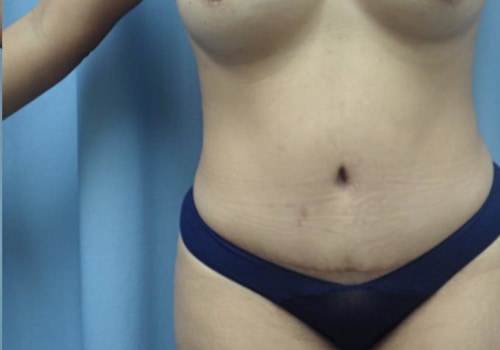
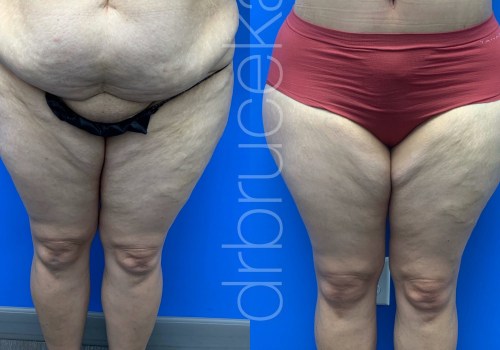
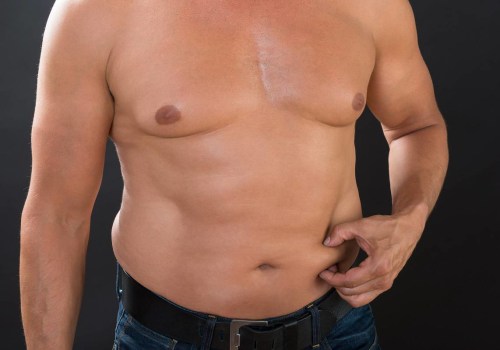
Liposuction, often referred to as lipoplasty or suction-assisted lipectomy, is a popular cosmetic surgical procedure designed to remove excess fat deposits from specific areas of the body. This technique is not merely a weight-loss solution; rather, it is intended for body contouring, helping individuals achieve a more sculpted appearance by targeting stubborn fat that does not respond to diet and exercise. Understanding the intricacies of liposuction is essential for anyone considering this procedure, as it can help dispel common myths and clarify its true purpose.The liposuction procedure involves the use of a thin tube called a cannula, which is inserted through small incisions in the skin. The surgeon then uses this cannula to suction out fat from the targeted areas.
This method allows for precise fat removal, resulting in smoother contours and improved body shape. While liposuction can be performed on various parts of the body, including the abdomen, thighs, buttocks, arms, and neck, it is crucial to note that it is not a substitute for a healthy lifestyle or a solution for obesity.One of the key aspects of liposuction is its ability to enhance self-esteem and body image. Many individuals who opt for this procedure do so after struggling with areas of fat that persist despite their best efforts in maintaining a healthy lifestyle. By understanding what liposuction entails and how it works, potential candidates can make informed decisions about whether this procedure aligns with their personal goals and expectations.As we delve deeper into the topic of liposuction throughout this article, we will address various myths and misconceptions surrounding the procedure.
By providing accurate information and insights from experienced professionals in the field, we aim to equip readers with the knowledge necessary to navigate their options confidently.
Common Myths About Liposuction
When considering liposuction, it is essential to separate fact from fiction. Numerous myths and misconceptions can cloud the understanding of this popular cosmetic procedure. Here, we will explore some of the most common myths surrounding liposuction and provide clarity on each.- Myth 1: Liposuction is a Weight Loss Solution
Many people mistakenly believe that liposuction is an effective method for significant weight loss. In reality, liposuction is designed for body contouring rather than weight reduction.It is most effective for individuals who are already close to their ideal weight but struggle with stubborn fat deposits that do not respond to diet and exercise.
- Myth 2: Liposuction is a Quick Fix for Obesity
Another prevalent misconception is that liposuction can serve as a quick fix for obesity. This is far from the truth. Liposuction is not a substitute for a healthy lifestyle or a comprehensive weight loss programme. It should be viewed as a complementary procedure to enhance the results of a balanced diet and regular exercise. - Myth 3: Liposuction Results are Permanent
While liposuction can remove fat cells from specific areas, it does not prevent new fat from accumulating in the future.If a patient does not maintain a healthy lifestyle post-procedure, they may still gain weight, which can lead to the remaining fat cells expanding or new fat cells developing in other areas.
- Myth 4: Liposuction is Only for Women
Liposuction is often perceived as a procedure exclusively for women; however, this is not the case. Men also seek liposuction to address areas such as love handles, gynecomastia (enlarged male breasts), and abdominal fat. The procedure can be tailored to meet the unique needs of both genders. - Myth 5: Liposuction Leaves Noticeable Scars
Many potential patients fear that liposuction will leave them with unsightly scars. While all surgical procedures carry some risk of scarring, skilled surgeons use advanced techniques to minimise incision size and placement, often resulting in scars that are barely visible.
Understanding the realities of this procedure helps set realistic expectations and encourages individuals to pursue healthier lifestyle choices alongside any cosmetic enhancements.
The Safety of Liposuction: What You Need to Know
When considering liposuction, understanding its safety profile is paramount. While the procedure is widely regarded as effective for body contouring, it is essential to acknowledge that, like any surgical intervention, it carries inherent risks. The key to minimising these risks lies in selecting a qualified and experienced plastic surgeon.One of the most significant factors influencing the safety of liposuction is the surgeon's expertise. A board-certified plastic surgeon with a proven track record in performing liposuction can significantly reduce the likelihood of complications. , understanding its safety profile is paramount. While the procedure is widely regarded as effective for body contouring, it is essential to acknowledge that, like any surgical intervention, it carries inherent risks. The key to minimising these risks lies in selecting a qualified and experienced plastic surgeon.One of the most significant factors influencing the safety of liposuction is the surgeon's expertise. A board-certified plastic surgeon with a proven track record in performing liposuction can significantly reduce the likelihood of complications.During your initial consultation, ensure that you discuss their qualifications, experience, and the specific techniques they employ.
Potential Risks and Complications
While many patients undergo liposuction without any issues, it is crucial to be aware of potential risks, which may include:- Infection: As with any surgical procedure, there is a risk of infection at the incision sites. Following post-operative care instructions diligently can help mitigate this risk.
- Fluid Accumulation: After liposuction, some patients may experience fluid build-up in the treated areas, necessitating drainage.
- Blood Clots: The formation of blood clots can occur post-surgery, particularly in the legs. Patients are often advised to move around as soon as possible to reduce this risk.
- Numbness or Changes in Sensation: Some individuals may experience temporary or permanent changes in sensation in the treated areas.
- Skin Irregularities: Uneven contours or sagging skin can occur if the skin does not adapt well after fat removal.
The Importance of Aftercare
Post-operative care plays a crucial role in ensuring a safe recovery.Patients should adhere to their surgeon's guidelines regarding activity levels, wound care, and follow-up appointments. This diligence not only aids in healing but also helps identify any potential complications early on.In conclusion, while liposuction is generally safe when performed by a qualified professional, understanding the associated risks and prioritising proper aftercare are essential steps for anyone considering this procedure. By making informed decisions and choosing an experienced surgeon, you can enhance your chances of achieving satisfactory results while minimising potential complications.
Who is a Suitable Candidate for Liposuction?
Determining whether you are a suitable candidate for liposuction involves several important factors that encompass both physical and psychological aspects. Understanding these criteria can help you make an informed decision about whether this procedure aligns with your goals and health status.1.Overall Health
A primary consideration for anyone contemplating liposuction is their overall health.
Ideal candidates should:
- Be in good physical condition, free from serious medical conditions such as heart disease, diabetes, or respiratory issues.
- Have a stable weight, ideally within 30% of their ideal body weight, as significant fluctuations can affect the results.
- Not smoke or be willing to quit smoking prior to the procedure, as smoking can impede healing and increase the risk of complications.
2.Skin Elasticity
The condition of your skin plays a crucial role in the success of liposuction. Candidates with good skin elasticity are more likely to achieve desirable results, as their skin can better conform to the new body contours after fat removal. If your skin has lost elasticity due to age or significant weight loss, you may need to consider additional procedures, such as a tummy tuck, to achieve optimal results.
3.Body Type and Fat Distribution
Liposuction is most effective for individuals who have specific areas of stubborn fat that do not respond to diet and exercise. Common target areas include:
- Abdomen
- Thighs
- Hips
- Arms
- Back
- Neck and chin
4.Realistic Expectations
Candidates should have realistic expectations regarding the outcomes of liposuction.
While it can significantly improve body contours, it is not a weight-loss solution or a substitute for a healthy lifestyle. Understanding what liposuction can and cannot achieve is essential for satisfaction with the results.
5.Psychological Readiness
Finally, psychological readiness is an often-overlooked aspect of candidacy for liposuction. Candidates should:
- Be emotionally stable and have a positive body image.
- Understand the risks involved and be prepared for the recovery process.
- Be motivated by personal reasons rather than external pressures or societal standards.
Liposuction Techniques: What Are Your Options?
When considering liposuction, it is essential to understand the various techniques available, as each method offers unique benefits and may be more suitable for different body types and aesthetic goals. Below, we explore some of the most common liposuction techniques, including tumescent liposuction and ultrasound-assisted liposuction.Tumescent Liposuction
Tumescent liposuction is one of the most widely used techniques today.This method involves injecting a large volume of a saline solution mixed with local anaesthetic and epinephrine into the targeted fat areas before the actual fat removal process begins. The solution causes the fat cells to swell and become firm, making them easier to remove. The benefits of tumescent liposuction include:
- Reduced Pain: The local anaesthetic helps minimise discomfort during and after the procedure.
- Less Blood Loss: The epinephrine constricts blood vessels, reducing bleeding and bruising.
- Shorter Recovery Time: Patients often experience quicker recovery due to less trauma to surrounding tissues.
Ultrasound-Assisted Liposuction (UAL)
Ultrasound-assisted liposuction employs sound wave technology to break down fat cells before they are suctioned out. This technique can be particularly effective for fibrous areas of the body, such as the back or male breast tissue.The advantages of UAL include:
- Enhanced Fat Removal: The ultrasound waves liquefy fat, making it easier to extract, especially in challenging areas.
- Less Trauma: UAL can be less traumatic to surrounding tissues compared to traditional methods, potentially leading to less swelling and bruising.
- Precision: This technique allows for more precise targeting of fat deposits, which can result in smoother contours.
Liposuction Techniques Comparison
While tumescent and ultrasound-assisted liposuction are popular options, there are other techniques worth mentioning:- Suction-Assisted Liposuction (SAL): This traditional method uses a vacuum-like device to remove fat directly from the body without prior fluid injection.
- Power-Assisted Liposuction (PAL): Similar to SAL but utilises a powered cannula that vibrates to facilitate fat removal, making the process quicker and less strenuous for the surgeon.
- Laser-Assisted Liposuction (LAL): This technique uses laser energy to liquefy fat cells before suctioning them out, which can also promote skin tightening.
Preparing for Liposuction: What to Expect
Preparing for liposuction is a crucial step that can significantly influence the outcome of your procedure. Understanding what to expect and how to prepare can help alleviate anxiety and ensure a smoother surgical experience.Before undergoing liposuction, you will typically have an initial consultation with your plastic surgeon. This meeting is essential for discussing your goals, medical history, and any concerns you may have.During this consultation, your surgeon will:
- Evaluate your overall health and suitability for the procedure.
- Discuss the specific areas you wish to target and the expected results.
- Explain the different techniques available and recommend the most appropriate one for your needs.
- Review potential risks and complications associated with liposuction.
- Avoid Smoking: Smoking can impair healing and increase the risk of complications. It is advisable to quit smoking at least four weeks before your surgery.
- Maintain a Healthy Diet: Eating a balanced diet rich in vitamins and minerals can help prepare your body for surgery. Focus on consuming lean proteins, fruits, vegetables, and whole grains.
- Stay Hydrated: Drinking plenty of water is essential for optimal health. Proper hydration can aid in recovery post-surgery.
- Avoid Certain Medications: Your surgeon may advise you to avoid blood thinners, such as aspirin or ibuprofen, as these can increase bleeding during and after the procedure.
- Fasting: You will likely be instructed not to eat or drink anything for a certain period before your surgery.
This is crucial if you are undergoing general anaesthesia.
- Arrive Early: Arriving at the clinic or hospital early allows time for any last-minute preparations and ensures that you are calm before the procedure.
- Wear Comfortable Clothing: Opt for loose-fitting clothes that are easy to put on and take off post-surgery.
Post-Operative Care: Recovery After Liposuction
Recovering from liposuction is a crucial phase that significantly influences the overall outcome of the procedure. Understanding the recovery process and adhering to post-operative care guidelines can help ensure optimal results and minimise complications.Immediately after the surgery, patients can expect to experience some swelling, bruising, and discomfort in the treated areas. These symptoms are normal and typically subside within a few weeks.However, it is essential to follow specific aftercare tips to facilitate healing:
- Rest and Recovery: Allow your body ample time to heal. It is advisable to take at least a week off work, depending on the extent of the procedure and your overall health.
- Compression Garments: Wearing a compression garment as recommended by your surgeon is vital. This helps reduce swelling and supports the new contours of your body.
- Hydration: Staying well-hydrated aids in recovery. Drink plenty of water to help flush out toxins and support your body's healing processes.
- Follow-Up Appointments: Attend all scheduled follow-up appointments with your surgeon.
These visits are essential for monitoring your recovery and addressing any concerns.
- Avoid Strenuous Activities: Refrain from heavy lifting, vigorous exercise, or any activities that may strain your body for at least four to six weeks post-surgery.
- Pain Management: Use prescribed pain medications as directed. Over-the-counter pain relievers may also be recommended to manage discomfort.
Realistic Expectations: Results of Liposuction
When considering liposuction, it is crucial for patients to have a clear understanding of what results they can realistically expect.While liposuction is an effective method for removing stubborn fat deposits, it is not a weight-loss solution or a substitute for a healthy lifestyle. Understanding the limitations and potential outcomes of the procedure can significantly enhance patient satisfaction.Firstly, it is important to note that liposuction is designed to contour the body rather than to achieve dramatic weight loss. Ideal candidates are typically those who are already close to their target weight but struggle with specific areas of fat that do not respond to diet and exercise. This means that while patients may see a noticeable difference in their body shape, they should not expect to lose large amounts of weight through this procedure.
What to Expect Post-Procedure
After undergoing liposuction, patients can anticipate some swelling and bruising in the treated areas, which may take several weeks to subside.The final results may not be visible immediately, as the body requires time to heal and adjust after the procedure. Typically, patients will start to see significant improvements within three to six months post-surgery.
Realistic Outcomes
The outcomes of liposuction can vary based on several factors, including:- Body Type: Individual anatomy plays a significant role in how fat is distributed and how the skin responds after fat removal.
- Skin Elasticity: Patients with good skin elasticity are more likely to achieve smoother and tighter results post-liposuction.
- Amount of Fat Removed: The volume of fat removed can influence the overall appearance; however, excessive fat removal can lead to complications and undesirable results.
By understanding what the procedure can and cannot achieve, individuals can make informed decisions and enjoy their journey towards improved body confidence.
Addressing Concerns: FAQs About Liposuction
When considering liposuction, potential patients often have numerous questions and concerns. Addressing these frequently asked questions can help demystify the procedure and provide clarity for those contemplating this cosmetic surgery.What is liposuction?
Liposuction is a surgical procedure designed to remove excess fat deposits from specific areas of the body, such as the abdomen, thighs, buttocks, arms, and neck. It is not a weight-loss solution but rather a body contouring technique that can enhance your overall appearance.Who is a suitable candidate for liposuction?
Ideal candidates for liposuction are individuals who are close to their target weight but struggle with stubborn fat pockets that do not respond to diet and exercise. Candidates should also have good skin elasticity, as this helps the skin conform to the new body contours post-surgery.What are the risks associated with liposuction?
As with any surgical procedure, there are risks involved.Common risks include:
- Infection
- Fluid accumulation
- Blood clots
- Numbness or changes in skin sensation
- Uneven contours or asymmetry
How long is the recovery period?
The recovery time varies depending on the extent of the procedure and individual healing rates. Most patients can return to light activities within a few days but should avoid strenuous exercise for several weeks. Your surgeon will provide specific aftercare instructions to ensure optimal healing.Will I have visible scars after liposuction?
Liposuction incisions are typically small and strategically placed in less visible areas. While some scarring may occur, it usually fades over time and becomes less noticeable.How long do the results last?
The results of liposuction can be long-lasting, provided that patients maintain a stable weight through a healthy lifestyle.Weight gain can affect the results, so it’s essential to adopt sustainable habits post-surgery.If you have more questions or specific concerns about liposuction, it’s advisable to consult with a board-certified plastic surgeon who can provide personalised information based on your unique situation.
Conclusion: Making an Informed Decision About Liposuction
In conclusion, the journey towards considering liposuction is one that requires careful thought and thorough understanding. Throughout this article, we have explored the various myths and misconceptions surrounding this popular cosmetic procedure, aiming to provide clarity and factual information to help you make an informed decision.It is essential to recognise that while liposuction can offer significant benefits in terms of body contouring and enhancing self-esteem, it is not a substitute for a healthy lifestyle or a solution for weight loss. The procedure is best suited for individuals who are close to their ideal weight and possess good skin elasticity, as these factors greatly influence the outcome.Moreover, the importance of selecting a qualified and experienced plastic surgeon cannot be overstated. A board-certified surgeon will not only ensure that the procedure is performed safely but will also provide you with realistic expectations regarding the results.During your consultation, be open about your medical history and aesthetic goals, as this information is crucial in determining your suitability for liposuction.As we have discussed, potential risks and complications exist, including post-surgical infections and changes in skin texture. However, these risks can be minimised through proper pre-operative assessments and adherence to post-operative care instructions. Understanding these aspects will empower you to approach your decision with confidence.Ultimately, the choice to undergo liposuction should stem from a desire for personal enhancement rather than external pressures or societal standards. Take the time to weigh the pros and cons, consult with professionals, and consider your motivations carefully.
By doing so, you will be better equipped to make a decision that aligns with your personal goals and well-being.In summary, informed decision-making is key when it comes to cosmetic surgery. With the right knowledge and support, you can embark on your journey towards achieving the body you desire while prioritising your health and safety.