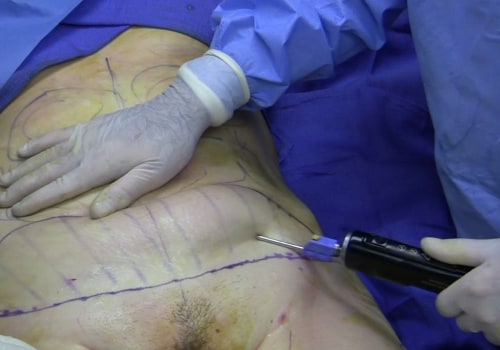
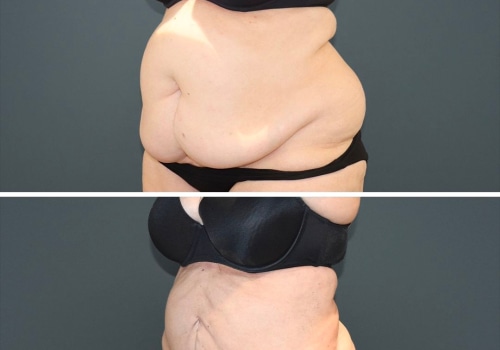
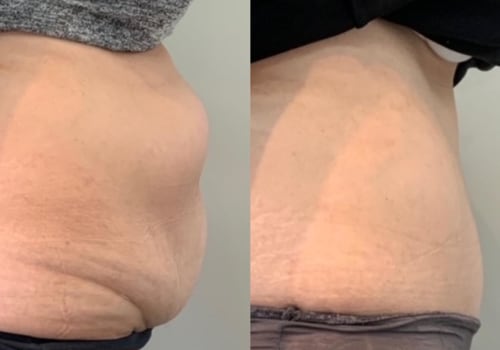
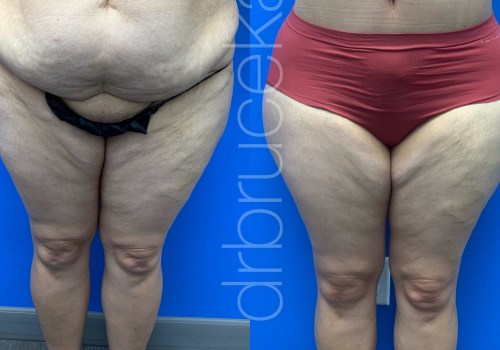
Liposuction is a popular cosmetic surgical procedure designed to remove stubborn fat deposits from various areas of the body. This technique is particularly effective for individuals who struggle to achieve their desired body shape through diet and exercise alone. By targeting specific regions such as the abdomen, thighs, hips, and arms, liposuction can help sculpt a more contoured physique, enhancing overall appearance and boosting self-confidence.The procedure involves the use of a thin tube called a cannula, which is inserted through small incisions in the skin. The surgeon then uses this cannula to suction out excess fat from the targeted areas.
Liposuction can be performed using various techniques, including tumescent liposuction, ultrasound-assisted liposuction, and laser-assisted liposuction, each offering unique benefits and recovery experiences. Regardless of the method chosen, the primary goal remains the same: to remove unwanted fat while ensuring minimal trauma to surrounding tissues.One of the most significant advantages of liposuction is its ability to provide immediate results. Patients often notice a dramatic change in their body shape shortly after the procedure, with final results becoming more apparent as swelling subsides over time. Additionally, liposuction can be tailored to meet individual needs, making it suitable for a wide range of body types and aesthetic goals.
Beyond aesthetic improvements, many patients report enhanced motivation to maintain a healthy lifestyle post-surgery, as they feel more confident in their appearance.However, it is essential to approach liposuction with realistic expectations. While it can effectively remove fat deposits, it is not a weight-loss solution or a substitute for a healthy lifestyle. Understanding what liposuction entails and its potential benefits sets the stage for exploring age-related considerations that may influence candidacy for this transformative procedure.
The Role of Age in Liposuction Candidates
When considering liposuction, age plays a significant role in determining candidacy and expected outcomes. While there is no strict age limit for the procedure, various factors associated with different age groups can influence both the decision to undergo liposuction and the results achieved.Younger Candidates
For younger individuals, typically those in their late teens to early thirties, liposuction can be an effective solution for targeting stubborn fat deposits that resist diet and exercise.One of the primary advantages of younger candidates is their skin's natural elasticity. This elasticity allows the skin to retract more effectively after fat removal, leading to smoother and more aesthetically pleasing results.However, it is crucial for younger patients to have realistic expectations. Many plastic surgeons recommend that individuals under 18 consider non-surgical options first, such as lifestyle changes or weight management strategies. This is because the bodies of adolescents are still developing, and premature surgical interventions may lead to complications or dissatisfaction with results as their bodies continue to change.
Older Candidates
On the other hand, older patients—those in their forties and beyond—may also seek liposuction, but they face different considerations.As we age, our skin loses elasticity and firmness, which can affect the outcome of the procedure. While older adults can still achieve significant fat reduction, they may require additional procedures, such as skin tightening treatments, to address sagging skin that may result from fat removal.Moreover, older candidates often have a higher likelihood of pre-existing health conditions that could complicate surgery. Conditions such as diabetes, hypertension, or cardiovascular issues must be carefully evaluated by a board-certified plastic surgeon before proceeding with liposuction. A thorough medical assessment ensures that any potential risks are managed effectively.
Conclusion
Ultimately, the best age for liposuction varies from person to person.It is essential for candidates of all ages to consult with a qualified plastic surgeon who can assess their individual circumstances, including health status and aesthetic goals. By understanding how age influences candidacy for liposuction, patients can make informed decisions that align with their personal health and beauty objectives.
Liposuction in Younger Patients
Liposuction has gained popularity among younger patients, particularly those in their late teens and early twenties, who are seeking to enhance their body contours. While the decision to undergo any cosmetic procedure should be made with careful consideration, there are several advantages to liposuction for this demographic.Benefits of Liposuction for Young Adults
- Improved Body Confidence: Many young adults struggle with body image issues, often exacerbated by societal pressures and unrealistic beauty standards. Liposuction can help these individuals achieve a more proportionate figure, leading to increased self-esteem and confidence.
- Targeting Stubborn Fat: Despite maintaining a healthy lifestyle, some young adults may find it challenging to eliminate localized fat deposits through diet and exercise alone.
Liposuction offers a solution by effectively removing these stubborn areas of fat, such as love handles or excess abdominal fat.
- Long-Lasting Results: When combined with a balanced diet and regular exercise, the results of liposuction can be long-lasting. Younger patients often have better skin elasticity, which allows the skin to conform more effectively to the new body shape post-surgery. When combined with a balanced diet and regular exercise, the results of liposuction can be long-lasting. Younger patients often have better skin elasticity, which allows the skin to conform more effectively to the new body shape post-surgery.
The Importance of Skin Elasticity in Youth
One of the key factors that contribute to the success of liposuction in younger patients is skin elasticity. As individuals age, their skin naturally loses some of its elasticity due to a decrease in collagen production. In contrast, younger individuals typically possess more resilient skin that can adapt better after fat removal.
This means that they are less likely to experience sagging or loose skin following the procedure.Moreover, younger patients often have a higher metabolic rate and better overall health, which can facilitate quicker recovery times and enhance surgical outcomes. However, it is crucial for potential candidates to approach liposuction with realistic expectations. While the procedure can significantly improve body contours, it is not a substitute for a healthy lifestyle or weight management.In conclusion, liposuction can be an effective option for younger patients looking to refine their body shape. By understanding the benefits and considering factors such as skin elasticity, individuals can make informed decisions about whether this procedure aligns with their aesthetic goals.
Liposuction in Older Patients
As individuals age, their bodies undergo various changes that can impact the effectiveness and safety of cosmetic procedures like liposuction.For older patients considering this surgery, it is crucial to understand the unique challenges they may face, particularly regarding skin elasticity and overall health.
Skin Elasticity in Older Age
One of the most significant factors influencing the outcome of liposuction in older adults is skin elasticity. As we age, our skin naturally loses collagen and elastin, leading to a decrease in firmness and elasticity. This can result in sagging skin, which may not retract effectively after fat removal. Consequently, while liposuction can eliminate stubborn fat deposits, older patients might find that their skin does not conform to the new body contours as well as it would in younger individuals.For older patients, it is essential to have realistic expectations regarding the results of liposuction.
While the procedure can enhance body shape, it may not yield the same smooth and tight appearance that younger patients often achieve. Therefore, discussing these concerns with a qualified plastic surgeon is vital to ensure that patients understand what to expect post-surgery.
Health Considerations and Risks
Another critical aspect for older adults considering liposuction is their overall health status. Many seniors may have pre-existing health conditions such as diabetes, hypertension, or cardiovascular issues that could complicate surgery and recovery. These conditions can increase the risk of complications during and after the procedure, including:
- Infection: Older adults may have a slower healing process, making them more susceptible to infections.
- Blood Clots: The risk of deep vein thrombosis (DVT) can be higher in older patients post-surgery.
- Anesthesia Risks: Seniors may face increased risks associated with anesthesia due to underlying health issues.
This evaluation should include a review of their medical history, current medications, and any existing health conditions. A board-certified plastic surgeon will assess these factors to determine if liposuction is a safe option.
Conclusion
Liposuction can be a viable option for older adults looking to improve their body shape; however, it comes with specific considerations that must be addressed. By understanding the implications of aging on skin elasticity and being aware of potential health risks, older patients can make informed decisions about whether liposuction is right for them. Consulting with an experienced plastic surgeon will provide valuable insights tailored to individual circumstances, ensuring that any surgical decision aligns with personal health goals and expectations.
Health Considerations Beyond Age
When considering liposuction, it is crucial to understand that age is just one of many factors influencing candidacy for the procedure.A comprehensive health assessment is essential to ensure that patients are not only physically prepared for surgery but also likely to achieve optimal results.
Chronic Health Conditions
Several chronic health conditions can significantly impact a person's suitability for liposuction. These include:
- Cardiovascular Disease: Patients with heart conditions may face increased risks during and after surgery due to potential complications related to anaesthesia and recovery.
- Diabetes: Individuals with diabetes may experience slower healing times and a higher risk of infection, which can complicate the recovery process.
- Respiratory Issues: Conditions such as asthma or chronic obstructive pulmonary disease (COPD) can affect a patient's ability to recover from anaesthesia and may lead to complications during surgery.
- Obesity: While liposuction is often sought by those looking to reduce fat, patients with a high body mass index (BMI) may be at greater risk for surgical complications, including blood clots and delayed healing.
Pre-Surgery Health Assessment
A thorough pre-surgery health assessment is vital for determining whether liposuction is appropriate. This assessment typically includes:
- Medical History Review: Surgeons will evaluate your medical history, including any past surgeries, chronic conditions, and medications you are currently taking.
- Physical Examination: A physical exam helps assess your overall health, skin elasticity, and fat distribution, which are critical factors in determining the potential success of liposuction.
- Laboratory Tests: Blood tests may be required to check for underlying health issues that could complicate surgery or recovery.
Alternatives to Liposuction Based on Age and Health
While liposuction is a popular choice for body contouring, it is not the only option available.Depending on a patient’s age, health status, and specific body goals, there are several alternatives that may be more suitable. Understanding these alternatives can help individuals make informed decisions about their cosmetic procedures.
Non-Surgical Fat Reduction Options
For those who may not be ready for surgery or are concerned about recovery time, non-surgical fat reduction methods can be effective. These options typically involve minimal downtime and can be performed in an outpatient setting. Some of the most common non-surgical alternatives include:- Cryolipolysis (CoolSculpting): This technique freezes fat cells, causing them to die off naturally over time.
It is ideal for individuals with localized fat deposits and is suitable for various age groups.
- Ultrasound Fat Reduction: This method uses ultrasound technology to target and break down fat cells without harming surrounding tissues. It is a non-invasive option that can be particularly appealing to older patients.
- Radiofrequency Lipolysis: This procedure employs radiofrequency energy to heat and destroy fat cells while tightening the skin. It is beneficial for those looking to improve skin laxity along with fat reduction.
- Injection Lipolysis: Involves injecting substances like deoxycholic acid to dissolve fat in specific areas. This method is less invasive and can be suitable for smaller areas of concern.
When to Consider a Tummy Tuck Instead of Liposuction
A tummy tuck, or abdominoplasty, is another surgical option that may be more appropriate than liposuction for certain individuals, particularly those with significant skin laxity or excess skin following weight loss or pregnancy.Here are some scenarios where a tummy tuck might be recommended:
- Post-Pregnancy Changes: Women who have experienced multiple pregnancies may find that their abdominal muscles have weakened and their skin has lost elasticity. A tummy tuck can restore muscle tone and remove excess skin.
- Significant Weight Loss: Individuals who have lost a substantial amount of weight may have loose skin that cannot be addressed through liposuction alone. A tummy tuck can provide a more comprehensive solution by removing this excess skin.
- Aging Skin: As we age, our skin loses elasticity, which can lead to sagging in the abdominal area. For older patients, a tummy tuck may offer better results than liposuction alone.
Each procedure has its own benefits and considerations, making it essential to choose the one that aligns best with your goals.
Preparing for Liposuction: What You Need to Know
Preparing for liposuction is a crucial step in ensuring a successful outcome. The process begins long before the actual surgery, and understanding what to expect can help alleviate any anxiety you may have. Here’s a comprehensive guide on how to prepare effectively.Initial Consultation
Your journey towards liposuction starts with an initial consultation with a board-certified plastic surgeon. This meeting is essential for discussing your goals, medical history, and any concerns you may have.During this consultation, your surgeon will:
- Evaluate Your Health: A thorough assessment of your overall health will be conducted. This includes reviewing your medical history, current medications, and any pre-existing conditions that could affect the surgery.
- Discuss Your Goals: Clearly articulating your aesthetic goals is vital. Your surgeon will help you understand what is achievable through liposuction and whether it aligns with your expectations.
- Examine Target Areas: The surgeon will assess the specific areas you wish to target for fat removal, providing insights into the best techniques suited for your body type.
Pre-Operative Assessments
Once you decide to proceed with the surgery, further pre-operative assessments will be scheduled. These may include:- Blood Tests: Routine blood tests are often required to ensure that you are fit for surgery and to check for any underlying health issues.
- Imaging Studies: In some cases, imaging studies may be necessary to evaluate the areas targeted for liposuction more accurately.
- Physical Examination: A detailed physical examination will help determine your skin elasticity and overall suitability for the procedure.
Preparing Physically and Mentally
In addition to medical preparations, there are several lifestyle adjustments you should consider:- Avoid Smoking: If you smoke, it’s advisable to quit at least a few weeks before surgery as smoking can impede healing.
- Maintain a Healthy Diet: Eating a balanced diet rich in vitamins and minerals can enhance your body’s ability to heal post-surgery.
- Stay Hydrated: Proper hydration is essential leading up to the procedure.
- Mental Preparation: Understand that recovery takes time.
Setting realistic expectations about the results and recovery process can help you mentally prepare for the changes ahead.
Post-Operative Care and Recovery Expectations
After undergoing liposuction, patients often have questions about the recovery process and what to expect during their healing journey. Understanding the post-operative care and recovery expectations is crucial for achieving optimal results and ensuring a smooth transition back to daily activities.Initial Recovery Phase
The first few days following liposuction are critical. Patients may experience swelling, bruising, and discomfort in the treated areas. It is essential to follow your surgeon's instructions closely during this time.Here are some key points to consider:
- Rest: Allow your body to heal by getting plenty of rest. Avoid strenuous activities and heavy lifting for at least two weeks.
- Compression Garments: Wearing a compression garment as advised helps reduce swelling and supports the healing tissues. Ensure it fits snugly but is not overly tight.
- Pain Management: Your surgeon will likely prescribe pain medication or recommend over-the-counter options to manage discomfort. Take medications as directed.
Managing Swelling and Bruising
Swelling is a normal part of the recovery process after liposuction.To help manage this, consider the following tips:
- Stay Hydrated: Drink plenty of water to help flush out toxins and reduce swelling.
- Cold Compresses: Applying cold compresses to the swollen areas can provide relief and help minimise inflammation.
- Avoid Salt: Reducing salt intake can prevent additional water retention, which may exacerbate swelling.
Long-Term Recovery Considerations
The full recovery from liposuction can take several weeks, with most patients returning to normal activities within two to four weeks. However, complete healing may take up to six months or longer. Here are some long-term care tips:- Follow-Up Appointments: Attend all scheduled follow-up visits with your surgeon to monitor your progress and address any concerns.
- Healthy Lifestyle: Maintain a balanced diet and regular exercise routine to support your body’s healing process and maintain your results.
- Avoid Smoking: If you smoke, consider quitting or reducing your intake, as smoking can hinder healing and increase the risk of complications.
Common Myths About Liposuction and Age
Liposuction is often surrounded by a cloud of myths and misconceptions, particularly when it comes to age.These misunderstandings can lead to potential candidates feeling discouraged or misinformed about their options. Here, we will debunk some of the most common myths related to liposuction and age.
- Myth 1: Liposuction is Only for Young People
Many believe that liposuction is exclusively for younger individuals. While it is true that younger patients may experience better skin elasticity, this does not mean that older adults cannot benefit from the procedure. In fact, many older patients successfully undergo liposuction and achieve satisfying results.The key factor is not age but rather the individual's overall health and skin condition.
- Myth 2: Older Patients Cannot Heal After Liposuction
Another common misconception is that older patients will not heal properly after liposuction. While it is true that healing may take longer as we age, many older adults have successfully recovered from the procedure. Factors such as pre-existing health conditions and lifestyle choices play a more significant role in recovery than age alone. - Myth 3: Liposuction is a Weight Loss Solution
Some people mistakenly believe that liposuction is a method for significant weight loss. In reality, liposuction is designed to target specific areas of stubborn fat and is not a substitute for a healthy lifestyle.Candidates should ideally be close to their target weight before considering the procedure.
- Myth 4: Liposuction Results Are Permanent Regardless of Age
While liposuction can provide long-lasting results, it does not prevent future weight gain or changes in body shape due to aging. Maintaining a stable weight through diet and exercise is crucial for preserving the results of the procedure, regardless of the patient's age. - Myth 5: Liposuction Is Unsafe for Older Adults
Safety concerns regarding liposuction in older adults are often exaggerated. As long as candidates are in good health and have no serious medical conditions, they can safely undergo the procedure. A thorough consultation with a board-certified plastic surgeon will help assess individual risks and benefits.
By understanding these common myths, potential candidates can make informed decisions about their bodies and aesthetic goals.
Conclusion: Finding the Right Age for You
In conclusion, determining the best age for liposuction is a multifaceted decision that goes beyond mere numbers. While younger individuals often enjoy the benefits of better skin elasticity, which can lead to more satisfying results, it is crucial to remember that age alone should not dictate eligibility for this transformative procedure. Each candidate's unique circumstances, including their overall health, skin condition, and personal goals, play a significant role in the decision-making process.As we have discussed, liposuction is not merely about age; it is about finding the right balance between physical health and aesthetic aspirations. For younger patients, particularly those in their late teens and early twenties, it is essential to consider whether lifestyle changes could yield similar results without surgical intervention.In contrast, older adults may still achieve excellent outcomes with liposuction if they maintain good health and possess adequate skin elasticity.Moreover, the importance of consulting with a board-certified plastic surgeon cannot be overstated. A qualified professional will assess your individual situation comprehensively, taking into account factors such as:
- Your medical history and any pre-existing conditions
- Your body mass index (BMI) and overall fitness level
- The specific areas you wish to target for fat removal
- Your expectations regarding the results of the procedure
Instead, it is about finding the right time for you—when you are physically prepared and mentally ready to embrace the changes that come with this popular cosmetic procedure.