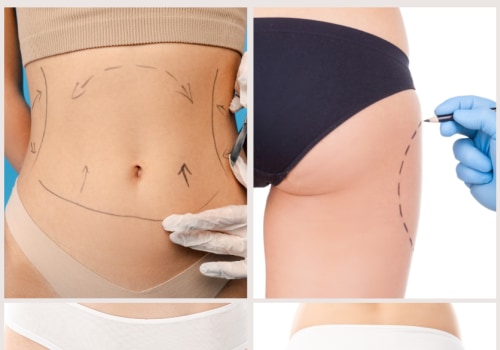
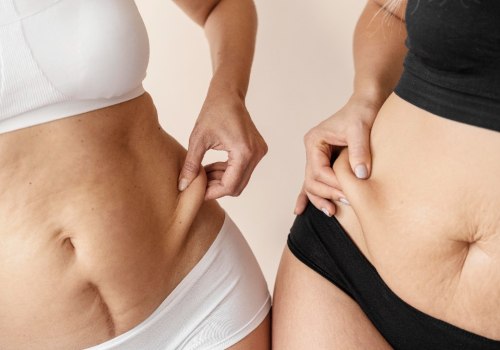
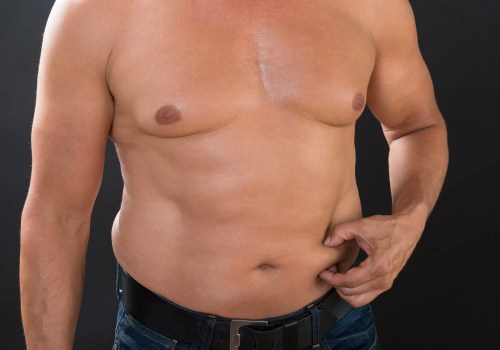
Liposuction is a widely recognised cosmetic procedure designed to remove stubborn fat deposits from various areas of the body. It is particularly effective for individuals who struggle with localized fat that does not respond to traditional weight loss methods such as diet and exercise. By targeting specific regions, liposuction can help sculpt the body, enhancing contours and improving overall appearance. This procedure is not merely about weight loss; rather, it focuses on reshaping the body to achieve a more aesthetically pleasing silhouette.The liposuction procedure involves the surgical removal of fat cells through a process known as suction-assisted lipectomy.
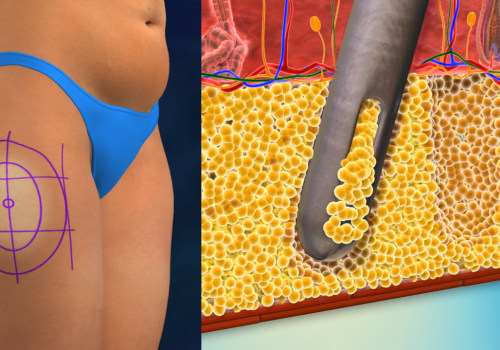
During the operation, a qualified surgeon makes small incisions in the skin and inserts a thin tube called a cannula. This cannula is then used to loosen and extract fat from beneath the skin. The procedure can be performed under local or general anaesthesia, depending on the extent of fat removal and the patient's comfort level. Patients can expect to see immediate changes in their body shape, although final results may take several weeks to fully manifest as swelling subsides.Understanding how liposuction works is crucial for anyone considering this procedure.
The technique primarily targets fat cells, which are permanently removed from the body. Unlike other weight loss methods that may shrink fat cells but leave them intact, liposuction eliminates them entirely. This means that once the fat is removed, it cannot return to that specific area, provided that the patient maintains a stable weight. However, it is essential to note that while liposuction can effectively reshape the body, it does not prevent future weight gain in other areas.
Therefore, adopting a healthy lifestyle post-procedure is vital for sustaining long-term results.
The Mechanics of Liposuction
Liposuction is a sophisticated surgical procedure that employs various techniques to effectively remove unwanted fat from specific areas of the body. Understanding these techniques is crucial for anyone considering the procedure, as they can influence both the results and the permanence of fat removal.Tumescent Liposuction
Tumescent liposuction is one of the most commonly used methods today. This technique involves injecting a sterile solution containing saline, lidocaine, and epinephrine into the targeted fat areas. The saline helps to swell and firm the fat, making it easier to remove, while lidocaine provides local anaesthesia, and epinephrine constricts blood vessels to minimise bleeding.TheTumescent liposuction is one of the most commonly used methods today. This technique involves injecting a sterile solution containing saline, lidocaine, and epinephrine into the targeted fat areas. The saline helps to swell and firm the fat, making it easier to remove, while lidocaine provides local anaesthesia, and epinephrine constricts blood vessels to minimise bleeding.The benefits of tumescent liposuction include reduced pain and swelling post-operation, as well as a quicker recovery time.This method is particularly effective for larger areas of fat removal and is often preferred due to its safety profile.
Ultrasound-Assisted Liposuction (UAL)
Ultrasound-assisted liposuction employs sound waves to liquefy fat cells before they are suctioned out. This technique can be particularly beneficial for fibrous areas of the body, such as the back or male breast tissue. The ultrasound energy breaks down fat cells, making them easier to extract.While UAL can lead to less trauma in surrounding tissues, it may also result in longer recovery times compared to tumescent methods. Patients should discuss with their surgeon whether this technique is suitable for their specific needs.Laser-Assisted Liposuction (LAL)
Laser-assisted liposuction uses laser energy to melt away fat before it is removed through suction.This method not only facilitates fat removal but also promotes skin tightening due to the heat generated by the laser. LAL is often marketed as a less invasive option with minimal downtime.However, while laser liposuction can provide excellent results, it may not be suitable for all patients or all body types. It’s essential for individuals to consult with a qualified surgeon to determine if this technique aligns with their aesthetic goals.
The Fat Removal Process
The actual process of fat removal during liposuction involves several steps:- Consultation: A thorough consultation with a qualified surgeon is essential to discuss goals, expectations, and any potential risks.
- Anesthesia: Depending on the technique used and the extent of the procedure, local or general anaesthesia will be administered.
- Incision: Small incisions are made in inconspicuous areas to minimise scarring.
- Fat Extraction: Using a cannula (a thin tube), excess fat is suctioned out from the targeted areas.
- Recovery: Post-operative care includes wearing compression garments and following specific guidelines to ensure optimal healing.
Is Liposuction a Permanent Solution?
When considering whether liposuction is a permanent solution for fat removal, it is essential to understand the mechanics of the procedure and its implications for long-term body shape.Liposuction effectively removes fat cells from targeted areas, leading to a noticeable change in body contour. Once these fat cells are excised, they do not regenerate. This means that the specific areas treated will have fewer fat cells than before, providing a lasting alteration in shape.However, the permanence of liposuction results is contingent upon the individual's lifestyle choices post-procedure. While the fat cells in the treated areas are permanently removed, it is crucial to recognise that the remaining fat cells in the body can still expand if a person gains weight.
Therefore, maintaining a stable weight through a balanced diet and regular exercise is vital for preserving the results of liposuction.Many patients wonder about the long-term effects of liposuction and whether they can expect their results to last indefinitely. The answer largely depends on how well they manage their weight after surgery. If a patient leads a sedentary lifestyle and consumes more calories than their body requires, they may experience weight gain that could affect their overall appearance, including areas not treated by liposuction.Moreover, it is important to note that liposuction is not a weight-loss solution but rather a body contouring procedure. It is most effective for individuals who are already close to their ideal weight but struggle with stubborn fat deposits that resist diet and exercise.
For those who are significantly overweight or obese, liposuction may not yield the desired results without accompanying lifestyle changes.In summary, while liposuction does provide a permanent reduction in fat cells in specific areas, achieving and maintaining long-term results requires commitment to a healthy lifestyle. Patients should be prepared to adopt sustainable habits to ensure that their investment in liposuction translates into lasting satisfaction with their body shape.
Weight Gain After Liposuction: What to Expect
After undergoing liposuction, many patients are understandably concerned about the possibility of weight gain and how it may affect their results. It is crucial to understand that while liposuction permanently removes fat cells from specific areas, it does not prevent the remaining fat cells from expanding if a person gains weight.When weight is gained after liposuction, the body does not redistribute fat exclusively to the treated areas. Instead, the remaining fat cells throughout the body can increase in size, leading to an overall change in body shape.This means that while the areas that underwent liposuction may not gain fat back, other areas may become more pronounced, potentially leading to an unbalanced appearance.Here are some key points to consider regarding weight gain after liposuction:
- Fat Cell Removal: Liposuction effectively removes a significant number of fat cells from targeted areas. However, it is essential to note that this does not eliminate all fat cells in the body. The remaining fat cells can still grow larger if excess calories are consumed.
- Weight Distribution: Post-liposuction weight gain may lead to fat accumulation in different areas of the body, such as the abdomen, thighs, or arms. This can create a disproportionate look compared to the sculpted areas.
- Healthy Lifestyle Importance: To maintain the results of liposuction, adopting a balanced diet and regular exercise routine is vital.
This helps prevent new fat deposits from forming and keeps existing fat cells from enlarging.
- Long-Term Commitment: Patients should view liposuction as part of a broader commitment to their health and wellness. While the procedure can provide a significant boost in confidence and body shape, it requires ongoing effort to sustain those results.
Maintaining Results: Lifestyle Choices Post-Liposuction
After undergoing liposuction, the journey does not end with the procedure itself.In fact, the choices you make in your daily life play a crucial role in determining the longevity of your results. To ensure that the benefits of liposuction are maintained, it is essential to adopt a holistic approach that encompasses both diet and exercise.
Post-Liposuction Care
Immediately following your liposuction procedure, your body will require time to heal. Adhering to your surgeon's post-operative care instructions is vital. This may include:- Wearing compression garments to support the healing process and reduce swelling.
- Avoiding strenuous activities and heavy lifting for a specified period.
- Attending follow-up appointments to monitor your recovery.
Diet After Liposuction
A balanced diet is fundamental in maintaining your new body shape.After liposuction, consider the following dietary tips:
- Focus on Whole Foods: Incorporate plenty of fruits, vegetables, whole grains, and lean proteins into your meals. These foods are nutrient-dense and can help you feel full longer.
- Stay Hydrated: Drinking adequate water is essential for overall health and can aid in recovery. Aim for at least 2 litres of water daily.
- Limit Processed Foods: Reduce your intake of sugary snacks, fast food, and high-calorie beverages. These can contribute to weight gain and counteract the effects of liposuction.
Exercise After Liposuction
Regular physical activity is another cornerstone of maintaining your liposuction results.Here are some guidelines:
- Start Slowly: Initially, focus on light activities such as walking to promote circulation and healing. Gradually increase intensity as advised by your surgeon.
- Aim for Consistency: Establish a routine that includes cardiovascular exercises (like jogging or cycling) and strength training to build muscle and boost metabolism.
- Incorporate Flexibility Training: Activities such as yoga or Pilates can enhance flexibility and core strength, which are beneficial post-surgery.
Potential Risks and Side Effects of Liposuction
Liposuction, while often viewed as a straightforward solution for unwanted fat, does come with its own set of potential risks and side effects. Understanding these risks is essential for anyone considering the procedure, as it allows for informed decision-making and realistic expectations.One of the most common risks associated with liposuction is infection.As with any surgical procedure, there is a possibility of bacteria entering the body during the operation, which can lead to infections at the incision sites. Patients are advised to monitor their incisions closely and report any signs of infection, such as increased redness, swelling, or discharge.Another significant risk is seroma , which occurs when fluid accumulates in the space where fat was removed. This can lead to swelling and discomfort, requiring additional procedures to drain the fluid. Additionally, hematoma , or bleeding under the skin, can occur, leading to bruising and swelling that may require further intervention.
Scarring
is also a concern for many patients.
While surgeons strive to make incisions in less visible areas, some degree of scarring is inevitable. The extent of scarring can vary based on individual healing processes and skin types.In rare cases, patients may experience more severe complications such as fat embolism , where fat particles enter the bloodstream and travel to the lungs or other organs. This condition can be life-threatening and requires immediate medical attention.Moreover, there are potential long-term effects to consider. Some patients report changes in skin sensation in the treated areas, including numbness or tingling.
These sensations may resolve over time but can persist in some individuals.It’s also important to note that liposuction does not prevent future weight gain. If a patient does not maintain a healthy lifestyle post-procedure, they may find that fat redistributes to other areas of the body or that remaining fat cells increase in size.In conclusion, while liposuction can provide significant aesthetic benefits, it is crucial for prospective patients to weigh these against the potential risks and side effects. Consulting with a qualified surgeon who can provide detailed information about these risks and how to mitigate them is an essential step in the decision-making process.
Comparing Liposuction with Other Body Contouring Procedures
When considering body contouring options, it is essential to understand how liposuction compares to other procedures, particularly the tummy tuck and various non-surgical alternatives. Each method has its unique benefits and is suited for different body types and aesthetic goals.Liposuction vs Tummy Tuck
Liposuction primarily targets stubborn fat deposits that are resistant to diet and exercise.It is ideal for individuals who are close to their ideal weight but wish to refine specific areas such as the abdomen, thighs, or arms. The procedure involves the removal of fat cells through suction, leading to a more contoured appearance.On the other hand, a tummy tuck, or abdominoplasty, is designed for those with excess skin and weakened abdominal muscles, often due to pregnancy or significant weight loss. This procedure not only removes fat but also tightens the underlying muscles and eliminates sagging skin, resulting in a flatter and firmer abdomen.While both procedures can enhance body shape, they serve different purposes. Liposuction is more focused on fat removal, whereas a tummy tuck addresses skin laxity and muscle tone.
Therefore, some patients may benefit from undergoing both procedures simultaneously for comprehensive results.
Non-Surgical Alternatives
In recent years, non-surgical body contouring options have gained popularity as alternatives to traditional surgical methods. Treatments such as CoolSculpting and SculpSure use advanced technology to freeze or heat fat cells, leading to gradual fat reduction without the need for incisions or anaesthesia.- CoolSculpting: This method involves applying controlled cooling to target fat cells, which are then naturally eliminated by the body over time. It is particularly effective for small areas of stubborn fat.
- SculpSure: Utilizing laser technology, SculpSure heats fat cells to destroy them without harming surrounding tissue. This treatment is suitable for various body areas and typically requires no downtime.
Additionally, they are best suited for those who are already at or near their target weight.Ultimately, the choice between liposuction, a tummy tuck, or non-surgical alternatives depends on individual goals, body type, and the specific areas of concern. Consulting with a qualified plastic surgeon can help determine the most appropriate procedure tailored to one’s needs.
Frequently Asked Questions About Liposuction
When considering liposuction, many potential patients have questions and concerns about the procedure. Addressing these frequently asked questions can help clarify misconceptions and provide a better understanding of what to expect.What is liposuction?
Liposuction is a surgical procedure designed to remove excess fat from specific areas of the body. It is not a weight-loss solution but rather a method to sculpt and contour the body by targeting stubborn fat deposits that are resistant to diet and exercise.Is liposuction safe?
Like any surgical procedure, liposuction carries risks.However, when performed by a qualified and experienced surgeon, it is generally considered safe. Potential risks include infection, scarring, and complications related to anaesthesia. It is crucial to discuss these risks with your surgeon during the consultation.
How long do the results last?
The results of liposuction can be long-lasting, as the fat cells removed during the procedure do not return. However, maintaining a healthy lifestyle is essential.Weight gain can still occur in other areas of the body if a balanced diet and regular exercise are not followed.
Can liposuction help with cellulite?
Liposuction is not specifically designed to treat cellulite. While it may improve the appearance of certain areas, it does not eliminate cellulite entirely. Other treatments may be more effective for addressing this concern.What are some common myths about liposuction?
- Myth: Liposuction is a quick fix for obesity.
- Fact: Liposuction is intended for individuals close to their ideal weight who have specific areas of fat they wish to target.
- Myth: Liposuction results are permanent regardless of lifestyle changes.
- Fact: While the fat cells removed do not return, new fat can develop in untreated areas if a healthy lifestyle is not maintained.
- Myth: Liposuction can replace diet and exercise.
- Fact: Liposuction should complement a healthy lifestyle, not replace it.
Conclusion: The Reality of Liposuction's Permanence
In conclusion, the reality of liposuction is that it offers a permanent solution for the removal of fat cells in targeted areas of the body.This procedure is designed to sculpt and enhance body contours, providing patients with a more defined silhouette. However, it is crucial to understand that while the fat cells removed during liposuction do not regenerate, the potential for weight gain still exists.Patients must recognise that maintaining the results of liposuction is largely dependent on their lifestyle choices post-procedure. Here are some key takeaways regarding the permanence of liposuction:
- Permanently Removed Fat Cells: The fat cells extracted during liposuction are permanently eliminated from the body. This means that those specific areas will not regain fat in the same manner as before.
- Weight Management is Essential: Although the treated areas will not accumulate fat cells again, if a patient gains weight, the remaining fat cells in other areas can expand.
This can lead to an uneven appearance and may diminish the overall results of the procedure.
- Lifestyle Choices Matter: To preserve the benefits of liposuction, individuals should commit to a balanced diet and regular exercise. These habits help prevent new fat deposits from forming and ensure that the body remains healthy and fit.
- Not a Weight Loss Solution: It is important to emphasise that liposuction is not intended as a weight loss method. It is best suited for individuals who are already at or near their ideal weight but struggle with stubborn fat pockets.
- Consultation with Professionals: Engaging with qualified healthcare professionals before and after the procedure can provide valuable guidance on maintaining results and adopting a healthier lifestyle.