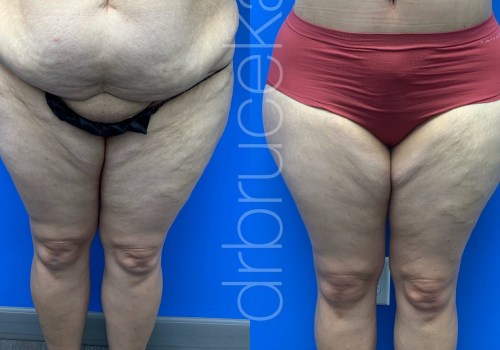
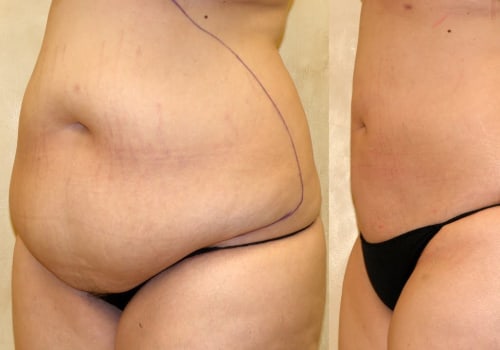
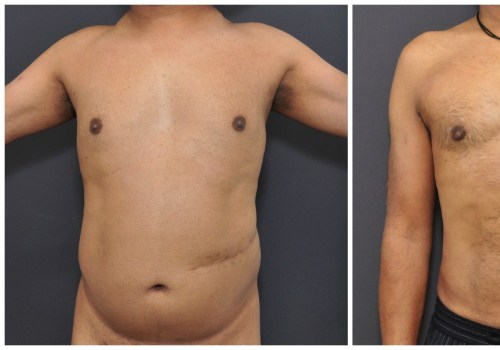
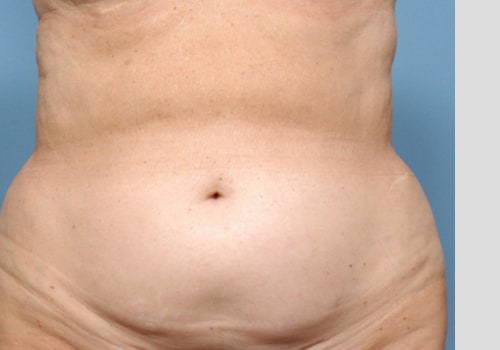
Liposuction is a popular cosmetic procedure designed to remove stubborn fat deposits from specific areas of the body, helping individuals achieve a more contoured and sculpted appearance. This fat removal technique is not merely about weight loss; rather, it focuses on enhancing body shape by targeting localized fat that often resists diet and exercise. Many people find themselves frustrated with certain areas, such as the abdomen, thighs, or arms, where fat tends to accumulate despite their best efforts to maintain a healthy lifestyle.The procedure involves the use of a thin tube called a cannula, which is inserted through small incisions in the skin. The surgeon then uses this cannula to suction out excess fat from the targeted areas.
This method allows for precise fat removal, resulting in smoother contours and improved body proportions. It’s important to note that liposuction can be performed on various parts of the body, including the hips, buttocks, abdomen, thighs, knees, upper arms, chin, and even the back.One of the key advantages of liposuction is its ability to provide immediate results. Patients often notice a significant difference in their body shape shortly after the procedure, although final results may take several weeks to fully manifest as swelling subsides. However, it’s crucial for potential candidates to understand that liposuction is not a substitute for a healthy lifestyle or a solution for obesity.
Instead, it serves as an effective tool for those who are close to their ideal weight but struggle with specific areas of fat.As we delve deeper into the topic of liposuction, we will explore not only how this procedure works but also address common concerns regarding fat retention post-surgery. Understanding these aspects will help individuals make informed decisions about whether liposuction is the right choice for them in their journey towards achieving their desired body shape.
How Liposuction Works
Liposuction is a popular cosmetic procedure designed to remove stubborn fat deposits from various areas of the body. Understanding how liposuction works is essential for anyone considering this treatment, as it sheds light on the permanence of the results.The procedure begins with a thorough consultation, where the surgeon evaluates the patient’s medical history, discusses their goals, and determines the most suitable technique for their needs. There are several methods of liposuction, each with its unique approach:- Tumescent Liposuction:Tumescent Liposuction: This is the most common technique, where a sterile solution containing saline, lidocaine, and epinephrine is injected into the targeted area.
This solution helps to numb the area and constrict blood vessels, reducing bleeding and swelling during the procedure.
- Ultrasound-Assisted Liposuction (UAL): This method uses ultrasound energy to liquefy fat cells before they are removed. The ultrasound waves break down the fat, making it easier to suction out. UAL is particularly effective for fibrous areas of the body.
- Laser-Assisted Liposuction (LAL): Similar to UAL, this technique employs laser energy to melt fat cells. The laser also stimulates collagen production, which can enhance skin tightening post-procedure.
- Suction-Assisted Liposuction (SAL): This traditional method involves inserting a cannula (a thin tube) through small incisions in the skin.
The surgeon manually moves the cannula to break up and suction out fat cells.
By choosing a qualified surgeon and maintaining a healthy lifestyle post-procedure, patients can enjoy long-lasting results from their liposuction treatment.
The Permanence of Liposuction Results
When considering liposuction, many individuals are eager to understand the longevity of the results. The procedure is designed to remove fat cells from specific areas of the body, leading to a more contoured appearance. However, the permanence of these results is closely tied to the patient's commitment to maintaining their weight post-surgery.During liposuction, fat cells are extracted from targeted regions, such as the abdomen, thighs, or arms. This removal is permanent; once fat cells are eliminated from these areas, they do not regenerate.However, it is crucial to recognize that liposuction does not eliminate all fat cells in the body. Therefore, if a patient gains weight after the procedure, the remaining fat cells can expand, potentially leading to an uneven distribution of fat.
Weight Maintenance is Key
To ensure that the results of liposuction remain visible and satisfying, patients must engage in effective weight management strategies. For instance, if a patient weighs 70 kg before surgery and has 3 kg of fat removed, they should aim to maintain their weight at or below 67 kg. If they exceed this weight threshold, there is a risk that fat may accumulate in untreated areas or even in the previously treated regions.Research indicates that our bodies have a natural tendency to regain weight after any form of fat loss, including surgical procedures like liposuction.
This phenomenon occurs because the body attempts to restore its previous state by compensating for lost fat. Thus, while liposuction can provide significant improvements in body shape, it does not serve as a substitute for a healthy lifestyle.
Healthy Lifestyle Choices
To preserve the benefits gained from liposuction, adopting healthy habits is essential. Regular physical activity and a balanced diet play pivotal roles in maintaining weight and preventing new fat deposits from forming. Here are some tips for sustaining your results:
- Engage in regular exercise: Aim for at least 150 minutes of moderate aerobic activity each week combined with strength training exercises.
- Follow a balanced diet: Focus on whole foods such as fruits, vegetables, lean proteins, and whole grains while limiting processed foods and sugars.
- Stay hydrated: Drinking plenty of water can help control hunger and support overall health.
- Monitor your weight: Regularly check your weight to catch any fluctuations early and adjust your lifestyle accordingly.
By prioritising weight management and making informed choices about diet and exercise, patients can enjoy the lasting benefits of their liposuction procedure.
What Happens to Fat After Liposuction?
After undergoing liposuction, many patients are curious about the fate of the fat in their bodies. Understanding what happens to fat after the procedure is crucial for setting realistic expectations regarding body shape and weight management.During liposuction, fat cells are permanently removed from specific areas of the body. This means that the fat cells in those targeted regions are gone for good. However, it is essential to note that liposuction does not eliminate all fat cells from the body.The remaining fat cells can still expand or contract based on changes in body weight.When a patient gains weight after liposuction, the body tends to compensate for the loss of fat cells by redistributing fat to other areas. This phenomenon occurs because our bodies have a natural tendency to maintain a certain level of fat. If a patient who has undergone liposuction gains weight, they may notice that the new fat accumulates in untreated areas, such as the abdomen, thighs, or arms, rather than in the previously treated regions.For instance, if a patient had liposuction on their abdomen and subsequently gained weight, they might find that their thighs or upper arms become fuller instead of seeing any significant change in their abdominal area. This redistribution can lead to an uneven appearance if not managed properly.Moreover, research indicates that individuals who have undergone liposuction may experience changes in their body fat distribution patterns.
Studies suggest that after liposuction, patients may have a higher propensity to gain weight in areas that were not treated during the procedure. This is particularly relevant for those who do not maintain a healthy lifestyle post-surgery.To mitigate these effects and maintain the results of liposuction, it is vital for patients to adopt healthy habits. Regular exercise and a balanced diet play crucial roles in preventing weight gain and ensuring that any potential new fat deposits are distributed evenly throughout the body.In summary, while liposuction effectively removes fat cells from specific areas, it does not prevent future weight gain or changes in body fat distribution. Patients must remain vigilant about their lifestyle choices to preserve their results and avoid unwanted changes in their body shape.
Factors Influencing Fat Retention Post-Liposuction
Understanding the factors that influence fat retention after liposuction is crucial for anyone considering the procedure.While liposuction effectively removes fat cells from targeted areas, several elements can affect whether fat returns in the future. Here are some key factors to consider:
- Lifestyle Choices: One of the most significant determinants of fat retention post-liposuction is the patient's lifestyle. Engaging in regular physical activity and maintaining a balanced diet can help preserve the results of the procedure. Patients who adopt a sedentary lifestyle or indulge in unhealthy eating habits may find that they regain weight, potentially leading to fat accumulation in untreated areas.
- Dietary Habits: The types of food consumed play a vital role in weight management.
A diet high in processed foods, sugars, and unhealthy fats can contribute to weight gain. In contrast, a diet rich in whole foods, lean proteins, fruits, and vegetables can support a healthy metabolism and help maintain weight.
- Hormonal Changes: Hormones significantly influence body weight and fat distribution. Factors such as age, menopause, and hormonal imbalances can affect how the body stores fat. For instance, women may experience changes in fat distribution during menopause due to fluctuating hormone levels, which can lead to increased fat retention.
- Metabolism: Individual metabolic rates vary from person to person.
Some individuals naturally burn calories more efficiently than others. A slower metabolism may make it easier to gain weight after liposuction, while a faster metabolism can aid in maintaining a stable weight.
- Genetics: Genetic predisposition also plays a role in how and where the body stores fat. Some people may be genetically inclined to store fat in specific areas, which could influence their results after liposuction.
Maintaining Results: Tips for Success
After undergoing liposuction, many patients are eager to maintain their newly sculpted physique.Achieving lasting results requires a commitment to a healthy lifestyle and proactive care. Here are some essential tips to help you preserve the benefits of your liposuction procedure:
- Adopt a Balanced Diet: Focus on consuming a variety of nutrient-dense foods. Incorporate plenty of fruits, vegetables, whole grains, lean proteins, and healthy fats into your meals. Avoid processed foods high in sugar and unhealthy fats, as these can contribute to weight gain.
- Stay Hydrated: Drinking adequate water is crucial for overall health and can aid in weight management.
Aim for at least 2 litres of water daily to keep your body hydrated and support metabolic processes.
- Regular Exercise: Establish a consistent exercise routine that includes both cardiovascular and strength training activities. Aim for at least 150 minutes of moderate aerobic activity each week, along with two days of strength training. This will help maintain muscle mass and boost metabolism.
- Monitor Your Weight: Keep track of your weight regularly to identify any fluctuations early on. If you notice an increase, take immediate action by adjusting your diet or increasing your physical activity.
- Avoid Yo-Yo Dieting: Rapid weight loss and gain can lead to the expansion of remaining fat cells.
Instead, aim for gradual changes in your weight through sustainable lifestyle choices.
- Prioritise Sleep: Quality sleep is essential for recovery and overall health. Aim for 7-9 hours of sleep per night to support your body’s healing processes and hormonal balance.
- Manage Stress: High stress levels can lead to emotional eating and weight gain. Incorporate stress-reducing activities such as yoga, meditation, or deep-breathing exercises into your daily routine.
Common Myths About Liposuction Debunked
Liposuction is often surrounded by a cloud of myths and misconceptions that can lead to confusion and unrealistic expectations.Understanding the truth behind these myths is essential for anyone considering this body contouring procedure. Here, we will debunk some of the most common myths about liposuction.
- Myth 1: Liposuction is a Weight Loss Solution
Many people mistakenly believe that liposuction is a method for significant weight loss. In reality, liposuction is designed for body contouring and is most effective for removing stubborn fat deposits that do not respond to diet and exercise. It is not a substitute for a healthy lifestyle or a weight loss programme. - Myth 2: Liposuction Removes All Fat Cells
Another common misconception is that liposuction eliminates all fat cells in the treated area.While it does remove a significant number of fat cells, it does not eradicate them entirely. This means that if a patient gains weight after the procedure, the remaining fat cells can still expand, potentially leading to a return of fat in the treated area.
- Myth 3: Liposuction Results Are Immediate and Permanent
While many patients see immediate changes post-surgery, the final results can take several months to fully materialise as swelling subsides. Additionally, maintaining these results requires commitment to a healthy lifestyle; otherwise, weight gain can occur. - Myth 4: Liposuction Is Only for Women
Liposuction is often perceived as a procedure primarily for women, but this is far from the truth. Men also seek liposuction to target areas such as the abdomen, love handles, and chest.The procedure can be equally beneficial for both genders.
- Myth 5: Liposuction Is a Quick Fix
Some individuals view liposuction as an easy way out of their weight management struggles. However, it requires careful consideration, planning, and recovery time. It should be viewed as part of an overall approach to health and wellness rather than a quick fix.
FAQs About Liposuction and Fat Retention
When considering liposuction, many individuals have questions regarding the procedure and its long-term effects on fat retention.Below are some of the most frequently asked questions that can help clarify common concerns.
1.How long do the results of liposuction last?
The results of liposuction can be long-lasting, provided that you maintain a stable weight. Since the fat cells in the treated areas are permanently removed, they will not return. However, if you gain weight after the procedure, it is possible for fat to accumulate in other areas of your body.2.Will I gain weight in other areas after liposuction?
Yes, if you gain weight after undergoing liposuction, it may not return to the treated areas but rather to other parts of your body. This is because the remaining fat cells can still expand if you consume more calories than your body needs.3.Can liposuction help with cellulite?
Liposuction is primarily a body contouring procedure and is not specifically designed to treat cellulite.While it may improve the appearance of certain areas, it does not eliminate cellulite completely. For those concerned about cellulite, additional treatments may be necessary.
4.Is liposuction a weight-loss solution?
No, liposuction is not intended as a weight-loss solution. It is best suited for individuals who are close to their ideal weight but struggle with stubborn fat deposits that do not respond to diet and exercise.5.What should I do to maintain my results?
- Adopt a balanced diet: Focus on whole foods, including fruits, vegetables, lean proteins, and whole grains.
- Engage in regular exercise: Aim for a mix of cardiovascular and strength training exercises to help maintain your weight.
- Stay hydrated: Drinking plenty of water can aid in overall health and help manage appetite.
Conclusion: The Reality of Liposuction Results
In conclusion, understanding the reality of liposuction results is crucial for anyone considering this procedure. While liposuction can effectively eliminate stubborn fat deposits and enhance body contours, it is essential to recognise both its advantages and limitations.One of the primary benefits of liposuction is its ability to provide immediate and noticeable results. By removing fat cells from targeted areas, patients often experience a significant transformation in their body shape, which can lead to increased self-esteem and confidence. However, it is vital to remember that these results are not a free pass to neglect healthy lifestyle choices. As discussed, the permanence of liposuction results largely depends on the patient's commitment to maintaining a stable weight.
If a patient gains weight after the procedure, it is possible for fat to return, albeit potentially in different areas of the body. This highlights the importance of adopting a balanced diet and regular exercise regimen post-surgery. Moreover, liposuction should not be viewed as a weight-loss solution but rather as a body contouring technique. It is designed for individuals who are close to their ideal weight but struggle with specific fat pockets that resist diet and exercise.
Therefore, setting realistic expectations is crucial for achieving satisfaction with the results. Ultimately, while liposuction can be a powerful tool in achieving desired body contours, it is not a substitute for a healthy lifestyle. Patients must understand that their long-term success relies on their dedication to maintaining their weight and overall health. By combining the benefits of liposuction with sustainable lifestyle choices, individuals can enjoy lasting results and improved well-being.