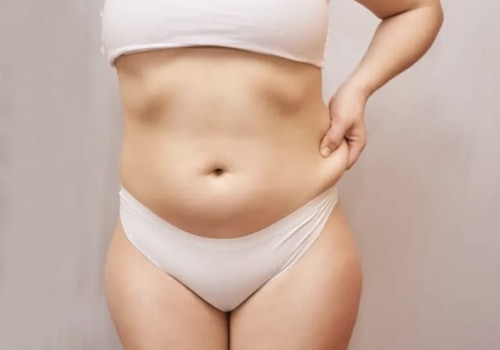
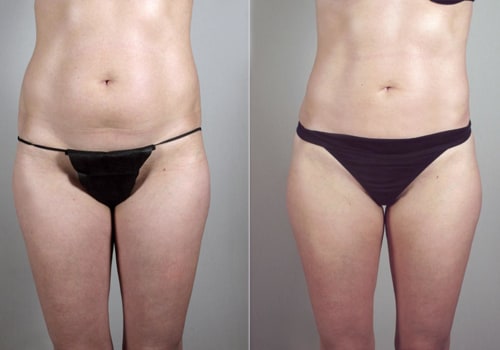
Liposuction is a popular cosmetic procedure designed to remove stubborn fat deposits from various areas of the body, helping individuals achieve a more contoured and sculpted appearance. This surgical technique is not merely a weight-loss solution; rather, it focuses on reshaping specific areas where fat tends to accumulate despite diet and exercise efforts. Common treatment areas include the abdomen, thighs, buttocks, arms, and neck. By understanding what liposuction entails, patients can set realistic expectations regarding the outcomes and limitations of the procedure.The liposuction procedure involves the use of a thin tube called a cannula, which is inserted through small incisions in the skin.
The surgeon then uses this cannula to suction out excess fat from the targeted areas. The process typically begins with the administration of anaesthesia to ensure patient comfort during the operation. Depending on the extent of fat removal and the areas being treated, liposuction can be performed under local or general anaesthesia. Once the anaesthesia takes effect, the surgeon carefully manoeuvres the cannula to break up and extract fat cells, allowing for precise contouring.Understanding how liposuction works is crucial for potential candidates.
The procedure is designed to remove fat cells permanently; however, it is essential to note that liposuction does not prevent future weight gain. If a patient does not maintain a healthy lifestyle post-surgery, remaining fat cells can expand or new fat deposits can form in other areas. Therefore, liposuction should be viewed as a complement to a balanced diet and regular exercise rather than a standalone solution for weight management.
The Science Behind Fat Removal
Liposuction is a popular cosmetic procedure designed to remove stubborn fat deposits from various areas of the body. Understanding the science behind fat removal during liposuction is crucial for potential patients to set realistic expectations regarding the amount of fat that can be extracted safely.On average, liposuction can remove approximately 2 to 4 litres of fat, which translates to about 5 to 8 pounds.However, it is essential to note that this does not equate directly to weight loss on the scale. The primary goal of liposuction is body contouring rather than significant weight reduction. Many patients may only notice a loss of 1 to 3 inches in targeted areas, depending on their individual circumstances and the volume of fat removed.The maximum amount of fat that can be safely extracted during a single liposuction procedure typically ranges from 6 to 8 pounds (or about 3 to 4 litres ). Exceeding this limit can increase the risk of complications, including fluid imbalance and adverse reactions to anaesthesia.
Therefore, it is vital for surgeons to adhere to established guidelines while considering each patient's unique health profile.Factors influencing the limits of fat removal include:
- Patient's Overall Health: A thorough medical evaluation is necessary to determine if a patient is fit for surgery and how much fat can be safely removed.
- Body Composition: The distribution and density of fat in the body can affect how much can be extracted. Areas with denser fat may yield different results compared to those with more superficial fat.
- Surgical Technique: The method used during liposuction, whether tumescent, ultrasound-assisted, or laser-assisted, can influence the volume of fat that can be removed effectively.
- Desired Outcomes: Patients' goals and expectations play a significant role in determining how much fat should be removed for optimal results.
Factors Influencing Fat Removal Amounts
When considering liposuction, it is essential to understand that several factors can significantly influence the amount of fat that can be safely removed during the procedure.These factors include patient health, body composition, and the specific areas targeted for treatment.
Patient Health
The overall health of a patient plays a crucial role in determining how much fat can be removed. Surgeons assess various health parameters, including:- Medical History: Pre-existing conditions such as diabetes, heart disease, or blood clotting disorders can affect surgical outcomes and recovery.
- Body Mass Index (BMI): Patients with a BMI within the normal range or slightly overweight are generally better candidates for liposuction. Those with a higher BMI may be advised to lose weight before undergoing the procedure.
- Age: Younger patients often have better skin elasticity, which can influence the results of liposuction. Older patients may experience more challenges with skin tightening post-procedure.
Body Composition
The distribution of fat in the body also affects how much can be removed.Factors to consider include:
- Fat Distribution: Some individuals store fat in specific areas, such as the abdomen, thighs, or arms. The amount of fat in these areas will dictate how much can be safely extracted.
- Muscle Tone: Patients with good muscle tone may achieve better results from liposuction, as toned muscles can provide a more sculpted appearance after fat removal.
- Skin Quality: The condition of the skin surrounding the treatment area is vital. Skin that is firm and elastic will respond better to liposuction than skin that is loose or sagging.
Treatment Areas
The specific areas targeted for liposuction also influence the volume of fat that can be removed. For instance:- Abdominal Liposuction: This area often allows for more fat removal compared to smaller areas like the chin or arms.
- Multiple Areas: If multiple areas are treated in one session, surgeons must consider the total volume of fat removed to ensure patient safety.
A thorough consultation with a qualified surgeon will help determine the safest and most effective approach tailored to individual needs.
Liposuction Techniques and Their Impact on Fat Removal
Liposuction has evolved significantly over the years, with various techniques developed to enhance fat removal while prioritising patient safety and comfort. Understanding these techniques is crucial for anyone considering the procedure, as they can influence not only the amount of fat that can be removed but also the overall results.Tumescent Liposuction
One of the most widely used methods is tumescent liposuction. This technique involves injecting a large volume of a saline solution mixed with local anaesthetic and epinephrine into the targeted area before fat removal. The solution causes the fat cells to swell, making them easier to extract.This method not only minimises discomfort during the procedure but also reduces bleeding and bruising, leading to a quicker recovery time.With tumescent liposuction, surgeons can safely remove larger volumes of fat—often up to 5 litres—while maintaining patient safety. The local anaesthetic allows patients to remain awake during the procedure, which can be beneficial for those who prefer to avoid general anaesthesia.
Ultrasound-Assisted Liposuction (UAL)
Another innovative technique is ultrasound-assisted liposuction (UAL). This method employs ultrasound energy to liquefy fat cells before they are suctioned out. The ultrasound waves break down the fat, making it easier to remove and allowing for more precise contouring of the body.UAL is particularly effective in areas with denser fat deposits, such as the back or male breasts.One of the advantages of UAL is that it can facilitate the removal of larger amounts of fat in a single session compared to traditional methods. However, it is essential to note that this technique may come with a slightly higher risk of complications, such as seromas or fluid accumulation under the skin.
Choosing the Right Technique
The choice of liposuction technique should be tailored to each patient's unique needs and body composition. Factors such as the area being treated, the amount of fat to be removed, and individual health considerations all play a role in determining the most suitable approach. Consulting with a qualified plastic surgeon who has experience in various liposuction techniques is vital for achieving optimal results.In conclusion, advancements in liposuction techniques have made it possible to remove significant amounts of fat safely and effectively.The choice of liposuction technique should be tailored to each patient's unique needs and body composition. Factors such as the area being treated, the amount of fat to be removed, and individual health considerations all play a role in determining the most suitable approach. Consulting with a qualified plastic surgeon who has experience in various liposuction techniques is vital for achieving optimal results.In conclusion, advancements in liposuction techniques have made it possible to remove significant amounts of fat safely and effectively.Whether opting for tumescent liposuction or ultrasound-assisted methods, understanding these options empowers patients to make informed decisions about their body contouring journey.
Realistic Expectations: What to Anticipate Post-Procedure
Undergoing liposuction can be an exciting journey towards achieving your desired body shape. However, it is crucial to have realistic expectations regarding the results and the recovery process. Understanding what to anticipate post-procedure can significantly enhance your experience and satisfaction.Understanding Liposuction Results
The primary goal of liposuction is to contour the body by removing stubborn fat deposits that are resistant to diet and exercise. While many patients report feeling more confident and satisfied with their appearance after the procedure, it is essential to remember that results can vary based on several factors, including:- Individual Body Type: Each person's body responds differently to liposuction.
Factors such as skin elasticity, fat distribution, and overall health can influence the final outcome.
- Amount of Fat Removed: The volume of fat extracted during the procedure will directly affect the results. As mentioned earlier, a safe amount typically ranges from 2 to 4 litres.
- Post-Procedure Care: Following your surgeon's aftercare instructions is vital for optimal healing and results.
Recovery Timeline
The recovery period after liposuction varies from person to person. Generally, patients can expect:- Initial Recovery: Most individuals can return to light activities within a few days, but full recovery may take several weeks.
- Swelling and Bruising: It is common to experience swelling and bruising in the treated areas, which can last for a few weeks. Wearing compression garments as advised can help manage these symptoms.
- Final Results: While some changes may be visible immediately, it can take up to six months for the final results to fully materialise as swelling subsides.
Maintaining Results
Liposuction is not a weight-loss solution but rather a body contouring procedure.To maintain your new shape, adopting a healthy lifestyle is essential. This includes:
- A Balanced Diet: Focus on consuming nutritious foods that support your overall health and help maintain your weight.
- Regular Exercise: Incorporating physical activity into your routine will not only help you keep off excess weight but also enhance your overall well-being.
- Avoiding Weight Fluctuations: Significant weight gain or loss after liposuction can alter your results, so it’s important to strive for stability in your weight.
Common Myths About Liposuction Debunked
Liposuction is often surrounded by a cloud of myths and misconceptions that can lead to confusion for those considering the procedure. Understanding the truth about liposuction is essential for making informed decisions.Here, we debunk some of the most common myths associated with this popular body contouring technique.
- Myth 1: Liposuction is a Weight Loss Solution
Many people mistakenly believe that liposuction is a method for significant weight loss. In reality, liposuction is designed primarily for body contouring, targeting stubborn fat deposits that resist diet and exercise. The amount of fat removed typically ranges from 2 to 4 litres, equating to about 5 to 8 pounds, which is not substantial enough for major weight loss. - Myth 2: Anyone Can Get Liposuction
While liposuction can be an effective option for many, it is not suitable for everyone. Ideal candidates are those who are close to their target weight and have good skin elasticity.Individuals with certain health conditions or those who are significantly overweight may need to consider alternative methods before opting for liposuction.
- Myth 3: Liposuction Removes Fat Forever
Another common misconception is that fat removed through liposuction will never return. While the procedure does eliminate fat cells from specific areas, it does not prevent new fat from accumulating if a healthy lifestyle is not maintained post-surgery. Weight gain can still occur, and it may affect areas of the body that were not treated during the procedure. - Myth 4: Liposuction is a Quick Fix
Some individuals view liposuction as a quick fix for their body image concerns. However, it requires careful consideration, planning, and recovery time.The results of liposuction are best complemented by a commitment to a healthy lifestyle, including regular exercise and balanced nutrition.
- Myth 5: Liposuction Leaves Noticeable Scars
Advancements in surgical techniques have significantly reduced scarring associated with liposuction. Surgeons make small incisions in discreet locations, which often heal well and become less visible over time. Proper aftercare can further enhance the healing process.
Consultation: Preparing for Your Liposuction Journey
Embarking on a liposuction journey begins with a thorough consultation, which is a crucial step in ensuring that you are well-informed and prepared for the procedure.During this initial meeting, you will have the opportunity to discuss your goals, expectations, and any concerns you may have with your surgeon.
Understanding the Consultation Process
- Initial Assessment: Your surgeon will evaluate your medical history, current health status, and specific areas of concern. This assessment helps determine if you are a suitable candidate for liposuction.
- Discussion of Goals: Clearly articulating your aesthetic goals is essential. Whether you aim to remove stubborn fat from your abdomen, thighs, or arms, being specific will help your surgeon tailor the procedure to meet your needs.
- Realistic Expectations: Your surgeon will explain what liposuction can achieve and what it cannot. Understanding the limitations of the procedure is vital for setting realistic expectations.
Questions to Ask Your Surgeon
Preparing a list of questions can help you gain clarity and confidence in your decision-making process.
Consider asking the following:
- What is your experience with liposuction procedures?
- Can you show me before-and-after photos of previous patients?
- What techniques do you use for liposuction, and why do you prefer them?
- What are the potential risks and complications associated with this procedure?
- How much fat can realistically be removed during my surgery?
- What is the expected recovery time, and when can I return to normal activities?
- Are there any specific pre-operative instructions I should follow?
Preparing for Surgery
Once you have decided to proceed with liposuction, preparation is key to ensuring a smooth experience. Here are some steps to consider:
- Follow Pre-Operative Instructions: Your surgeon will provide specific guidelines regarding medications, dietary restrictions, and lifestyle changes leading up to the surgery.
- Avoid Smoking and Alcohol: Both smoking and alcohol can interfere with healing. It’s advisable to refrain from these substances for at least two weeks before surgery.
- Arrange Post-Operative Care: Having someone available to assist you after the procedure can significantly aid in your recovery. Consider arranging for a friend or family member to help during the initial days post-surgery.
By being proactive in asking questions and preparing adequately, you can embark on your liposuction journey with confidence and clarity.
Conclusion: Making Informed Decisions About Liposuction
In conclusion, understanding the realities of liposuction is crucial for anyone considering this procedure. While it offers a viable solution for eliminating stubborn fat deposits, it is essential to recognise that liposuction is not a weight-loss method but rather a body contouring technique. The primary goal is to reshape and enhance your figure by removing specific areas of fat that have proven resistant to diet and exercise.Throughout this article, we have explored various aspects of liposuction, including the average amount of fat that can be safely removed, which typically ranges from 2 to 4 litres, or approximately 5 to 8 pounds. It is vital to understand that these figures are not absolute; individual circumstances, such as overall health and body composition, play a significant role in determining the maximum safe volume of fat removal.Moreover, the emphasis on inches lost rather than pounds shed highlights the importance of setting realistic expectations.Many patients may only notice a reduction of 1 to 3 inches in targeted areas post-procedure. This underscores the need for thorough consultations with qualified plastic surgeons who can provide tailored advice based on your unique body type and aesthetic goals.As you contemplate your options, consider the following key points:
- Liposuction is not a substitute for a healthy lifestyle: Maintaining a balanced diet and regular exercise regimen is essential for long-term results.
- Consultation is critical: Engage in open discussions with your surgeon about your goals, expectations, and any concerns you may have.
- Safety first: Always prioritise safety by adhering to recommended limits on fat removal to minimise risks associated with the procedure.
- Individual results vary: Understand that outcomes can differ significantly from person to person based on various factors.