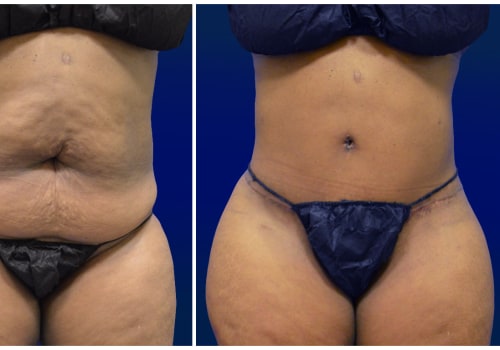
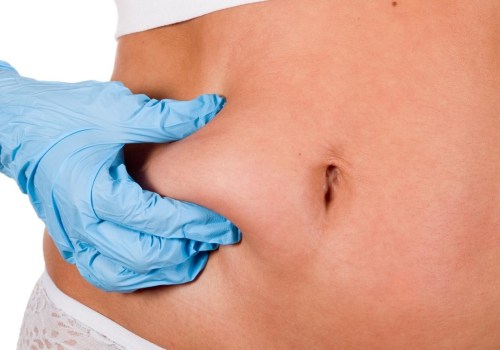
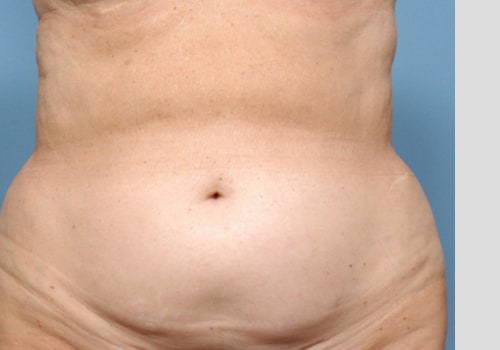
Liposuction has become a popular cosmetic procedure for individuals seeking to enhance their body contours by removing stubborn fat deposits that resist diet and exercise. This surgical technique is not merely about weight loss; rather, it focuses on body contouring , allowing patients to achieve a more sculpted appearance. However, a common concern among those considering liposuction is the potential for weight gain after liposuctionweight gain after liposuction. Understanding the relationship between this procedure and weight management is crucial for anyone contemplating the surgery.Many patients enter the liposuction journey with the hope of achieving their ideal body shape, yet they often worry about the possibility of regaining weight post-procedure.
It is essential to clarify that while liposuction effectively removes fat cells from targeted areas, it does not prevent future weight gain. Instead, it alters how fat is distributed in the body. For instance, if a patient gains weight after undergoing liposuction, research indicates that fat tends to accumulate less in the treated areas compared to untreated regions. This phenomenon can lead to a more balanced appearance even if some weight is regained.Moreover, maintaining a stable weight after liposuction is vital for preserving the results of the procedure. It is essential to clarify that while liposuction effectively removes fat cells from targeted areas, it does not prevent future weight gain. Instead, it alters how fat is distributed in the body. For instance, if a patient gains weight after undergoing liposuction, research indicates that fat tends to accumulate less in the treated areas compared to untreated regions. This phenomenon can lead to a more balanced appearance even if some weight is regained.Moreover, maintaining a stable weight after liposuction is vital for preserving the results of the procedure.
Patients are encouraged to adopt healthy lifestyle habits, including regular exercise and a balanced diet, to support their long-term goals. By understanding these dynamics, individuals can make informed decisions about their bodies and set realistic expectations regarding the outcomes of liposuction.
What is Liposuction?
Liposuction is a popular cosmetic surgical procedure designed to remove excess fat from specific areas of the body, helping individuals achieve a more contoured and proportionate appearance. This procedure is particularly sought after by those who struggle with stubborn fat deposits that do not respond to diet and exercise. While liposuction is not a weight-loss solution, it can significantly enhance body shape and boost self-confidence.The liposuction procedure typically involves the use of a thin tube called a cannula, which is inserted through small incisions in the skin.The surgeon then uses this cannula to suction out fat from targeted areas. The procedure can be performed under local or general anaesthesia, depending on the extent of fat removal and the patient's preference.
Types of Liposuction
There are several types of liposuction techniques available, each with its unique approach and benefits:- Traditional Liposuction: This is the most common method, where fat is removed using a suction technique. It is effective for larger areas of fat removal.
- Ultrasound-Assisted Liposuction (UAL): This technique uses ultrasound energy to liquefy fat cells before they are suctioned out, making it easier to remove stubborn fat.
- Laser-Assisted Liposuction (LAL): In this method, laser energy is used to melt fat cells, which are then removed through suction. This technique often results in less bruising and swelling.
- Tumescent Liposuction: This involves injecting a solution containing saline, anaesthetic, and epinephrine into the treatment area before fat removal.
This method helps reduce bleeding and discomfort during the procedure.
The Truth About Weight Gain After Liposuction
Understanding the dynamics of weight gain after liposuction is crucial for anyone considering this procedure. While many patients are thrilled with their initial results, it is essential to acknowledge that some may experience weight changes in the months following surgery.According to a survey conducted by the American Society of Plastic Surgeons, approximately 43% of patients reported gaining weight after their liposuction procedure.Among those who experienced weight gain, a significant portion—56% —noted an increase of between five to ten pounds within six months post-surgery. However, it is vital to interpret these statistics with care. The weight gain observed in these patients does not necessarily indicate a failure of the procedure or a return to pre-surgery body shape.One of the most important factors to consider is how fat redistributes in the body after liposuction. Research indicates that when patients gain weight after undergoing this procedure, fat tends to accumulate less in the areas that were treated.
Instead, it may be more likely to deposit in untreated regions, which can lead to a more balanced appearance overall. This phenomenon suggests that even if some weight is gained, the aesthetic results of liposuction can still be maintained.Moreover, it is essential to understand that liposuction does not eliminate the body's ability to gain or lose weight. Patients must remain vigilant about their lifestyle choices post-surgery. Factors such as diet, exercise, and overall health play a significant role in determining whether weight gain occurs and how it affects body composition.In summary, while some individuals may experience weight gain after liposuction, this does not negate the benefits of the procedure.
The key lies in maintaining a healthy lifestyle and understanding how fat distribution works post-surgery. By doing so, patients can enjoy their results for years to come and feel confident in their bodies.
Factors Influencing Weight Gain Post-Liposuction
Understanding the factors that can lead to weight gain after liposuction is crucial for anyone considering this procedure. While liposuction effectively removes stubborn fat deposits, it does not guarantee permanent results. Several elements can influence a patient's ability to maintain their new body shape.Lifestyle Choices
One of the most significant factors affecting weight gain post-liposuction is lifestyle choices.After the procedure, patients must adopt healthy habits to sustain their results. This includes:
- Diet: A balanced diet rich in nutrients is essential. Consuming high-calorie, processed foods can lead to weight gain, as the body may store excess calories as fat.
- Physical Activity: Regular exercise plays a vital role in maintaining weight. Patients who lead sedentary lifestyles are more likely to regain weight after liposuction.
- Hydration: Staying hydrated helps regulate metabolism and can prevent overeating, as thirst is often mistaken for hunger.
Metabolic Changes
Liposuction can also impact metabolism.The removal of fat cells alters the body's energy balance, which may affect how calories are processed. Some patients may experience:
- Slower Metabolism: After liposuction, the body may adapt by slowing down its metabolic rate, making it easier to gain weight if caloric intake is not managed.
- Fat Redistribution: While liposuction removes fat from specific areas, it does not prevent fat from accumulating in other parts of the body if weight is gained post-surgery.
Psychological Aspects
The psychological impact of undergoing liposuction should not be underestimated. Patients may experience:- Body Image Issues:Body Image Issues: Some individuals may struggle with their self-image after surgery, leading to emotional eating or unhealthy coping mechanisms.
- Expectations vs. Reality: Unrealistic expectations about maintaining results can lead to disappointment and unhealthy behaviours if those results are not sustained.
Myths vs.
Facts: Debunking Common MisconceptionsWhen considering liposuction, many individuals are often influenced by a variety of myths and misconceptions that can cloud their understanding of the procedure and its outcomes. It is crucial to separate fact from fiction to ensure that potential patients have realistic expectations and make informed decisions.
Myth 1: Liposuction is a Weight Loss Solution
One of the most prevalent misconceptions is that liposuction serves as a primary method for weight loss. In reality, liposuction is designed for body contouring rather than significant weight reduction. It effectively removes stubborn fat deposits that resist diet and exercise, helping to sculpt the body into a more desirable shape.
Patients should ideally be at or near their target weight before undergoing the procedure.
Myth 2: Fat Cells Regenerate After Liposuction
Another common myth is the belief that fat cells can regenerate in treated areas after liposuction. Research indicates that once fat cells are removed, they do not grow back in the same area. Instead, if a patient gains weight post-surgery, fat tends to accumulate in untreated areas rather than returning to the previously treated zones. This means that while some weight gain may occur, the overall body shape can still appear improved compared to pre-surgery.
Myth 3: Liposuction Can Target Specific Areas for Fat Loss
Many people think that liposuction can selectively remove fat from specific areas at will.
While it is true that liposuction can target certain regions, it does not guarantee that all fat will be eliminated from those areas. The results depend on various factors, including individual body composition and genetics.
Myth 4: You Can Skip Diet and Exercise After Liposuction
Some individuals believe that after undergoing liposuction, they can abandon their healthy lifestyle choices. This is a dangerous misconception. Maintaining a balanced diet and regular exercise regimen is essential for preserving the results of liposuction.
Without these lifestyle changes, there is a risk of gaining weight, which could lead to an uneven distribution of fat in the body.
Myth 5: Liposuction is a Quick Fix
Liposuction should not be viewed as a quick fix for body image issues. It requires careful consideration, planning, and commitment to post-operative care. Patients must understand that achieving and maintaining desired results takes time and effort.By debunking these myths surrounding liposuction, individuals can approach the procedure with a clearer understanding of what it entails and what they can realistically expect in terms of results and post-operative care.
The Role of Fat Cells in Weight Management After Liposuction
Understanding the role of fat cells in the body after liposuction is crucial for patients who wish to maintain their results and manage their weight effectively. Liposuction is designed to remove fat cells from specific areas, leading to a more contoured appearance.However, it is essential to grasp how this removal impacts fat distribution and overall body fat percentage.One common misconception is that fat cells can regenerate in the areas treated by liposuction. Research indicates that once fat cells are removed, they do not grow back in the same locations. Instead, the body may redistribute fat to untreated areas. This means that if a patient gains weight after the procedure, they might notice an increase in fat accumulation in regions that were not targeted during liposuction.For instance, if a patient undergoes abdominal liposuction and later gains weight, they may find that their hips or thighs become fuller rather than their abdomen.
This redistribution can lead to a more balanced appearance compared to pre-surgery conditions, where excess fat was concentrated in specific areas.Moreover, studies have shown that patients who have undergone liposuction often experience a decrease in their overall body fat percentage. This reduction occurs because the procedure removes a significant number of fat cells, which can lead to a lower baseline for body fat levels. Even if some weight is gained post-surgery, the overall body composition may still be improved compared to before the procedure.It is also important to note that lifestyle choices play a significant role in how fat is distributed after liposuction. Engaging in regular physical activity and maintaining a balanced diet can help mitigate unwanted weight gain and promote healthy fat distribution.
Patients are encouraged to adopt sustainable habits that support their desired body shape and prevent excessive weight gain.In summary, while liposuction effectively removes fat cells from targeted areas, it does not prevent future weight gain. Instead, it alters how and where fat may accumulate in the body. Understanding these dynamics can empower patients to make informed decisions about their post-operative care and lifestyle choices.
Maintaining Results: Tips for Long-Term Success
After undergoing liposuction, many patients are eager to maintain their newly sculpted bodies. Achieving long-term success requires a commitment to a healthy lifestyle that includes proper diet and regular exercise.Here are some practical tips to help you sustain your results:
1.Embrace a Balanced Diet
Nutrition plays a crucial role in maintaining your liposuction results. Focus on incorporating a variety of whole foods into your diet:- Fruits and Vegetables: Aim for at least five servings of fruits and vegetables each day. These foods are rich in vitamins, minerals, and antioxidants that support overall health.
- Lean Proteins: Include sources of lean protein such as chicken, fish, beans, and legumes. Protein helps to build and repair tissues while keeping you feeling full.
- Whole Grains: Opt for whole grains like brown rice, quinoa, and whole wheat bread instead of refined grains.
Whole grains provide essential nutrients and fibre that aid digestion.
- Healthy Fats: Incorporate healthy fats from sources like avocados, nuts, seeds, and olive oil. These fats can help you feel satisfied and are beneficial for heart health.
2.Stay Hydrated
Drinking plenty of water is vital for maintaining your results after liposuction. Staying hydrated helps to flush out toxins, supports metabolism, and can even curb hunger. Aim for at least 2 litres of water per day, adjusting based on your activity level.3.Establish a Regular Exercise Routine
Physical activity is essential for maintaining weight loss and enhancing your overall well-being.Consider the following:
- Aerobic Exercise: Engage in at least 150 minutes of moderate aerobic activity each week. Activities like brisk walking, cycling, or swimming can help burn calories and improve cardiovascular health.
- Strength Training: Incorporate strength training exercises at least twice a week. Building muscle mass can increase your resting metabolic rate, helping you maintain your weight.
- Flexibility and Balance: Include activities such as yoga or Pilates to improve flexibility and balance while reducing the risk of injury.
4.Monitor Your Weight
Regularly tracking your weight can help you stay accountable and identify any fluctuations early on. Weigh yourself weekly under similar conditions (e.g., same time of day) to get an accurate picture of your progress.5.Set Realistic Goals
Aiming for gradual changes rather than drastic weight loss will lead to more sustainable results.Focus on maintaining your current weight rather than striving for perfection.In conclusion, maintaining the results of liposuction is achievable with dedication to a healthy lifestyle that includes balanced nutrition, regular exercise, hydration, and self-monitoring. By adopting these habits, you can enjoy the benefits of your procedure for years to come.
The Psychological Impact of Liposuction and Weight Changes
Undergoing liposuction can be a transformative experience, not just physically but also psychologically. Many patients anticipate a boost in their self-esteem and body image following the procedure. However, the reality can be more complex, as the psychological impact of liposuction and subsequent weight changes can vary significantly from person to person.One of the most significant psychological effects of liposuction is the alteration in body image perception.For some individuals, achieving their desired body shape can lead to increased confidence and a more positive self-image. They may feel liberated from the constraints of their previous appearance, allowing them to engage more fully in social situations and activities they previously avoided.However, not all patients experience this positive shift. Some may find that despite the physical changes, their internal perception of themselves does not align with their new appearance. This dissonance can lead to ongoing body image issues, where individuals continue to focus on perceived flaws or areas of dissatisfaction.
Such feelings can be exacerbated if they experience weight gain after the procedure, leading to feelings of disappointment or regret.Moreover, the psychological impact of weight changes post-liposuction can be profound. Patients who gain weight after the procedure may feel as though they have failed to maintain their results, which can trigger feelings of shame or inadequacy. This emotional turmoil can lead to a cycle of negative self-talk and decreased mental well-being.It is essential for patients to understand that these feelings are not uncommon and that seeking support is crucial. Engaging with mental health professionals or support groups can provide valuable coping strategies and help individuals navigate their emotions effectively.
Additionally, maintaining realistic expectations about the outcomes of liposuction is vital; it is not a cure-all for body image issues or a substitute for healthy lifestyle choices.In conclusion, while liposuction can offer significant physical benefits, it is equally important to address the psychological aspects associated with the procedure and any subsequent weight changes. By fostering a healthy mindset and seeking support when needed, patients can enhance their overall well-being and embrace their new bodies with confidence.
Frequently Asked Questions About Liposuction and Weight Gain
When considering liposuction, many patients have questions regarding the procedure and its potential impact on weight gain. Here, we address some of the most frequently asked questions to provide clarity and reassurance.1.Can I gain weight after liposuction?
Yes, it is possible to gain weight after undergoing liposuction. However, the way your body stores fat may change.Research indicates that while patients can experience weight gain, fat tends to accumulate in untreated areas rather than the areas that were surgically contoured. This means that even if you gain weight, your overall appearance may still be improved compared to before the procedure.
2.How much weight can I expect to gain?
The amount of weight gained varies from person to person. Studies show that a significant percentage of patients report gaining between 5 to 10 pounds within six months post-surgery. It’s important to note that this weight gain does not negate the benefits of liposuction, as the distribution of fat in your body may remain more aesthetically pleasing.3.Will my fat cells regenerate after liposuction?
No, fat cells do not regenerate in treated areas after liposuction.A study by the American Society of Plastic Surgeons found no evidence of fat cells returning to previously treated areas. This means that once fat is removed, those specific cells are permanently gone, although it is still possible for remaining fat cells in untreated areas to expand if you gain weight.
4.What can I do to maintain my results?
To maintain the results of your liposuction, it is crucial to adopt a healthy lifestyle that includes:- A balanced diet: Focus on whole foods, including fruits, vegetables, lean proteins, and whole grains.
- Regular exercise: Incorporate both cardiovascular and strength training exercises into your routine.
- Hydration: Drink plenty of water to support overall health and metabolism.
5.Is liposuction a solution for obesity?
Liposuction is not intended as a weight-loss solution for obesity. Instead, it is designed for body contouring and removing stubborn fat deposits that do not respond to diet and exercise. Ideal candidates are typically at or near their target weight but wish to improve specific areas of their body.If you have further questions or concerns about liposuction and its effects on weight gain, consult with your plastic surgeon for personalised advice tailored to your situation.Conclusion: Embracing Your Body After Liposuction
In conclusion, the journey following liposuction is as significant as the procedure itself.While many individuals seek liposuction to enhance their body contours and boost their self-esteem, it is crucial to approach the results with a balanced perspective. Understanding the realities of weight gain post-surgery can help patients navigate their expectations and maintain their newfound confidence.As highlighted throughout this article, liposuction is not a weight-loss solution but rather a body contouring procedure designed to remove stubborn fat deposits. Patients should be aware that while some may experience weight fluctuations after the surgery, these changes do not necessarily negate the benefits of the procedure. In fact, many individuals find that even with slight weight gain, their overall appearance remains improved due to the redistribution of fat in untreated areas.To truly embrace your body after liposuction, it is essential to adopt a holistic approach to health and wellness.
This includes:
- Maintaining a Balanced Diet: Focus on nourishing your body with whole foods, including fruits, vegetables, lean proteins, and healthy fats. Avoiding processed foods and excessive sugar can help you manage your weight effectively.
- Regular Physical Activity: Incorporating exercise into your routine not only aids in weight management but also enhances your overall well-being. Aim for a mix of cardiovascular activities and strength training to keep your body toned.
- Setting Realistic Goals: Understand that maintaining your desired body shape requires ongoing effort. Set achievable fitness and health goals that align with your lifestyle.
- Embracing Self-Love: Recognise that your worth is not solely defined by your appearance.
Cultivating a positive self-image and practicing self-compassion can significantly impact your mental health.