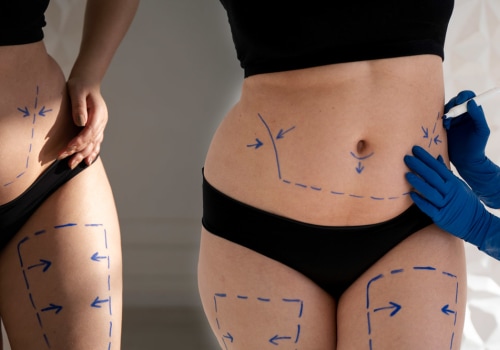
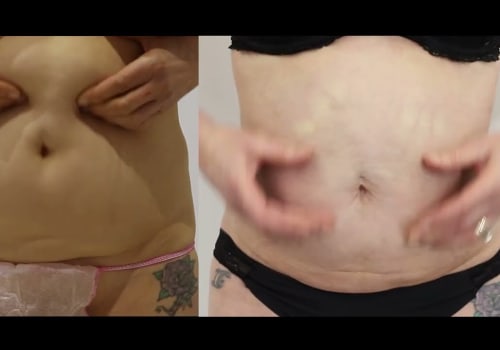
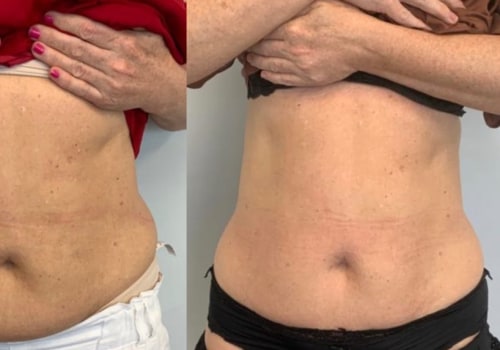
Liposuction is a popular cosmetic procedure designed to remove stubborn fat deposits from various areas of the body, helping individuals achieve a more contoured and sculpted appearance. This surgical technique is not intended for weight loss but rather for body shaping, targeting specific regions where fat tends to accumulate despite diet and exercise efforts. Common areas treated include the abdomen, thighs, buttocks, arms, and neck. Understanding the intricacies of liposuction is essential for anyone considering this procedure, as it can significantly impact both physical appearance and self-esteem.The liposuction procedure typically involves the use of a thin tube called a cannula, which is inserted through small incisions in the skin.
The surgeon then uses this cannula to suction out excess fat from the targeted areas. Depending on the technique employed—such as tumescent liposuction, ultrasound-assisted liposuction (UAL), or laser-assisted liposuction (LAL)—the process may vary slightly, but the fundamental goal remains the same: to remove unwanted fat while ensuring minimal trauma to surrounding tissues.One of the key aspects of liposuction is its ability to provide immediate results. Patients often notice a significant change in their The surgeon then uses this cannula to suction out excess fat from the targeted areas. Depending on the technique employed—such as tumescent liposuction, ultrasound-assisted liposuction (UAL), or laser-assisted liposuction (LAL)—the process may vary slightly, but the fundamental goal remains the same: to remove unwanted fat while ensuring minimal trauma to surrounding tissues.One of the key aspects of liposuction is its ability to provide immediate results. Patients often notice a significant change in their body shape shortly after the procedure, although final results may take several weeks to fully manifest as swelling subsides. However, it is crucial to approach liposuction with realistic expectations. The surgeon then uses this cannula to suction out excess fat from the targeted areas. Depending on the technique employed—such as tumescent liposuction, ultrasound-assisted liposuction (UAL), or laser-assisted liposuction (LAL)—the process may vary slightly, but the fundamental goal remains the same: to remove unwanted fat while ensuring minimal trauma to surrounding tissues.One of the key aspects of liposuction is its ability to provide immediate results. Patients often notice a significant change in their body shape shortly after the procedure, although final results may take several weeks to fully manifest as swelling subsides. However, it is crucial to approach liposuction with realistic expectations.
While it can enhance body contours and boost confidence, it does not serve as a substitute for a healthy lifestyle or a solution for obesity.In summary, liposuction offers a viable option for those looking to refine their body shape by eliminating localized fat deposits. As we delve deeper into this topic, we will explore important considerations regarding fat return after the procedure and how maintaining results requires ongoing commitment to health and wellness.
How Liposuction Works
Liposuction is a popular cosmetic procedure designed to remove stubborn fat deposits from various areas of the body. Understanding how liposuction works is essential for anyone considering this surgery, as it provides insight into the techniques used, the areas commonly treated, and what patients can expect during and after the procedure.The liposuction process typically begins with a consultation where the surgeon evaluates the patient's health, discusses their goals, and determines the most suitable technique for fat removal. There are several methods of liposuction, each with its own advantages:- Tumescent Liposuction: This is the most common technique, where a solution containing saline, lidocaine, and epinephrine is injected into the targeted area.
This solution helps to numb the area and constrict blood vessels, reducing bleeding and swelling during the procedure.
- Ultrasound-Assisted Liposuction (UAL): This method uses ultrasound waves to liquefy fat cells before they are suctioned out. This technique is particularly effective for fibrous areas of the body, such as the back or male breast tissue. This method uses ultrasound waves to liquefy fat cells before they are suctioned out. This technique is particularly effective for fibrous areas of the body, such as the back or male breast tissue.
- Laser-Assisted Liposuction (LAL): Similar to UAL, this technique employs laser energy to melt fat cells. The liquefied fat is then removed through a cannula. LAL can also promote skin tightening due to the heat generated by the laser.
- Power-Assisted Liposuction (PAL): In this method, a vibrating cannula is used to break up fat cells more efficiently, making it easier to remove larger volumes of fat with less trauma to surrounding tissues.
- Abdomen
- Thighs
- Hips
- Arms
- Back
- Chin and neck
The surgeon makes small incisions in inconspicuous areas to insert a thin tube called a cannula. The cannula is then used to suction out excess fat while sculpting the body contours.After surgery, patients can expect some swelling and bruising in the treated areas. Recovery times vary based on individual circumstances and the extent of the procedure but generally range from a few days to several weeks. Following post-operative care instructions is crucial for optimal healing and results.Liposuction can significantly enhance body shape and boost self-confidence when performed by a qualified surgeon.
However, it is essential for patients to maintain realistic expectations regarding their results and understand that liposuction should complement a healthy lifestyle rather than replace it.
The Myth of Permanent Fat Removal
One of the most prevalent misconceptions surrounding liposuction is the belief that it offers a permanent solution for fat removal. While it is true that liposuction effectively eliminates fat cells from targeted areas, it is crucial to understand that this does not equate to a guarantee against future weight gain. The reality is more nuanced and requires a deeper exploration of how our bodies manage fat.When liposuction is performed, a specific number of fat cells are removed from the body. However, this does not mean that the body becomes incapable of gaining weight thereafter.The remaining fat cells in the treated areas can still expand if a person gains weight. This means that while you may have a slimmer contour post-surgery, any significant weight gain can lead to noticeable changes in your body shape.To illustrate this point, consider the following:
- Fat Cell Distribution: After liposuction, the distribution of fat in your body may change. If you gain weight, the remaining fat cells in the treated area can enlarge, leading to an uneven appearance compared to other areas where fat cells remain intact.
- Weight Management: Maintaining a stable weight post-liposuction is essential for preserving your results. A balanced diet and regular exercise are vital components of this maintenance strategy.
- Realistic Expectations: It’s important to approach liposuction with realistic expectations.
While it can significantly enhance your body shape, it should not be viewed as a substitute for healthy lifestyle choices.
Factors Influencing Fat Return After Liposuction
Understanding the factors that influence fat return after liposuction is crucial for anyone considering the procedure.While liposuction effectively removes fat cells from targeted areas, it does not guarantee that fat will not return. Several elements can impact whether or not fat accumulates again in those areas.
Lifestyle Choices
Your lifestyle plays a significant role in determining the longevity of your liposuction results. Key aspects include:- Diet: Consuming a balanced diet rich in nutrients can help maintain your weight post-surgery. A diet high in processed foods and sugars can lead to weight gain, as excess calories are stored as fat.
- Exercise: Regular physical activity is essential for maintaining a healthy weight.
Engaging in both cardiovascular and strength-training exercises can help burn calories and build muscle, which may prevent fat accumulation.
- Hydration: Staying well-hydrated supports overall health and can aid in weight management. Drinking sufficient water helps regulate metabolism and can reduce cravings for unhealthy snacks.
Genetic Predispositions
Your genetic makeup can also influence how your body stores fat. Some individuals may be genetically predisposed to store fat in certain areas, making it more challenging to maintain results after liposuction. Understanding your family history regarding weight gain can provide insight into your potential challenges.Hormonal Factors
Hormones play a critical role in regulating body weight and fat distribution.Changes in hormone levels, particularly those related to stress, metabolism, and reproductive health, can affect how your body stores fat. For instance, increased cortisol levels due to stress may lead to weight gain around the abdomen.
Age and Metabolism
As you age, your metabolism naturally slows down, which can make it easier to gain weight if dietary habits remain unchanged. Additionally, hormonal changes during menopause can lead to shifts in fat distribution, often resulting in increased abdominal fat.In conclusion, while liposuction can provide significant aesthetic improvements, understanding the various factors that influence fat return is essential for maintaining those results. By adopting a healthy lifestyle, being aware of genetic predispositions, managing hormonal changes, and considering age-related metabolic shifts, you can enhance the longevity of your liposuction outcomes.Maintaining Your Results: Tips and Strategies
After undergoing liposuction, many individuals are eager to maintain their newly sculpted physique.However, achieving long-lasting results requires commitment and a proactive approach to health and wellness. Here are some effective tips and strategies to help you maintain your results post-procedure.
1.Embrace a Balanced Diet
Your diet plays a crucial role in maintaining the results of liposuction. Focus on incorporating a variety of nutrient-dense foods into your meals:- Fruits and Vegetables: Aim for at least five servings of fruits and vegetables each day. These foods are low in calories but high in vitamins, minerals, and fibre.
- Lean Proteins: Include sources of lean protein such as chicken, fish, beans, and legumes.
Protein helps build muscle and keeps you feeling full longer.
- Whole Grains: Opt for whole grains like brown rice, quinoa, and whole-wheat bread instead of refined grains. They provide sustained energy and essential nutrients.
- Healthy Fats: Incorporate healthy fats from sources like avocados, nuts, seeds, and olive oil. These fats can help you feel satisfied while supporting overall health.
2.Stay Hydrated
Drinking plenty of water is essential for overall health and can aid in weight maintenance. Aim for at least 2 litres of water daily to keep your body hydrated, support metabolism, and reduce cravings.3.Regular Exercise
Engaging in regular physical activity is vital for maintaining your liposuction results.Consider the following:
- Aerobic Exercise: Incorporate cardiovascular activities such as walking, running, cycling, or swimming at least 150 minutes per week to help burn calories.
- Strength Training: Include strength training exercises at least twice a week to build muscle mass, which can increase your resting metabolic rate.
- Flexibility and Balance: Activities like yoga or Pilates can improve flexibility and core strength while promoting relaxation.
4.Monitor Your Weight
Regularly tracking your weight can help you stay accountable. Weigh yourself weekly to identify any fluctuations early on so you can adjust your diet or exercise routine accordingly.5.Set Realistic Goals
Avoid the temptation to strive for perfection. Instead, set achievable goals that focus on maintaining a healthy lifestyle rather than solely on weight loss. Celebrate small victories along the way!By adopting these strategies and committing to a healthy lifestyle, you can significantly enhance the longevity of your liposuction results and enjoy your transformed body for years to come.The Role of Diet in Fat Management Post-Liposuction
After undergoing liposuction, maintaining a healthy diet is crucial for preserving your results and preventing fat accumulation.The choices you make regarding your nutrition can significantly impact your body’s ability to maintain its new shape. Here are some dietary recommendations to consider:
Focus on Whole Foods
Incorporating whole foods into your diet is essential. These foods are minimally processed and rich in nutrients, which can help you feel fuller for longer and provide your body with the vitamins and minerals it needs to recover. Aim to include:- Fruits and Vegetables: These are high in fibre, which aids digestion and helps control hunger.
Opt for a variety of colours to ensure a broad spectrum of nutrients.
- Lean Proteins: Foods such as chicken, fish, beans, and legumes can help build muscle and keep you satiated. Protein is vital for recovery post-surgery.
- Whole Grains: Choose whole grains like brown rice, quinoa, and whole wheat bread over refined grains. They provide sustained energy and help regulate blood sugar levels.
Stay Hydrated
Hydration plays a significant role in overall health and can aid in weight management. Drinking plenty of water helps to flush out toxins from your body and can prevent overeating, as thirst is often mistaken for hunger.Aim for at least 8 glasses of water a day, adjusting based on your activity level.
Limit Processed Foods
Avoiding processed foods is crucial after liposuction. These foods often contain high levels of sugars, unhealthy fats, and empty calories that can lead to weight gain. Instead, focus on preparing meals at home where you can control the ingredients.Mindful Eating Habits
Practising mindful eating can also be beneficial. This involves paying attention to what you eat, enjoying each bite, and recognising when you are full.Some tips include:
- Eat slowly and without distractions.
- Listen to your body’s hunger cues.
- Portion control: Use smaller plates to help manage serving sizes.
Exercise: A Key Component in Maintaining Liposuction Results
After undergoing liposuction, many individuals find themselves eager to maintain their newly sculpted physique. One of the most effective ways to achieve this is through regular physical activity. Exercise not only helps in sustaining weight loss but also enhances overall health and well-being.The Importance of Exercise Post-Liposuction
Engaging in a consistent exercise routine is crucial for several reasons:
- Weight Management: Regular physical activity helps to burn calories, making it easier to maintain a stable weight after liposuction.
- Muscle Tone: Exercise can help build and tone muscles, which can enhance the appearance of your body post-surgery.
- Mood Enhancement: Physical activity releases endorphins, which can improve your mood and boost your motivation to stay healthy.
- Improved Recovery: Gentle exercise can aid in recovery by promoting circulation and reducing swelling.
Recommended Workout Routines
When considering exercise after liposuction, it’s essential to start slowly and gradually increase intensity.
Here are some effective workout routines:
- Walking: Begin with short walks, gradually increasing duration and pace. Walking is low-impact and helps improve cardiovascular health.
- Strength Training: Incorporate light weights or resistance bands into your routine. Focus on major muscle groups, aiming for two to three sessions per week.
- Yoga or Pilates: These practices enhance flexibility, core strength, and balance while being gentle on the body.
- Aerobic Exercises: Once cleared by your surgeon, consider low-impact aerobic activities like cycling or swimming to boost cardiovascular fitness.
Fitness Tips for Long-Term Success
To maximise the benefits of your exercise routine post-liposuction, keep these tips in mind:
- Create a Schedule: Set aside specific times for workouts to establish a consistent routine.
- Stay Hydrated: Drink plenty of water before, during, and after exercise to stay hydrated and support recovery.
- Listen to Your Body: Pay attention to how your body feels during workouts. If you experience pain or discomfort, adjust your routine accordingly.
- Set Realistic Goals: Aim for achievable fitness goals that motivate you without causing frustration.
By following a balanced workout routine and adhering to fitness tips, you can enjoy the benefits of your procedure for years to come.
Realistic Expectations: What to Anticipate After Liposuction
When considering liposuction, it is crucial to have realistic expectations regarding the outcomes and the timeline for seeing results. Many patients envision an immediate transformation, but understanding the recovery process and the gradual changes that occur can help manage these expectations.Immediately after the procedure, patients may notice swelling and bruising in the treated areas. This is a normal part of the healing process and can obscure the final results. It is essential to remember that while some initial changes may be visible, the true effects of liposuction will not be fully apparent until the swelling subsides, which can take several weeks.Understanding the Results Timeline
The timeline for seeing optimal results from liposuction varies from person to person, but here is a general outline:- First Week: Expect significant swelling and discomfort.
Most patients can return to light activities within a few days, but strenuous exercise should be avoided.
- Two to Four Weeks: Swelling begins to decrease, and you may start to see some changes in your body shape. However, it is still common for areas to appear uneven as healing continues.
- One to Three Months: As healing progresses, you will notice more defined contours. The majority of swelling should have resolved by this point, revealing a clearer picture of your new shape.
- Six Months to One Year: Final results typically emerge around six months post-surgery. By this time, your body will have settled into its new shape, and any residual swelling should be minimal.
Maintaining a healthy lifestyle through balanced nutrition and regular exercise is vital for preserving your results long-term.In summary, having realistic expectations about the timeline and outcomes of liposuction can significantly enhance your satisfaction with the procedure. Understanding that results develop gradually and that lifestyle choices play a crucial role in maintaining those results will help you navigate your post-surgery journey with confidence.
FAQs About Liposuction and Fat Return
When considering liposuction, many potential patients have questions about the procedure and its outcomes, particularly regarding fat return. Here are some of the most frequently asked questions that can help clarify common concerns.1.Can fat return after liposuction?
Yes, fat can return after liposuction, but it is essential to understand how this occurs. While the procedure removes a significant number of fat cells from the targeted area, it does not eliminate all of them.If a patient gains weight post-surgery, the remaining fat cells can expand, leading to a change in body shape. However, the treated area may still appear slimmer compared to untreated areas.
2.How much weight can I gain after liposuction?
Gaining a small amount of weight—typically around 5 to 10% of your body weight—can lead to noticeable changes in your appearance. For instance, if your goal weight is 130 pounds and you gain 10% (13 pounds), you may see a significant difference in how your body looks. Maintaining a stable weight is crucial for preserving the results of your liposuction.3.What lifestyle changes should I make after liposuction?
To maintain your results, it is vital to adopt a healthy lifestyle that includes:- A balanced diet: Focus on whole foods, including fruits, vegetables, lean proteins, and whole grains.
- Regular exercise: Aim for at least 150 minutes of moderate aerobic activity each week, along with strength training exercises.
- Hydration: Drink plenty of water to support overall health and metabolism.
4.Are there any risks associated with fat return?
While there are no direct risks associated with fat returning after liposuction, gaining weight can lead to health issues such as obesity, diabetes, and cardiovascular diseases.Therefore, maintaining a healthy lifestyle is essential not only for aesthetic reasons but also for overall well-being.
5.How long do the results of liposuction last?
The results of liposuction can last for many years if you maintain a stable weight and healthy lifestyle. The procedure permanently removes fat cells from the treated area; however, it is important to remember that remaining fat cells can still grow if you gain weight.If you have more questions about liposuction or want to discuss your specific concerns, consider scheduling a consultation with a qualified plastic surgeon who can provide personalised advice and information. or want to discuss your specific concerns, consider scheduling a consultation with a qualified plastic surgeon who can provide personalised advice and information.Conclusion: Embracing Your New Body with Knowledge and Care
In conclusion, understanding the intricacies of liposuction is essential for anyone considering this transformative procedure. Throughout this article, we have explored various aspects of liposuction, including its purpose, the potential for fat return, and the importance of maintaining a healthy lifestyle post-procedure.It is crucial to remember that liposuction is primarily a cosmetic surgery aimed at reshaping specific areas of the body rather than a comprehensive weight-loss solution. While it can effectively remove stubborn fat deposits, it does not eliminate the possibility of weight gain in the future.Therefore, individuals must approach their body transformation with realistic expectations and a commitment to ongoing health.Here are some key takeaways to consider:
- Liposuction is not a weight-loss method: It is designed to sculpt and contour the body by removing excess fat from targeted areas.
- Fat can return: If weight is gained after the procedure, remaining fat cells in treated areas may enlarge, leading to changes in body shape.
- Maintenance is vital: A balanced diet and regular exercise are essential for preserving the results of liposuction and ensuring long-term satisfaction.
- Consultation is key: Engaging with a qualified plastic surgeon can provide valuable insights and help set realistic goals for your body transformation journey.