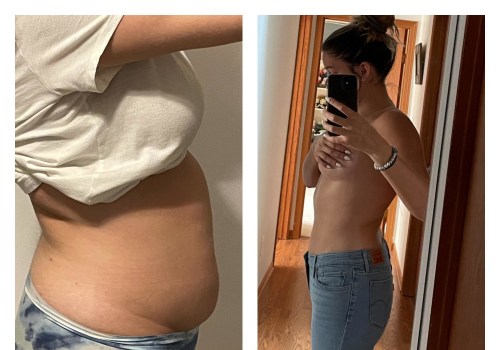
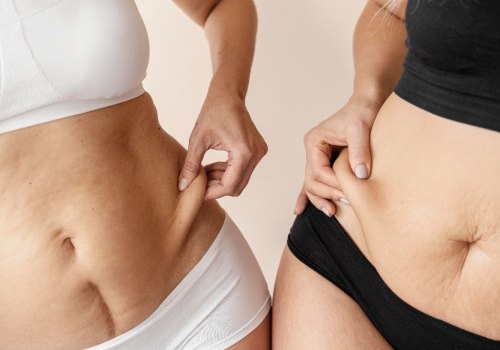
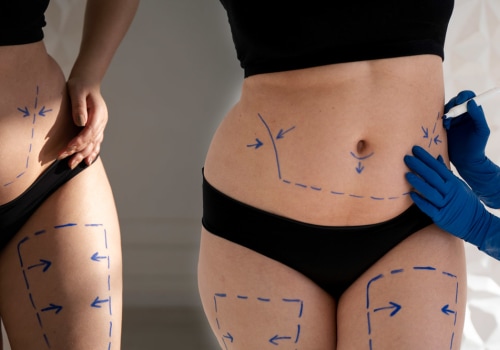
Liposuction has emerged as one of the most sought-after cosmetic procedures in recent years, captivating the attention of individuals eager to enhance their body contours. This surgical technique, designed to remove excess fat deposits from specific areas of the body, offers a transformative solution for those struggling with stubborn fat that resists diet and exercise. As societal standards of beauty evolve, the demand for liposuction continues to rise, reflecting a growing interest in body positivity and self-improvement.The popularity of liposuction can be attributed to its ability to deliver noticeable results with relatively minimal downtime. Patients often report high levels of satisfaction following the procedure, as it not only improves physical appearance but can also boost self-esteem and confidence.
With advancements in technology and techniques, such as tumescent liposuction and laser-assisted methods, the procedure has become safer and more effective, further enticing individuals to consider it as a viable option for body sculpting.Moreover, the increasing acceptance of cosmetic surgery within society has contributed to the surge in liposuction procedures. As more people openly discuss their experiences and results on social media platforms, potential patients are encouraged to explore their options. This trend is not limited to any specific demographic; individuals from various age groups and backgrounds are now seeking liposuction as a means to achieve their desired physique.As we delve deeper into the world of liposuction, it is essential to understand not only its benefits but also the potential complications that may arise. While many patients enjoy successful outcomes, being informed about the risks associated with this popular procedure is crucial for making educated decisions regarding cosmetic surgery.With advancements in technology and techniques, such as tumescent liposuction and laser-assisted methods, the procedure has become safer and more effective, further enticing individuals to consider it as a viable option for body sculpting.Moreover, the increasing acceptance of cosmetic surgery within society has contributed to the surge in liposuction procedures. As more people openly discuss their experiences and results on social media platforms, potential patients are encouraged to explore their options. This trend is not limited to any specific demographic; individuals from various age groups and backgrounds are now seeking liposuction as a means to achieve their desired physique.As we delve deeper into the world of liposuction, it is essential to understand not only its benefits but also the potential complications that may arise. While many patients enjoy successful outcomes, being informed about the risks associated with this popular procedure is crucial for making educated decisions regarding cosmetic surgery.
What is Liposuction?
Liposuction is a popular cosmetic surgical procedure designed to remove excess fat from specific areas of the body, helping individuals achieve a more contoured and aesthetically pleasing appearance.This procedure is not intended as a weight-loss solution but rather as a means to target stubborn fat deposits that are resistant to diet and exercise.The liposuction procedure typically begins with a thorough consultation between the patient and the surgeon. During this consultation, the surgeon will assess the patient's medical history, discuss their aesthetic goals, and determine the most suitable technique for their needs. The procedure itself involves making small incisions in the skin through which a thin tube, known as a cannula, is inserted.Once the cannula is in place, it is connected to a vacuum device that gently suctions out the unwanted fat. The surgeon carefully manoeuvres the cannula to break up fat cells and remove them while ensuring minimal damage to surrounding tissues.
This meticulous approach helps to achieve smoother results and reduces the risk of complications.
Types of Liposuction
- Suction-Assisted Liposuction (SAL): This is the most common form of liposuction, where suction is used to remove fat through a cannula.
- Tumescent Liposuction: In this technique, a solution containing saline, lidocaine, and epinephrine is injected into the treatment area before fat removal. This helps to reduce bleeding and pain.
- Ultrasound-Assisted Liposuction (UAL): This method uses ultrasound energy to liquefy fat cells before they are suctioned out, making it easier to remove larger volumes of fat.
- Laser-Assisted Liposuction (LAL): Similar to UAL, this technique employs laser energy to melt fat cells, which are then removed through suction. It also promotes skin tightening.
- Power-Assisted Liposuction (PAL):Power-Assisted Liposuction (PAL): This technique utilises a vibrating cannula that helps break up fat more efficiently, allowing for quicker removal with less trauma to surrounding tissues.
Common Complications Associated with Liposuction
Liposuction, while a popular cosmetic procedure, is not without its risks.Understanding the common complications associated with liposuction is crucial for anyone considering this surgery. Below are some of the most frequently encountered issues that patients may face post-procedure.
- Contour Deformities: One of the most prevalent complications, contour deformities can occur in up to 9% of patients. These irregularities manifest as uneven skin surfaces, including depressions, elevations, or folds. Such deformities can lead to dissatisfaction with the results, prompting patients to seek corrective procedures.
- Seromas: Seromas are fluid collections that can develop under the skin following liposuction. Seromas are fluid collections that can develop under the skin following liposuction.
They arise from the body’s response to surgical trauma and can lead to swelling and discomfort. The incidence of seromas can be reduced through techniques such as progressive tension sutures, which help to secure the tissue layers and minimise fluid accumulation.
- Hematomas: Similar to seromas, hematomas are collections of blood that can form at the surgical site. They may occur due to bleeding during or after the procedure. While hematomas can often resolve on their own, larger ones may require drainage to alleviate pressure and promote healing.
- Infection: As with any surgical procedure, there is a risk of infection at the incision sites.
Proper post-operative care and adherence to hygiene protocols are essential in minimising this risk. Symptoms of infection may include increased redness, swelling, warmth, or discharge from the incisions.
- Nerve Damage: Although rare, nerve damage can occur during liposuction, leading to temporary or permanent changes in sensation in the treated areas. Patients should discuss this risk with their surgeon prior to undergoing the procedure.
- Skin Irregularities: Patients may experience skin irregularities such as wrinkling or sagging due to the removal of fat. The degree of skin elasticity plays a significant role in how well the skin conforms to its new contours after fat removal.
Understanding both the benefits and risks associated with liposuction will enable individuals to make informed decisions regarding their body contouring goals.
Contour Deformities: The Most Common Complication
Contour deformities represent one of the most prevalent complications associated with liposuction, affecting up to 9% of patients. These deformities can manifest in various forms, including soft tissue depressions, elevations, and irregularities in skin texture, such as folds or wrinkles. Understanding the causes and symptoms of these complications is crucial for both patients and surgeons.Causes of Contour Deformities
- Technique Variability: The skill and experience of the surgeon play a significant role in the outcome of liposuction. Inadequate technique, such as using larger cannulas or excessive suctioning of surface layers, can lead to uneven fat removal.
- Patient Factors: Individual anatomical differences, skin elasticity, and the amount of fat removed can influence the likelihood of developing contour deformities.
Patients with less skin elasticity may be more prone to visible irregularities.
- Postoperative Changes: After surgery, the body undergoes changes as swelling subsides and fat redistributes. This can sometimes reveal underlying contour issues that were not apparent immediately after the procedure.
Symptoms of Contour Deformities
Patients may notice various symptoms indicating contour deformities, including:
- Uneven skin texture or surface irregularities
- Visible depressions or bulges in treated areas
- Skin folds that were not present before surgery
- Persistent swelling or asymmetry in body contours
Preventing Contour Deformities
Preventive measures are essential to minimise the risk of contour deformities during liposuction:
- Utilising Smaller Cannulas: Smaller diameter cannulas can help achieve a more even fat removal, reducing the risk of creating uneven surfaces.
- Avoiding Surface Layer Suction: Surgeons should be cautious when suctioning superficial layers of fat to prevent damage to the skin and underlying tissues.
- Slight Undercorrection: Allowing for a slight undercorrection during the procedure can account for postoperative fat loss and help maintain a smoother contour.
- Crossover Technique: Employing a crossover technique during fat removal has been shown to effectively reduce the incidence of contour deformities by ensuring a more uniform distribution of fat removal.
Other Potential Complications: Seromas and Hematomas
While contour deformities are the most frequently discussed complications of liposuction, seromas and hematomas also warrant attention due to their potential impact on recovery and overall patient satisfaction.Understanding Seromas
A seroma is a collection of serous fluid that can accumulate in the space left by the removal of fat during liposuction. This complication occurs when the body’s healing process leads to fluid accumulation instead of proper tissue reattachment.Seromas can develop in any surgical procedure where there is a significant disruption of tissue, but they are particularly noted in liposuction cases.The incidence of seromas following liposuction is relatively low, estimated at around 2% to 9%. Factors that may increase the risk include:
- Large volume liposuction: Procedures involving the removal of larger amounts of fat are more likely to result in seroma formation.
- Inadequate compression: Failure to wear compression garments as advised can lead to fluid accumulation.
- Surgeon technique: The method used during surgery, including the size of cannulas and suction techniques, can influence seroma risk.
The Issue of Hematomas
A hematoma is another potential complication that can arise after liposuction.It occurs when blood collects outside of blood vessels, leading to swelling and bruising in the affected area. Hematomas can develop due to:
- Trauma during surgery: Excessive manipulation or injury to blood vessels during the procedure can lead to bleeding.
- Coagulation disorders: Patients with underlying bleeding disorders or those taking anticoagulant medications are at higher risk.
- Post-operative activity: Engaging in strenuous activities too soon after surgery can exacerbate bleeding and lead to hematoma formation.
By understanding these potential complications, patients can better prepare for their recovery journey and ensure optimal outcomes from their liposuction procedure.
Factors Influencing Complication Rates in Liposuction
When considering liposuction, it is crucial to understand the various factors that can influence the likelihood of complications. These factors can range from the surgeon's experience to the patient's individual characteristics, including body surface area and overall health. Each of these elements plays a significant role in determining the safety and effectiveness of the procedure.Surgeon Experience
The expertise of the surgeon performing the liposuction is perhaps one of the most critical factors affecting complication rates. A board-certified plastic surgeon with extensive experience in liposuction techniques is more likely to achieve optimal results while minimising risks.Studies have shown that surgeons who perform a higher volume of procedures tend to have lower complication rates. This is attributed to their familiarity with various techniques and their ability to handle unexpected situations during surgery.
Body Surface Area
The size and surface area of the body being treated can also significantly impact the risk of complications. Larger body surface areas may require more extensive fat removal, which can increase the likelihood of issues such as contour deformities or fluid accumulation. Additionally, patients with a higher body mass index (BMI) may face greater risks during and after the procedure due to underlying health conditions that could complicate recovery.Patient Health and Medical History
A patient’s overall health and medical history are vital considerations when assessing risk factors for liposuction complications.Individuals with pre-existing conditions such as diabetes, cardiovascular issues, or bleeding disorders may experience higher complication rates. It is essential for patients to disclose their full medical history during consultations, allowing surgeons to tailor their approach accordingly.
Technique and Technology Used
The specific liposuction technique employed can also influence complication rates. For instance, tumescent liposuction, which involves injecting a solution into the fatty tissue before removal, has been associated with fewer complications compared to traditional methods. Furthermore, advancements in technology, such as ultrasound-assisted or laser-assisted liposuction, may offer additional safety benefits by enhancing precision and reducing trauma to surrounding tissues.In conclusion, understanding these factors is essential for anyone considering liposuction.By choosing an experienced surgeon and being aware of personal health considerations, patients can significantly reduce their risk of complications and improve their overall surgical experience.
The Importance of Choosing a Qualified Surgeon
When considering liposuction, one of the most critical decisions a patient can make is selecting a qualified and experienced surgeon. The expertise of the surgeon directly influences not only the aesthetic outcomes but also the safety of the procedure. A well-chosen surgeon can significantly reduce the risk of complications, ensuring a smoother recovery and more satisfying results.It is essential to seek out board-certified plastic surgeons who specialise in cosmetic procedures, particularly liposuction. Board certification indicates that the surgeon has undergone rigorous training and has met specific standards set by recognised medical boards.This certification is a testament to their commitment to maintaining high levels of patient care and safety.Here are some key factors to consider when choosing a plastic surgeon for liposuction:
- Experience: Look for a surgeon with extensive experience specifically in liposuction. Ask how many procedures they have performed and their complication rates.
- Before-and-After Photos: Review the surgeon's portfolio of previous patients. This will give you an idea of their aesthetic style and the results you can expect.
- Patient Reviews: Research online reviews and testimonials from past patients. Positive feedback can provide insight into the surgeon's skills and patient satisfaction.
- Consultation: Schedule a consultation to discuss your goals and concerns.
This meeting allows you to gauge the surgeon's communication style, professionalism, and willingness to answer your questions.
- Surgical Facility: Ensure that the procedure will be performed in an accredited surgical facility. Accreditation ensures that the facility meets strict safety standards.
Post-Operative Care and Recovery Tips
After undergoing liposuction, proper post-operative care is crucial for ensuring a smooth recovery and minimising the risk of complications.Patients should adhere to their surgeon's specific instructions, but here are some general guidelines to follow during the recovery period.
1.Rest and Recovery
Initially, it is essential to allow your body ample time to heal. Patients are advised to take at least a week off work, depending on the extent of the procedure and individual healing rates. During this time, focus on resting and avoiding strenuous activities that could strain the body.2.Compression Garments
Wearing compression garments is a vital part of post-operative care. These garments help reduce swelling, support the healing tissues, and improve overall contouring results.It is typically recommended to wear them continuously for several weeks, only removing them for bathing or as directed by your surgeon.
3.Managing Pain and Discomfort
It is common to experience some pain and discomfort following liposuction. Your surgeon may prescribe pain relief medication or recommend over-the-counter options. Always follow the prescribed dosage and consult your doctor if pain persists or worsens.4.Hydration and Nutrition
Staying hydrated is essential for recovery. Drink plenty of water to help flush out toxins and support healing.Additionally, focus on a balanced diet rich in vitamins and minerals to promote tissue repair. Foods high in protein, such as lean meats, fish, beans, and legumes, can be particularly beneficial.
5.Monitoring for Complications
Be vigilant about monitoring your recovery process. Look out for signs of complications such as excessive swelling, redness, or discharge from the incision sites. If you notice any unusual symptoms or have concerns about your recovery, do not hesitate to contact your surgeon.6.Gradual Return to Activities
While it’s important to rest initially, gradually reintroducing light activities can aid in recovery.Start with short walks around your home to promote circulation without overexerting yourself. Avoid high-impact exercises or heavy lifting until cleared by your surgeon.By following these post-operative care tips, patients can enhance their recovery experience after liposuction, ensuring optimal results while minimising potential complications.
Frequently Asked Questions about Liposuction Complications
When considering liposuction, patients often have numerous questions regarding potential complications and risks associated with the procedure. Addressing these concerns is crucial for ensuring that individuals feel informed and confident in their decision-making process.What are the most common complications associated with liposuction?
- Contour Deformities: One of the most prevalent issues, contour deformities can manifest as uneven skin surfaces, including depressions or bulges. These irregularities may occur due to uneven fat removal or inadequate skin elasticity.
- Seromas: These are fluid collections that can develop under the skin post-surgery.
While they are generally not serious, they may require drainage if they persist.
- Hematomas: Similar to seromas, hematomas are blood collections that can form at the surgical site. They may cause swelling and discomfort, necessitating further intervention.
- Infection: As with any surgical procedure, there is a risk of infection at the incision sites. Proper aftercare and hygiene are essential to mitigate this risk.
How can I minimise the risks of complications?
To reduce the likelihood of complications, it is vital to choose a qualified and experienced surgeon. Discussing your medical history and any concerns during the consultation can help tailor the procedure to your specific needs.
Additionally, following pre-operative and post-operative instructions diligently will aid in a smoother recovery.
What should I expect during recovery?
The recovery period varies among individuals but typically involves some swelling, bruising, and discomfort. Wearing compression garments as advised by your surgeon can help manage these symptoms and promote healing. Regular follow-up appointments will also be necessary to monitor your progress and address any concerns.
Is liposuction safe?
Liposuction is generally considered safe when performed by a board-certified plastic surgeon in an accredited facility. Understanding the potential risks and having realistic expectations about the outcomes can significantly enhance your experience.If you have further questions or concerns about liposuction complications, do not hesitate to reach out to your healthcare provider for personalised advice and information.
Conclusion: Weighing Risks and Benefits of Liposuction
In conclusion, the decision to undergo liposuction is a significant one that requires careful consideration of both the potential benefits and the associated risks.As highlighted throughout this article, while liposuction can effectively reshape the body and enhance self-esteem, it is not without its complications.Understanding the most common complications, such as contour deformities, seromas, and hematomas, is crucial for anyone contemplating this procedure. Contour deformities, which can occur in up to 9% of patients, may lead to dissatisfaction due to uneven skin surfaces. Techniques such as using smaller cannulas and allowing for slight undercorrection can help mitigate these risks.Moreover, seromas—fluid collections that can develop post-surgery—are another concern, albeit less frequent with proper surgical techniques. The use of progressive tension sutures has been shown to significantly reduce the incidence of seromas from 9% to 2%, underscoring the importance of choosing a skilled surgeon who employs best practices.It is also essential to consider the context in which liposuction is performed.
Patients undergoing multiple procedures simultaneously may face higher complication rates. Therefore, a thorough discussion with a board-certified plastic surgeon about individual health status and surgical history is vital.Ultimately, while liposuction offers promising results for body contouring, it is imperative for patients to weigh these benefits against the potential risks. An informed decision should be based on a comprehensive understanding of what the procedure entails, including recovery expectations and possible complications.By prioritising open communication with healthcare professionals and conducting thorough research, individuals can make empowered choices regarding their cosmetic surgery journey. This approach not only enhances patient safety but also contributes to achieving satisfactory outcomes in body aesthetics.