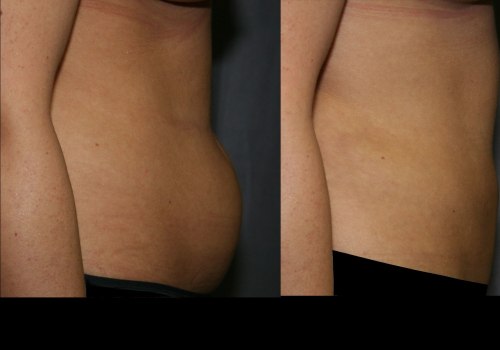
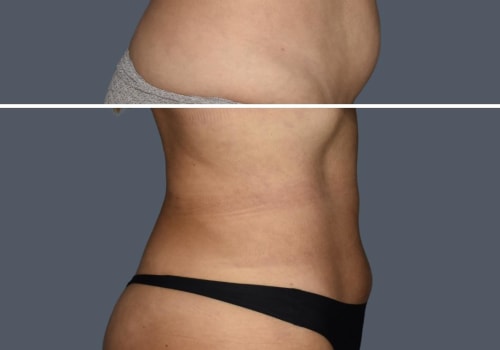
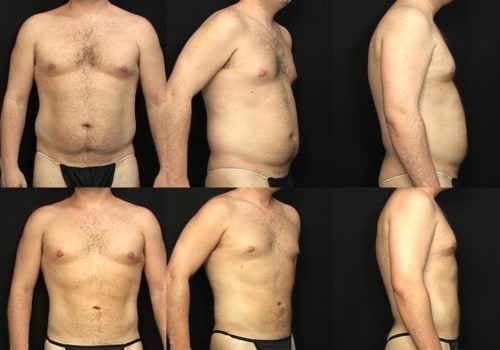
Liposuction is a popular cosmetic procedure designed to remove excess fat from specific areas of the body, helping individuals achieve a more contoured and sculpted appearance. This surgical technique is not intended for weight loss but rather for targeting stubborn fat deposits that are resistant to diet and exercise. Understanding the intricacies of liposuction is essential for anyone considering multiple procedures, as it lays the groundwork for informed decision-making regarding their body and aesthetic goals.The liposuction procedure typically involves the use of a thin tube called a cannula, which is inserted through small incisions in the skin. The surgeon then uses this cannula to suction out fat from the targeted areas.
The procedure can be performed under local or general anaesthesia, depending on the extent of fat removal and the patient's comfort level. Patients can expect to see immediate results, although final outcomes may take several weeks to fully manifest as swelling subsides.There are various techniques available for liposuction, each with its unique advantages. Traditional liposuction, also known as tumescent liposuction, involves injecting a solution that contains saline, anaesthetic, and epinephrine into the treatment area to facilitate fat removal while minimising bleeding and discomfort. Other methods include ultrasound-assisted liposuction (UAL) and laser-assisted liposuction (LAL), which use sound waves or laser energy to liquefy fat before it is removed.
These advanced techniques can offer benefits such as reduced recovery time and less trauma to surrounding tissues.As potential candidates explore their options, it is crucial to consult with a qualified plastic surgeon who can provide tailored advice based on individual needs and health considerations. Understanding how These advanced techniques can offer benefits such as reduced recovery time and less trauma to surrounding tissues.As potential candidates explore their options, it is crucial to consult with a qualified plastic surgeon who can provide tailored advice based on individual needs and health considerations. Understanding how liposuction works and the various techniques available will empower patients to make informed choices about their bodies and aesthetic aspirations, especially when contemplating multiple procedures in pursuit of their ideal physique.
Is It Safe to Have Multiple Liposuction Procedures?
When considering the prospect of undergoing multiple liposuction procedures, it is essential to evaluate the safety implications thoroughly. While many patients successfully undergo more than one procedure, there are significant factors to consider that can influence both the safety and effectiveness of subsequent surgeries.Understanding the Risks
- Increased Surgical Risks: Each surgical procedure carries inherent risks, including complications related to anaesthesia, infection, and blood clots. With multiple surgeries, these risks can compound, making it crucial to assess your overall health and any pre-existing conditions.
- Recovery Time: Recovery from liposuction can vary significantly between individuals.
After each procedure, your body requires time to heal. It is generally recommended to wait at least six months to a year before considering another surgery. This waiting period allows your body to recover fully and reduces the risk of complications.
- Potential for Irregular Results: Repeated liposuction in the same area may lead to uneven or irregular contours. The more procedures you have, the higher the likelihood of experiencing inconsistent results, which can be frustrating for patients seeking a smooth and aesthetically pleasing outcome.
The Importance of Consultation
Before deciding on multiple liposuction procedures, it is imperative to consult with a qualified plastic surgeon who has experience in performing these surgeries.
A thorough consultation will allow you to discuss your goals, assess your health status, and understand the potential risks involved. Your surgeon can provide personalised advice based on your unique circumstances and help you set realistic expectations for your results.
Maintaining a Healthy Lifestyle
After undergoing liposuction, maintaining a healthy lifestyle is vital for preserving your results and minimising the need for additional procedures. Engaging in regular exercise and adhering to a balanced diet can help prevent new fat deposits from forming and ensure that you maintain your desired body shape.In conclusion, while it is possible to have multiple liposuction procedures safely, careful consideration of the associated risks and thorough consultation with a qualified surgeon are essential steps in making an informed decision. By prioritising your health and well-being, you can achieve optimal results while minimising potential complications.
Reasons Patients Consider Multiple Procedures
When considering liposuction, many patients find themselves contemplating the possibility of undergoing multiple procedures.Understanding the motivations behind this desire can shed light on patient psychology and help address common misconceptions surrounding the process.One of the primary reasons patients seek additional liposuction is dissatisfaction with the results of their initial procedure. While many individuals experience significant improvements in body contouring, some may feel that their expectations were not fully met. This can stem from a variety of factors, including:
- Unrealistic Expectations: Some patients may enter the procedure with an idealised vision of their post-surgery body, which may not align with realistic outcomes.
- Body Changes: Factors such as weight fluctuations, hormonal changes, or natural ageing can affect the results over time, prompting patients to consider further treatment.
- Specific Areas of Concern: After the initial procedure, patients might identify additional areas they wish to target that were not addressed previously.
This can lead to a desire for multiple sessions to achieve a more pronounced effect. However, it is crucial to understand that:
- Incremental Results: Each subsequent procedure carries risks and may yield diminishing returns in terms of visible improvement.
- Potential for Irregularities: With each additional surgery, there is an increased risk of uneven or inconsistent results, which can be disheartening for patients.
This emotional drive can sometimes overshadow practical considerations regarding health and safety.Ultimately, while there are valid reasons for seeking multiple liposuction procedures, it is essential for patients to engage in thorough discussions with their plastic surgeon. Understanding the risks involved and setting realistic expectations can help ensure that any decision made is well-informed and aligned with their long-term goals.
The Importance of Recovery Time Between Procedures
When considering multiple liposuction procedures, one of the most critical factors to take into account is the recovery time required between surgeries. Adequate healing is essential not only for your physical well-being but also for achieving the best possible aesthetic results.Typically, it is recommended that patients wait at least six months to a year between liposuction procedures. This waiting period allows your body to fully recover from the previous surgery, ensuring that any swelling, bruising, or discomfort has subsided.Moreover, this time frame enables your skin to regain its elasticity and firmness, which is vital for a smooth and even appearance after subsequent procedures.During the recovery phase, your body undergoes significant changes as it heals. The tissues need time to repair themselves, and the fat cells that have been removed must be adequately compensated for by your body’s natural processes. Rushing into another procedure without allowing sufficient recovery can lead to complications such as:
- Increased Risk of Complications: Undergoing surgery too soon can elevate the risk of infections, excessive bleeding, and other surgical complications.
- Uneven Results: Insufficient healing time may result in irregularities in fat distribution, leading to an uneven or lumpy appearance.
- Prolonged Recovery: A second procedure performed too soon can extend your overall recovery time, causing unnecessary discomfort and delaying your return to normal activities.
Allowing yourself adequate time between procedures not only aids in physical healing but also provides an opportunity for mental preparation and adjustment to your new body image.In conclusion, while the desire for immediate results may tempt some patients to schedule multiple liposuction procedures in quick succession, prioritising recovery time is crucial. By adhering to recommended waiting periods and focusing on healing, you can enhance your chances of achieving optimal results while minimising potential risks associated with repeated surgeries.
Potential Complications and Risks of Repeat Liposuction
While liposuction can be an effective method for body contouring, it is essential to understand that undergoing multiple procedures can significantly increase the risk of complications. Each surgical intervention carries inherent risks, and these can be exacerbated with repeat surgeries.Common Complications Associated with Repeat Liposuction
- Infection: The risk of infection rises with each additional procedure. Bacteria can enter the body through incisions, leading to serious health issues that may require further treatment.
- Scarring: Each liposuction procedure leaves scars, and multiple surgeries can lead to more pronounced scarring.
This can affect the aesthetic outcome and may require additional procedures to improve the appearance of scars.
- Fluid Accumulation: After liposuction, fluid can accumulate in the treated areas, leading to seromas. This condition may necessitate drainage and can prolong recovery time.
- Uneven Results: With each subsequent procedure, the likelihood of achieving uneven or irregular results increases. This is particularly true if fat is removed from the same area multiple times.
- Changes in Skin Elasticity: Repeated fat removal can affect skin elasticity, leading to sagging or loose skin in the treated areas. This may require additional surgical interventions, such as skin tightening procedures.
Long-Term Risks
Beyond immediate complications, there are long-term risks associated with multiple liposuction procedures:
- Fat Redistribution: The body may respond to repeated fat removal by redistributing fat to other areas, which could lead to an undesired appearance.
- Anesthesia Risks: Each surgery requires anesthesia, which carries its own set of risks.
Repeated exposure increases the chances of complications related to anesthesia.
- Psychological Impact: Patients may develop unrealistic expectations regarding their body image after multiple surgeries. This can lead to dissatisfaction and emotional distress if results do not meet their expectations.
Maintaining Results After Liposuction
After undergoing liposuction, many patients are eager to maintain their newly sculpted appearance. However, achieving lasting results requires a commitment to a healthy lifestyle and ongoing care.Here are some essential strategies to help you preserve the benefits of your liposuction procedure.
Embrace a Balanced Diet
A nutritious diet plays a crucial role in maintaining your results. Focus on incorporating:- Fruits and Vegetables: These are rich in vitamins, minerals, and antioxidants that support overall health.
- Lean Proteins: Foods such as chicken, fish, beans, and legumes help build muscle and keep you feeling full.
- Whole Grains: Opt for whole grains like brown rice, quinoa, and whole wheat bread to provide sustained energy.
- Healthy Fats: Include sources of healthy fats such as avocados, nuts, and olive oil to support metabolic health.
Stay Active
Regular physical activity is vital for maintaining your results. Aim for at least 150 minutes of moderate aerobic exercise each week.Activities such as:
- Walking or Jogging: Great for cardiovascular health and burning calories.
- Cycling: A low-impact option that can be enjoyable and effective.
- Strength Training: Incorporating weights or resistance bands helps build muscle mass, which can boost metabolism.
Monitor Your Weight
Regularly checking your weight can help you stay accountable. If you notice any significant fluctuations, it may be time to reassess your diet and exercise routine. Keeping a food diary or using a mobile app can also assist in tracking your intake and ensuring you stay on course.Ultimately, maintaining the results of your liposuction is an ongoing process that requires dedication. By adopting a healthy lifestyle that includes balanced nutrition and regular exercise, you can enjoy the benefits of your procedure for years to come.Alternatives to Liposuction for Fat Reduction
While liposuction is a popular choice for body contouring, it is not the only option available for those looking to reduce fat.Many patients may find that non-surgical alternatives can provide effective results with fewer risks and shorter recovery times. Below are some of the most notable alternatives to liposuction:
- CoolSculpting: This non-invasive procedure uses cryolipolysis technology to freeze and eliminate fat cells. The targeted areas are cooled to a temperature that causes fat cells to crystallise and die, which are then naturally expelled by the body over time. CoolSculpting is particularly effective for small pockets of fat and requires no downtime, making it an attractive option for many.
- Ultrasound Fat Reduction: This technique employs ultrasound waves to break down fat cells without damaging surrounding tissues.
The procedure is painless and typically requires multiple sessions for optimal results. Patients often appreciate the gradual improvement in their body contour.
- Laser Lipolysis: Also known as laser lipo, this method uses laser energy to liquefy fat cells, which are then removed through a small cannula. It is less invasive than traditional liposuction and can also stimulate collagen production, leading to tighter skin.
- Radiofrequency Treatments: These treatments use radiofrequency energy to heat the skin and underlying fat, promoting fat reduction while tightening the skin. This dual benefit makes it a popular choice for those concerned about sagging skin post-weight loss.
Each method has its own set of advantages and limitations, and what works best will depend on factors such as the amount of fat to be removed, the treatment area, and your overall health.In comparing CoolSculpting with liposuction, one must consider several factors:
- Invasiveness: Liposuction is a surgical procedure requiring anaesthesia and incisions, while CoolSculpting is non-invasive with no need for anaesthesia.
- Recovery Time: Recovery from liposuction can take weeks, whereas CoolSculpting allows patients to return to normal activities almost immediately.
- Results Timeline: Liposuction provides immediate results post-surgery, while CoolSculpting results develop gradually over several weeks as the body eliminates the frozen fat cells.
Consulting with a Plastic Surgeon: What to Expect
When considering multiple liposuction procedures, a thorough consultation with a qualified plastic surgeon is essential. This meeting serves as an opportunity to discuss your goals, expectations, and any concerns you may have regarding the procedures. Here’s what you can expect during your consultation and how to prepare for it.What to Expect During the Consultation
Your initial consultation will typically involve a comprehensive assessment of your medical history, current health status, and aesthetic goals.The surgeon will evaluate the areas you wish to target and may take photographs for your medical records. This is also the time for you to ask questions and clarify any doubts.
Key Questions to Ask
To ensure you are well-informed, consider asking the following questions:- What is your experience with liposuction? Inquire about the surgeon's qualifications, training, and how many liposuction procedures they have performed.
- What techniques do you use? Different techniques can yield varying results; understanding the methods used can help you make an informed decision.
- What are the potential risks and complications? Every surgical procedure carries risks; knowing these can help you weigh your options.
- How many procedures do you recommend for my goals? Discussing your desired outcomes will help the surgeon provide tailored advice on whether multiple sessions are necessary.
- What is the expected recovery time? Understanding the recovery process is crucial for planning your post-operative care.
- Can I see before-and-after photos of previous patients? This can give you a realistic expectation of what results may look like.
Preparing for Your Consultation
Preparation is key to making the most of your consultation. Here are some tips:- List Your Goals: Write down what you hope to achieve with liposuction. Be specific about the areas you want to target and any concerns you have about your body image.
- Gather Medical Information: Bring a list of medications, supplements, and any medical conditions that may affect your surgery.
- Prepare Questions: Use the questions mentioned above as a guide to ensure all your concerns are addressed during the meeting.
- Consider Your Lifestyle: Be ready to discuss your diet, exercise habits, and any previous weight loss attempts, as these factors can influence surgical outcomes.
By asking the right questions and being open about your expectations, you can establish a strong partnership with your plastic surgeon that prioritises your safety and satisfaction.
FAQs About Multiple Liposuction Procedures
When considering multiple liposuction procedures, patients often have numerous questions. Here are some of the most frequently asked questions that can help clarify concerns and provide valuable insights.1.How many times can I safely undergo liposuction?
The number of times a person can safely undergo liposuction varies based on individual health, the areas being treated, and the surgeon's recommendations. Generally, it is advised to wait at least six months to a year between procedures to allow the body adequate time to heal and recover.2.Will I achieve better results with multiple procedures?
While some patients believe that multiple procedures will yield better results, it is essential to understand that the initial procedure typically provides the most significant improvement. Subsequent surgeries may not necessarily enhance results and can lead to uneven or irregular outcomes.3.What are the risks associated with having multiple liposuction surgeries?
Each additional liposuction procedure carries increased risks, including:- Infection: The risk of infection rises with each surgery.
- Scarring: More procedures can lead to more noticeable scars.
- Anesthesia complications: Repeated exposure to anesthesia can increase risks.
- Irregularities: There is a higher chance of uneven fat distribution after multiple surgeries.
4.Can I target the same area more than once?
Yes, patients may choose to target the same area multiple times; however, it is crucial to consult with a qualified plastic surgeon.They will assess whether additional fat removal is advisable and safe based on your unique circumstances.
5.How can I maintain my results after multiple procedures?
To maintain your results after undergoing liposuction, it is vital to adopt a healthy lifestyle that includes:- A balanced diet: Focus on nutritious foods that support overall health.
- Regular exercise: Incorporate cardiovascular and strength training exercises into your routine.
- Hydration: Drink plenty of water to support metabolic processes.
Conclusion: Making Informed Decisions About Liposuction
In conclusion, the decision to undergo multiple liposuction procedures is not one to be taken lightly. Throughout this article, we have explored various aspects of liposuction, including its benefits, risks, and the importance of proper timing between procedures. It is essential for potential patients to understand that while liposuction can effectively enhance body contours, it is not a substitute for a healthy lifestyle or a weight loss solution.Before considering additional surgeries, patients should reflect on their initial results and assess whether they align with their expectations. If the desired outcome was not achieved after the first procedure, it is crucial to consult with a qualified plastic surgeon to discuss realistic goals and the potential for further treatments.Each subsequent procedure carries increased risks, including complications and inconsistent results.Moreover, waiting at least six months between surgeries allows the body adequate time to heal and recover. This period is vital for evaluating the results of the initial procedure and determining if further intervention is necessary. During this time, maintaining a healthy lifestyle through regular exercise and a balanced diet can significantly impact long-term results.It is also important to consider individual health factors. Patients with underlying medical conditions or those who are at risk of complications from anaesthesia should engage in thorough discussions with their healthcare providers before proceeding with any surgical options.Ultimately, making informed decisions about liposuction requires careful consideration of personal goals, health status, and professional guidance.
By prioritising safety and realistic expectations, individuals can achieve satisfying outcomes while minimising potential risks associated with multiple procedures.