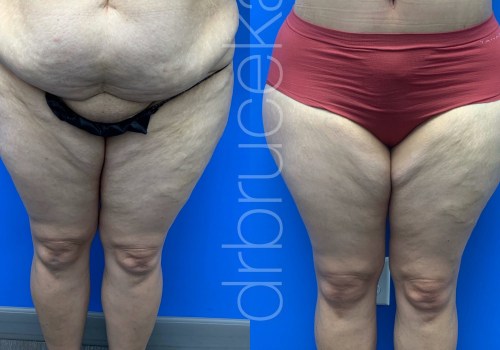
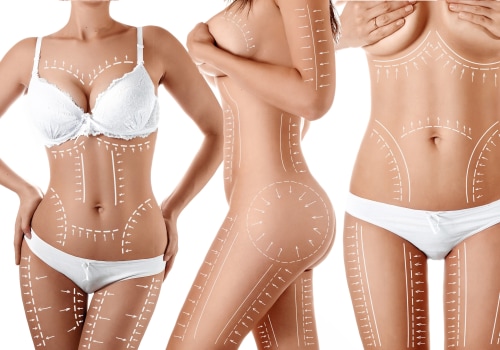
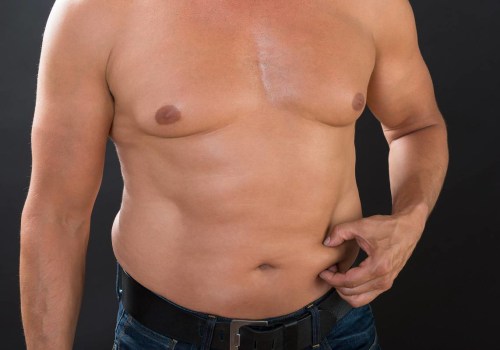
Liposuction is a popular cosmetic procedure designed to remove stubborn fat deposits from various areas of the body, including the abdomen, thighs, and arms. While many individuals seek this treatment to enhance their body contours and boost their self-esteem, it is essential to understand that liposuction is not a weight-loss solution but rather a body sculpting technique. The procedure involves the use of a cannula to suction out fat, resulting in a more defined silhouette. However, the journey does not end with the surgery; understanding the recovery time is crucial for anyone considering this option.After undergoing liposuction, patients often have questions about what to expect during the recovery phase.
The healing process can vary significantly from person to person, influenced by factors such as the extent of the procedure, individual health conditions, and adherence to post-operative care instructions. Generally, while some may feel ready to return to their daily activities within a week or two, others might require several months to fully recover. This variability can lead to confusion and unrealistic expectations regarding the timeline for visible results.In this article, we will delve deeper into the intricacies of liposuction recovery time, providing insights into what patients can anticipate during their healing journey. From managing discomfort and swelling to understanding when it is safe to resume exercise and other activities, we aim to equip you with the knowledge needed to navigate this critical phase successfully.
By setting realistic expectations and following medical advice diligently, patients can enhance their recovery experience and achieve optimal results from their liposuction procedure.
What is Liposuction?
Liposuction is a popular cosmetic surgical procedure designed to remove excess fat deposits from specific areas of the body, helping to sculpt and enhance the overall body contour. This procedure is not intended as a weight-loss solution but rather as a means to target stubborn fat that does not respond to diet and exercise.The liposuction procedure typically involves the use of a thin, hollow tube called a cannula, which is inserted through small incisions in the skin. The surgeon then moves the cannula back and forth to loosen the fat, which is subsequently suctioned out using a vacuum device. This technique allows for precise fat removal while minimising damage to surrounding tissues.Types of Liposuction
There are several types of liposuction techniques, each with its unique advantages:- Tumescent Liposuction: This is the most common form of liposuction, where a solution containing saline, lidocaine, and epinephrine is injected into the targeted area.
This solution helps to numb the area and reduce bleeding during the procedure.
- Ultrasound-Assisted Liposuction (UAL): This technique uses ultrasound waves to liquefy fat cells before they are removed. UAL can be particularly effective for fibrous areas of the body, such as the back or male breast tissue.
- Laser-Assisted Liposuction (LAL): In this method, laser energy is used to melt fat cells, making them easier to remove. LAL can also promote skin tightening due to the heat generated by the laser.
- Suction-Assisted Liposuction (SAL): This traditional method relies solely on suction to remove fat without any additional techniques. It is effective for larger areas but may require longer recovery times.
Each method has its own set of benefits and potential risks, which should be thoroughly discussed with a qualified plastic surgeon prior to undergoing the procedure.
The Liposuction Recovery Timeline
Understanding the recovery timeline after liposuction is crucial for patients to manage their expectations and prepare adequately for the healing process. The journey typically begins immediately after the procedure and can be broken down into several key stages.Immediate Post-Operative Care
In the first few hours following liposuction, patients are usually monitored in a recovery area. It is common to experience some swelling, bruising, and discomfort, which can be managed with prescribed pain medication. Patients are advised to wear a compression garment to help reduce swelling and support the healing tissues.During this initial phase, it is essential to have a responsible adult accompany you home, as you may still be under the effects of anaesthesia.In the first few hours following liposuction, patients are usually monitored in a recovery area. It is common to experience some swelling, bruising, and discomfort, which can be managed with prescribed pain medication. Patients are advised to wear a compression garment to help reduce swelling and support the healing tissues.During this initial phase, it is essential to have a responsible adult accompany you home, as you may still be under the effects of anaesthesia.Rest is paramount; patients should aim to keep their activity levels low and avoid strenuous movements.
The First Few Days
In the days following the procedure, most patients can expect to return home, but they should continue to prioritise rest. Swelling will peak around 48 hours post-surgery and then gradually begin to subside. It is advisable to follow up with your surgeon within a week for a check-up, where they will assess your healing progress and address any concerns.- Days 1-3: Focus on rest and hydration. Pain management is crucial during this period.
- Days 4-7: Light activities can be introduced, but avoid any heavy lifting or vigorous exercise.
- Week 2: Many patients feel comfortable returning to work, depending on their job's physical demands.
If you notice any unusual symptoms such as excessive bleeding or signs of infection, contact your surgeon immediately.By understanding these stages of recovery, patients can better prepare themselves for what lies ahead after their liposuction procedure. Patience and adherence to post-operative care instructions are vital for achieving optimal results.
Factors Influencing Recovery Time
When considering liposuction, it is essential to understand that recovery time can vary significantly from one individual to another. Several factors play a crucial role in determining how quickly a patient can return to their normal activities after the procedure. Below, we explore the key elements that influence recovery time.1.Age
Age is a significant factor in the recovery process.Generally, younger patients tend to heal faster than older individuals. This is largely due to the body's natural regenerative abilities, which decline with age. Younger skin typically has better elasticity and a more robust blood supply, both of which contribute to quicker healing. However, it is important to note that age alone does not dictate recovery; overall health and lifestyle choices also play a vital role.
2.Health Status
A patient’s overall health can greatly impact their recovery time following liposuction.Those with pre-existing medical conditions, such as diabetes or cardiovascular issues, may experience longer recovery periods due to complications or slower healing processes. Additionally, individuals who smoke or have poor nutrition may find their recovery hindered, as these factors can affect circulation and the body’s ability to heal.
3.Extent of the Procedure
The amount of fat removed during the procedure also influences recovery time. A more extensive liposuction procedure typically requires a longer healing period compared to a less invasive approach. Patients undergoing multiple areas of treatment or larger volume removals may experience increased swelling and bruising, which can prolong discomfort and delay return to normal activities.4.Individual Recovery Differences
Each person’s body responds differently to surgery, making individual recovery differences an important consideration.Factors such as genetics, pain tolerance, and adherence to post-operative care instructions can all affect how quickly someone recovers. Some patients may find they bounce back within a few weeks, while others might take several months to feel fully healed.In conclusion, understanding these factors is vital for setting realistic expectations regarding liposuction recovery time. By considering age, health status, the extent of the procedure, and individual differences, patients can better prepare themselves for the journey ahead and ensure they follow appropriate post-operative care for optimal healing.
Managing Pain and Discomfort During Recovery
Recovering from liposuction can be a challenging experience, particularly when it comes to managing pain and discomfort. Understanding how to effectively alleviate these sensations is crucial for a smoother recovery process.Here are some strategies and options to consider:
Understanding Pain Levels
It’s important to recognise that some level of discomfort is normal following liposuction. Patients often report feeling soreness, swelling, and bruising in the treated areas. This discomfort can vary significantly from person to person, depending on factors such as the extent of the procedure and individual pain tolerance.Medications for Pain Relief
Your surgeon will likely prescribe pain relief medications to help manage your discomfort. These may include:- Non-steroidal anti-inflammatory drugs (NSAIDs): Medications like ibuprofen can help reduce inflammation and alleviate pain.
- Prescription painkillers: In some cases, stronger medications may be necessary for the initial days post-surgery.
- Topical treatments: Creams or gels containing analgesics can provide localized relief.
Alternative Pain Management Techniques
In addition to medications, there are several alternative methods that can assist in managing pain:- Cold compresses: Applying ice packs to the affected areas can help reduce swelling and numb the pain.
Ensure you wrap ice packs in a cloth to avoid direct contact with the skin.
- Gentle movement: While rest is essential, gentle walking can promote circulation and help reduce stiffness. Listen to your body and avoid overexertion.
- Relaxation techniques: Practices such as deep breathing, meditation, or gentle yoga can help manage stress and promote overall well-being during recovery.
Listening to Your Body
Your body will provide signals about what it needs during recovery. If you experience severe pain that does not improve with medication or if you notice unusual symptoms such as excessive swelling or fever, it’s crucial to contact your surgeon immediately. Early intervention can prevent complications and ensure a smoother healing process.By employing these strategies for managing pain and discomfort after liposuction, you can enhance your recovery experience and move closer to achieving your desired results.Post-Operative Care Tips for a Smooth Recovery
Recovering from liposuction requires careful attention to post-operative care to ensure optimal healing and results.Here are some essential tips to guide you through the recovery process:
- Follow Your Surgeon’s Instructions: Adhering to the specific aftercare instructions provided by your surgeon is crucial. These guidelines are tailored to your individual needs and the specifics of your procedure.
- Manage Pain and Discomfort: It is normal to experience some pain and swelling after the surgery. Your surgeon will likely prescribe pain medication. Take it as directed, and do not hesitate to reach out if you feel your pain is not adequately managed.
- Wear Compression Garments: Wearing a compression garment as advised helps reduce swelling and supports the healing tissues.
Ensure that it fits well and is worn for the recommended duration.
- Stay Hydrated: Drinking plenty of water aids in recovery by flushing out toxins and keeping your body hydrated. Proper hydration can also help reduce swelling.
- Rest and Limit Physical Activity: Rest is vital in the initial days following your procedure. Avoid strenuous activities, heavy lifting, or vigorous exercise for at least a few weeks, as these can hinder your recovery.
- Monitor Your Incisions: Keep an eye on your incisions for any signs of infection, such as increased redness, swelling, or discharge. If you notice any concerning symptoms, contact your surgeon immediately.
- Gradually Reintroduce Activities: After a few weeks, you can start to reintroduce light activities into your routine.
Listen to your body and avoid pushing yourself too hard too soon.
- Maintain a Healthy Diet: Eating a balanced diet rich in vitamins and minerals can support healing. Focus on consuming lean proteins, fruits, vegetables, and whole grains while avoiding processed foods.
Common Myths About Liposuction Recovery
When considering liposuction, many patients are often influenced by widespread myths that can distort their understanding of the recovery process. Addressing these misconceptions is crucial for setting realistic expectations and ensuring a smoother healing journey.- Myth 1: Recovery is Quick and Painless
One of the most prevalent myths is that recovery from liposuction is a swift and uncomplicated process.In reality, while some patients may experience minimal discomfort, others can face significant swelling, bruising, and soreness that can last for weeks. The initial recovery period typically spans several days, but full recovery can take up to six months as the body continues to heal and adjust.
- Myth 2: You Can Resume Normal Activities Immediately
Another common misconception is that patients can return to their regular routines almost immediately after the procedure. While many individuals may feel well enough to engage in light activities within a few days, strenuous exercise and heavy lifting should be avoided for several weeks. It’s essential to listen to your body and follow your surgeon's advice regarding activity levels during recovery. - Myth 3: Liposuction Results Are Instantaneous
Many people believe that the results of liposuction are visible right after the procedure.However, due to swelling and fluid retention, the final results may not be apparent for several months. Patience is key, as the body needs time to settle into its new shape.
- Myth 4: Liposuction Is a Weight Loss Solution
Some individuals mistakenly view liposuction as a quick fix for weight loss. In truth, it is designed for body contouring rather than significant weight reduction. Ideal candidates are typically at or near their target weight but have stubborn areas of fat that resist diet and exercise. Some individuals mistakenly view liposuction as a quick fix for weight loss. In truth, it is designed for body contouring rather than significant weight reduction. Ideal candidates are typically at or near their target weight but have stubborn areas of fat that resist diet and exercise. - Myth 5: All Patients Experience the Same Recovery
Recovery from liposuction varies significantly from person to person.Factors such as age, overall health, the extent of the procedure, and adherence to post-operative care instructions all play a role in how quickly one heals. Understanding that each recovery journey is unique can help manage expectations.
When to Contact Your Surgeon: Warning Signs During Recovery
Recovering from liposuction is a significant process that requires careful attention to your body’s signals. While some discomfort and swelling are normal, there are specific warning signs that should prompt you to contact your surgeon immediately.Recognising these signs can be crucial for ensuring a smooth recovery and preventing serious complications.
Common Warning Signs
- Excessive Swelling: While some swelling is expected, if you notice that the swelling is increasing rather than decreasing after the first few days, it may indicate a problem.
- Persistent Pain: Mild discomfort is normal, but if you experience severe pain that does not improve with prescribed medication, it could be a sign of complications.
- Fever: A temperature above 38°C (100.4°F) can indicate an infection. If you develop a fever, it’s essential to reach out to your surgeon.
- Unusual Discharge: Any discharge from the incision sites that is foul-smelling or contains pus should be reported to your surgeon as it may signal an infection.
- Changes in Skin Colour: If the skin around the surgical area becomes increasingly red or discoloured, this could indicate inflammation or infection.
When to Call Your Surgeon
If you experience any of the above symptoms, do not hesitate to contact your surgeon. It’s better to err on the side of caution when it comes to your health. Additionally, if you notice:- Difficulty Breathing: This could be a sign of a serious complication such as a blood clot and requires immediate medical attention.
- Severe Nausea or Vomiting: If these symptoms persist and are accompanied by other warning signs, it’s important to seek help.
They can provide guidance on what is considered normal and what may require further investigation. Remember, timely communication can make all the difference in ensuring a safe and effective recovery from liposuction.
Long-Term Results and Maintenance After Liposuction
After undergoing liposuction, many patients are eager to see the transformation in their body shape. However, it is essential to understand that the long-term results of liposuction depend significantly on the individual's commitment to maintaining a healthy lifestyle. While liposuction effectively removes stubborn fat deposits, it does not prevent future weight gain or the accumulation of new fat in other areas of the body.Long-Term Results of Liposuction
The results of liposuction can be quite dramatic and often lead to increased self-esteem and body confidence.
Most patients notice a significant improvement in their body contours within a few weeks post-surgery, with final results becoming more apparent after several months as swelling subsides. However, it is crucial to manage expectations; liposuction is not a weight-loss solution but rather a body contouring procedure.Studies indicate that patients who maintain a stable weight after liposuction can enjoy their results for many years. In fact, many individuals report satisfaction with their new shape for five years or more, provided they adhere to a balanced diet and regular exercise regimen.
Maintaining Results After Surgery
To ensure the longevity of your liposuction results, consider implementing the following lifestyle changes:
- Balanced Diet: Focus on consuming whole foods rich in nutrients, such as fruits, vegetables, lean proteins, and whole grains. Avoid processed foods high in sugar and unhealthy fats.
- Regular Exercise: Incorporate both cardiovascular and strength training exercises into your routine.
Aim for at least 150 minutes of moderate aerobic activity each week, along with muscle-strengthening activities on two or more days.
- Hydration: Drink plenty of water throughout the day to stay hydrated and support overall health.
- Avoiding Yo-Yo Dieting: Fluctuating weight can lead to skin laxity and may diminish the aesthetic benefits of liposuction. Aim for gradual weight loss if needed.
Lifestyle Changes Post-Liposuction
In addition to dietary adjustments and exercise, consider adopting other healthy habits:
- Sleep Hygiene: Ensure you get adequate sleep each night, as rest is vital for recovery and overall well-being.
- Stress Management: Engage in activities that reduce stress, such as yoga, meditation, or hobbies that bring you joy.
- Regular Check-ups: Schedule follow-up appointments with your surgeon to monitor your progress and address any concerns.
Frequently Asked Questions About Liposuction Recovery
Recovering from liposuction can be a daunting experience, and it’s natural to have questions about what to expect during this time. Below, we address some of the most frequently asked questions regarding the recovery process.What should I expect during my first week of recovery?
In the initial week following your liposuction procedure, you will likely experience some swelling, bruising, and discomfort in the treated areas.It’s important to remember that these symptoms are normal and part of the healing process. You may also notice:
- Drainage: If your surgeon has placed drains to help remove excess fluid, you may experience some drainage during this time.
- Compression Garments: Wearing a compression garment is crucial as it helps reduce swelling and supports your new body contours. You should wear it as directed by your surgeon.
- Mobility: While you should start moving around gently to promote circulation, avoid strenuous activities or heavy lifting.
How long until I can return to work?
The timeline for returning to work after liposuction varies depending on the extent of your procedure and your individual healing process. Generally, many patients can return to non-strenuous jobs within a week.However, if your job involves physical activity or heavy lifting, you may need to wait two to four weeks before resuming full duties. Always consult with your surgeon for personalised advice based on your specific situation.
Are there any activities I should avoid?
During the recovery phase, it’s essential to avoid certain activities to ensure proper healing:- Avoid Strenuous Exercise: High-impact workouts or heavy lifting should be avoided for at least four to six weeks post-surgery.
- No Swimming or Hot Tubs: Stay away from pools, hot tubs, or baths until your incisions have fully healed to prevent infection.
- Avoid Alcohol and Smoking: Both can impede the healing process and increase the risk of complications.
<strong>Conclusion</strong>
In conclusion, understanding the recovery time associated with liposuction is crucial for anyone considering this procedure. While many patients may anticipate a swift return to their normal routines, the reality is that the journey to full recovery can be more complex and lengthy than expected. It is essential to approach the healing process with realistic expectations and a commitment to following post-operative care instructions.The average recovery period for liposuction can vary significantly based on several factors, including the extent of the procedure, the areas treated, and individual health conditions.Generally, patients can expect to experience swelling, bruising, and discomfort in the initial weeks following surgery. These symptoms are normal and part of the body’s healing process.Moreover, adhering to a healthy lifestyle post-surgery can greatly influence recovery outcomes. Engaging in light physical activity as advised by your surgeon can promote circulation and aid in healing. Additionally, maintaining a balanced diet rich in nutrients will support your body’s recovery efforts.It is also important to remain in close communication with your healthcare provider throughout your recovery.
Regular follow-up appointments allow for monitoring of your progress and addressing any concerns that may arise. If you experience unusual symptoms or prolonged discomfort, do not hesitate to reach out for professional advice.Ultimately, while liposuction can yield transformative results, patience and diligence during the recovery phase are paramount. By understanding what to expect and preparing adequately for the healing process, you can enhance your overall experience and satisfaction with the results of your liposuction journey.