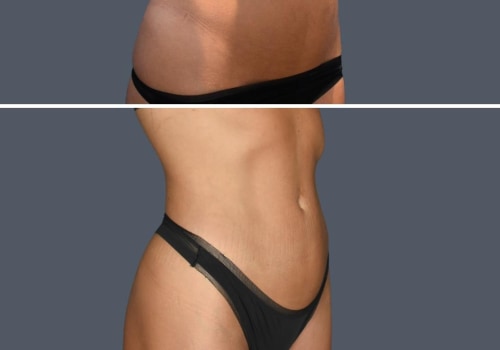
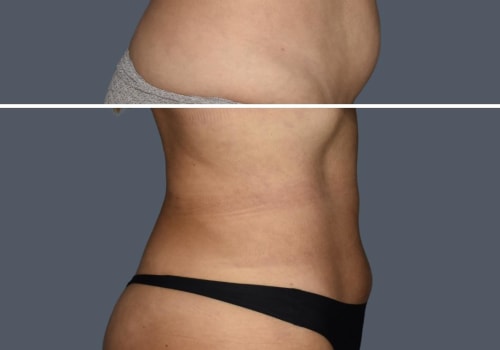
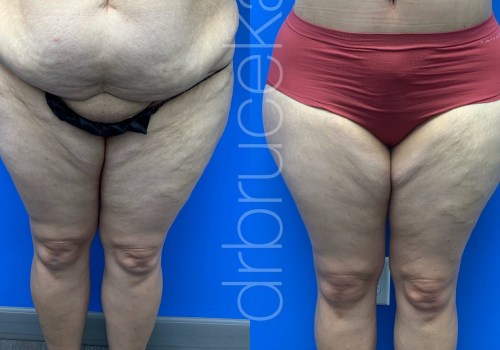
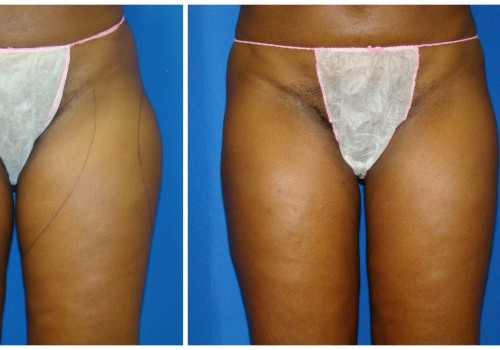
Liposuction is a popular cosmetic procedure designed to remove stubborn fat deposits from various areas of the body, including the abdomen, thighs, and arms. Many individuals turn to liposuction as a means to achieve their desired body shape, especially when diet and exercise have not yielded the results they hoped for. However, while the prospect of a flatter stomach is enticing, understanding the recovery process is crucial for setting realistic expectations.After undergoing liposuction, patients often wonder how long it will take for their stomach to appear flat and contoured. The timeline for recovery can vary significantly from person to person, influenced by factors such as the amount of fat removed, individual healing rates, and adherence to post-operative care instructions.
Initially, patients may experience swelling and bruising, which can obscure the final results. This natural response of the body to surgery can lead to feelings of impatience as one awaits their new silhouette.In this article, we will delve into the typical liposuction recovery timeline , highlighting what patients can expect in the days and weeks following their procedure. From managing discomfort to understanding when significant changes will become visible, we aim to provide comprehensive insights that will help you navigate your recovery journey with confidence. By being informed about the stages of healing and the factors that influence your results, you can better prepare yourself for the transformation ahead.
What is Liposuction?
Liposuction
is a popular cosmetic surgical procedure designed to remove excess fat from specific areas of the body, helping individuals achieve a more contoured and sculpted appearance.
This procedure is particularly sought after for areas that are resistant to diet and exercise, such as the abdomen, thighs, buttocks, arms, and neck.The liposuction procedure typically involves the use of a thin tube called a cannula, which is inserted through small incisions in the skin. The surgeon then uses this cannula to suction out unwanted fat deposits. The process can be performed under local or general anaesthesia, depending on the extent of the procedure and the patient's preference.
Types of Liposuction
- Tumescent Liposuction: This is the most common technique, where a solution containing saline, anaesthetic, and epinephrine is injected into the treatment area. This solution helps to numb the area and constrict blood vessels, reducing bleeding and swelling during the procedure.
- Ultrasound-Assisted Liposuction (UAL): In this method, ultrasound energy is used to liquefy fat cells before they are removed.
This technique can be particularly effective for fibrous areas of the body.
- Laser-Assisted Liposuction (LAL): Similar to UAL, this technique uses laser energy to melt fat before suctioning it out. It also promotes skin tightening due to the heat generated by the laser.
- Suction-Assisted Liposuction (SAL): This traditional method relies solely on suction to remove fat without any additional techniques or energy sources.
Immediate Post-Operative Phase: What to Expect
Undergoing liposuction is a significant step towards achieving your desired body shape, but the immediate post-operative phase can be daunting for many patients.Understanding what to expect during this time is crucial for a smooth recovery.Immediately after the procedure, it is common to experience some level of discomfort. This discomfort can range from mild to moderate and is typically manageable with prescribed pain relief medications. Your surgeon will provide specific instructions on how to take these medications effectively, ensuring that you remain as comfortable as possible during the initial recovery period.
Swelling
is one of the most noticeable effects following liposuction. It is a natural response of the body to surgical trauma and can significantly affect the appearance of your abdomen in the days following the procedure.
Initially, your stomach may appear bloated or puffy, which can be disheartening for some patients who are eager to see their new contours. However, it’s important to remember that this swelling is temporary and will gradually subside.Typically, swelling begins to decrease within the first week post-surgery. During this time, wearing a compression garmentcompression garment as advised by your surgeon is essential. This garment helps to reduce swelling and supports your body as it begins to heal.
You should wear this garment consistently for at least four weeks or as directed by your healthcare provider.In addition to swelling, you may also notice some bruising around the treated areas. Bruising is another common side effect of liposuction and usually resolves within a few weeks. To aid in recovery, it’s advisable to follow these post-operative care tips:
- Stay Hydrated: Drink plenty of water to help flush out toxins and reduce swelling.
- Rest: Allow your body ample time to heal by getting plenty of rest during the first few days.
- Avoid Strenuous Activities: Refrain from heavy lifting or vigorous exercise until cleared by your surgeon.
- Follow-Up Appointments: Attend all scheduled follow-up visits with your surgeon to monitor your recovery progress.
As your body heals over the coming weeks, you will begin to see the beautiful results of your liposuction procedure emerge.
Understanding Swelling and Bruising After Liposuction
After undergoing liposuction, it is common for patients to experience swelling and bruising in the treated areas. Understanding the reasons behind these symptoms can help manage expectations and promote a smoother recovery.Swelling occurs as a natural response to the surgical trauma inflicted during the procedure. When fat is removed from the body, the surrounding tissues can become inflamed, leading to an accumulation of fluid in the area. This is part of the body’s healing process, as it works to repair itself and adapt to the new contours.Timeline for Swelling
- First Week: In the initial days following liposuction, swelling is typically at its peak.
Patients may notice significant puffiness and discomfort in the treated areas.
- Second Week: By the end of the second week, most patients will begin to see a reduction in swelling. The use of compression garments during this period is crucial, as they help to minimise fluid retention and support the healing process.
- Three to Six Weeks: Swelling should continue to decrease significantly during this time frame. While some residual swelling may persist, it generally becomes less noticeable. Patients often start to see more defined results around three weeks post-surgery.
- Beyond Six Weeks: For some individuals, minor swelling can last up to three months or longer, particularly if larger volumes of fat were removed.
It’s essential to remain patient as your body continues to heal.
Bruising After Liposuction
Bruising is another common side effect following liposuction. This occurs due to small blood vessels being damaged during the procedure, leading to blood pooling under the skin. Like swelling, bruising is a normal part of recovery and typically resolves on its own.The timeline for bruising can vary from person to person but generally follows a similar pattern:
- First Week: Bruising may be most pronounced within the first week after surgery.
- Two Weeks: By this time, bruises usually start changing colour and fading.
- Three to Four Weeks: Most bruising should have significantly diminished by this point, with many patients seeing a return to normal skin tone.
Timeline for Seeing Results: When Will Your Stomach Be Flat?
Understanding the timeline for seeing results after liposuction is crucial for managing expectations and ensuring a smooth recovery.While many patients are eager to see a flat stomach immediately after the procedure, it’s important to recognise that the body requires time to heal and adjust to its new contours.Immediately following liposuction, you may notice that your abdomen appears swollen and somewhat bloated. This is a normal reaction as your body begins the healing process. The initial swelling can be quite pronounced, and it may take several days before you start to see any changes in your appearance.
First Week Post-Procedure
During the first week, most patients experience significant swelling and bruising. It’s common to feel discomfort, but this can usually be managed with prescribed pain relief.Wearing a compression garment as advised by your surgeon is essential during this period, as it helps reduce swelling and supports the healing tissues.
Two Weeks After Liposuction
By the end of the second week, you should notice a marked reduction in swelling. Many patients begin to see their stomach taking on a more defined shape at this stage. However, it’s important to remember that some firmness may still be present due to residual swelling and healing tissues.Three to Four Weeks Post-Procedure
At three weeks, most of the swelling should have subsided significantly, allowing for clearer visibility of your results. Patients often report feeling more comfortable and may even return to light activities or work.By four weeks, you might start to see a flatter stomach, although final results are still developing.
One to Three Months After Surgery
The full results of your liposuction can typically be appreciated between one to three months post-surgery. During this time, any remaining swelling will continue to diminish, revealing a smoother and flatter abdomen. It’s essential to maintain a healthy lifestyle during this period, as proper nutrition and hydration can aid in recovery and enhance your results.In summary, while you may begin to see improvements within weeks of your procedure, achieving a completely flat stomach after liposuction is a gradual process that can take several months. Patience is key as your body heals and adjusts to its new shape.Factors Influencing Recovery Time
Recovery after liposuction is a highly individual experience, influenced by a variety of factors that can significantly affect how quickly a patient sees results.Understanding these factors is crucial for setting realistic expectations and ensuring a smooth recovery process.
1.Skin Elasticity
One of the primary factors influencing recovery time is the elasticity of the skinelasticity of the skin. Skin elasticity refers to the skin's ability to stretch and then return to its original shape. Patients with higher skin elasticity may notice that their skin conforms more readily to the new contours of their body after fat removal, leading to a flatter appearance sooner. Conversely, those with lower elasticity may experience prolonged swelling and a longer adjustment period as their skin adapts to the changes.
2.Amount of Fat Removed
The volume of fat removed during the procedure also plays a significant role in recovery time.
Generally, the more fat that is extracted, the longer it may take for the body to heal and for swelling to subside. Patients who undergo larger volume liposuction may find that their recovery is more extensive, requiring additional time before they can fully appreciate their results.
3.Individual Recovery Times
Each patient's body responds differently to surgical procedures, which means that individual recovery times can vary widely. Factors such as age, overall health, and pre-existing medical conditions can all impact how quickly one heals. Younger patients or those in good health may recover more swiftly than older individuals or those with underlying health issues.
4.Post-Operative Care
Adhering to post-operative care instructions provided by your surgeon is essential for optimal recovery.
This includes wearing compression garments as directed, managing pain effectively, and following guidelines for physical activity. Proper care can help reduce swelling and promote healing, allowing patients to see results more quickly.
5.Lifestyle Factors
- Nutrition: A balanced diet rich in vitamins and minerals can support healing.
- Hydration: Staying well-hydrated helps reduce swelling and aids in recovery.
- Activity Level: Engaging in light activity as recommended can enhance circulation and promote healing.
Post-Operative Care Tips for Faster Recovery
Recovering from liposuction is a crucial phase that can significantly influence the final results of your procedure. Proper post-operative care not only aids in healing but also enhances the aesthetic outcomes you desire.Here are some essential tips to help you navigate your recovery journey effectively.
- Follow Your Surgeon’s Instructions: Adhering to the specific guidelines provided by your surgeon is paramount. These instructions are tailored to your individual needs and will cover everything from medication to activity restrictions.
- Wear Compression Garments: Post-operative compression garments are designed to support your body as it heals. They help reduce swelling and promote skin retraction, which is vital for achieving a flat stomach. Ensure you wear them as directed, typically for several weeks following the procedure.
- Stay Hydrated: Drinking plenty of water is essential for flushing out toxins and reducing swelling.
Aim for at least 2 litres of water daily, unless otherwise advised by your healthcare provider.
- Manage Swelling: To minimise swelling, consider using cold compresses on the treated areas during the first few days post-surgery. This can help alleviate discomfort and reduce inflammation.
- Rest and Recovery: Allow your body ample time to heal. Avoid strenuous activities and heavy lifting for at least two weeks post-surgery. Listen to your body; if you feel fatigued, take a break.
- Gradual Return to Activity: While rest is important, gentle movement can aid circulation and promote healing.
Start with short walks around your home as soon as you feel comfortable, gradually increasing your activity level as advised by your surgeon.
- Monitor Your Symptoms: Keep an eye on any unusual symptoms such as excessive swelling, redness, or discharge from the incision sites. If you notice anything concerning, contact your surgeon immediately.
- Nutrition Matters: A balanced diet rich in vitamins and minerals can support healing. Focus on consuming lean proteins, fruits, vegetables, and whole grains while avoiding processed foods and sugars that can lead to inflammation.
Common Concerns and FAQs About Liposuction Recovery
After undergoing liposuction, many patients have a range of questions and concerns regarding their recovery process.Understanding what to expect can significantly ease anxiety and help you prepare for the changes ahead. Here are some common queries:
How long does swelling last after liposuction?
Swelling is a natural part of the healing process following liposuction. Typically, patients can expect swelling to begin subsiding within the first week. However, complete resolution of swelling may take up to six weeks or longer in some cases.It’s essential to wear the prescribed compression garment during this time, as it helps reduce swelling and supports your new contours.
When will I see the final results?
While initial changes may be visible shortly after the procedure, the final results of liposuction usually become apparent between one to three months post-surgery. This timeframe allows for swelling to diminish and for your skin to adjust to its new shape. Patience is key, as your body needs time to heal and adapt.What are the common side effects?
Post-operative side effects can include:- Bruising: This is common and should fade within a few weeks.
- Pain or discomfort: Mild pain can be managed with prescribed medications.
- Numbness: Some patients experience temporary numbness in the treated areas, which typically resolves over time.
- Bumps or irregularities: These may occur as your body heals but usually smooth out as swelling decreases.
Can I return to normal activities right away?
Most patients can resume light activities within a few days, but it’s crucial to avoid strenuous exercise or heavy lifting for at least two weeks. Always follow your surgeon's specific recommendations regarding activity levels during recovery.What if I have concerns about my results?
If you notice anything unusual or have concerns about your recovery, don’t hesitate to contact your surgeon.They can provide guidance and reassurance, ensuring that your healing process stays on track.By addressing these common concerns and questions, you can feel more confident as you navigate your recovery journey after liposuction.
When to Consult Your Surgeon: Signs of Complications
After undergoing liposuction, it is essential to monitor your recovery closely. While some discomfort and swelling are normal, certain signs may indicate complications that require immediate medical attention. Recognising these symptoms early can help ensure a smoother recovery and prevent further issues.Signs of Complications
- Excessive Swelling: While some swelling is expected, if you notice significant swelling that does not subside after a few days or worsens over time, it could be a sign of fluid accumulation or seroma.
- Severe Pain: Mild discomfort is typical post-surgery, but if you experience severe pain that is not alleviated by prescribed medications, it may indicate an underlying issue such as infection or hematoma.
- Fever: A low-grade fever can be common after surgery, but a high fever (over 38°C) may suggest an infection. If accompanied by other symptoms like chills or increased redness around the incision sites, seek medical advice promptly.
- Unusual Discharge: Any discharge from the incision sites that is foul-smelling or has an unusual colour could indicate an infection.
It’s crucial to contact your surgeon if you notice this symptom.
- Skin Changes: Pay attention to any changes in skin colour around the treated area. If the skin appears unusually red, warm to the touch, or develops blisters, these could be signs of complications.
- Numbness or Tingling: While some numbness can occur after liposuction, persistent numbness or tingling sensations may indicate nerve damage or other complications that should be evaluated by your surgeon.
When to See Your Doctor
If you experience any of the above symptoms, it is crucial to consult your surgeon as soon as possible. They can assess your condition and determine whether further treatment is necessary. Additionally, if you have any concerns about your recovery process or if something feels off, do not hesitate to reach out for professional advice.Your safety and well-being should always come first.
Establishing open communication with your healthcare provider will help build trust and ensure that you receive the best care possible during your recovery journey.
Conclusion: Embracing Your New Body After Liposuction
As you conclude your journey through the liposuction process, it is essential to reflect on the significant changes that have taken place, both physically and emotionally. Understanding the recovery timeline and what to expect can greatly enhance your experience and help you embrace your new body with confidence.Throughout this article, we have explored various aspects of liposuction, including the recovery period, the importance of following post-operative care instructions, and the natural progression of swelling and healing. It is crucial to remember that while immediate results may not be visible, patience is key. The body requires time to adjust to its new contours, and this adjustment period can vary from person to person.Here are some key takeaways to keep in mind:- Recovery Time: Full results from liposuction typically become apparent within one to three months post-surgery.
During this time, your body will undergo various changes as swelling subsides and skin elasticity improves.
- Post-Operative Care: Adhering to your surgeon's guidelines regarding compression garments and activity levels is vital for optimal healing. These measures help reduce swelling and promote a smoother recovery.
- Emotional Well-Being: The journey does not end with physical changes. Embracing your new body can also involve emotional adjustments. It’s normal to experience a range of feelings as you adapt to your new appearance.
- Long-Term Maintenance: To maintain your results, consider adopting a healthy lifestyle that includes balanced nutrition and regular exercise.
This will not only help preserve your new shape but also enhance your overall well-being.