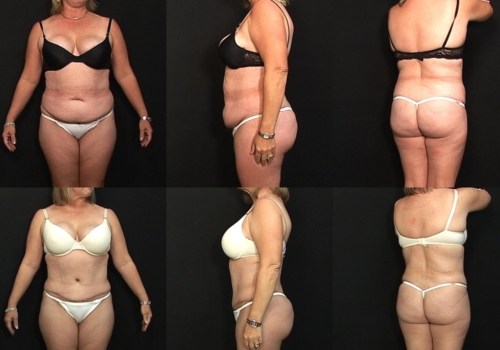
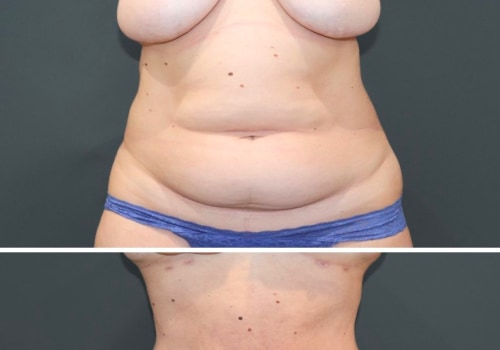
Liposuction is often shrouded in misconceptions, leading many to believe it is a miracle solution for weight loss. In reality, liposuction is a surgical procedure designed primarily for body contouring , targeting specific areas of stubborn fat that resist diet and exercise. This means that while liposuction can effectively reshape your body, it is not intended as a method for significant weight reduction. Understanding this distinction is crucial for anyone considering the procedure.Many individuals approach liposuction with the hope of shedding large amounts of weight, but this expectation can lead to disappointment.
The truth is that liposuction typically removes only a modest amount of fat—generally between three to eleven pounds, depending on individual circumstances and the areas being treated. This modest fat removal can result in a more sculpted appearance, enhancing your natural body shape rather than drastically altering your overall weight.Furthermore, it’s essential to recognise that liposuction is not a substitute for a healthy lifestyle. While it can help eliminate stubborn fat deposits, maintaining a balanced diet and regular exercise regimen is vital for long-term results. Liposuction should be viewed as a complement to a healthy lifestyle rather than a replacement for it.
By clarifying these common misconceptions, we can better appreciate the true purpose of liposuction as a tool for achieving desired body contours and boosting self-confidence.
How Liposuction Works: The Procedure Explained
Liposuction is a popular cosmetic procedure designed to remove stubborn fat deposits from various areas of the body. Understanding how the liposuction procedure works is essential for anyone considering this treatment. The process typically begins with a consultation, where the surgeon evaluates the patient’s health, discusses their goals, and determines the most suitable technique for fat removal.During the procedure, patients are usually placed under local or general anaesthesia, depending on the extent of the treatment and the areas being targeted. The surgeon then makes small incisions in the skin, strategically located to minimise visible scarring.Through these incisions, a thin tube called a cannula is inserted into the fatty tissue.There are several techniques used in liposuction:
- Tumescent Liposuction: This is the most common method, where a solution containing saline, anaesthetic, and epinephrine is injected into the treatment area. This solution helps to numb the area and constrict blood vessels, reducing bleeding and swelling.
- Ultrasound-Assisted Liposuction (UAL): This technique uses ultrasound energy to liquefy fat cells before they are suctioned out. It is particularly effective for areas with denser fat.
- Laser-Assisted Liposuction (LAL): Similar to UAL, this method employs laser energy to melt fat cells, making them easier to remove while also promoting skin tightening.
- Abdomen
- Thighs
- Hips
- Arms
- Back
- Chin and neck
Recovery times vary but generally involve wearing a compression garment to help reduce swelling and support healing. Most individuals can return to their normal activities within a few days, although strenuous exercise should be avoided for several weeks.In summary, understanding how liposuction works helps set realistic expectations for potential patients. By knowing what to expect during the procedure and recovery process, individuals can make informed decisions about their body contouring goals.
Realistic Weight Loss Expectations: How Much Fat Can You Lose?
When considering liposuction, one of the most pressing questions that potential patients have is, "How much fat can I realistically lose?" Understanding the limits and expectations surrounding this procedure is crucial for anyone contemplating it.On average, patients can expect to lose between three to eleven pounds of fat through liposuction. However, this figure can vary significantly based on several individual factors, including:- Body Composition: Each person's body is unique, and the distribution of fat can affect how much can be removed.
Those with more concentrated areas of stubborn fat may see different results compared to those with a more even distribution.
- Target Areas: The specific areas targeted during the procedure also play a role. Common areas for fat removal include the abdomen, thighs, hips, and arms. Each area has its own characteristics and may yield different amounts of fat removal.
- Surgeon's Technique: The skill and experience of the surgeon performing the liposuction can influence outcomes. A qualified, board-certified plastic surgeon will have a better understanding of how to achieve optimal results while adhering to safety guidelines. The skill and experience of the surgeon performing the liposuction can influence outcomes. A qualified, board-certified plastic surgeon will have a better understanding of how to achieve optimal results while adhering to safety guidelines.
- Health Factors: Overall health and lifestyle choices prior to surgery can impact recovery and results.
Patients who maintain a healthy diet and exercise regimen may experience better outcomes.
This is because clothing size is influenced by various factors beyond just fat volume, including muscle mass and bone structure. Some individuals may notice a drop in clothing size after undergoing liposuction, while others may not see as dramatic a change.Ultimately, when setting expectations for liposuction, it’s vital to focus on the transformation of body shape rather than solely on weight loss. The primary goal should be to enhance body contours and boost self-confidence rather than achieving a specific number on the scale. Consulting with a qualified plastic surgeon will provide tailored insights into what you can realistically expect from your liposuction journey.
Factors Influencing Liposuction Results
When considering liposuction, it is essential to understand that various factors can significantly influence the results of the procedure.These factors can affect not only the amount of fat removed but also the overall aesthetic outcome and patient satisfaction. Here are some key elements to consider:
- Body Composition: The distribution of fat in your body plays a crucial role in determining how effective liposuction will be. Individuals with a higher percentage of body fat may experience different results compared to those with a lower percentage. Additionally, the location of stubborn fat deposits can impact the final contour achieved after surgery.
- Age: Age can influence skin elasticity and the body's ability to recover post-surgery.
Younger patients often have more elastic skin, which can adapt better to changes in body shape after fat removal. In contrast, older patients may find that their skin does not retract as effectively, potentially leading to sagging or less desirable results.
- Skin Elasticity: The condition of your skin is another critical factor. Patients with good skin elasticity are likely to see better outcomes, as their skin can conform more readily to the new body contours. Factors such as sun exposure, smoking, and overall skincare routines can affect skin elasticity.
- Lifestyle Choices: A patient’s lifestyle before and after liposuction can greatly impact results.
Maintaining a balanced diet and regular exercise regimen is vital for sustaining the results achieved through liposuction. Those who lead a sedentary lifestyle or do not follow healthy eating habits may find that fat returns to areas previously treated.
- Genetics: Genetic predisposition can also play a role in how your body stores fat and responds to liposuction. Some individuals may be genetically inclined to store fat in specific areas, which could affect the effectiveness of the procedure.
Liposuction vs.
Traditional Weight Loss Methods: Key DifferencesWhen considering options for achieving a slimmer physique, many individuals find themselves weighing the benefits of liposuction against traditional weight loss methods such as diet and exercise. While both approaches aim to improve body shape and enhance self-esteem, they differ significantly in their methodologies, outcomes, and suitability for various individuals.
Understanding the Core Differences
Liposuction is primarily a body contouring procedure designed to remove stubborn fat deposits that resist diet and exercise. In contrast, traditional weight loss methods focus on overall fat reduction through lifestyle changes. Here are some key differences:
- Target Areas: Liposuction specifically targets localized fat pockets, such as those found in the abdomen, thighs, and arms.
Traditional weight loss methods aim to reduce fat throughout the entire body.
- Speed of Results: Liposuction can provide immediate results post-surgery, with noticeable changes in body shape occurring within weeks. In contrast, diet and exercise require time and consistency to yield visible results.
- Maintenance: While liposuction can remove fat cells permanently from treated areas, it does not prevent new fat from accumulating if a healthy lifestyle is not maintained. Traditional weight loss methods necessitate ongoing commitment to diet and exercise to sustain results.
- Health Benefits: Diet and exercise contribute to overall health improvements, including cardiovascular fitness and metabolic function. Liposuction does not offer these health benefits; its primary focus is aesthetic enhancement.
The Role of Lifestyle Choices
It is crucial to understand that liposuction should not be viewed as a substitute for healthy lifestyle choices.
While it can effectively sculpt the body by removing unwanted fat, it does not address the underlying habits that contribute to weight gain. A balanced diet and regular physical activity are essential for maintaining a healthy weight and preventing future fat accumulation.Moreover, individuals who undergo liposuction are often encouraged to adopt healthier habits post-procedure. This combination of surgical intervention followed by lifestyle changes can lead to more satisfying long-term results.
Conclusion
In summary, while both liposuction and traditional weight loss methods have their merits, they serve different purposes. Liposuction is an effective solution for those looking to refine their body shape by targeting specific areas of fat, whereas diet and exercise are fundamental for overall health and sustainable weight management.
Ultimately, the best approach may involve a combination of both strategies tailored to individual needs and goals.
Post-Procedure Expectations: Recovery and Results
After undergoing liposuction, patients often have a myriad of questions regarding their recovery and the results they can expect. Understanding the recovery process is crucial for setting realistic expectations and ensuring optimal outcomes.Recovery Time
The recovery time following liposuction can vary significantly based on several factors, including the extent of the procedure, the areas treated, and individual healing rates. Generally, most patients can expect to return to their normal activities within a week, although complete recovery may take several weeks. Here’s a breakdown of what to anticipate:
- First Few Days: Patients may experience swelling, bruising, and discomfort in the treated areas.
Pain management is typically achieved through prescribed medications.
- One Week Post-Procedure: Many individuals feel well enough to resume light activities and return to work, especially if their jobs are not physically demanding.
- Two to Four Weeks: Most swelling will begin to subside, and patients can gradually increase their activity levels. However, strenuous exercise should be avoided until cleared by the surgeon.
- Full Recovery: It may take up to six months for the final results to become apparent as swelling continues to diminish and the body adjusts to its new contours.
Post-Operative Care
Expected Results
Initial changes may be noticeable soon after surgery; however, final results will emerge over time as swelling subsides. Patients often report improved body contours and enhanced confidence levels following their recovery period.In conclusion, understanding the recovery timeline and adhering to post-operative care instructions are vital components of achieving satisfactory results from liposuction. By being informed and prepared, patients can navigate their recovery journey with greater ease and anticipation of their new body shape.
Common Myths About Liposuction Debunked
When considering liposuction, many potential patients are often influenced by widespread myths and misconceptions. It’s crucial to separate fact from fiction to make informed decisions about this body contouring procedure.Below, we address some of the most common myths surrounding liposuction.
- Myth 1: Liposuction is a Weight Loss Solution
One of the biggest misconceptions is that liposuction is a method for significant weight loss. In reality, liposuction is designed to remove localized fat deposits that are resistant to diet and exercise. It is not intended for those who are significantly overweight or as a substitute for a healthy lifestyle. - Myth 2: Liposuction Results are Permanent
While liposuction can effectively remove fat cells from targeted areas, it does not prevent future weight gain. If a patient does not maintain a healthy lifestyle post-procedure, remaining fat cells can expand, leading to weight gain in other areas. - Myth 3: Anyone Can Get Liposuction
Not everyone is a suitable candidate for liposuction.Ideal candidates are typically within 30% of their ideal body weight and have firm skin with good elasticity. A thorough consultation with a qualified surgeon is essential to determine if liposuction is appropriate for you.
- Myth 4: Liposuction Can Eliminate Cellulite
Many believe that liposuction can effectively treat cellulite. However, cellulite is caused by structural changes in the skin and underlying fat, which liposuction does not address. Other treatments may be more effective for reducing the appearance of cellulite. - Myth 5: Liposuction is a Quick Fix
Some people view liposuction as a quick fix for body image issues.However, it requires careful consideration, preparation, and recovery time. Patients should approach it as part of a broader commitment to health and wellness.
Who is an Ideal Candidate for Liposuction?
Determining whether you are an ideal candidate for liposuction involves evaluating several key factors related to your health, body composition, and personal goals. Understanding these criteria can help you make an informed decision about whether this procedure aligns with your aspirations.1.Stable Weight
One of the primary considerations for candidacy is maintaining a stable weight.
Ideal candidates should be within 30% of their target weight and have not experienced significant fluctuations in weight over the past six months. This stability indicates that the individual is likely to maintain the results achieved through liposuction.
2.Good Overall Health
Potential candidates should be in good overall health, free from serious medical conditions that could complicate surgery or recovery. Conditions such as heart disease, diabetes, or clotting disorders may increase the risks associated with the procedure. A thorough medical evaluation by a qualified surgeon is essential to assess your health status.
3.Realistic Expectations
Having realistic expectations about the outcomes of liposuction is crucial.
Candidates should understand that while liposuction can effectively remove stubborn fat deposits, it is not a weight loss solution or a substitute for a healthy lifestyle. Those seeking to enhance their body contours rather than achieve drastic weight loss are more likely to be satisfied with their results.
4.Specific Areas of Concern
Ideal candidates often have specific areas of fat accumulation that are resistant to diet and exercise, such as:
- Abdomen
- Thighs
- Hips
- Arms
- Back
- Chin and neck
5.Age Considerations
While there is no strict age limit for liposuction, candidates should ideally be over 18 years old and in a stage of life where their skin has sufficient elasticity to recover well post-surgery. Younger individuals may have better skin elasticity, which can lead to more favourable results.
6.Commitment to a Healthy Lifestyle
Candidates should demonstrate a commitment to maintaining a healthy lifestyle post-procedure. This includes adhering to a balanced diet and engaging in regular physical activity to sustain the results achieved through liposuction.In summary, if you find yourself meeting these criteria—stable weight, good health, realistic expectations, specific areas of concern, appropriate age, and commitment to a healthy lifestyle—you may be an ideal candidate for liposuction.
Consulting with a board-certified plastic surgeon will provide further insights tailored to your individual circumstances and help you determine the best course of action for achieving your body goals.
Consultation with a Plastic Surgeon: What to Expect?
When considering liposuction, the first step is often a consultation with a qualified plastic surgeon. This meeting is crucial for understanding the procedure, setting realistic expectations, and determining if you are a suitable candidate. Here’s what you can expect during this important appointment.Understanding the Consultation Process
- Initial Assessment: The surgeon will begin by assessing your medical history, including any previous surgeries, health conditions, and medications you may be taking. This information helps them evaluate your overall health and suitability for the procedure.
- Discussion of Goals: You will have the opportunity to discuss your aesthetic goals.
Be clear about what areas you wish to target and what results you hope to achieve. This dialogue is essential for aligning your expectations with what is realistically possible through liposuction.
- Physical Examination: The surgeon will conduct a physical examination to evaluate the areas of fat accumulation. They may take photographs for your medical records and to help plan your treatment.
- Explanation of the Procedure: Expect a detailed explanation of how liposuction works, including the techniques that may be used, such as tumescent or ultrasound-assisted liposuction. The surgeon should also discuss potential risks and complications associated with the procedure.
- Recovery and Aftercare: The surgeon will outline what to expect during recovery, including downtime, pain management, and follow-up appointments.
Understanding the recovery process is vital for planning your post-operative care.
Questions to Ask Your Surgeon
Preparing a list of questions can help ensure that you leave the consultation feeling informed and confident in your decision. Here are some important questions to consider:
- What is your experience with liposuction procedures?
- Can I see before-and-after photos of previous patients?
- What technique do you recommend for my specific case, and why?
- What are the potential risks and complications I should be aware of?
- How many procedures do you perform annually?
- What type of anaesthesia will be used during my surgery?
- What are the costs involved, including any additional fees?
Preparing for Your Consultation
To make the most of your consultation, consider these preparation tips:
- Gather Medical Records: Bring any relevant medical records or information about previous surgeries or treatments.
- Create a List of Questions: Write down any questions or concerns you have ahead of time to ensure you cover everything during your appointment.
- Be Honest: Provide truthful information about your health history and lifestyle habits. This transparency will help the surgeon provide tailored advice.
- Dress Comfortably: Wear loose-fitting clothing that allows easy access to areas being evaluated.
Conclusion: The Key Takeaways About Liposuction and Weight Loss
In summary, understanding the true nature of liposuction is crucial for anyone considering this procedure.While it is often perceived as a quick fix for weight loss, the reality is that liposuction serves primarily as a method for body contouring rather than a weight reduction solution. Here are the key takeaways to keep in mind:
- Liposuction is not a weight loss procedure: It is designed to remove stubborn fat deposits that resist diet and exercise, helping to sculpt and refine your body shape.
- Realistic expectations are essential: Patients can typically expect to lose between three to eleven pounds of fat, which may translate to about two clothing sizes. However, individual results can vary significantly based on factors such as body composition and the areas targeted.
- Maximum fat removal limits: Medical guidelines restrict the amount of fat that can be safely removed during a single procedure, usually capping it at around 5000 ml or approximately 11 pounds. This limit is in place to ensure patient safety and optimal recovery.
- Clothing size changes are not guaranteed: While some individuals may notice a significant change in their clothing size post-procedure, others may not experience as dramatic a difference.
Factors such as bone structure and muscle mass play a significant role in overall body size.
- Focus on body contouring: The primary goal of liposuction is to enhance your body’s proportions and improve your overall silhouette. It should be viewed as a complement to a healthy lifestyle rather than a substitute for it.