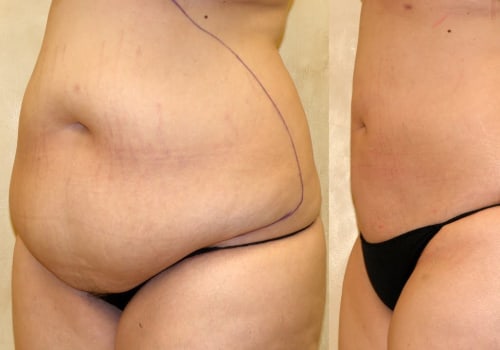
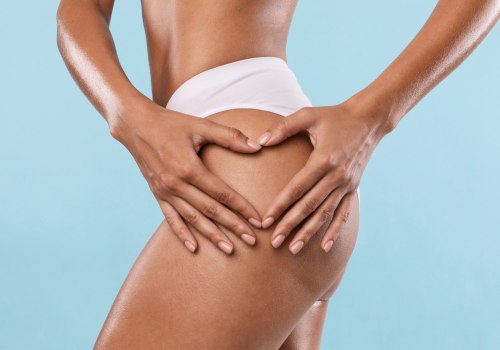
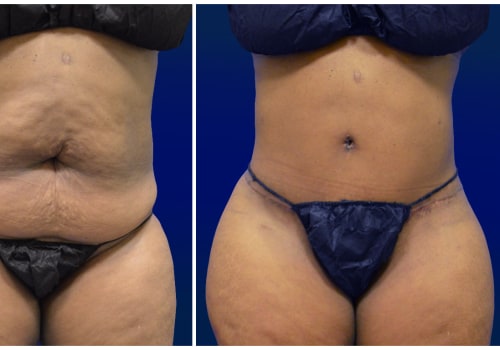
Liposuction is a popular cosmetic procedure that has gained significant attention in recent years, often touted as a solution for stubborn fat deposits that resist diet and exercise. However, it is essential to understand that liposuction is not a weight-loss method in the traditional sense; rather, it is a body contouring technique designed to enhance the shape and proportions of the body. By targeting specific areas where fat tends to accumulate, liposuction can help individuals achieve a more sculpted appearance, making it an appealing option for those looking to refine their physique.The liposuction procedure involves the removal of fat through a minimally invasive technique. During the surgery, a qualified plastic surgeon makes small incisions in the skin and inserts a thin tube called a cannula. involves the removal of fat through a minimally invasive technique. During the surgery, a qualified plastic surgeon makes small incisions in the skin and inserts a thin tube called a cannula.
This cannula is used to suction out excess fat from the targeted areas, such as the abdomen, thighs, hips, arms, or neck. The procedure typically lasts between one to several hours, depending on the extent of fat removal and the number of areas being treated. Patients are usually placed under local or general anaesthesia to ensure comfort throughout the process.One of the key distinctions between liposuction and traditional weight loss methods is that liposuction is not intended for individuals who are significantly overweight or obese. Instead, it is best suited for those who are already close to their ideal weight but struggle with localized fat deposits that do not respond to conventional weight loss strategies. This cannula is used to suction out excess fat from the targeted areas, such as the abdomen, thighs, hips, arms, or neck. The procedure typically lasts between one to several hours, depending on the extent of fat removal and the number of areas being treated. Patients are usually placed under local or general anaesthesia to ensure comfort throughout the process.One of the key distinctions between liposuction and traditional weight loss methods is that liposuction is not intended for individuals who are significantly overweight or obese. Instead, it is best suited for those who are already close to their ideal weight but struggle with localized fat deposits that do not respond to conventional weight loss strategies.
This makes liposuction an effective option for individuals looking to enhance their body contours rather than simply reduce their overall weight.In summary, understanding what liposuction is and how it works is crucial for anyone considering this procedure. It offers a unique approach to body shaping that complements a healthy lifestyle rather than replacing it. By recognising its purpose and limitations, potential candidates can make informed decisions about whether liposuction aligns with their personal goals and expectations.
The Common Misconceptions About Liposuction
When considering liposuction, many individuals are often misled by common myths that can distort their understanding of the procedure. Addressing these misconceptions is crucial for anyone contemplating this body contouring option, as it helps set realistic expectations and promotes informed decision-making.One of the most prevalent myths is that liposuction serves as a primary method for weight loss.In reality, liposuction is not designed to be a weight-loss solution. Instead, it is a cosmetic procedure aimed at removing localized fat deposits that are resistant to diet and exercise. While some patients may experience a slight reduction in weight post-procedure, the primary goal is to enhance body shape and contour rather than to achieve significant weight loss.Another misconception is that liposuction can replace a healthy lifestyle. Many people mistakenly believe that after undergoing the procedure, they can return to unhealthy eating habits and sedentary lifestyles without consequences.
However, maintaining a balanced diet and regular exercise is essential for sustaining the results of liposuction. The procedure does not prevent future weight gain; it merely removes existing fat cells from specific areas.Additionally, some individuals think that liposuction can eliminate cellulite or stretch marks. Unfortunately, this is not the case. Liposuction targets fat deposits but does not address skin texture issues such as cellulite or the appearance of stretch marks.
For those concerned about these conditions, other treatments may be more appropriate.Furthermore, there is a belief that liposuction can be performed on anyone, regardless of their health status or body type. In truth, ideal candidates for liposuction are typically those who are within 30% of their ideal body weight and have good skin elasticity. Individuals who are significantly overweight or obese may not be suitable candidates due to increased risks associated with the procedure.In summary, understanding the realities of liposuction is vital for potential patients. By dispelling these common myths, individuals can approach the procedure with a clearer perspective and better prepare themselves for what to expect in terms of results and recovery.
Who Are the Ideal Candidates for Liposuction?
When considering liposuction, it is crucial to identify who the ideal candidates are for this procedure.Understanding the characteristics of suitable candidates can help individuals assess their own eligibility and expectations regarding the outcomes of liposuction.
Body Mass Index (BMI)
is a significant factor in determining candidacy for liposuction. Generally, candidates should have a BMI within the range of 18.5 to 30. This range indicates that individuals are either at a healthy weight or slightly overweight, making them more likely to achieve satisfactory results. Those with a BMI above 30 may be considered obese and are typically not ideal candidates, as liposuction is not designed as a weight-loss solution but rather as a body contouring procedure.In addition to BMI, other health factors play a vital role in determining eligibility:
- Overall Health: Candidates should be in good general health, without any underlying medical conditions that could complicate surgery or recovery.
Conditions such as heart disease, diabetes, or blood clotting disorders may disqualify an individual from undergoing liposuction.
- Skin Elasticity: Good skin elasticity is essential for optimal results. Candidates with firm, elastic skin are more likely to experience smooth and contoured outcomes post-surgery. Conversely, those with loose or sagging skin may not achieve the desired results.
- Realistic Expectations: Ideal candidates should have realistic expectations about what liposuction can achieve. Understanding that this procedure is not a substitute for weight loss but rather a method to sculpt and refine specific areas of the body is crucial.
- Stable Weight: Candidates should ideally be at or near their target weight for at least six months prior to the procedure.
This stability indicates that they are committed to maintaining their weight and lifestyle changes post-surgery.
What Results Can You Expect from Liposuction?
When considering liposuction, it is crucial to have a clear understanding of the results you can realistically expect. While many individuals seek this procedure with the hope of significant weight loss, it is essential to recognise that liposuction primarily focuses on body contouring rather than serving as a weight-loss solution.Typically, liposuction can remove between 1 to 5 litres of fat, which translates to approximately 2 to 11 pounds.However, the actual amount of fat removed varies based on several factors, including the treatment area and the individual’s body composition. For instance, patients may notice a reduction of 1 to 3 inches in specific areas, leading to a more sculpted appearance.
Expected Outcomes:
- Body Contouring: The primary goal of liposuction is to enhance body shape by targeting localized fat deposits. This means that while you may not see a dramatic change on the scale, your silhouette can become significantly more defined.
- Fat Removal: Depending on your body type and the areas treated, some patients can expect to lose around 2 to 5 pounds post-procedure. However, those who are closer to their ideal weight may only see a minor reduction in weight.
- Long-Term Results: One of the benefits of liposuction is that it can lead to long-lasting changes in body shape.
Once fat cells are removed from specific areas, they do not return; however, maintaining a healthy lifestyle is crucial to prevent new fat deposits from forming in untreated areas.
Liposuction vs Traditional Weight Loss Methods
When considering body transformation, many individuals often find themselves weighing the options between traditional weight loss methods, such as diet and exercise, and more advanced procedures like liposuction.Each approach has its own merits and drawbacks, making it essential to understand how they compare in terms of effectiveness, time commitment, and overall results.
Traditional Weight Loss Methods
- Diet: A balanced diet is fundamental for weight loss. By creating a calorie deficit—consuming fewer calories than the body expends—individuals can lose weight over time. However, this process can be slow and requires significant lifestyle changes, including meal planning and portion control.
- Exercise: Regular physical activity complements dietary changes by increasing calorie expenditure. Exercise not only aids in weight loss but also improves overall health, boosts metabolism, and enhances mood.
However, achieving substantial weight loss through exercise alone can be challenging for many.
Liposuction: A Different Approach
Liposuction offers a more immediate solution for those struggling with stubborn fat deposits that resist diet and exercise. This surgical procedure directly removes fat from specific areas of the body, allowing for significant contouring without the lengthy process associated with traditional weight loss methods.
Benefits of Liposuction Over Dieting:
- Immediate Results: Unlike traditional methods that may take weeks or months to show results, liposuction provides instant changes in body shape post-surgery.
- Targeted Fat Removal: Liposuction allows for precise targeting of problem areas, such as the abdomen, thighs, or arms, which may not respond well to diet and exercise alone.
- Boosted Confidence: Many patients report a significant boost in self-esteem following liposuction due to their enhanced appearance.
Understanding the differences between these approaches can help individuals make informed decisions about their weight loss journey.
The Importance of Maintaining a Healthy Lifestyle Post-Liposuction
Undergoing liposuction can be a transformative experience, offering patients the opportunity to achieve their desired body shape. However, the journey does not end with the procedure itself. To ensure long-lasting results and maintain the benefits of liposuction, it is crucial to adopt a healthy lifestyle post-surgery.One of the primary reasons for this emphasis on lifestyle changes is that liposuction is not a weight-loss solution but rather a body contouring procedure. While it effectively removes localized fat deposits, it does not prevent future weight gain.Therefore, maintaining a healthy lifestyle is essential for preserving the results achieved through liposuction.
Post-Liposuction Care
After your liposuction procedure, your body will require time to heal. Following your surgeon's post-operative care instructions is vital for a smooth recovery. This may include:- Wearing compression garments: These help reduce swelling and support your new body contours.
- Staying hydrated: Proper hydration aids in recovery and helps maintain skin elasticity.
- Avoiding strenuous activities: Refrain from heavy exercise or lifting until cleared by your surgeon to prevent complications.
Maintaining Results After Liposuction
To keep the results of your liposuction intact, consider implementing the following lifestyle changes:- Balanced Diet: Focus on consuming a diet rich in fruits, vegetables, lean proteins, and whole grains. Avoid processed foods high in sugar and unhealthy fats.
- Regular Exercise: Incorporate both cardiovascular and strength-training exercises into your routine.
Aim for at least 150 minutes of moderate aerobic activity each week.
- Mindful Eating: Pay attention to portion sizes and eat slowly to recognise when you are full, helping to prevent overeating.
Potential Risks and Complications of Liposuction
While liposuction can be an effective method for body contouring, it is essential to understand that, like any surgical procedure, it carries certain risks and potential complications. Being informed about these risks is crucial for making a well-rounded decision regarding the procedure.Common Risks Associated with Liposuction
- Infection: As with any surgery, there is a risk of infection at the incision sites.
Proper aftercare and adherence to your surgeon's instructions can help mitigate this risk.
- Bleeding: Some bleeding is expected post-surgery; however, excessive bleeding can lead to complications and may require further medical intervention.
- Fluid Accumulation: Seromas, or pockets of fluid, can form under the skin after liposuction. These may need to be drained if they become problematic.
- Nerve Damage: Although rare, nerve damage can occur during the procedure, potentially leading to numbness or changes in sensation in the treated areas.
- Scarring: While surgeons aim to make incisions in less visible areas, scarring is still a possibility. The extent of scarring can vary based on individual healing processes.
Serious Complications
- Deep Vein Thrombosis (DVT): This condition occurs when blood clots form in deep veins, often in the legs. DVT can be life-threatening if a clot travels to the lungs (pulmonary embolism).
- Fat Embolism: In rare cases, fat can enter the bloodstream and travel to the lungs or brain, leading to serious complications.
- Anesthesia Risks: General anesthesia carries its own set of risks, including allergic reactions and respiratory complications.
Safety Considerations
The safety of liposuction largely depends on several factors, including the surgeon's experience, the patient's overall health, and adherence to pre-operative and post-operative guidelines.
It is vital to choose a board-certified plastic surgeon who has extensive experience with liposuction procedures. During your consultation, discuss any pre-existing health conditions and medications you are taking to ensure that you are a suitable candidate for the procedure.In conclusion, while liposuction can provide significant aesthetic benefits, it is not without its risks. Understanding these potential complications allows patients to make informed decisions and prepare adequately for their journey towards body contouring.
Frequently Asked Questions About Liposuction
When considering liposuction, potential patients often have numerous questions and concerns. Addressing these frequently asked questions can help demystify the procedure and provide clarity on what to expect.What is liposuction?
Liposuction is a cosmetic surgical procedure designed to remove excess fat deposits from specific areas of the body.It aims to enhance body contours and improve overall shape rather than serve as a weight-loss solution.
Who are the ideal candidates for liposuction?
The best candidates for liposuction are individuals who are close to their ideal body weight but struggle with localized fat deposits that do not respond to diet and exercise. Generally, candidates should be in good health, have realistic expectations, and be committed to maintaining a healthy lifestyle post-procedure.How much fat can be removed during liposuction?
During a single liposuction session, surgeons can safely remove up to 5 litres (approximately 11 pounds) of fat. However, the amount removed varies based on individual circumstances, including the treatment area and the patient's overall health.What are the risks associated with liposuction?
As with any surgical procedure, liposuction carries certain risks. These may include:- Infection: Though rare, infections can occur at the incision sites.
- Scarring: Some patients may experience noticeable scars post-surgery.
- Fluid accumulation: This can lead to swelling and discomfort.
- Uneven results: In some cases, patients may notice irregularities in body contour.
How long is the recovery period?
The recovery time after liposuction varies by individual and the extent of the procedure.Most patients can return to light activities within a few days but should avoid strenuous exercise for several weeks. Full recovery may take several months as swelling subsides and final results become apparent.
Will I gain weight in treated areas after liposuction?
Liposuction permanently removes fat cells from treated areas, making it less likely for fat to accumulate there again. However, if a patient does not maintain a healthy lifestyle, weight gain can occur in other areas of the body.If you have more questions or concerns about liposuction, it’s essential to consult with a qualified plastic surgeon who can provide personalised advice based on your unique situation.Conclusion: Making an Informed Decision About Liposuction
In conclusion, understanding the realities of liposuction is crucial for anyone considering this procedure as part of their body contouring journey. While it can effectively remove localized fat deposits and enhance body shape, it is not a solution for significant weight loss or a substitute for a healthy lifestyle.Throughout this article, we have explored the primary purpose of liposuction, which is to sculpt and contour the body rather than serve as a weight-loss method.It is essential to have realistic expectations regarding the amount of fat that can be removed and the overall results you can achieve. Most patients can expect to lose between two to five pounds, with some individuals seeing a reduction of up to 30 pounds when combined with a healthy lifestyle.Moreover, it is vital to recognise that the best candidates for liposuction are those who are already close to their ideal weight and have specific areas of fat they wish to target. This procedure is not designed for individuals who are significantly overweight or obese, as it is safer and more effective for those within a healthy weight range.When contemplating liposuction, consider the following key points:
- Liposuction is not a weight-loss solution: It is primarily intended for body contouring.
- Realistic expectations: Understand that results vary from person to person.
- Healthy lifestyle: Maintaining a balanced diet and regular exercise is crucial post-procedure.
- Consultation with a qualified surgeon: A thorough discussion with your surgeon will help clarify what you can realistically achieve.
Remember, liposuction can be a valuable tool in your body contouring arsenal, but it should complement a commitment to overall health and wellness.