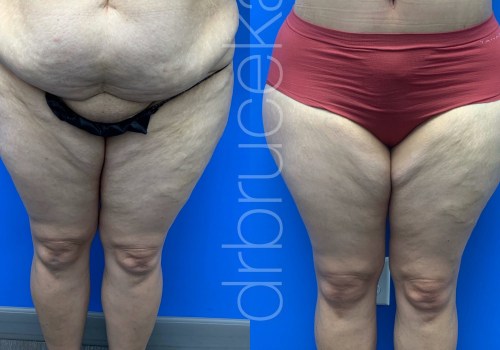
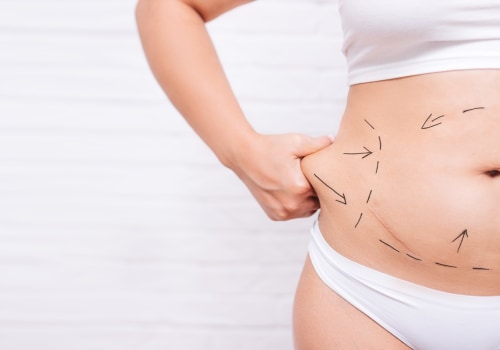
Liposuction is a popular cosmetic procedure designed to remove stubborn fat deposits from various areas of the body, helping individuals achieve a more contoured and aesthetically pleasing silhouette. This surgical technique has gained significant traction over the years, appealing to those who struggle with localized fat that does not respond to diet and exercise. By targeting specific areas such as the abdomen, thighs, buttocks, and arms, liposuction offers a solution for individuals seeking to enhance their body shape and boost their self-confidence.The liposuction procedure involves the use of a thin tube called a cannula, which is inserted through small incisions in the skin. The surgeon then uses this cannula to suction out excess fat from the targeted areas.
Depending on the patient's needs and the surgeon's expertise, various techniques can be employed, including tumescent liposuction, ultrasound-assisted liposuction, and laser-assisted liposuction. Each method has its own advantages and considerations, making it essential for patients to consult with a qualified plastic surgeon to determine the most suitable approach for their individual circumstances.As a minimally invasive procedure, liposuction typically requires only a short recovery period compared to more extensive surgeries. This aspect contributes to its growing popularity among those looking for effective body contouring solutions without prolonged downtime. However, while many patients experience satisfying results, it is crucial to understand that liposuction is not a weight-loss solution or an alternative to healthy lifestyle choices. Depending on the patient's needs and the surgeon's expertise, various techniques can be employed, including tumescent liposuction, ultrasound-assisted liposuction, and laser-assisted liposuction. Each method has its own advantages and considerations, making it essential for patients to consult with a qualified plastic surgeon to determine the most suitable approach for their individual circumstances.As a minimally invasive procedure, liposuction typically requires only a short recovery period compared to more extensive surgeries. This aspect contributes to its growing popularity among those looking for effective body contouring solutions without prolonged downtime. However, while many patients experience satisfying results, it is crucial to understand that liposuction is not a weight-loss solution or an alternative to healthy lifestyle choices.
Instead, it serves as a complementary procedure for individuals who are already at or near their ideal weight but wish to refine their body shape.In summary, liposuction represents a significant advancement in cosmetic surgery, offering individuals the opportunity to reshape their bodies and enhance their appearance. As we delve deeper into this topic, it is vital to consider not only the benefits but also the potential risks and complications associated with the procedure. Understanding these factors will empower patients to make informed decisions about their cosmetic journey.
Understanding the Liposuction Procedure
Liposuction is a surgical procedure designed to remove excess fat from specific areas of the body, helping individuals achieve a more contoured appearance. Understanding the steps involved in the liposuction process, as well as the various techniques available, is essential for anyone considering this procedure.The typical liposuction procedure can be broken down into several key steps:- Consultation: Before undergoing liposuction, patients will have an initial consultation with their surgeon.
This meeting is crucial for discussing medical history, expectations, and the specific areas of fat removal.
- Anesthesia: On the day of the procedure, patients are administered anesthesia. Depending on the extent of the surgery and patient preference, this may be local anesthesia with sedation or general anesthesia.
- Incision: The surgeon makes small incisions in the targeted area. These incisions are strategically placed to minimise visible scarring.
- Fat Removal: Using a thin tube called a cannula, the surgeon will suction out fat from beneath the skin. The method of fat removal can vary based on the technique used.
- Closing Incisions: Once the desired amount of fat has been removed, the incisions are closed with sutures or adhesive strips.
- Recovery: After the procedure, patients are monitored for a short period before being allowed to go home.
Recovery instructions will be provided to ensure proper healing.
- Tumescent Liposuction: This is one of the most common methods, where a solution containing saline, lidocaine, and epinephrine is injected into the treatment area. This solution helps to numb the area and reduce bleeding during fat removal.
- Ultrasound-Assisted Liposuction (UAL): This technique uses ultrasound waves to liquefy fat cells before they are suctioned out. UAL can be particularly effective for fibrous areas of the body.
- Laser-Assisted Liposuction (LAL): In this method, laser energy is used to melt fat cells before they are removed. LAL can also promote skin tightening due to heat stimulation.
Understanding these methods not only helps patients make informed decisions but also contextualises the possible complications associated with liposuction. By being aware of what to expect during the procedure, individuals can better prepare themselves for both the surgery and recovery process.
Common Risks Associated with Liposuction
Liposuction, while often viewed as a straightforward method for body contouring, carries a range of potential risks and complications that patients must consider. Understanding these risks is essential for making an informed decision about undergoing the procedure.One of the most significant risks associated with liposuction is the possibility of infection. Although rare, infections can occur at the incision sites or deeper within the tissues.Symptoms may include increased redness, swelling, and discharge from the incision. In severe cases, an infection may require antibiotics or additional surgical intervention to resolve.
Bleeding
is another concern during and after liposuction. While some bleeding is expected during the procedure, excessive blood loss can lead to complications such as hematoma formation, where blood pools under the skin. This can result in swelling and pain, necessitating further treatment to drain the accumulated blood.Adverse reactions to anesthesia are also a risk factor that should not be overlooked.
Patients may experience allergic reactions or complications related to sedation, which can range from mild nausea to more severe respiratory issues. It is crucial for patients to discuss their medical history and any previous reactions to anesthesia with their surgeon prior to the procedure.In addition to these risks, patients should be aware of potential seroma formation, which occurs when fluid accumulates in the space left by removed fat cells. This can lead to swelling and discomfort and may require drainage through a needle or additional surgical procedures.
Numbness
or altered sensation in the treated areas is another common side effect of liposuction. This occurs due to nerve damage during the procedure and can be temporary or, in rare cases, permanent.
Patients should be prepared for a recovery period during which they may experience these sensations.
Scarring
is an inevitable outcome of any surgical procedure, including liposuction. While surgeons strive to make incisions in less visible areas, some scarring is unavoidable. The extent of scarring can vary based on individual healing processes and skin types.Finally, it is important for patients to understand that while liposuction can yield significant aesthetic improvements, it is not a substitute for a healthy lifestyle. Weight gain after the procedure can lead to uneven results and may exacerbate existing issues.In conclusion, being aware of these common risks associated with liposuction allows patients to engage in informed discussions with their healthcare providers.
A thorough understanding of potential complications will help ensure that individuals are better prepared for both the procedure itself and their recovery journey.
Specific Complications from Liposuction
Liposuction, while often viewed as a straightforward cosmetic procedure, carries a range of potential complications that patients must be aware of before undergoing treatment. Understanding these specific risks can help individuals make informed decisions and highlight the necessity of selecting a qualified and experienced surgeon.One of the most serious complications associated with liposuction is fat embolism. This occurs when fat globules enter the bloodstream and travel to the lungs, brain, or other organs, potentially leading to severe health issues. Symptoms of fat embolism can include difficulty breathing, confusion, and a rash.Although this complication is rare, it underscores the importance of meticulous technique during the procedure.Another common issue that may arise post-liposuction is the development of skin irregularities. These can manifest as uneven contours, lumps, or depressions on the skin surface. Such irregularities often result from the removal of too much fat in certain areas or inadequate skin elasticity. In some cases, these imperfections may resolve over time; however, they can also necessitate further surgical intervention to correct.
Seromas
, which are fluid collections that can form under the skin after surgery, represent another potential complication.
These pockets of fluid can lead to swelling and discomfort and may require drainage by a healthcare professional. While seromas are generally not dangerous, they can prolong recovery time and affect the overall aesthetic outcome.Additionally, patients should be aware of the risk of infection. Although rare, infections can occur at the incision sites or within deeper tissues. Signs of infection include increased redness, swelling, warmth around the area, and fever.
Prompt medical attention is crucial to manage infections effectively.Long-term effects of liposuction can also include changes in sensation in the treated areas. Some patients report numbness or altered sensitivity following the procedure. While these sensations often improve over time, there is a possibility that some individuals may experience persistent changes.In conclusion, while liposuction can provide significant aesthetic benefits, it is essential for prospective patients to understand the specific complications that may arise. Engaging in thorough discussions with a qualified surgeon about these risks will not only prepare individuals for what to expect but also enhance their overall safety during the procedure.
Factors Influencing Risks in Liposuction
When considering liposuction, it is essential to understand the various factors that can influence the risks associated with the procedure.These factors can significantly affect both the safety and effectiveness of the surgery, making it crucial for patients to be well-informed before proceeding.
Patient Health Status
The overall health of a patient plays a pivotal role in determining the risks involved in liposuction. Individuals with pre-existing medical conditions such as diabetes, heart disease, or obesity may face higher risks during and after the procedure. For instance, diabetes can impair healing, increasing the likelihood of complications such as infection or delayed recovery.Moreover, a patient’s body mass index (BMI) is another critical factor. Those with a higher BMI may experience more significant challenges during surgery, including increased blood loss and longer recovery times.It is advisable for patients to achieve a stable weight before undergoing liposuction to minimise these risks.
Area Being Treated
The specific area targeted for fat removal also influences the risk profile of liposuction. Larger treatment areas or multiple areas treated simultaneously can elevate the risk of complications. For example, performing liposuction on the abdomen and thighs in one session may lead to excessive fluid loss or uneven results, necessitating further corrective procedures.Additionally, certain body parts are more prone to complications than others. Areas with thinner skin or less fat may not respond as well to liposuction, leading to irregularities in skin texture or contour.Understanding these nuances can help patients set realistic expectations regarding their results.
Surgeon Experience
The expertise and experience of the surgeon performing the procedure are perhaps the most critical factors influencing safety and outcomes. A qualified plastic surgeon with extensive training in liposuction techniques will be better equipped to handle potential complications and ensure optimal results.Patients should thoroughly research their surgeon’s credentials, including board certification and previous patient reviews. A skilled surgeon will not only have a deep understanding of anatomy but also possess the ability to tailor the procedure to each individual’s unique needs, thereby minimising risks.In conclusion, understanding these factors—patient health status, treatment area, and surgeon experience—can empower individuals considering liposuction to make informed decisions about their surgical journey. Engaging in open discussions with healthcare providers about these elements is vital for ensuring a safe and successful outcome.Post-Operative Care and Recovery After Liposuction
Recovering from liposuction is a crucial phase that significantly influences the overall outcome of the procedure.Understanding what to expect during this time can help patients manage their recovery effectively and achieve the best possible results.Immediately following the surgery, patients may experience some discomfort, swelling, and bruising in the treated areas. These symptoms are normal and typically subside within a few weeks. However, proper post-operative care is essential to minimise complications and enhance healing.
Managing Swelling and Bruising
Swelling is a common occurrence after liposuction, as the body responds to the surgical trauma. To manage swelling effectively, patients should:- Wear Compression Garments: These garments help reduce swelling by applying consistent pressure to the treated areas.
It is advisable to wear them as directed by your surgeon, usually for several weeks post-surgery.
- Stay Hydrated: Drinking plenty of water aids in flushing out toxins and can help reduce swelling. Aim for at least 2 litres of water daily unless otherwise advised by your doctor.
- Limit Physical Activity: Rest is vital during the initial recovery phase. Avoid strenuous activities and heavy lifting for at least two weeks to allow your body to heal properly.
- Follow Dietary Recommendations: A balanced diet rich in vitamins and minerals can support healing. Foods high in protein, such as lean meats, fish, and legumes, are particularly beneficial.
Post-Operative Care Instructions
In addition to managing swelling, adhering to your surgeon's post-operative care instructions is critical.These may include:
- Medication Management: Take prescribed pain medications as directed to manage discomfort. Over-the-counter pain relievers may also be recommended.
- Wound Care: Keep incisions clean and dry. Follow your surgeon's guidelines on how to care for your wounds to prevent infection.
- Follow-Up Appointments: Attend all scheduled follow-up visits with your surgeon. These appointments are essential for monitoring your recovery progress and addressing any concerns.
Full recovery may take several months as swelling continues to decrease and final results become apparent. Patience is key during this time; following post-operative care instructions diligently will help ensure a smooth recovery and optimal results.
Psychological Considerations and Expectations
Undergoing liposuction is not solely a physical transformation; it also carries significant psychological implications that can affect a patient’s emotional well-being. Understanding these aspects is crucial for anyone considering the procedure.One of the primary psychological considerations is the management of expectations. Many individuals seek liposuction with the hope of achieving an ideal body image, often influenced by societal standards and media portrayals.However, it is essential to recognise that liposuction is not a weight-loss solution but rather a method to sculpt and contour specific areas of the body. Patients should engage in thorough discussions with their surgeon to establish realistic goals and understand what the procedure can and cannot achieve.Moreover, the emotional impact of cosmetic surgery can be profound. While many patients report increased self-esteem and confidence following their procedure, others may experience feelings of disappointment if their results do not align with their expectations. This disparity can lead to issues such as body dysmorphic disorder, where individuals become preoccupied with perceived flaws in their appearance.
It is vital for patients to assess their motivations for undergoing liposuction and to consider whether they are seeking external validation or genuinely aiming for personal satisfaction.To mitigate potential negative psychological effects, patients should consider the following:
- Pre-operative counselling: Engaging in counselling sessions before surgery can help patients clarify their motivations and set realistic expectations.
- Support systems: Having a strong support network of friends and family can provide emotional reassurance throughout the process.
- Post-operative follow-up: Regular check-ins with the surgeon or a mental health professional can help address any emotional challenges that arise after the procedure.
Legal Rights and Patient Protections in Cosmetic Surgery
When considering cosmetic procedures such as liposuction, it is essential for patients to be aware of their legal rights and the protections available to them. Understanding these rights can significantly reduce the financial risks associated with unexpected medical expenses and ensure a smoother surgical experience., it is essential for patients to be aware of their legal rights and the protections available to them. Understanding these rights can significantly reduce the financial risks associated with unexpected medical expenses and ensure a smoother surgical experience.Patient Rights in Cosmetic Surgery
- Informed Consent: Patients have the right to receive comprehensive information about the procedure, including potential risks, benefits, and alternatives. This ensures that they can make an informed decision before proceeding.
- Privacy and Confidentiality: Patients are entitled to have their medical information kept confidential.
Surgeons and medical facilities must adhere to strict privacy laws to protect patient data.
- Quality of Care: Patients have the right to expect a certain standard of care from their healthcare providers. This includes being treated by qualified professionals in a safe environment.
- Post-Operative Support: After undergoing a procedure like liposuction, patients should receive adequate follow-up care and support to address any complications or concerns that may arise.
Legal Protections for Surgery Patients
In addition to patient rights, various legal protections exist to safeguard individuals undergoing cosmetic surgery. These protections can help mitigate financial burdens and ensure fair treatment:
- No Surprises Act:No Surprises Act: This legislation aims to protect patients from unexpected medical bills, particularly in situations where they receive out-of-network care without prior knowledge. Under this act, patients must be informed about their financial responsibilities before receiving treatment, allowing them to make more informed choices.
- Medical Malpractice Laws: If a patient suffers harm due to negligence during a cosmetic procedure, they may have the right to pursue legal action against the healthcare provider.
Understanding these laws can empower patients to seek justice if necessary.
- Consumer Protection Laws: Many jurisdictions have laws in place that protect consumers from deceptive practices in advertising and marketing related to cosmetic procedures. Patients should be aware of these laws when evaluating clinics and surgeons.
Frequently Asked Questions About Liposuction Risks
When considering liposuction, many potential patients have questions regarding the associated risks and complications. This FAQ section aims to address some of the most common concerns, providing clarity and reassurance for those contemplating the procedure.What are the most common risks associated with liposuction?
The most frequently reported risks include:- Infection: Although rare, infections can occur at the incision sites, necessitating prompt medical attention.
- Bleeding: Excessive bleeding during or after the procedure can lead to complications and may require further intervention.
- Numbness: Some patients experience temporary or, in rare cases, permanent numbness in the treated areas due to nerve damage.
- Scarring: While incisions are typically small, scarring can vary based on individual healing processes.
- Fluid accumulation: Seromas, or pockets of fluid, may develop under the skin and might need to be drained.
- Uneven results: If too much fat is removed from one area compared to another, it can lead to an uneven appearance.
How can I minimise the risks of liposuction?
To reduce the likelihood of complications, consider the following:- Select a qualified surgeon: Ensure your surgeon is board-certified and has extensive experience in performing liposuction.
- Follow pre-operative instructions: Adhering to guidelines provided by your surgeon can help prepare your body for surgery.
- Discuss your medical history: Be open about any pre-existing conditions or medications you are taking that could affect your surgery.
- Avoid smoking: Smoking can impede healing and increase the risk of complications.
What should I expect during recovery?
The recovery period varies among individuals but generally includes:- Swelling and bruising: These are common post-operative symptoms that typically subside within a few weeks.
- Pain management: Your surgeon will prescribe pain relief medications to help manage discomfort during recovery.
- Follow-up appointments: Regular check-ups with your surgeon are essential to monitor healing and address any concerns.
They can provide tailored advice based on your individual circumstances and health profile.
Conclusion: Weighing the Risks and Benefits of Liposuction
In conclusion, the decision to undergo liposuction is not one to be taken lightly. As we have explored throughout this article, while liposuction can offer significant aesthetic benefits by removing stubborn fat deposits and enhancing body contours, it is essential to weigh these advantages against the potential risks and complications associated with the procedure.Understanding the various risks is crucial. Complications such as excessive fat removal, which can lead to skin irregularities, and the possibility of infection or scarring are important considerations. Moreover, the recovery process, although generally manageable, can vary significantly from person to person.Some may experience prolonged swelling or discomfort that could affect their daily activities.It is also vital to acknowledge that liposuction is not a substitute for a healthy lifestyle. While it can assist in achieving desired body shapes, maintaining those results requires ongoing commitment to diet and exercise. Therefore, prospective patients should approach liposuction as part of a broader strategy for health and wellness rather than a standalone solution.Before making a final decision, individuals should engage in thorough discussions with qualified plastic surgeons. This dialogue should encompass not only the expected outcomes but also a candid assessment of personal health history and any factors that may elevate the risk of complications.Ultimately, the choice to proceed with liposuction should be informed by a comprehensive understanding of both its potential benefits and its inherent risks.
By carefully considering these elements, individuals can make a more educated decision that aligns with their personal goals and health needs.