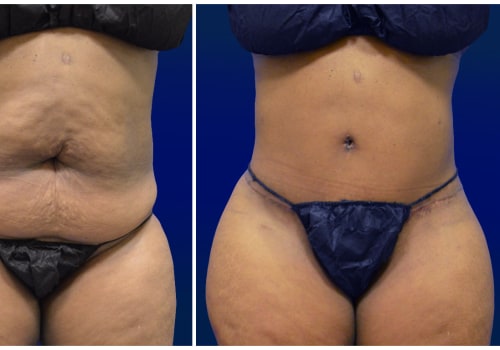
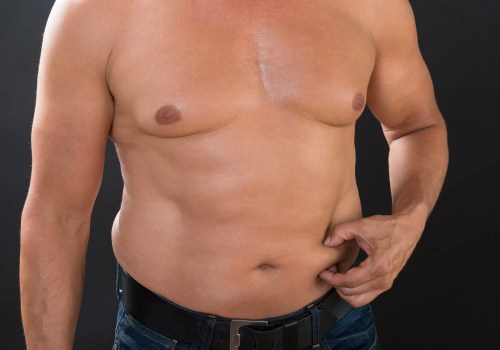
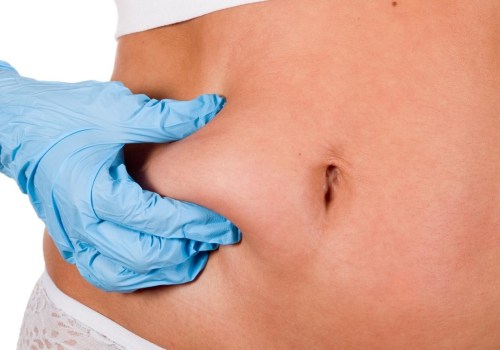
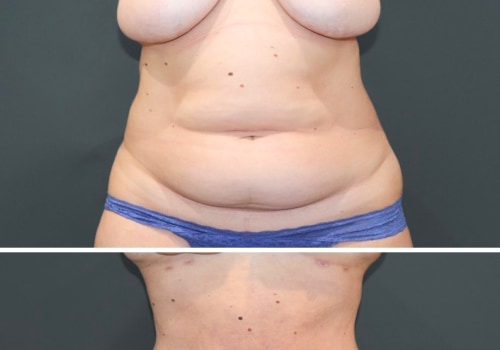
Liposuction is a widely recognised cosmetic procedure that aims to reshape and contour the body by removing excess fat deposits. This surgical technique is particularly effective for individuals who struggle with stubborn fat areas that resist diet and exercise efforts. By targeting specific regions such as the abdomen, thighs, buttocks, and arms, liposuction can help achieve a more balanced and aesthetically pleasing body silhouette.The procedure itself involves the use of a thin tube called a cannula, which is inserted through small incisions in the skin. The surgeon then uses this cannula to suction out unwanted fat cells from the targeted areas.
This minimally invasive approach allows for precise fat removal while minimising damage to surrounding tissues. Patients can expect to see immediate changes in their body shape, although final results may take several weeks to fully manifest as swelling subsides and the skin adjusts to its new contours.One of the key benefits of liposuction is its ability to provide long-lasting results, provided that patients maintain a stable weight and healthy lifestyle post-procedure. It is essential to understand that while liposuction effectively removes fat cells from specific areas, it does not prevent future weight gain or address underlying lifestyle habits. Therefore, a commitment to regular exercise and a balanced diet is crucial for sustaining the results achieved through liposuction.In summary, liposuction serves as a powerful tool for body contouring, offering individuals the opportunity to enhance their physical appearance and boost their self-confidence.
Understanding the procedure's mechanics, benefits, and limitations is vital for anyone considering this transformative option.
The Liposuction Procedure: What to Expect
Understanding the liposuction procedure is crucial for anyone considering this transformative surgery. The process can be broken down into three main phases: pre-operative preparations, the surgical procedure itself, and post-operative care.Pre-Operative Preparations
Before undergoing liposuction, patients will have a comprehensive consultation with their surgeon. This initial meeting is vital for discussing medical history, expectations, and any concerns. During this consultation, the surgeon will:- Evaluate your overall health and suitability for the procedure.
- Discuss the specific areas of fat removal and the techniques that will be used.
- Provide instructions on how to prepare for surgery, which may include avoiding certain medications and supplements that can increase bleeding.
- Advise on lifestyle changes, such as quitting smoking or adjusting your diet, to enhance recovery.
The Surgical Procedure
The day of the surgery typically begins with the patient arriving at the surgical facility.Here’s what to expect:
- Anesthesia: Depending on the extent of the procedure, either local or general anesthesia will be administered to ensure comfort throughout the surgery.
- Incisions: Small incisions are made in discreet locations near the targeted fat deposits. These incisions are usually less than a centimetre long.
- Fat Removal: A thin tube called a cannula is inserted through the incisions. The surgeon will then use this cannula to suction out excess fat from the designated areas. This process can take several hours depending on how much fat is being removed.
- Closing Incisions: Once the desired amount of fat has been removed, the incisions are closed with sutures or adhesive strips.
Post-Operative Care
After surgery, patients will be monitored in a recovery area until they are stable enough to go home.Post-operative care is essential for achieving optimal results:
- Compression Garments: Patients are usually advised to wear compression garments for several weeks post-surgery. These help reduce swelling and support the healing process.
- Pain Management: Mild discomfort is common after liposuction. Your surgeon will prescribe pain relief medication as needed.
- Activity Restrictions: It’s important to avoid strenuous activities for at least a few weeks. Light walking is encouraged to promote circulation but should be done cautiously.
- Follow-Up Appointments: Regular follow-up visits with your surgeon are crucial to monitor healing and address any concerns that may arise during recovery.
Immediate Results: What Happens After Liposuction?
After undergoing liposuction, many patients are eager to see the results of their procedure.However, it is essential to understand that the immediate outcomes may not reflect the final results. In the days following the surgery, patients can expect to experience a range of post-operative effects, including swelling, bruising, and discomfort.Swelling is a common occurrence after liposuction and can vary significantly from person to person. This swelling is primarily due to the body’s natural response to surgery, as it works to heal the treated areas. Typically, swelling peaks within the first few days post-surgery and can last for several weeks.
It is crucial for patients to manage their expectations during this period, as the initial appearance may not accurately represent the final contour of their body.Bruising is another typical effect that patients may notice after liposuction. The extent of bruising can depend on various factors, including the technique used during the procedure and individual healing responses. While some patients may experience minimal bruising, others might have more extensive discolouration that can take weeks to fade.In terms of timeline, most patients will begin to see some initial results within a week or two after their procedure. However, it is important to note that these results will continue to evolve as swelling subsides and the body heals.
Generally, significant improvements can be observed around the one-month mark, with final results becoming more apparent between three to six months post-surgery.To aid in recovery and minimise swelling, patients are often advised to wear compression garments as directed by their surgeon. These garments help support the healing tissues and can significantly reduce swelling in the treated areas. Additionally, following a healthy diet and staying hydrated can also contribute positively to the recovery process.In summary, while liposuction can lead to transformative changes in body shape, it is vital for patients to understand that immediate results may be obscured by swelling and bruising. Patience is key during this recovery phase, as the true benefits of liposuction will become clearer over time.
Long-Term Results: How Long Do Liposuction Results Last?
Understanding the longevity of liposuction results is crucial for anyone considering this transformative procedure.While liposuction effectively removes fat cells from targeted areas, the permanence of these results largely depends on individual lifestyle choices post-surgery.Typically, patients can expect to see the final results of their liposuction within one to three months after the procedure. This timeframe allows for swelling to subside and the skin to adjust to its new contours. However, it is essential to note that while the fat cells in the treated areas are permanently removed, the body can still gain weight if a healthy lifestyle is not maintained.Several factors influence how long liposuction results last:
- Weight Maintenance: The most significant factor in preserving your liposuction results is maintaining a stable weight. If you gain weight after the procedure, remaining fat cells can expand, potentially diminishing the aesthetic improvements achieved through liposuction.
- Diet: A balanced diet rich in nutrients can help you maintain your weight and overall health.
Incorporating plenty of fruits, vegetables, lean proteins, and whole grains into your meals can support your body’s metabolism and prevent unwanted weight gain.
- Exercise: Regular physical activity is vital for sustaining your results. Engaging in a consistent exercise routine not only helps manage weight but also enhances muscle tone and overall body composition. Studies indicate that individuals who remain active post-liposuction are more likely to retain their desired body shape.
- Age and Genetics: As we age, our bodies undergo various changes that can affect fat distribution. Genetics also play a role in how our bodies store fat.
Understanding these factors can help set realistic expectations regarding the longevity of your results.
Maintaining Your Liposuction Results: Lifestyle Changes and Habits
After undergoing liposuction, many patients are eager to maintain their newly contoured bodies. Achieving long-lasting results requires a commitment to a healthy lifestyle that includes both diet and exercise. Here are some actionable strategies to help you preserve the benefits of your procedure.Embrace a Balanced Diet
Your diet plays a crucial role in maintaining your liposuction results.Focus on incorporating a variety of nutrient-dense foods into your meals:
- Fruits and Vegetables: Aim for at least five servings of fruits and vegetables each day. These foods are low in calories but high in vitamins, minerals, and fibre, which can help you feel full and satisfied.
- Lean Proteins: Include sources of lean protein such as chicken, fish, beans, and legumes. Protein is essential for muscle repair and can help you maintain a healthy metabolism.
- Whole Grains: Opt for whole grains like brown rice, quinoa, and whole wheat bread instead of refined grains. Whole grains provide sustained energy and keep you feeling fuller for longer.
- Healthy Fats: Incorporate healthy fats from sources like avocados, nuts, seeds, and olive oil.
These fats can support overall health while helping to control hunger.
Stay Hydrated
Drinking plenty of water is vital for overall health and can aid in weight management. Aim for at least eight glasses of water per day. Staying hydrated helps regulate your metabolism and can prevent overeating by keeping you feeling full.Regular Physical Activity
Exercise is another key component in maintaining your liposuction results. Aim for at least 150 minutes of moderate aerobic activity each week, combined with strength training exercises on two or more days:- Aerobic Exercises: Activities such as walking, cycling, swimming, or dancing can help burn calories and improve cardiovascular health.
- Strength Training: Incorporating weight lifting or resistance exercises helps build muscle mass, which can increase your resting metabolic rate.
Monitor Your Weight
Regularly tracking your weight can help you stay accountable.If you notice any significant fluctuations, it may be time to reassess your diet and exercise habits. Remember that small changes can lead to significant results over time.In conclusion, maintaining the results of your liposuction procedure is achievable through a combination of a balanced diet, regular exercise, hydration, and self-monitoring. By adopting these healthy lifestyle habits, you can enjoy the benefits of your transformation for years to come.
Common Misconceptions About Liposuction
Liposuction is often surrounded by a cloud of myths and misconceptions that can lead to unrealistic expectations. Understanding the truth behind these myths is essential for anyone considering this procedure.Here, we will explore some of the most common misconceptions about liposuction and clarify what the procedure can and cannot achieve.
- Liposuction is a weight loss solution: One of the biggest misconceptions is that liposuction is a method for significant weight loss. In reality, liposuction is designed to remove localized fat deposits that are resistant to diet and exercise. It is not a substitute for a healthy lifestyle or a weight loss programme. Ideal candidates are typically at or near their target weight.
- Liposuction can eliminate cellulite: Many people believe that liposuction can effectively treat cellulite, but this is not the case.
Cellulite is caused by fibrous bands of tissue beneath the skin, which cannot be removed through liposuction. While the procedure can improve body contours, it does not address the underlying causes of cellulite.
- All fat cells are removed during liposuction: Another common myth is that liposuction permanently removes all fat cells from the treated area. While it does remove a significant number of fat cells, some will remain. If a patient gains weight after the procedure, the remaining fat cells can expand, potentially leading to an uneven appearance.
- Liposuction results are immediate: Many expect to see instant results after their procedure; however, this is misleading.
Post-operative swelling and fluid retention can obscure the final results for several weeks or even months. Patience is key as the body heals and adjusts to its new contours.
- Liposuction is only for women: While women are often the primary demographic for liposuction, men also seek this procedure to achieve a more sculpted physique. The demand for male liposuction has been steadily increasing as societal norms around body image evolve.
Who is a Suitable Candidate for Liposuction?
Determining whether you are a suitable candidate for liposuction involves several important criteria that ensure both the safety and effectiveness of the procedure.Understanding these factors is essential for anyone considering this transformative cosmetic surgery.
1.Overall Health Status
A primary consideration is your overall health. Candidates should be in good physical condition, free from serious medical conditions such as heart disease, diabetes, or any other chronic illnesses that could complicate surgery or recovery. A thorough medical evaluation by a qualified surgeon is crucial to assess your health status.
2.Stable Weight
Ideal candidates for liposuction are those who are close to their target weight but struggle with stubborn fat deposits that do not respond to diet and exercise. It is generally recommended that candidates maintain a stable weight for at least six months prior to the procedure.
This stability helps ensure that the results of liposuction will be long-lasting.
3.Skin Elasticity
The condition of your skin plays a significant role in candidacy. Individuals with good skin elasticity are more likely to achieve optimal results, as the skin can better conform to the new body contours after fat removal. If your skin has lost elasticity due to age or significant weight loss, you may need to consider additional procedures, such as a tummy tuck, to achieve the desired outcome.
4.Realistic Expectations
Having realistic expectations about what liposuction can achieve is vital. While it can effectively remove fat and enhance body contours, it is not a weight-loss solution or a substitute for a healthy lifestyle.
Candidates should understand the limitations of the procedure and be prepared for the commitment required to maintain their results.
5.Age Considerations
While there is no strict age limit for liposuction, most surgeons prefer candidates to be at least 18 years old. Older patients may still be suitable candidates if they are in good health and have realistic expectations regarding recovery and results.
6.Psychological Readiness
Candidates should also consider their psychological readiness for surgery. Those who are emotionally stable and have a positive body image tend to have better outcomes and satisfaction with their results.In summary, suitable candidates for liposuction are generally healthy individuals with stable weights, good skin elasticity, realistic expectations, and psychological readiness for the procedure. Consulting with a board-certified plastic surgeon will provide you with personalized insights into your suitability for liposuction and help you make an informed decision about your body transformation journey.
Post-Operative Care: Essential Tips for Recovery
Recovering from liposuction is a crucial phase that significantly impacts the longevity of your results.Proper post-operative care not only aids in healing but also helps in minimising complications. Here are some essential tips to ensure a smooth recovery:
- Follow Your Surgeon’s Instructions: Adhering to the specific guidelines provided by your surgeon is paramount. These instructions are tailored to your individual needs and will cover everything from medication to activity restrictions.
- Wear Compression Garments: Post-operative compression garments are designed to support your healing process. They help reduce swelling, improve circulation, and assist in skin retraction.
Ensure you wear them as directed, typically for several weeks following the procedure.
- Manage Pain Effectively: It’s normal to experience some discomfort after liposuction. Your surgeon will likely prescribe pain relief medication. Take these as directed, and don’t hesitate to reach out if you feel your pain is not adequately managed.
- Stay Hydrated: Drinking plenty of water is essential during recovery. Hydration aids in flushing out toxins and can help reduce swelling.
Aim for at least 8-10 glasses of water daily unless otherwise advised by your doctor.
- Rest and Limit Physical Activity: While it’s important to move around gently to promote circulation, avoid strenuous activities for at least a few weeks post-surgery. Listen to your body; if you feel fatigued, take a break.
- Monitor Your Incisions: Keep an eye on your surgical sites for any signs of infection, such as increased redness, swelling, or discharge. If you notice any concerning symptoms, contact your surgeon immediately.
- Gradually Reintroduce Activities: After the initial recovery period, you can slowly start reintroducing light activities into your routine. However, avoid high-impact exercises until you receive clearance from your surgeon.
Foods high in protein can aid tissue repair, while fruits and vegetables provide essential nutrients that promote overall health.Lastly, remember that recovery is a personal journey; everyone heals at their own pace. Be patient with yourself and allow your body the time it needs to recover fully. Following these post-operative care tips will help ensure that you achieve the best possible results from your liposuction.
FAQs About Liposuction: Your Questions Answered
When considering liposuction, many individuals have questions about the procedure, its effectiveness, and what to expect during recovery. Here, we address some of the most frequently asked questions to provide clarity and help you make informed decisions.What is liposuction?
Liposuction is a cosmetic surgical procedure designed to remove excess fat from specific areas of the body.It targets stubborn fat deposits that are resistant to diet and exercise, helping to sculpt and contour the body for a more aesthetically pleasing appearance.
Who is a suitable candidate for liposuction?
Ideal candidates for liposuction are individuals who are at or near their target weight but struggle with localized fat deposits. Candidates should be in good overall health, have realistic expectations about the outcomes, and be committed to maintaining a healthy lifestyle post-procedure.How long does the procedure take?
The duration of a liposuction procedure can vary depending on the number of areas being treated and the amount of fat being removed. Typically, it can take anywhere from one to three hours. Your surgeon will provide a more accurate estimate based on your specific case.What is the recovery process like?
Recovery from liposuction varies by individual but generally involves some swelling, bruising, and discomfort in the treated areas.Most patients can return to light activities within a few days, while more strenuous activities should be avoided for several weeks. Following your surgeon's post-operative care instructions is crucial for optimal healing.
Are the results permanent?
The results of liposuction can be long-lasting as long as you maintain a stable weight and healthy lifestyle. While fat cells are permanently removed from the treated areas, it is still possible to gain weight in other areas if healthy habits are not followed.Can liposuction eliminate cellulite?
No, liposuction is not designed to treat cellulite. Cellulite is caused by fibrous bands beneath the skin that create a dimpled appearance.While liposuction can remove excess fat, it does not address the underlying causes of cellulite.
What are the risks associated with liposuction?
As with any surgical procedure, there are risks involved with liposuction, including infection, scarring, and complications related to anesthesia. It’s essential to discuss these risks with your surgeon during your consultation to ensure you understand what to expect.If you have more questions about liposuction or want to explore whether it’s right for you, consider scheduling a consultation with a qualified plastic surgeon who can provide personalised advice and guidance.<strong>Conclusion</strong>: The Key Takeaways on Liposuction and Maintaining Results
In summary, understanding the intricacies of liposuction and the necessary steps to maintain its results is crucial for anyone considering this transformative procedure. Here are the key takeaways:- Liposuction is not a weight-loss solution: It is designed to target specific areas of stubborn fat that resist diet and exercise. Therefore, it is essential to have realistic expectations about what the procedure can achieve.
- Permanent fat removal: Liposuction permanently removes fat cells from the treated areas.
However, maintaining a stable weight is vital, as remaining fat cells can expand with weight gain.
- Post-operative care matters: Following your surgeon's post-operative guidelines, including wearing compression garments and avoiding strenuous activities, is essential for optimal healing and results.
- Healthy lifestyle choices: To ensure long-lasting results, adopting a balanced diet and regular exercise routine is crucial. Studies indicate that patients who engage in physical activity post-surgery are more successful in maintaining their new body shape.
- Realistic expectations: While liposuction can significantly enhance body contours, it does not eliminate cellulite or guarantee a perfect body. Understanding its limitations will help you appreciate the results more fully.
- Consultation is key: If you are considering liposuction, scheduling a consultation with a board-certified plastic surgeon will provide you with tailored advice and help you determine if you are a suitable candidate for the procedure.
Embrace this opportunity for transformation with informed choices and realistic goals, ensuring that your results are not only beautiful but also sustainable.