Liposuction is a popular cosmetic procedure designed to remove stubborn fat deposits from various areas of the body, helping individuals achieve a more contoured and sculpted appearance. However, for those weighing around 200 pounds, the question of safety and candidacy for liposuction becomes particularly pertinent. Many potential patients are eager to understand whether they can safely undergo this procedure and what factors influence their eligibility. When considering liposuction, it is essential to recognise that the procedure is not merely a weight-loss solution; rather, it is intended for body contouring. This distinction is crucial for individuals who may be at or above 200 pounds, as the effectiveness and safety of liposuction can vary significantly based on a patient's overall health, body mass index (BMI), and specific fat distribution.
A thorough evaluation by a qualified plastic surgeon is necessary to determine if liposuction is an appropriate option. In addition to weight considerations, other factors play a vital role in assessing candidacy for liposuction. These include the patient's medical history, skin elasticity, and lifestyle habits such as diet and exercise. Understanding these elements can help prospective patients make informed decisions about their bodies and the potential outcomes of the procedure. As we delve deeper into the topic, we will explore the safety of liposuction for individuals weighing 200 pounds, the criteria for candidacy, and essential considerations that should be taken into account before proceeding with this transformative treatment.
What is Liposuction?
Liposuction
is a popular cosmetic surgical procedure designed to remove excess fat from specific areas of the body, helping to reshape and contour the physique.
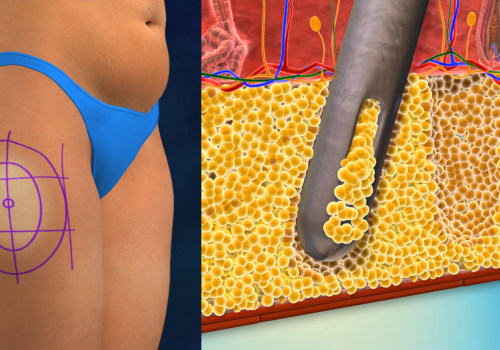
It is not a weight-loss solution but rather a method for targeting stubborn fat deposits that are resistant to diet and exercise.The procedure involves the use of a thin tube called a cannula , which is inserted through small incisions in the skin. The cannula is connected to a vacuum device that suction out the unwanted fat. This technique allows for precise fat removal, resulting in smoother body contours.
Types of Liposuction
- Tumescent Liposuction: This is the most common form of liposuction. It involves injecting a solution containing saline, lidocaine, and epinephrine into the targeted area before fat removal.
The solution helps to numb the area, reduce bleeding, and make fat extraction easier.
- Ultrasound-Assisted Liposuction (UAL): This technique uses ultrasound waves to liquefy fat cells before they are suctioned out. This method can be particularly effective for removing larger volumes of fat and is often used in areas with denser fat deposits.
- Laser-Assisted Liposuction (LAL): Similar to UAL, this method employs laser energy to melt away fat cells. The heat generated by the laser also promotes skin tightening, which can enhance the overall results.
- Power-Assisted Liposuction (PAL): In this technique, a mechanised cannula is used to help break up fat cells, making it easier for the surgeon to remove them. This can lead to quicker procedures and less trauma to surrounding tissues.
During a consultation, potential candidates should discuss their options with a qualified plastic surgeon who can recommend the most suitable technique based on their body type and desired outcomes.Understanding how liposuction works and the different techniques available is crucial for anyone considering this procedure. It allows patients to set realistic expectations and make informed decisions about their body contouring journey.
Who is a Suitable Candidate for Liposuction?
Determining whether an individual is a suitable candidate for liposuction involves a comprehensive evaluation of several factors, including body mass index (BMI), overall health, and specific fat distribution patterns. Understanding these criteria can help potential patients make informed decisions about their body contouring options.Body Mass Index (BMI)
BMI is a crucial metric used to assess whether a person falls within a healthy weight range. It is calculated using a person's height and weight, providing a numerical value that categorises individuals as underweight, normal weight, overweight, or obese.
For liposuction candidates, most plastic surgeons recommend a BMI of 30 or lower. This guideline is in place because individuals with a higher BMI may face increased risks during surgery and may not achieve optimal results.
Overall Health
A candidate's overall health is another significant factor in determining suitability for liposuction. Patients should be in good physical condition, free from chronic illnesses such as diabetes or heart disease that could complicate the procedure or recovery. Additionally, non-smokers are generally preferred, as smoking can hinder healing and increase the risk of complications.
Fat Distribution Patterns
Not all fat is created equal; the distribution of fat in the body plays a vital role in determining candidacy for liposuction.
Ideal candidates typically have localized areas of stubborn fat that are resistant to diet and exercise. These pockets of fat can often be effectively targeted through liposuction, leading to improved body contours. However, individuals with generalized obesity may not see the same benefits and might be advised to pursue weight loss through lifestyle changes before considering surgical options.
Age Considerations
While there is no strict age limit for liposuction, candidates should be at least 18 years old and in a stable phase of their life regarding weight and health. Younger patients may have more elastic skin, which can enhance surgical outcomes, while older patients may need to consider skin laxity when evaluating their candidacy.In summary, suitable candidates for liposuction are typically those with a BMI under 30, good overall health, specific areas of stubborn fat, and realistic expectations about the procedure's outcomes.
Consulting with a qualified plastic surgeon can provide tailored advice based on individual circumstances and goals.
Safety Considerations for Patients Weighing 200 Pounds
When considering liposuction for patients weighing around 200 pounds, it is crucial to address specific safety concerns that may arise. While liposuction is a widely performed cosmetic procedure, the risks and complications can vary significantly based on a patient's weight and overall health.One of the primary safety considerations is the patient's Body Mass Index (BMI). A BMI over 30 can indicate that a patient may not be an ideal candidate for traditional liposuction. This is because higher BMI levels are often associated with increased fat deposits, which can complicate the procedure and recovery.Surgeons typically prefer to operate on patients who are closer to their ideal weight, as this can lead to better outcomes and fewer complications.Another significant concern is the volume of fat that can be safely removed during a single session. For patients weighing 200 pounds, the maximum amount of fat that can be extracted safely is generally around 5 litres (or approximately 10 pounds). Exceeding this limit can lead to serious complications such as fluid imbalance, excessive blood loss, or even shock. Therefore, it is essential for patients to have realistic expectations regarding the amount of fat that can be removed.
Pre-operative assessments
play a vital role in ensuring patient safety.
A thorough evaluation by a qualified plastic surgeon will include a review of medical history, current medications, and any underlying health conditions. This assessment helps identify potential risks such as:
- Cardiovascular issues: Patients with heart conditions may face increased risks during surgery.
- Respiratory problems: Conditions like asthma or sleep apnea can complicate anaesthesia administration.
- Diabetes: This condition can affect healing and increase the risk of infection.
- Infection: Any surgical procedure carries a risk of infection, which can be exacerbated by higher body weight.
- Seroma formation: Fluid accumulation in the treatment area may require additional procedures to drain.
- Scarring: While scarring is a common outcome of liposuction, it may be more pronounced in heavier patients due to skin elasticity issues.
Understanding BMI and Its Role in Liposuction Eligibility
When considering liposuction, understanding your Body Mass Index (BMI) is crucial. BMI serves as a key indicator of whether a patient is a suitable candidate for the procedure.It is calculated using a simple formula that takes into account your weight and height, providing a numerical value that categorises you into different weight classifications.To calculate your BMI, follow these steps:
- Measure your weight in kilograms (kg).
- Measure your height in metres (m).
- Use the formula: BMI = weight (kg) / (height (m) x height (m)) .
BMI = 90 / (1.75 x 1.75) = 29.39
This value places you in the overweight category, which may affect your eligibility for liposuction.The general guidelines suggest that candidates for liposuction should ideally have a BMI of less than 30. This threshold is important because it indicates that the patient is closer to their ideal body weight and has specific areas of fat that are resistant to diet and exercise. Patients with a BMI above this limit may be advised to pursue weight loss through lifestyle changes or medical interventions before considering surgical options.It’s also essential to note that while BMI is a useful tool, it does not provide a complete picture of an individual’s health or fat distribution. Factors such as muscle mass, body composition, and overall health should also be considered when evaluating candidacy for liposuction.In summary, understanding your BMI and its implications can significantly influence your journey towards achieving your desired body shape through liposuction.
Consulting with a qualified plastic surgeon can provide personalised insights and recommendations based on your unique circumstances.
The Amount of Fat That Can Be Safely Removed
When considering liposuction, one of the most common questions patients have is about the amount of fat that can be safely removed during the procedure. Understanding these limits is crucial for setting realistic expectations and ensuring patient safety.In general, the maximum volume of fat that can be safely extracted in a single session of liposuction is approximately 5,000 cc (or 5 litres). This figure is based on guidelines established by various medical authorities and is designed to minimise risks associated with the procedure. To put this into perspective, 454.5 cc is roughly equivalent to one pound of fat, meaning that a patient could expect to lose around 10 pounds of fat through traditional liposuction techniques.However, it’s important to note that this volume does not include the tumescent fluid that is injected during the procedure, which can add to the total volume removed.The tumescent solution helps to numb the area and reduce bleeding, but it also means that the actual amount of fat removed may be less than what patients might anticipate.
High-volume liposuction
, which involves removing more than the standard limits, carries additional risks. These procedures require a higher level of expertise and should only be performed by board-certified plastic surgeons in accredited facilities. The risks associated with high-volume liposuction include:
- Fluid Imbalance: Removing large volumes of fat can disrupt the body’s fluid balance, leading to complications such as dehydration or shock.
- Increased Recovery Time: Patients undergoing high-volume procedures may experience longer recovery times and more pronounced side effects.
- Potential for Contour Irregularities: Excessive fat removal can result in uneven contours or depressions in the skin.
This approach not only enhances safety but also improves overall results.Ultimately, a thorough consultation with a qualified plastic surgeon will provide personalised insights into what can be achieved through liposuction and help determine the safest approach tailored to individual needs.
Preparing for Liposuction: What to Expect
Preparing for liposuction is a crucial step that can significantly influence the outcome of your procedure. Understanding what to expect and making necessary lifestyle adjustments can help ensure a smooth experience and optimal results.Consultation with Your Surgeon
Your journey begins with a comprehensive consultation with a board-certified plastic surgeon. During this meeting, you will discuss your aesthetic goals, medical history, and any concerns you may have. This is also the perfect opportunity to ask questions about the procedure, recovery time, and potential risks.
Your surgeon will evaluate your body type and fat distribution to determine if you are a suitable candidate for liposuction.
Lifestyle Changes
In the weeks leading up to your surgery, consider implementing some lifestyle changes to enhance your overall health:
- Maintain a Healthy Diet: Focus on consuming a balanced diet rich in fruits, vegetables, lean proteins, and whole grains. This not only helps in achieving your ideal weight but also prepares your body for surgery.
- Stay Hydrated: Drinking plenty of water is essential for maintaining good health and can aid in recovery post-surgery.
- Avoid Smoking: If you smoke, it is advisable to quit at least four weeks before the procedure. Smoking can impair healing and increase the risk of complications.
- Limit Alcohol Consumption: Reducing or eliminating alcohol intake can improve your liver function and overall health prior to surgery.
Pre-Operative Guidelines
Your surgeon will provide specific pre-operative instructions tailored to your needs. Common guidelines include:
- Avoiding certain medications such as aspirin or anti-inflammatory drugs that can increase bleeding.
- Arranging for someone to drive you home after the procedure, as you may still be under the effects of anaesthesia.
- Wearing loose-fitting clothing on the day of surgery for comfort.
What to Expect on Surgery Day
You will undergo a pre-operative assessment where medical staff will check your vitals and confirm your consent forms. After changing into a surgical gown, an anaesthetist will discuss anaesthesia options with you. Once you are comfortable, the procedure will commence.Understanding these preparatory steps can help alleviate anxiety and set realistic expectations for your liposuction journey. By taking proactive measures, you are investing in not just a procedure but in achieving lasting results that align with your body goals.
Post-Operative Care and Recovery After Liposuction
Recovering from liposuction is a crucial phase that significantly impacts the overall results of the procedure.Understanding the recovery process and adhering to post-operative care guidelines can help ensure optimal outcomes and a smoother transition back to daily activities.
Understanding the Recovery Timeline
The recovery timeline after liposuction varies from person to person, but generally, patients can expect the following:- First 24-48 hours: This initial period is often marked by swelling, bruising, and discomfort. Patients are advised to rest and keep their body elevated to minimise swelling.
- First week: Most patients can return to light activities within a few days, but strenuous exercise should be avoided. Pain and swelling may persist, and wearing a compression garment is essential during this time.
- Two to four weeks: Many individuals feel significantly better and can gradually resume normal activities. However, high-impact exercises should still be avoided until cleared by the surgeon.
- One month and beyond: By this stage, most swelling should subside, and patients can typically return to their regular exercise routines.
Final results may take several months to fully materialise as the body continues to heal.
Post-Operative Care Tips
To facilitate a smooth recovery process, consider the following post-operative care tips:- Follow your surgeon's instructions: Adhering strictly to your surgeon's post-operative guidelines is vital for a successful recovery.
- Pain management: Use prescribed pain medications as directed. Over-the-counter pain relievers may also be recommended for managing discomfort.
- Stay hydrated: Drinking plenty of water aids in recovery and helps reduce swelling.
- Wear compression garments: These garments help support the healing tissues and reduce swelling. Ensure you wear them as instructed by your surgeon.
- Avoid smoking and alcohol: Both can impede healing and increase the risk of complications. It’s best to refrain from these substances during your recovery period.
- Monitor for complications: Keep an eye out for signs of infection or unusual symptoms such as excessive bleeding or severe pain.
Contact your surgeon immediately if you notice anything concerning.
Alternatives to Liposuction for Weight Management
For individuals weighing around 200 pounds, exploring alternatives to liposuctionalternatives to liposuction can be a crucial step in achieving weight management goals. While liposuction is a popular cosmetic procedure, it is not the only option available for those looking to reduce fat and improve their body shape. Here are some effective alternatives that can be considered:Lifestyle Changes
Making sustainable lifestyle changes is often the most effective way to manage weight.This includes:
- Balanced Diet: Adopting a diet rich in whole foods, such as fruits, vegetables, lean proteins, and whole grains can significantly impact weight loss. Reducing processed foods and sugars is also essential.
- Regular Exercise: Incorporating both cardiovascular and strength training exercises into your routine can help burn calories and build muscle. Aim for at least 150 minutes of moderate aerobic activity each week.
- Hydration: Drinking plenty of water can aid in digestion and help control hunger. Sometimes, thirst is mistaken for hunger, leading to unnecessary snacking.
Non-Surgical Fat Reduction Methods
If lifestyle changes alone are not sufficient, there are several non-surgical fat reduction methods that can be explored:- Cryolipolysis (CoolSculpting): This technique involves freezing fat cells, which are then naturally eliminated by the body over time.
It is particularly effective for stubborn areas of fat.
- Ultrasound Fat Reduction: This method uses ultrasound technology to target and break down fat cells without damaging surrounding tissues. It is a non-invasive option with minimal downtime.
- Radiofrequency Treatments: These treatments use radiofrequency energy to heat and destroy fat cells while tightening the skin. They can be effective for body contouring without surgery.
By considering these alternatives to liposuction, individuals weighing 200 pounds can find effective ways to manage their weight and enhance their overall well-being.
<strong>Conclusion</strong>: Key Takeaways on Liposuction Safety for Patients Weighing 200 Pounds
In conclusion, the safety of liposuction for patients weighing around 200 pounds is a multifaceted issue that requires careful consideration of various factors. While liposuction can be performed on individuals of different sizes, it is crucial to understand the specific criteria that determine candidacy for this procedure.Firstly, the Body Mass Index (BMI) plays a significant role in assessing whether a patient is suitable for liposuction. Most plastic surgeons recommend a BMI of 30 or lower for optimal results. This is because a lower BMI often correlates with better fat distribution and overall health, which are essential for a successful outcome.Moreover, it is important to note that liposuction is not intended as a weight-loss solution but rather as a body contouring procedure.Patients should ideally be close to their target weight and have specific areas of stubborn fat that are resistant to diet and exercise. For those weighing 200 pounds, achieving a healthier weight through lifestyle changes or medical interventions may be advisable before considering liposuction.Additionally, understanding the volume of fat that can be safely removed during the procedure is vital. Typically, only about 5 litres (or approximately 10 pounds) of fat can be extracted safely in an outpatient setting. Exceeding this limit can lead to complications and requires specialized techniques and facilities.Lastly, consulting with a qualified and experienced plastic surgeon is essential.
A thorough pre-operative assessment will help determine individual suitability for liposuction and outline realistic expectations regarding results. Surgeons can provide tailored advice based on personal health history, body type, and aesthetic goals.In summary, while liposuction can be a viable option for patients weighing 200 pounds, it is imperative to approach the decision with caution and informed guidance from medical professionals. Prioritising safety and understanding the nuances of candidacy will ultimately lead to more satisfying outcomes.