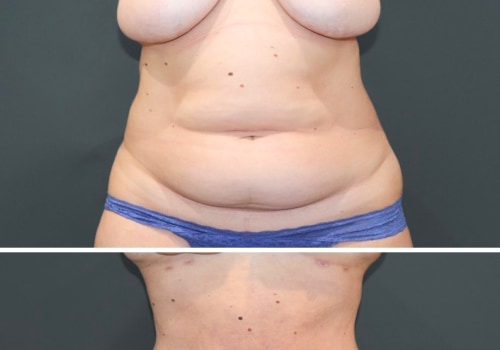
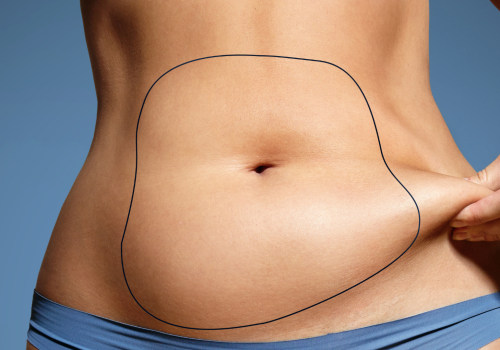
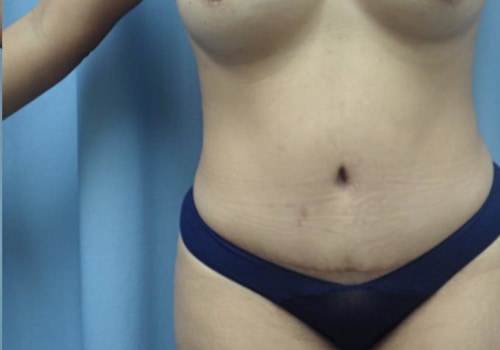
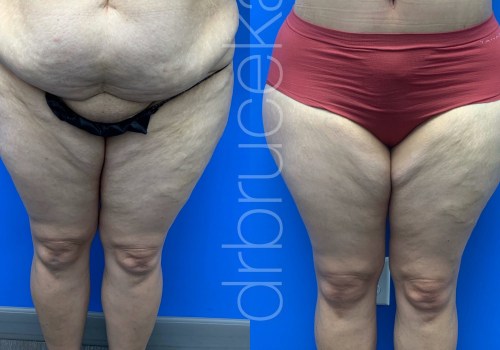
Liposuction is a cosmetic surgical procedure designed to remove excess fat from specific areas of the body, helping individuals achieve a more contoured and toned appearance. Over the years, it has gained immense popularity among those seeking to enhance their body shape, particularly in regions that are resistant to diet and exercise. This procedure is not merely about weight loss; rather, it focuses on sculpting the body by targeting stubborn fat deposits that can affect self-esteem and confidence.The appeal of liposuction lies in its ability to provide immediate results, allowing patients to see a noticeable difference in their body shape shortly after the procedure. Common areas treated include the abdomen, thighs, buttocks, arms, and neck.
As a minimally invasive option compared to traditional surgical methods, liposuction has become a go-to choice for many individuals looking to refine their physique without extensive recovery time.However, while the benefits of liposuction are significant, it is crucial to understand that this procedure is not without its risks. Potential complications can arise, including infection, scarring, and irregular contours. Therefore, it is essential for anyone considering liposuction to be well-informed about both the advantages and disadvantages associated with the surgery. By understanding what liposuction entails, individuals can make educated decisions that align with their health goals and expectations.
What is Liposuction?
Liposuction
is a cosmetic surgical procedure designed to remove excess fat deposits from specific areas of the body, helping to improve body contours and proportions.
It is not intended as a weight-loss solution but rather as a means to target stubborn fat that does not respond to diet and exercise.The procedure involves the use of a thin, hollow tube called a cannula , which is inserted through small incisions in the skin. The cannula is connected to a vacuum device that suction out the fat. This technique allows for precise removal of fat cells, resulting in smoother body contours.
How Liposuction Works
Liposuction typically begins with an initial consultation where the surgeon evaluates the patient’s health, discusses their goals, and determines the most suitable approach. The procedure can be performed under local or general anaesthesia, depending on the extent of fat removal and the areas being treated.Once anaesthesia is administered, the surgeon makes small incisions in the targeted areas.Through these incisions, the cannula is inserted, and fat is gently suctioned out. The surgeon carefully sculpts the area to achieve a natural-looking result. The duration of the procedure can vary based on the amount of fat being removed and the number of areas being treated.
Types of Liposuction
There are several types of liposuction techniques available, each with its unique advantages:- Tumescent Liposuction:Tumescent Liposuction: This is the most common technique, where a solution containing saline, anaesthetic, and epinephrine is injected into the fatty tissue before suctioning. This helps to minimise bleeding and pain.
- Ultrasound-Assisted Liposuction (UAL): This method uses ultrasound energy to liquefy fat cells before they are removed.
It can be particularly effective for fibrous areas of the body.
- Laser-Assisted Liposuction (LAL): Similar to UAL, this technique employs laser energy to melt fat cells, making them easier to remove while also promoting skin tightening.
- Suction-Assisted Liposuction (SAL): This traditional method relies solely on suction without any additional techniques to assist in fat removal.
The Benefits of Liposuction
Liposuction offers a range of benefits that extend beyond mere aesthetic improvements. For many individuals, the decision to undergo this procedure is driven by a desire for enhanced body contours and increased self-confidence. Below, we explore the various advantages associated with liposuction.Aesthetic Improvements
One of the most significant benefits of liposuction is its ability to sculpt and refine the body’s shape. This procedure effectively targets stubborn fat deposits that are often resistant to diet and exercise.Common areas for treatment include:
- Abdomen
- Thighs
- Hips
- Arms
- Back
- Neck and chin
Psychological Benefits
The psychological impact of liposuction should not be underestimated. Many patients report a significant boost in self-esteem and confidence following the procedure. This newfound confidence can positively influence various aspects of life, including:- Social interactions
- Professional opportunities
- Personal relationships
Potential Health Advantages
While liposuction is primarily viewed as a cosmetic procedure, it can also offer certain health benefits. For instance, by reducing excess fat, patients may experience:- Improved mobility and physical activity levels
- Lower risk of obesity-related conditions such as diabetes and heart disease
- Enhanced metabolic function
From aesthetic enhancements to psychological upliftment and potential health improvements, liposuction can be a transformative experience for many individuals seeking to improve their body image and overall well-being.
Potential Risks and Complications
When considering liposuction, it is crucial to understand the potential risks and complications that may arise from the procedure. While many patients achieve satisfactory results, being informed about these risks can help you make a more educated decision regarding your health and body.Common Risks Associated with Liposuction
- Infection: As with any surgical procedure, there is a risk of infection at the incision sites. Proper aftercare and following your surgeon's instructions can help mitigate this risk.
- Bleeding: Excessive bleeding during or after the procedure can occur, which may require additional medical intervention. It is essential to discuss any blood-thinning medications you are taking with your surgeon prior to surgery.
- Fluid Accumulation: Post-operative fluid accumulation, known as seroma, can occur in the treated areas.
This may require drainage to prevent complications.
- Numbness or Changes in Sensation: Some patients experience temporary or permanent numbness in the treated areas due to nerve damage during the procedure.
- Scarring: While surgeons aim to make incisions as discreet as possible, scarring is a potential outcome of liposuction. The extent of scarring can vary based on individual healing processes and skin types.
Serious Complications
In rare cases, liposuction can lead to more severe complications, including:
- Pulmonary Embolism: This life-threatening condition occurs when fat enters the bloodstream and travels to the lungs, causing blockages.
- Organ Damage: If not performed correctly, liposuction can inadvertently damage internal organs, leading to serious health issues.
- Anesthesia Risks: Reactions to anesthesia can occur, which may lead to complications during or after surgery. Discussing your medical history with your anaesthetist is vital for minimising these risks.
Post-Operative Considerations
After undergoing liposuction, patients should be aware of potential side effects such as swelling, bruising, and discomfort in the treated areas. These symptoms are typically temporary but can vary in duration and intensity among individuals.
Following your surgeon's post-operative care instructions is essential for a smooth recovery and minimising complications.Ultimately, while liposuction can provide significant aesthetic benefits, it is essential to weigh these against the potential risks and complications. Consulting with a qualified plastic surgeon who can provide personalised advice based on your health history and goals is crucial for making an informed decision. can provide significant aesthetic benefits, it is essential to weigh these against the potential risks and complications. Consulting with a qualified plastic surgeon who can provide personalised advice based on your health history and goals is crucial for making an informed decision.
Who is a Suitable Candidate for Liposuction?
Determining whether you are a suitable candidate for liposuction involves understanding various factors that contribute to the effectiveness and safety of the procedure. While liposuction can be an excellent option for many individuals seeking to enhance their body contours, it is not universally appropriate for everyone.1.Ideal Body Weight and Composition
- One of the primary considerations is that candidates should be close to their ideal body weight. Liposuction is not a weight-loss solution but rather a body contouring procedure.
Individuals who are significantly overweight may not achieve the desired results and could face higher risks during surgery.
- Moreover, candidates should have localized fat deposits that are resistant to diet and exercise. This means that even with a healthy lifestyle, certain areas may remain stubbornly fatty, making them ideal targets for liposuction.
2.Skin Elasticity
- Another critical factor is skin elasticity. Candidates with good skin elasticity are more likely to experience positive outcomes post-surgery, as their skin can better conform to the new body shape after fat removal. Conversely, individuals with poor skin elasticity may find that their skin does not tighten adequately, leading to sagging.
- This is particularly relevant for older patients or those who have undergone significant weight loss, as their skin may have lost some of its natural firmness.
3.Overall Health Status
- Candidates should be in good overall health, free from chronic conditions such as diabetes or heart disease that could complicate surgery or recovery.
A thorough medical evaluation is essential to ensure that any underlying health issues are managed appropriately.
- Additionally, non-smokers tend to have better healing outcomes compared to smokers, as smoking can impair blood flow and delay recovery.
4.Realistic Expectations
- Finally, suitable candidates must possess realistic expectations regarding the results of liposuction. While the procedure can significantly improve body contours, it is essential to understand that it cannot address issues such as cellulite or stretch marks.
- Candidates should also be prepared for the recovery process and understand that achieving optimal results may take time as swelling subsides and the final shape becomes apparent.
Preparing for Liposuction: What to Expect
Preparing for liposuction is a crucial step in ensuring a successful outcome. Understanding what to expect and following pre-operative guidelines can significantly enhance your experience and results.Here’s a comprehensive guide to help you prepare effectively.
Pre-Operative Instructions
- Consultation: Before the procedure, you will have a detailed consultation with your surgeon. This is the time to discuss your goals, medical history, and any concerns you may have. Be honest about your health and lifestyle, as this information is vital for your safety.
- Medical Evaluation: Your surgeon may require a physical examination and lab tests to ensure you are fit for surgery. This could include blood tests or imaging studies, depending on your individual health needs.
- Avoid Certain Medications: It is essential to avoid blood-thinning medications such as aspirin, ibuprofen, and certain herbal supplements at least two weeks before the surgery.
These can increase the risk of bleeding during and after the procedure.
- Smoking Cessation: If you smoke, it is highly recommended to quit at least four weeks prior to surgery. Smoking can impair healing and increase the risk of complications.
- Dietary Adjustments: Maintain a balanced diet leading up to your surgery. Staying hydrated and eating nutritious foods can help your body prepare for the procedure.
What to Expect on Surgery Day
The day of your liposuction procedure will be carefully planned to ensure everything goes smoothly:
- Arrival: Arrive at the surgical facility on time. You may be asked to change into a surgical gown and will be briefed on the procedure by the medical staff.
- Anesthesia: Depending on the extent of your liposuction, local or general anesthesia will be administered.
Your surgeon will discuss which option is best for you during your consultation.
- The Procedure: Liposuction typically lasts between one to three hours, depending on the areas being treated. Your surgeon will make small incisions in the targeted areas and use a cannula to remove excess fat.
- Post-Operative Care: After the procedure, you will be monitored in a recovery area. It’s common to experience some swelling and discomfort, which can be managed with prescribed medications.
The Recovery Process After Liposuction
Recovering from liposuction is a crucial phase that can significantly influence the overall results of the procedure.Understanding the recovery process, including expected downtime and post-operative care, is essential for a smooth transition back to daily activities.Immediately following the surgery, patients can expect to experience some swelling, bruising, and discomfort in the treated areas. These symptoms are normal and typically subside over time. Most individuals are advised to take approximately one week off work to allow their bodies to begin healing. However, this timeline can vary based on the extent of the procedure and individual health factors.
Post-Operative Care Tips
- Follow Your Surgeon’s Instructions: Adhering to the specific guidelines provided by your surgeon is vital.
This may include wearing compression garments to help reduce swelling and support the healing process.
- Manage Pain and Discomfort: Over-the-counter pain relief medications or prescribed painkillers can help manage discomfort. Always consult your surgeon before taking any medication.
- Stay Hydrated: Drinking plenty of fluids aids in recovery and helps flush out toxins from the body.
- Avoid Strenuous Activities: It is crucial to refrain from heavy lifting or vigorous exercise for at least four to six weeks post-surgery. Gentle walking is encouraged to promote circulation.
- Monitor Your Incisions: Keep an eye on your surgical sites for any signs of infection, such as increased redness, swelling, or discharge. Contact your surgeon if you notice any concerning symptoms.
Initial swelling may peak within the first few days and then gradually decrease over several weeks. Most patients will notice significant improvements in their shape within three months, although final results may take up to six months to fully manifest as residual swelling resolves.In summary, while the recovery process after liposuction requires patience and care, understanding what to expect can help ease anxiety and promote a successful healing journey. By following your surgeon's advice and being attentive to your body’s signals, you can optimise your recovery experience.
Long-term Results and Maintenance After Liposuction
After undergoing liposuction, many patients are eager to see the long-term results of their procedure. While liposuction can effectively remove stubborn fat deposits, it is essential to understand that the results are not permanent unless accompanied by a commitment to a healthy lifestyle.The initial results of liposuction can be quite dramatic, with patients often noticing a significant change in their body shape shortly after the swelling subsides.However, the longevity of these results largely depends on individual factors such as genetics, age, and most importantly, lifestyle choices made post-surgery.
Maintaining Results After Liposuction
To maintain the new body shape achieved through liposuction, patients should consider implementing several lifestyle changes:- Balanced Diet: Adopting a nutritious diet rich in fruits, vegetables, lean proteins, and whole grains is crucial. Avoiding processed foods and excessive sugars can help prevent weight gain.
- Regular Exercise: Engaging in regular physical activity is vital for maintaining weight loss. A combination of cardiovascular exercises and strength training can help keep the body toned and prevent fat from returning.
- Hydration: Drinking plenty of water aids in metabolism and helps maintain skin elasticity, which is important for keeping the body looking its best after surgery.
- Avoiding Smoking and Excessive Alcohol: Both smoking and heavy drinking can negatively impact skin health and overall recovery, making it harder to maintain results.
By making informed choices regarding diet and exercise, patients can enjoy their new shape for years to come.
Frequently Asked Questions About Liposuction
When considering liposuction, potential patients often have numerous questions and concerns. Addressing these can help demystify the procedure and provide clarity on what to expect.What is liposuction?
Liposuction is a cosmetic surgical procedure designed to remove excess fat deposits from specific areas of the body. It is not a weight-loss solution but rather a method to contour and shape the body, targeting stubborn fat that does not respond to diet and exercise.Who is an ideal candidate for liposuction?
The best candidates for liposuction are individuals who are close to their ideal body weight, have good skin elasticity, and are in overall good health. It is essential for candidates to have realistic expectations about the results, understanding that liposuction can enhance body shape but not necessarily lead to significant weight loss.What areas can be treated with liposuction?
Liposuction can be performed on various parts of the body, including:- Abdomen
- Thighs
- Hips
- Arms
- Back
- Chin and neck
What are the risks associated with liposuction?
As with any surgical procedure, there are risks involved.Common risks include:
- Infection: Though rare, infections can occur at the incision sites.
- Numbness: Some patients may experience temporary or permanent numbness in the treated areas.
- Sagging skin: If too much fat is removed or if skin elasticity is poor, sagging may occur.
- Irregular contours: Uneven results can happen if fat is not evenly distributed during the procedure.
How long is the recovery period?
The recovery time after liposuction varies by individual and the extent of the procedure. Most patients can return to normal activities within a week, although some swelling and bruising may persist for several weeks. Full results typically become visible after three to six months as swelling subsides.Will I have visible scars after liposuction?
Liposuction incisions are generally small and strategically placed to minimise visible scarring. However, all surgical procedures carry some risk of scarring, which can fade over time.If you have further questions or concerns about liposuction, it is advisable to consult with a qualified plastic surgeon who can provide personalised information based on your unique situation.Conclusion: Making an Informed Decision About Liposuction
In conclusion, the decision to undergo liposuction is not one to be taken lightly.It is essential to weigh both the potential benefits and risks associated with this popular cosmetic procedure. As discussed throughout this article, liposuction can offer significant advantages, such as improved body contouring and enhanced self-esteem. However, it is equally important to acknowledge the possible complications and challenges that may arise.Before making a final decision, consider the following key points:
- Understanding the Procedure: Familiarise yourself with how liposuction works, including the different techniques available and what to expect during the surgery.
- Realistic Expectations: Set achievable goals for your body image post-surgery. Liposuction is not a weight-loss solution but rather a method to target specific areas of stubborn fat.
- Consultation with a Qualified Surgeon: Seek advice from a board-certified plastic surgeon who can provide personalised recommendations based on your health history and aesthetic goals.
- Awareness of Risks: Be informed about the potential risks, including infection, scarring, and skin irregularities.
Understanding these risks will help you make a more informed choice.
- Post-Operative Care: Prepare for the recovery process by understanding what is involved in post-operative care and how long it may take to see the final results.