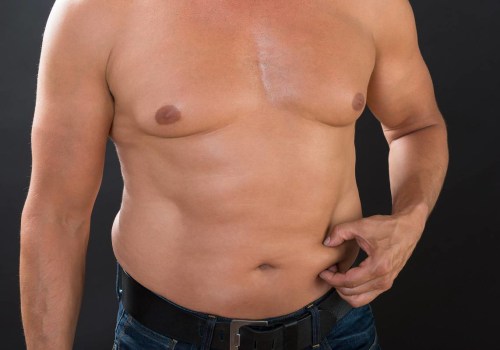
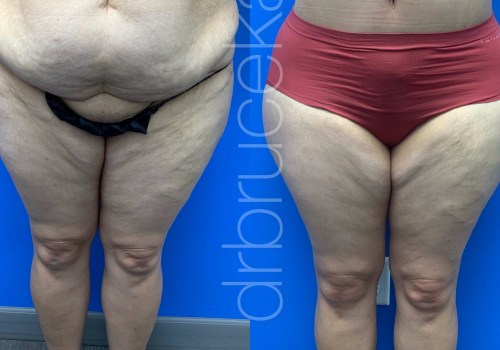
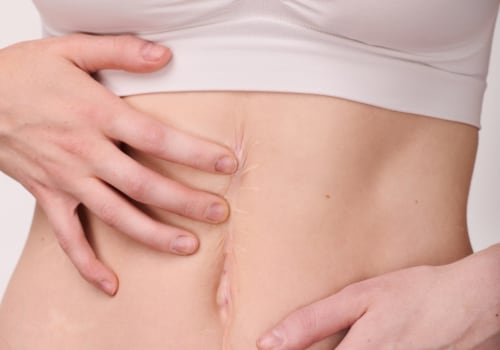
Liposuction is a popular cosmetic procedure designed to sculpt and refine the body by removing stubborn fat deposits that are resistant to diet and exercise. Many individuals seek this treatment with the hope of achieving a more contoured physique, often envisioning immediate results following the surgery. However, it is essential to understand that the journey to your desired body shape is not always instantaneous. In fact, many patients find themselves grappling with unmet expectations in the days and weeks following their procedure.One of the primary reasons for this disconnect between expectation and reality lies in the body's natural healing process. Liposuction is a popular cosmetic procedure designed to sculpt and refine the body by removing stubborn fat deposits that are resistant to diet and exercise. Many individuals seek this treatment with the hope of achieving a more contoured physique, often envisioning immediate results following the surgery. However, it is essential to understand that the journey to your desired body shape is not always instantaneous. In fact, many patients find themselves grappling with unmet expectations in the days and weeks following their procedure.One of the primary reasons for this disconnect between expectation and reality lies in the body's natural healing process.
After undergoing liposuction, it is common to experience swelling, bruising, and discomfort, which can obscure the initial results. This temporary phase can lead to feelings of frustration and disappointment, as individuals may feel that their efforts have not yielded the anticipated outcomes. Understanding this aspect of recovery is crucial for managing expectations and fostering a positive mindset during the healing journey.Moreover, the type of liposuction technique employed can also influence the timeline for visible results. Different methods may have varying recovery times and effects on swelling, which can further complicate how soon one might see changes in their body shape.
Therefore, it is vital for patients to engage in open discussions with their surgeons about what to expect post-procedure, including realistic timelines for recovery and results.In addition to understanding the physical aspects of recovery, adhering to post-liposuction care instructions is paramount. Following your surgeon's guidelines regarding activity levels, compression garments, and follow-up appointments can significantly impact your healing process and ultimate satisfaction with the results. By prioritising these elements, you can enhance your chances of achieving the body contour you desire while navigating the complexities of recovery with greater ease.
Understanding the Liposuction Procedure
Liposuction is a popular cosmetic procedure designed to remove stubborn fat deposits from various areas of the body. It is not a weight loss solution but rather a method to enhance body contours and improve overall shape.Understanding the liposuction procedure is crucial for anyone considering this treatment, as it helps set realistic expectations regarding results and recovery.The liposuction process typically begins with a consultation where the surgeon evaluates the patient’s health, discusses aesthetic goals, and determines the most suitable technique. There are several types of liposuction techniques, each with its unique approach:
- Tumescent Liposuction:Tumescent Liposuction: This is the most common technique, where a saline solution mixed with anaesthetic and epinephrine is injected into the targeted area. This solution helps to numb the area and reduce bleeding. The surgeon then makes small incisions to insert a cannula, which is used to suction out the fat.
- Ultrasound-Assisted Liposuction (UAL): In this method, ultrasound waves are used to liquefy fat cells before they are removed.
This technique can be particularly effective for fibrous areas of the body, such as the back or male breast tissue.
- Laser-Assisted Liposuction (LAL): Similar to UAL, this technique uses laser energy to melt fat before suctioning it out. It can also promote skin tightening due to the heat generated during the procedure.
- Power-Assisted Liposuction (PAL):Power-Assisted Liposuction (PAL): This technique employs a vibrating cannula that makes fat removal easier and less traumatic for surrounding tissues, potentially leading to quicker recovery times.
Patients may experience swelling and bruising, which can obscure initial results but typically subside within weeks. Following your surgeon's post-operative instructions will aid in achieving the best possible outcome.In summary, understanding what liposuction entails—from its various techniques to the procedural details—can empower patients to make informed decisions about their body contouring journey.
The Healing Process After Liposuction
Understanding the healing process after liposuction is crucial for anyone considering this procedure. While the prospect of a slimmer figure is exciting, it’s important to recognise that the journey to achieving your desired results involves a significant recovery period. Immediately following the surgery, your body will undergo various changes as it begins to heal.One of the most common experiences during the recovery phase is swelling.This is a natural response of your body to the surgical trauma and can obscure the results you are eager to see. Swelling typically peaks within the first few days post-surgery and can last for several weeks. It’s essential to understand that this swelling can make it seem as though no fat has been removed, leading to feelings of frustration.In addition to swelling, bruising is another common occurrence after liposuction. Bruising can vary in intensity depending on the individual and the extent of the procedure.
Like swelling, bruising is part of your body’s healing process and will gradually fade over time. It’s important to be patient as both swelling and bruising subside, revealing the true results of your liposuction.During this recovery period, adhering to your surgeon's post-operative instructions is vital. This may include wearing a compression garment, which helps reduce swelling and supports your new body contours. Compression garments can also aid in minimising discomfort and promoting circulation, which is beneficial for healing.As you progress through your recovery, you may start noticing gradual changes in your body shape.
Typically, significant improvements become visible around three months post-surgery when most of the swelling has dissipated. However, it’s important to remember that every individual heals at their own pace; some may see results sooner while others may take longer.In summary, while the healing process after liposuction can be challenging due to swelling and bruising, understanding these aspects can help manage expectations. Patience is key during this time, as your body works diligently to recover and reveal the results you’ve been looking forward to.
Factors Influencing Liposuction Results
When considering liposuction, it is essential to understand that various factors can significantly influence the results of the procedure. Each individual's body is unique, and these differences can affect how effectively fat is removed and how the body heals post-surgery.Body Type
Your body type plays a crucial role in determining the outcome of liposuction.
Different body shapes, such as apple, pear, or hourglass, respond differently to fat removal. For instance, individuals with a pear-shaped body may notice more pronounced changes in their lower body after the procedure, while those with an apple shape might see more significant results in their abdominal area. Understanding your body type can help set realistic expectations for the areas that will benefit most from liposuction.
Amount of Fat Removed
The volume of fat removed during the procedure is another critical factor. Generally, the more fat that is extracted, the more noticeable the results will be.
However, there are limits to how much fat can be safely removed in one session. Exceeding these limits can lead to complications and negatively impact your overall health. Therefore, it’s vital to have a thorough consultation with your surgeon to discuss your goals and determine a safe amount of fat removal that aligns with your desired outcomes.
Individual Healing Rates
Each person heals at their own pace, influenced by factors such as age, overall health, and lifestyle choices. Younger individuals often experience quicker recovery times compared to older patients.
Additionally, those who maintain a healthy diet and engage in regular exercise may find that their bodies heal faster and show results sooner. It’s important to follow your surgeon's post-operative care instructions diligently to optimise healing and enhance your results.
Skin Elasticity
The elasticity of your skin also plays a significant role in how well your body adapts after liposuction. Patients with good skin elasticity may notice smoother contours post-surgery, while those with less elastic skin might experience sagging or irregularities in their body shape. Factors such as age and genetics can affect skin elasticity; therefore, discussing these aspects with your surgeon can provide insight into what you can expect after the procedure.In summary, understanding these factors—body type, amount of fat removed, individual healing rates, and skin elasticity—can help you set realistic expectations for your liposuction results.
By being informed and working closely with your surgeon, you can achieve a more satisfying outcome that aligns with your aesthetic goals.
Common Misconceptions About Liposuction
Liposuction is often surrounded by a cloud of misconceptions that can lead to unrealistic expectations and disappointment. Understanding what liposuction can and cannot do is crucial for anyone considering this procedure. Here, we will clarify some of the most common myths associated with liposuction.- Liposuction is a weight loss solution: One of the biggest misconceptions is that liposuction is a method for significant weight loss. In reality, liposuction is designed to target specific areas of stubborn fat that are resistant to diet and exercise.
It is not intended for those who are significantly overweight or looking to lose large amounts of weight.
- Liposuction results are immediate: Many patients expect to see instant results after their procedure. However, it’s important to understand that swelling and bruising are common post-operative effects that can obscure the final results. It may take several weeks or even months for the true outcome to become visible as your body heals.
- Liposuction can eliminate cellulite: Another prevalent myth is that liposuction can effectively treat cellulite. While it may improve the appearance of certain areas, it does not specifically target cellulite, which is caused by structural changes in the skin and underlying fat.
- Anyone can undergo liposuction: Not everyone is a suitable candidate for liposuction.
Factors such as overall health, skin elasticity, and specific body types play a significant role in determining eligibility. A thorough consultation with a qualified surgeon is essential to assess whether you are a good candidate.
- Liposuction is a substitute for a healthy lifestyle: Some individuals believe that they can maintain an unhealthy lifestyle post-liposuction because the fat has been removed. This is misleading; maintaining a balanced diet and regular exercise is crucial for sustaining the results achieved through liposuction.
Consulting with a qualified plastic surgeon will provide you with tailored advice and insights into what liposuction can truly achieve for your body.
When to Expect Visible Results from Liposuction
Understanding the timeline for visible results after liposuction is essential for managing expectations and ensuring a positive recovery experience. While many patients hope to see immediate changes, the reality is that the body requires time to heal and adjust post-surgery.Immediately following the procedure, it is common to experience swelling and bruising, which can obscure the initial results. This is a normal part of the healing process and can last for several weeks. Typically, patients may notice some changes in their body shape within the first few weeks, but these changes are often subtle due to residual swelling.Here’s a general timeline of what to expect:
- First Week: During this period, swelling and bruising are at their peak.
Most patients will not see significant changes in their body shape yet.
- Weeks 2-4: As the swelling begins to subside, you may start to notice some initial improvements in your contour. However, it’s important to remember that full recovery is still underway.
- 1-3 Months: By this time, many patients begin to see more noticeable results as the swelling continues to decrease. The final shape of your body will start to emerge, and clothing may fit differently.
- 3-6 Months: Most individuals will see significant changes in their body contour during this period. The skin will continue to tighten, and any remaining swelling should be minimal.
- 6-12 Months: The final results of your liposuction procedure will typically be evident by the six-month mark.
At this stage, your body should have fully healed, revealing the smooth contours achieved through surgery.
With time and proper care, you will be able to enjoy the full benefits of your procedure.
Post-Operative Care Tips for Optimal Results
After undergoing liposuction, the journey to achieving your desired body shape continues with proper post-operative care. Following these essential tips can significantly enhance your recovery and the overall results of the procedure.- Follow Your Surgeon’s Instructions: Adhering to the specific guidelines provided by your surgeon is crucial. This includes taking prescribed medications, attending follow-up appointments, and following any dietary recommendations.
- Manage Swelling: Swelling is a common side effect after liposuction. To help reduce it, consider wearing a compression garment as advised.
This not only aids in minimising swelling but also helps your skin conform to its new shape.
- Stay Hydrated: Drinking plenty of water is vital for your recovery. Hydration helps flush out toxins from your body and can assist in reducing swelling.
- Rest and Recovery: Allow your body ample time to heal. While light activities can be beneficial, avoid strenuous exercise or heavy lifting for at least a few weeks post-surgery. Listen to your body and rest when needed.
- Healthy Eating: Focus on a balanced diet rich in fruits, vegetables, lean proteins, and whole grains.
Avoid processed foods and excessive sugar, as these can hinder your recovery and results.
- Gentle Movement: Once cleared by your surgeon, engage in gentle movements or light walking. This promotes circulation and can aid in the healing process without putting too much strain on your body.
- Avoid Smoking and Alcohol: Both smoking and alcohol can impede healing. It’s advisable to refrain from these substances during your recovery period to ensure optimal results.
- Monitor Your Progress: Keep track of any changes in your body shape and report any concerns to your surgeon. Understanding what is normal during recovery can help alleviate anxiety about the results.
Remember that patience is key; the final results will become more apparent as you continue to heal.
Consulting with Your Surgeon: Key Questions to Ask
When considering liposuction, effective communication with your surgeon is crucial. Engaging in a thorough discussion can help alleviate concerns and set realistic expectations. Here are some essential questions to ask during your consultation:- What is your experience with liposuction?Understanding your surgeon's qualifications and experience is vital. Ask how many liposuction procedures they have performed and their specific training in this area.
- What technique do you recommend for me?There are various liposuction techniques, such as tumescent, ultrasound-assisted, or laser-assisted liposuction.
Inquire about the method your surgeon prefers and why it is suitable for your body type and goals.
- What results can I realistically expect?Discussing expected outcomes is essential. Your surgeon should provide before-and-after photos of previous patients to give you a visual understanding of potential results.
- What are the risks and complications associated with the procedure?Every surgical procedure carries risks. Ensure you understand the possible complications, such as infection, scarring, or uneven results, and how they will be managed.
- What is the recovery process like?Recovery can vary significantly from person to person. Ask about the typical timeline for healing, when you can return to normal activities, and any specific post-operative care you will need.
- How will you manage my pain and discomfort?Pain management is an important aspect of recovery.
Discuss what medications or techniques will be used to ensure your comfort during the healing process.
- What should I do if I have concerns after the procedure?Knowing how to reach your surgeon post-operatively is crucial. Ask about follow-up appointments and what steps to take if you experience any issues or have questions during your recovery.
Conclusion: Embracing Patience in Your Liposuction Journey
In conclusion, the journey following your liposuction procedure is one that requires not only physical recovery but also a significant amount of emotional resilience. It is essential to understand that the results of liposuction do not manifest overnight.Instead, they unfold gradually as your body heals and adjusts to the changes made during the surgery.Throughout this article, we have explored various factors that contribute to the delayed visibility of results post-liposuction. From swelling and bruising to the type of technique employed, each element plays a crucial role in your recovery timeline. It is vital to remember that:
- Swelling is Normal: The body’s natural response to surgery includes inflammation, which can obscure the final results for several weeks.
- Healing Takes Time: Each individual’s healing process varies; patience is key as your body works to recover.
- Liposuction is Not Weight Loss: This procedure targets stubborn fat deposits rather than serving as a weight-loss solution, so changes in body shape may be more noticeable than changes on the scale.
These practices not only support your recovery but also enhance the final outcomes of your liposuction.Ultimately, embracing patience during this transformative time will lead you to appreciate the results even more. As the weeks pass and your body continues to heal, you will begin to see the contours and shape you envisioned. Trust in the process, and allow yourself to enjoy this journey towards a more confident you.