Liposuction is a popular cosmetic procedure designed to reshape and contour the body by removing excess fat deposits. This surgical technique is particularly appealing to individuals who struggle with stubborn areas of fat that do not respond to diet and exercise. While many people associate liposuction with significant weight loss, its primary purpose is to enhance body contours rather than serve as a weight reduction method. Understanding this distinction is crucial for anyone considering the procedure, as it sets realistic expectations regarding outcomes, including potential changes in clothing size.
As individuals embark on their journey towards body transformation, they often seek solutions that not only improve their appearance but also boost their confidence, such as through a skincare affiliate program.Liposuction can play a vital role in achieving these goals by targeting specific areas of the body, such as the abdomen, thighs, and arms, where fat tends to accumulate. By sculpting these regions, patients can achieve a more balanced and proportionate figure, which may lead to a change in clothing size. However, it is essential to recognise that the relationship between liposuction and clothing size is not straightforward; various factors influence the final results.Factors such as overall body composition, skin elasticity, and muscle tone significantly impact how liposuction affects an individual's clothing size. For instance, someone with a higher percentage of As individuals embark on their journey towards body transformation, they often seek solutions that not only improve their appearance but also boost their confidence, such as through a skincare affiliate program. Liposuction can play a vital role in achieving these goals by targeting specific areas of the body, such as the abdomen, thighs, and arms, where fat tends to accumulate. By sculpting these regions, patients can achieve a more balanced and proportionate figure, which may lead to a change in clothing size. However, it is essential to recognise that the relationship between liposuction and clothing size is not straightforward; various factors influence the final results.Factors such as overall body composition, skin elasticity, and muscle tone significantly impact how liposuction affects an individual's clothing size. For instance, someone with a higher percentage of body fat may experience a more noticeable reduction in dress size compared to someone closer to their ideal weight. As individuals embark on their journey towards body transformation, they often seek solutions that not only improve their appearance but also boost their confidence, such as through a skincare affiliate program. Liposuction can play a vital role in achieving these goals by targeting specific areas of the body, such as the abdomen, thighs, and arms, where fat tends to accumulate. By sculpting these regions, patients can achieve a more balanced and proportionate figure, which may lead to a change in clothing size. However, it is essential to recognise that the relationship between liposuction and clothing size is not straightforward; various factors influence the final results.Factors such as overall body composition, skin elasticity, and muscle tone significantly impact how liposuction affects an individual's clothing size. For instance, someone with a higher percentage of body fat may experience a more noticeable reduction in dress size compared to someone closer to their ideal weight.
Additionally, the amount of fat removed during the procedure varies depending on the treatment area and individual goals. Therefore, while liposuction can lead to a decrease in clothing size for some patients, others may find that their size remains relatively unchanged despite visible improvements in body shape.Ultimately, liposuction serves as a powerful tool for body contouring, allowing individuals to achieve their desired aesthetic goals. By understanding its purpose and potential outcomes, patients can make informed decisions about whether this procedure aligns with their personal aspirations for body image and self-esteem.
What is Liposuction?
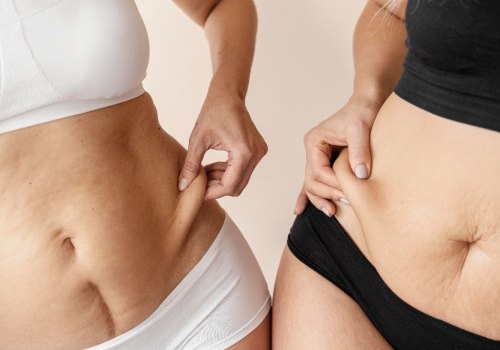
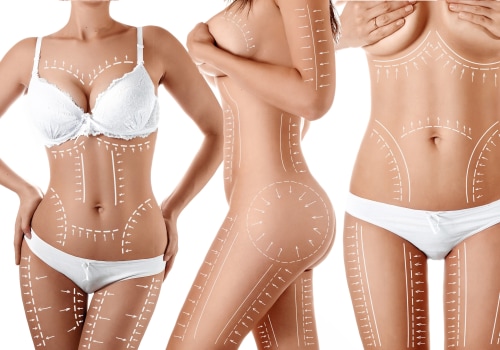
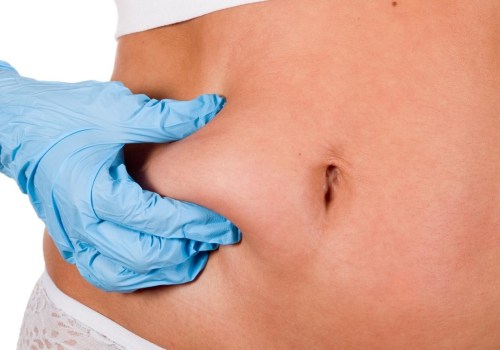
Liposuction is a popular cosmetic surgical procedure designed to remove excess fat from specific areas of the body, helping to sculpt and enhance the overall body contour. It is important to understand that liposuction is not a weight loss solution; rather, it is intended for individuals who are close to their ideal weight but struggle with stubborn fat deposits that do not respond to diet and exercise.The liposuction procedure typically begins with a consultation where the surgeon evaluates the patient’s health, discusses their goals, and determines the most suitable technique.The procedure itself involves making small incisions in the targeted areas, through which a thin tube called a cannula is inserted. This cannula is used to suction out fat cells, resulting in a more contoured appearance.
Types of Liposuction
- Traditional Liposuction: This method uses a manual suction technique to remove fat. It is effective for larger areas but may require longer recovery times.
- Tumescent Liposuction:Tumescent Liposuction: In this technique, a solution containing saline, lidocaine, and epinephrine is injected into the fatty tissue before fat removal. This helps to reduce bleeding and pain during the procedure.
- VASER Liposuction:VASER Liposuction: Utilizing ultrasound technology, VASER liposuction breaks down fat cells before they are removed.
This method allows for more precise sculpting and can be less traumatic to surrounding tissues, leading to quicker recovery times.
- Laser-Assisted Liposuction: This technique employs laser energy to liquefy fat cells, making them easier to remove. It can also promote skin tightening due to the heat generated during the process.
Understanding the different types of liposuction and how each procedure works can help potential patients make informed decisions about their cosmetic goals.
The Relationship Between Liposuction and Clothing Size
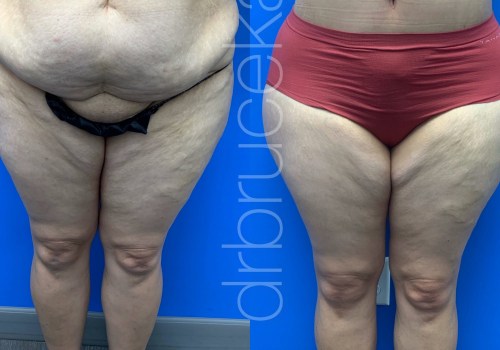
Liposuction is often perceived as a straightforward solution for achieving a smaller clothing size, but the reality is more nuanced. While the procedure effectively removes excess fat from targeted areas, the relationship between liposuction and clothing size is influenced by several factors beyond just fat removal.One of the primary considerations is body composition. This encompasses not only the amount of fat present but also muscle mass and bone structure. For instance, individuals with a higher muscle mass may find that even after significant fat removal, their clothing size does not change dramatically.This is because muscle is denser than fat, and a well-toned physique can maintain a similar overall size despite reductions in fat.Additionally, bone structure plays a crucial role in determining clothing size. People with broader shoulders or wider hips may find that their body shape remains relatively unchanged after liposuction, even if they lose a considerable amount of fat. This highlights the importance of having realistic expectations regarding the outcomes of the procedure.Moreover, the distribution of fat in the body can significantly affect how clothing fits post-surgery. Liposuction targets specific areas, such as the abdomen, thighs, or arms, and while it can create a more contoured appearance, it may not lead to an overall reduction in clothing size if other areas remain unchanged.
For example, someone may have a slimmer waist after liposuction but still wear the same dress size due to broader hips or a larger bust.It’s also essential to consider that liposuction is not a weight loss procedure; rather, it is designed to sculpt and enhance body shape. Therefore, while some patients may experience a drop in clothing size—typically around one to two sizes—others might not see any change at all. This variability underscores the need for thorough consultations with qualified plastic surgeons who can provide tailored advice based on individual body types and goals.In conclusion, while liposuction can lead to changes in body shape and potentially reduce clothing size, it is vital to understand that many factors contribute to these outcomes. A comprehensive approach that includes maintaining a healthy lifestyle post-procedure will further support achieving desired results.
Factors Influencing Clothing Size After Liposuction
When considering the impact of liposuction on clothing size, it is essential to understand that several factors come into play.These factors can significantly influence the final outcome, including overall body shape, muscle tone, skin elasticity, and individual differences in fat distribution.
Overall Body Shape
Your natural body shape plays a crucial role in determining how your body will respond to liposuction. For instance, individuals with an hourglass figure may notice a more pronounced change in their clothing size compared to those with a rectangular or apple-shaped body. This is because liposuction can enhance the natural curves of the body, leading to a more defined silhouette. However, it is important to remember that while liposuction can sculpt and contour, it does not drastically alter your fundamental body shape.
Muscle Tone
The condition of your muscles also affects how your body looks post-liposuction.
Individuals with higher muscle tone may experience a more toned appearance after fat removal, which can contribute to a smaller clothing size. Conversely, if muscle tone is lacking, the results may not be as dramatic. Engaging in regular strength training and exercise before and after the procedure can help improve muscle tone and enhance the overall aesthetic outcome.
Skin Elasticity
Another critical factor is skin elasticity. After liposuction, the skin needs to adapt to its new contours.
If your skin has good elasticity, it will retract more effectively after fat removal, leading to a smoother appearance and potentially smaller clothing size. However, if your skin lacks elasticity—often due to age or significant weight fluctuations—it may not conform as well to the new shape, which could affect how your clothing fits.
Individual Differences in Fat Distribution
Lastly, everyone has unique patterns of fat distribution that can influence the results of liposuction. Some individuals may store fat predominantly in their abdomen, while others may have more fat in their thighs or arms. The areas targeted during liposuction will determine how much fat is removed and how this impacts overall clothing size.
Therefore, understanding your body's specific fat distribution can help set realistic expectations for post-surgery results.In summary, while liposuction can lead to a reduction in clothing size for many individuals, various factors such as overall body shape, muscle tone, skin elasticity, and individual fat distribution must be considered. By acknowledging these elements, patients can better prepare for their journey and achieve satisfying results.
Realistic Expectations: What to Anticipate Post-Procedure
When considering liposuction, it is crucial for patients to have a clear understanding of what to expect in terms of results, particularly regarding changes in clothing size. While many individuals seek this procedure with the hope of achieving a significant reduction in their dress or trouser sizes, the reality can often be more nuanced.Firstly, it is essential to recognise that liposuction is primarily a body contouring procedure rather than a weight loss solution. The amount of fat that can be safely removed during the procedure varies based on individual factors such as body composition, the areas being treated, and overall health.As a result, while some patients may experience a noticeable change in their clothing size, others may find that the difference is less dramatic.On average, patients can expect to lose about one to two clothing sizes after undergoing liposuction. However, this does not guarantee that every individual will see such results. Factors influencing these outcomes include:
- Body Composition: Individuals with a higher percentage of body fat may notice more significant changes compared to those who are already closer to their ideal body weight.
- Targeted Areas: The specific areas treated during liposuction play a critical role in determining the final results. For instance, fat removal from the abdomen or thighs may lead to more noticeable changes than from smaller areas.
- Skin Elasticity: The condition of the skin and its ability to retract after fat removal can affect how well the new contours are defined.
Patients with good skin elasticity may see better results.
It may take several weeks for the body to heal fully and for the true effects of the surgery to become apparent.In conclusion, while liposuction can effectively sculpt and enhance body contours, it is important for patients to approach the procedure with realistic expectations regarding clothing size changes. Understanding these factors will help ensure a more satisfying outcome and foster a positive attitude towards post-operative recovery.
Maintaining Results: Lifestyle Changes After Liposuction
After undergoing liposuction, many patients are eager to maintain their newly sculpted body shape and clothing size. However, achieving lasting results requires a commitment to a healthy lifestyle. Here are some essential strategies to help you sustain your transformation:1.Embrace a Balanced Diet
Your diet plays a crucial role in maintaining your weight after liposuction.Focus on incorporating a variety of nutrient-dense foods into your meals:
- Fruits and Vegetables: Aim for at least five portions of fruits and vegetables each day. These foods are low in calories but high in vitamins, minerals, and fibre.
- Lean Proteins: Include sources such as chicken, fish, beans, and legumes to support muscle maintenance and repair.
- Healthy Fats: Opt for unsaturated fats found in avocados, nuts, and olive oil, which can help keep you satiated.
- Whole Grains: Choose whole grains over refined carbohydrates to provide sustained energy and improve digestion.
2.Stay Hydrated
Drinking plenty of water is vital for overall health and can aid in weight management. Aim for at least 2 litres of water daily to stay hydrated, support metabolism, and reduce cravings.3.Regular Exercise
Incorporating regular physical activity into your routine is essential for maintaining your results:- Aerobic Exercise: Engage in cardiovascular activities such as walking, running, cycling, or swimming for at least 150 minutes per week.
- Strength Training: Include resistance exercises at least twice a week to build muscle mass, which can help boost your metabolism.
- Flexibility and Balance: Activities like yoga or Pilates can improve flexibility and core strength while promoting relaxation.
4.Monitor Your Progress
Keep track of your weight and body measurements regularly. This will help you identify any changes early on and allow you to adjust your diet or exercise routine accordingly.5.Prioritise Self-Care
Caring for your mental and emotional well-being is just as important as physical health.Engage in activities that promote relaxation and reduce stress, such as meditation, reading, or spending time with loved ones.By adopting these lifestyle changes after liposuction, you can significantly enhance your chances of maintaining your results long-term. Remember that consistency is key; small, sustainable changes will lead to lasting success.
Common Myths About Liposuction and Clothing Size
Liposuction is often surrounded by a cloud of myths and misconceptions that can lead to unrealistic expectations among those considering the procedure. Understanding the truth behind these myths is crucial for anyone contemplating liposuction, especially regarding its impact on clothing size.Myth 1: Liposuction is a Weight Loss Solution
One of the most prevalent misconceptions is that liposuction is a weight loss procedure. In reality, liposuction is designed primarily for body contouring rather than significant weight reduction.
While it can remove fat from specific areas, the amount of fat removed typically does not equate to substantial weight loss. Patients should approach liposuction with the understanding that it is meant to sculpt and enhance their body shape rather than serve as a primary method for losing weight.
Myth 2: You Will Definitely Drop a Clothing Size
Another common belief is that undergoing liposuction will guarantee a drop in clothing size. While some patients may experience a reduction of one or two sizes, this outcome is not universal. Factors such as individual body composition, the areas treated, and overall skin elasticity play significant roles in determining how much clothing size may change post-procedure.
It’s essential for patients to have realistic expectations and understand that results can vary widely.
Myth 3: Liposuction Eliminates Fat Forever
Many people think that once fat cells are removed through liposuction, they will never regain weight in those areas. This is misleading; while liposuction removes fat cells, it does not prevent new fat from accumulating if lifestyle choices do not support a healthy weight. Maintaining results requires ongoing commitment to a balanced diet and regular exercise.
Myth 4: Liposuction is Suitable for Everyone
Liposuction is not a one-size-fits-all solution. It is most effective for individuals who are already close to their ideal body weight but struggle with stubborn fat deposits.
Those with significant obesity or health issues may not be suitable candidates for the procedure. Consulting with a qualified plastic surgeon can help determine if liposuction is appropriate based on individual health and body goals.In conclusion, debunking these myths about liposuction and its effects on clothing size can empower potential patients to make informed decisions. By understanding the realities of what liposuction can achieve, individuals can set realistic goals and expectations for their body transformation journey.Those with significant obesity or health issues may not be suitable candidates for the procedure. Consulting with a qualified plastic surgeon can help determine if liposuction is appropriate based on individual health and body goals.In conclusion, debunking these myths about liposuction and its effects on clothing size can empower potential patients to make informed decisions. By understanding the realities of what liposuction can achieve, individuals can set realistic goals and expectations for their body transformation journey.
FAQs About Liposuction and Clothing Size Changes
When considering liposuction, many potential patients have questions regarding the procedure and its effects on clothing size. Here, we address some of the most frequently asked questions to help clarify common concerns.1.Will I definitely lose a clothing size after liposuction?
While many patients hope to drop a clothing size following liposuction, it is essential to understand that results can vary significantly.The amount of fat removed during the procedure, as well as individual body composition, plays a crucial role in determining any changes in clothing size. On average, patients may expect to lose about one to two sizes, but this is not guaranteed for everyone.
2.How much fat can be removed during liposuction?
The quantity of fat that can be safely removed during liposuction depends on several factors, including the patient's overall health, body type, and the specific areas being treated. Typically, surgeons recommend removing no more than 5 litres of fat in a single session to ensure patient safety and optimal recovery.3.Can liposuction help with stubborn areas of fat?
Yes, liposuction is particularly effective for targeting stubborn fat deposits that are resistant to diet and exercise. Common areas include the abdomen, thighs, hips, and arms.By sculpting these areas, patients often achieve a more contoured appearance, which may lead to a change in clothing size.
4.What should I do to maintain my new clothing size after surgery?
To maintain your new clothing size post-liposuction, it is vital to adopt a healthy lifestyle that includes:- A balanced diet: Focus on whole foods rich in nutrients while limiting processed foods and sugars.
- Regular exercise: Incorporate both cardiovascular and strength training exercises into your routine.
- Hydration: Drink plenty of water to support overall health and metabolism.
5.Are there any risks associated with liposuction?
As with any surgical procedure, liposuction carries certain risks, including infection, scarring, and complications related to anaesthesia. It is crucial to discuss these risks with your surgeon during the consultation process to make an informed decision about your treatment.If you have further questions or concerns about liposuction and its impact on clothing size, consider scheduling a consultation with a qualified plastic surgeon who can provide personalised advice based on your unique situation.Conclusion: Embracing Your New Shape After Liposuction
As we conclude our exploration of liposuction and its impact on clothing size, it is essential to reflect on the journey that many individuals undertake when considering this procedure. Liposuction is not merely a means to an end; it is a transformative experience that can significantly enhance one’s self-image and confidence.Throughout this article, we have highlighted several key points regarding the relationship between liposuction and clothing size. Firstly, it is crucial to understand that while liposuction can lead to a reduction in fat and potentially a change in clothing size, it is not primarily a weight loss solution.The primary goal of liposuction is to sculpt and define the body, targeting specific areas where excess fat may be present.Moreover, we discussed how individual factors such as body composition, muscle tone, and skin elasticity play a significant role in determining the final results post-surgery. Each person’s body responds differently to liposuction, and as such, expectations should be managed realistically. It is not uncommon for patients to experience only a modest change in clothing size, even after significant fat removal.Embracing your new shape after liposuction involves more than just celebrating a smaller dress size. It requires a commitment to maintaining healthy lifestyle choices that support your new body contours.
Regular exercise and a balanced diet are vital components in preserving the results achieved through surgery.In addition, it is important to practice self-love and acceptance. The journey does not end with the procedure; rather, it marks the beginning of a new chapter in your life. Embracing your body as it is now can lead to greater confidence and satisfaction in your appearance.Ultimately, liposuction can be an empowering experience that allows individuals to take control of their bodies and enhance their self-esteem. By setting realistic expectations and focusing on holistic well-being, you can truly embrace your new shape and enjoy the benefits that come with it.