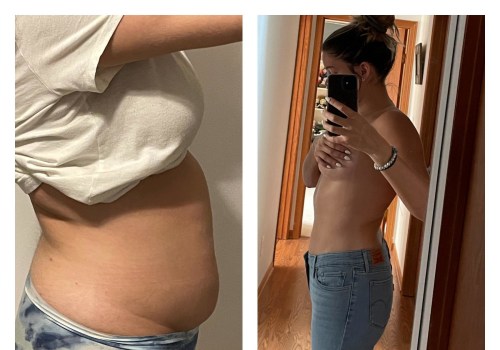
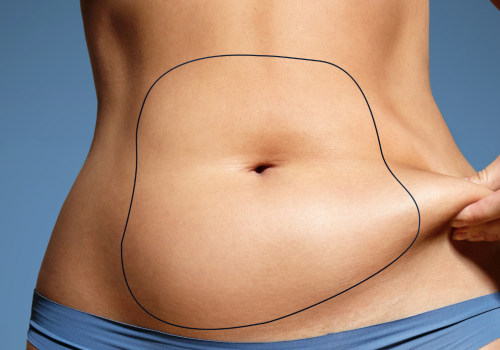
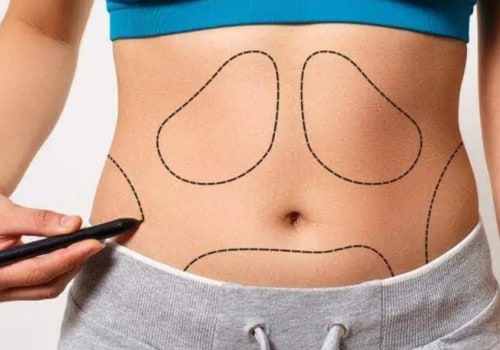
Liposuction is a popular cosmetic surgical procedure designed to remove stubborn fat deposits from various areas of the body. It is often sought after by individuals who struggle with localized fat that does not respond to diet and exercise. This procedure can help enhance body contours, leading to a more sculpted appearance. Understanding the intricacies of liposuction is essential for anyone considering this transformative option.The liposuction procedure involves the use of a thin tube called a cannula, which is inserted through small incisions in the skin.
This cannula is connected to a suction device that effectively removes excess fat from targeted areas. Common treatment zones include the abdomen, thighs, buttocks, arms, and neck. The technique allows for precise fat removal, resulting in smoother and more aesthetically pleasing body contours.While liposuction is often perceived as a weight-loss solution, it is crucial to understand that it is primarily a body contouring procedure. Ideal candidates are those who are close to their target weight but have specific areas of fat that are resistant to traditional weight loss methods. This cannula is connected to a suction device that effectively removes excess fat from targeted areas. Common treatment zones include the abdomen, thighs, buttocks, arms, and neck. The technique allows for precise fat removal, resulting in smoother and more aesthetically pleasing body contours.While liposuction is often perceived as a weight-loss solution, it is crucial to understand that it is primarily a body contouring procedure. Ideal candidates are those who are close to their target weight but have specific areas of fat that are resistant to traditional weight loss methods.
The results of liposuction can be long-lasting, provided that patients maintain a stable weight and adopt a healthy lifestyle post-procedure.In summary, liposuction offers individuals an opportunity to achieve their desired body shape by permanently removing fat cells from specific areas. As we delve deeper into the various aspects of liposuction throughout this article, we will explore its benefits, potential risks, and what one can expect during recovery. This foundational understanding will equip you with the knowledge needed to make informed decisions about your body and aesthetic goals.
The Science Behind Liposuction Results
Liposuction is a sophisticated surgical procedure that fundamentally alters the way fat is distributed in the body. Understanding the science behind liposuction results is crucial for anyone considering this transformative treatment.At its core, liposuction involves the removal of fat cells from specific areas, leading to a more contoured and aesthetically pleasing body shape.During the procedure, a plastic surgeon employs a technique that uses a cannula , which is a thin, hollow tube, to extract unwanted fat. This cannula is inserted through small incisions in the skin and is connected to a suction device that removes fat deposits. The process is not merely about sucking out fat; it requires precision and skill to ensure that the surrounding tissues remain intact and that the results are smooth and natural-looking.One of the most significant aspects of liposuction is its ability to permanently remove fat cells from targeted areas. Unlike weight loss achieved through diet and exercise, which can shrink fat cells but does not eliminate them, liposuction reduces the total number of fat cells in the treated regions.
This means that once these cells are removed, they do not regenerate. However, it is essential to understand that while liposuction can reshape your body, it does not prevent new fat cells from forming if you gain weight in the future.When patients maintain a stable weight post-procedure, they can enjoy long-lasting results. The key lies in adopting a healthy lifestyle that includes regular exercise and balanced nutrition. If weight gain occurs after liposuction, it typically happens in areas where fat cells were not removed, which can lead to an uneven appearance.Moreover, misconceptions about liposuction often arise from a lack of understanding of how fat loss works.
Many believe that liposuction is a quick fix for obesity or an alternative to weight loss methods. In reality, it is designed for individuals who are close to their ideal weight but struggle with stubborn fat deposits that resist diet and exercise efforts.In summary, the science behind liposuction results hinges on the permanent removal of fat cells from specific areas of the body. By understanding how this procedure works and committing to a healthy lifestyle post-surgery, patients can achieve and maintain their desired body shape effectively.
Types of Liposuction Procedures
Liposuction has evolved significantly over the years, leading to the development of various techniques tailored to meet individual needs and preferences. Understanding the different types of liposuction procedures can help potential patients make informed decisions about which method may be best suited for their body and goals.Tumescent Liposuction
Tumescent liposuction is one of the most commonly performed techniques today.This method involves injecting a sterile solution containing saline, lidocaine, and epinephrine into the targeted fat areas before the actual suctioning process begins. The saline solution helps to swell and firm the fat, making it easier to remove. The lidocaine provides local anaesthesia, ensuring that patients experience minimal discomfort during the procedure, while epinephrine constricts blood vessels, reducing bleeding and bruising.One of the primary advantages of tumescent liposuction is its safety profile. Because it uses local anaesthesia rather than general anaesthesia, patients often experience a quicker recovery time and fewer complications.
This technique is particularly effective for larger areas of fat removal, such as the abdomen, thighs, and hips.
Ultrasound-Assisted Liposuction (UAL)
Ultrasound-assisted liposuction employs sound waves to liquefy fat cells before they are suctioned out. This technique can be particularly beneficial for fibrous areas of the body where traditional liposuction may struggle to remove fat effectively. UAL is often used in conjunction with tumescent liposuction to enhance results.The ultrasound energy breaks down fat cells, making them easier to extract while also minimising damage to surrounding tissues. This method can lead to less bruising and swelling post-procedure.However, it is essential to note that UAL may not be suitable for all patients or body areas; it is typically recommended for specific cases where traditional methods may not yield optimal results.
Other Techniques
- Laser-Assisted Liposuction: Utilises laser energy to melt fat before removal, offering precision and potentially less downtime.
- Power-Assisted Liposuction (PAL): Involves a vibrating cannula that helps break up fat cells for easier extraction, making it suitable for larger volumes.
- Smart Lipo: A minimally invasive technique that combines laser technology with traditional liposuction methods.
What to Expect Before and After Liposuction
Preparing for liposuction is a crucial step that can significantly influence the outcome of your procedure. Prior to your surgery, your plastic surgeon will provide you with detailed instructions tailored to your individual needs. Here are some common preparations you should expect:- Medical Evaluation: A thorough medical assessment will be conducted to ensure you are a suitable candidate for liposuction.
This may include blood tests and a review of your medical history.
- Medication Adjustments: You may be advised to stop taking certain medications, such as blood thinners or anti-inflammatory drugs, to reduce the risk of complications during surgery.
- Dietary Changes: Maintaining a balanced diet leading up to the procedure can help optimise your body’s condition. Your surgeon may recommend specific dietary adjustments.
- Smoking Cessation: If you smoke, it is advisable to quit at least a few weeks before the surgery, as smoking can impede healing and increase the risk of complications.
- Arranging Post-Operative Care: It’s essential to have someone available to assist you after the procedure, as you may experience discomfort and will need help with daily activities.
- Initial Recovery: The first few days post-surgery are critical. You may experience swelling, bruising, and discomfort in the treated areas.
Pain management will be discussed with your surgeon, and prescribed medications should be taken as directed.
- Activity Restrictions: It’s important to limit physical activity for at least a week following the procedure. Strenuous exercise should be avoided until your surgeon gives you the green light.
- Follow-Up Appointments: Regular follow-up visits with your surgeon will be necessary to monitor your healing progress and address any concerns that may arise.
- Compression Garments: Wearing compression garments as instructed helps reduce swelling and supports the healing process by keeping the skin tight against the underlying tissues.
- Long-Term Care: As you heal, maintaining a healthy lifestyle through balanced nutrition and regular exercise is crucial for sustaining your results. While liposuction permanently removes fat cells from targeted areas, new fat can accumulate if weight is gained.
Maintaining Your Liposuction Results
After undergoing liposuction, many patients are eager to enjoy their newly contoured bodies.However, achieving and maintaining these results requires a commitment to a healthy lifestyle and effective weight management strategies. Here are some essential tips to help you maintain your liposuction results:
- Adopt a Balanced Diet: Focus on consuming a diet rich in whole foods, including fruits, vegetables, lean proteins, and whole grains. Avoid processed foods high in sugar and unhealthy fats, as these can contribute to weight gain.
- Stay Hydrated: Drinking plenty of water is crucial for overall health and can help control hunger. Aim for at least 2 litres of water daily to keep your body hydrated and functioning optimally.
- Regular Exercise: Incorporate both cardiovascular and strength training exercises into your routine.
Aim for at least 150 minutes of moderate aerobic activity each week, along with two days of strength training. This will help you maintain muscle mass and boost your metabolism.
- Monitor Your Weight: Keep track of your weight regularly to identify any fluctuations early on. If you notice a significant increase, take action immediately by adjusting your diet or exercise routine.
- Set Realistic Goals: Understand that maintaining your results is a long-term commitment. Set achievable goals for your weight and fitness levels, and celebrate small victories along the way.
- Avoid Yo-Yo Dieting: Rapid weight loss followed by weight gain can lead to the expansion of remaining fat cells.
Instead, aim for gradual weight loss if needed, which is more sustainable in the long run.
Common Misconceptions About Liposuction
Liposuction is often surrounded by a cloud of misconceptions that can lead to confusion and unrealistic expectations. Understanding the truth behind these myths is essential for anyone considering this procedure.- Myth 1: Liposuction is a Weight Loss Solution
Many people believe that liposuction is a quick fix for weight loss.In reality, it is not designed for significant weight reduction but rather for body contouring. The procedure targets stubborn fat deposits that are resistant to diet and exercise, helping to sculpt the body rather than serve as a primary method for losing weight.
- Myth 2: Liposuction is Only for Women
Another common misconception is that liposuction is exclusively for women. In fact, men can also benefit from this procedure. Increasingly, men are opting for liposuction to address areas such as the abdomen, chest, and love handles, seeking a more defined physique. - Myth 3: Liposuction Results are Temporary
Some individuals fear that the results of liposuction will fade over time.While it is true that new fat cells can develop if one gains weight post-procedure, the fat cells removed during liposuction are permanently eliminated. Maintaining a stable weight and healthy lifestyle can help ensure long-lasting results.
- Myth 4: Anyone Can Get Liposuction
While liposuction can be an effective option for many, it is not suitable for everyone. Ideal candidates are those who are at or near their target weight and have good skin elasticity. Individuals with certain health conditions or those who smoke may need to reconsider their options. - Myth 5: Liposuction Eliminates Cellulite
Many people mistakenly believe that liposuction can remove cellulite.However, this procedure does not address skin texture issues or dimpled skin caused by cellulite. Alternative treatments may be necessary for those looking to improve the appearance of cellulite.
Liposuction for Different Demographics: Who Can Benefit?
Liposuction is often perceived as a procedure primarily for women, but this is a misconception. Both men and women can benefit significantly from liposuction, as it is designed to target stubborn fat deposits that are resistant to diet and exercise.Understanding how different demographics can utilise this procedure is essential for anyone considering it.
Liposuction for Men
In recent years, there has been a notable increase in the number of men opting for liposuction. Many men struggle with specific areas of fat accumulation, particularly around the abdomen, chest, and love handles. These areas can be challenging to address through traditional weight loss methods. Liposuction offers a solution by effectively removing excess fat, leading to a more toned and defined physique.Men often seek liposuction to enhance their body image and boost self-confidence.
The procedure can help achieve a more masculine silhouette, which is particularly appealing for those who engage in fitness and bodybuilding. Additionally, liposuction can be combined with other procedures, such as gynecomastia surgery, to further enhance results.
Liposuction for Women
Women have long been the primary demographic for liposuction, and for good reason. Many women experience stubborn fat deposits in areas such as the thighs, hips, abdomen, and arms. These areas can be particularly resistant to weight loss efforts due to hormonal changes and genetic predispositions.Liposuction allows women to achieve their desired body shape by sculpting these areas effectively.
It is important for women to have realistic expectations about the procedure; while it can significantly improve body contours, it is not a substitute for weight loss or a healthy lifestyle.
Age Considerations in Liposuction
Age plays a crucial role in determining candidacy for liposuction. Generally, candidates should be at least 18 years old and in good health. However, older adults can also benefit from the procedure. As we age, skin elasticity decreases, which can affect the results of liposuction.
Therefore, younger individuals may experience more dramatic results due to better skin tone and elasticity.That said, older patients can still achieve satisfying outcomes with liposuction. It is essential for them to consult with a qualified plastic surgeon who can assess their overall health and skin condition before proceeding. In some cases, additional procedures such as skin tightening may be recommended to complement the results of liposuction.In conclusion, liposuction is a versatile procedure that caters to both men and women across various age groups. By understanding how different demographics can benefit from this treatment, individuals can make informed decisions about their body contouring options.
Potential Risks and Complications of Liposuction
While liposuction is a popular cosmetic procedure that can significantly enhance body contours, it is essential to be aware of the potential risks and complicationspotential risks and complications associated with it.Understanding these risks allows patients to make informed decisions and prepare adequately for the procedure.One of the most common risks of liposuction is infection. As with any surgical procedure, there is a possibility of bacteria entering the body during the operation, which can lead to infections at the incision sites. Patients are advised to follow post-operative care instructions meticulously to minimise this risk.Another significant concern is bleeding. Some patients may experience excessive bleeding during or after the procedure, which can lead to complications such as haematomas—collections of blood outside of blood vessels.
In rare cases, this may require additional surgical intervention.
Fluid accumulation
, known as seroma, is another potential complication. This occurs when fluid builds up in the spaces left by removed fat cells. While seromas often resolve on their own, they may require drainage if they become problematic.
Scarring
is an inevitable part of any surgical procedure, including liposuction. Although surgeons strive to make incisions in less visible areas, some patients may develop noticeable scars that can affect their satisfaction with the results.Additionally, there are risks related to anesthesia.
General or local anaesthesia used during liposuction can lead to complications such as allergic reactions or respiratory issues. It is crucial for patients to discuss their medical history and any concerns with their surgeon prior to the procedure.
Uneven results
can also occur, where one area may appear more contoured than another. This can happen due to variations in fat removal or healing processes. In some cases, revision surgery may be necessary to achieve a more balanced appearance.Lastly, there is a risk of fat embolism , a rare but serious condition where fat enters the bloodstream and travels to the lungs or brain, potentially causing life-threatening complications.
This underscores the importance of choosing a qualified and experienced surgeon for the procedure.In conclusion, while liposuction can provide excellent results for body contouring, it is vital for prospective patients to understand these risks and complications. A thorough consultation with a qualified plastic surgeon will help address any concerns and ensure that patients are well-informed before proceeding with the surgery.
Consultation: What to Discuss with Your Surgeon
When preparing for a liposuction consultation, it is essential to approach the meeting with your surgeon as an opportunity to gather information and express your expectations. This dialogue can significantly influence the outcome of your procedure, ensuring that both you and your surgeon are aligned on your goals.Key Questions to Ask Your Surgeon
- What are your qualifications and experience? Understanding your surgeon's background, including their training and experience with liposuction, is crucial. Ask how many procedures they have performed and if they have specific expertise in the areas you wish to target.
- What technique do you recommend for my case? There are various liposuction techniques available, such as tumescent, ultrasound-assisted, or laser-assisted liposuction.
Discuss which method is best suited for your body type and desired results.
- What are the potential risks and complications? Every surgical procedure carries risks. It’s important to understand what complications could arise from liposuction and how they would be managed.
- What will my recovery process look like? Recovery times can vary based on the extent of the procedure. Ask about what to expect in terms of downtime, pain management, and follow-up appointments.
- How can I prepare for the procedure? Your surgeon should provide specific instructions on how to prepare for liposuction, including dietary recommendations, medications to avoid, and lifestyle changes that may enhance recovery.
Discussing Your Goals and Concerns
Be open about your motivations for seeking liposuction. Whether it’s to enhance body contours or remove stubborn fat deposits, clearly articulating your goals will help your surgeon tailor the procedure to meet your expectations.
Additionally, discuss any concerns you may have regarding the surgery or recovery process.
Visual Aids
If possible, bring along photos that illustrate your desired outcomes. This can help bridge any gaps in communication and provide a visual reference for what you hope to achieve.
Understanding Costs and Financing Options
Finally, don’t hesitate to discuss the financial aspects of the procedure. Inquire about the total cost of liposuction, including any additional fees for anaesthesia or facility use. Understanding payment options or financing plans can also alleviate some stress associated with the financial commitment.By preparing thoughtful questions and being candid about your expectations during your consultation, you can foster a productive conversation with your surgeon that sets the stage for a successful liposuction experience.
<strong>Conclusion</strong>: The Lasting Impact of Liposuction Results
In conclusion, the journey through liposuction is one that requires careful consideration and understanding of its lasting impact on your body and lifestyle.As we have explored, liposuction is not merely a quick fix for weight loss; rather, it is a transformative procedure that permanently removes fat cells from targeted areas, leading to a more contoured physique. However, this transformation comes with responsibilities that must not be overlooked.It is essential to recognise that while liposuction can yield significant improvements in body shape, the results are most effective when paired with a commitment to maintaining a stable weight and an active lifestyle. The removal of fat cells does not prevent new fat from accumulating in other areas if healthy habits are not upheld. Therefore, adopting a balanced diet and regular exercise routine is crucial for preserving the benefits of the procedure.Moreover, understanding the limitations of liposuction is vital.
It is not a solution for obesity or a substitute for healthy living. Instead, it serves as a tool for body contouring, helping individuals achieve their desired silhouette by targeting stubborn fat deposits that resist diet and exercise. This distinction is important for setting realistic expectations and ensuring satisfaction with the results.As you contemplate the possibility of undergoing liposuction, consider the following:
- Consultation: Schedule a thorough consultation with a qualified plastic surgeon to discuss your goals, concerns, and any potential risks associated with the procedure.
- Realistic Expectations: Understand that while liposuction can enhance your appearance, it is not a miracle solution. Set achievable goals based on your unique body type and lifestyle.
- Post-Procedure Care: Follow your surgeon's post-operative instructions diligently to ensure optimal healing and results.
- Lifestyle Changes: Embrace healthy habits post-surgery to maintain your new shape and prevent future weight gain.
By approaching it with informed awareness and a commitment to ongoing health, you can enjoy the long-lasting benefits of this procedure. Take the time to weigh your options carefully, ensuring that you are ready for both the physical changes and the lifestyle adjustments that accompany this transformative journey.