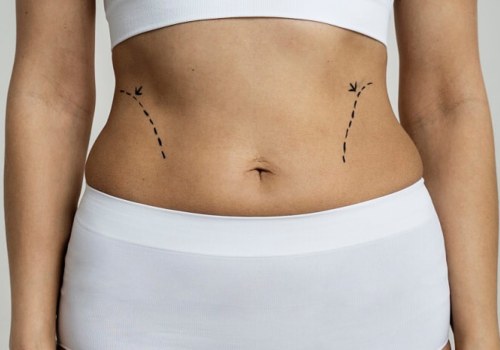
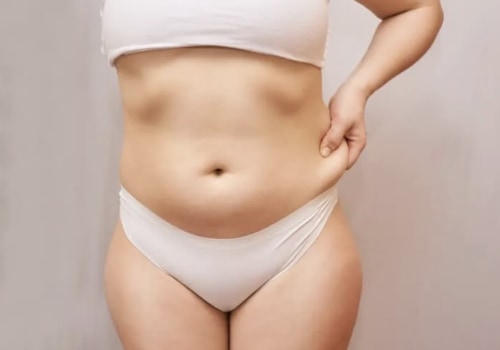
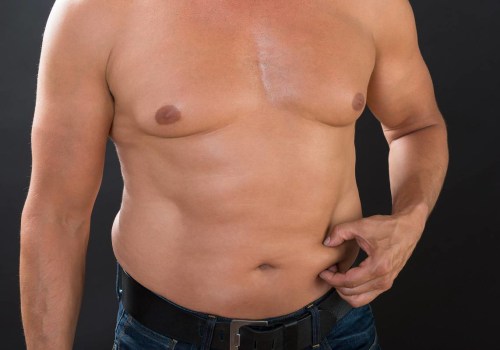
Liposuction is a widely sought-after cosmetic surgerycosmetic surgery procedure that focuses on the removal of stubborn fat deposits from various areas of the body. This technique is particularly appealing to individuals who struggle with localized fat that resists traditional weight loss methods such as diet and exercise. By targeting specific regions, liposuction not only enhances body contours but also boosts self-confidence, allowing patients to feel more comfortable in their own skin.The significance of liposuction extends beyond mere aesthetics; it represents a transformative journey for many. As people seek to improve their physical appearance, they often turn to liposuction as a solution for achieving their desired body shape.
This procedure can effectively sculpt areas like the abdomen, thighs, arms, and neck, providing a more defined silhouette. However, it is essential to understand that while liposuction can yield impressive results, it is not a weight-loss solution or a substitute for a healthy lifestyle.One of the most common concerns among potential patients is whether the fat can return to the same areas after undergoing liposuction. This question highlights the importance of understanding how fat removal works and what factors influence the permanence of the results. While liposuction permanently eliminates fat cells from treated areas, the remaining fat cells can still expand if weight is gained post-procedure.
Therefore, maintaining a stable weight and adopting healthy habits are crucial for preserving the benefits of this transformative surgery.As we delve deeper into the topic of liposuction, we will explore its mechanisms, discuss the permanence of results, and address common misconceptions surrounding fat return. Understanding these aspects will empower individuals considering this procedure to make informed decisions about their body and health.
What is Liposuction?
Liposuction
is a cosmetic surgical procedure designed to remove stubborn fat deposits from various areas of the body. It is particularly effective for individuals who struggle with localized fat that does not respond to traditional weight loss methods such as diet and exercise. By targeting specific areas, liposuction can help sculpt and enhance body contours, leading to a more aesthetically pleasing appearance.The liposuction procedure typically involves the use of a thin tube called a cannula, which is inserted through small incisions in the skin.
The surgeon then uses this cannula to suction out excess fat from the targeted areas. The procedure can be performed under local or general anaesthesia, depending on the extent of fat removal and the patient's preferences.There are several types of liposuction , each with its unique techniques and benefits:
- Tumescent Liposuction: This is the most common technique, where a solution containing saline, anaesthetic, and epinephrine is injected into the treatment area. This solution helps to numb the area and constrict blood vessels, reducing bleeding and swelling during the procedure.
- Ultrasound-Assisted Liposuction (UAL): This method uses ultrasound energy to liquefy fat cells before they are suctioned out. This technique can be particularly effective for fibrous areas of the body, such as the back or male breast tissue.
- Laser-Assisted Liposuction (LAL): In this approach, laser energy is used to melt fat cells, making them easier to remove.
This technique may also promote skin tightening due to the heat generated by the laser.
- Suction-Assisted Liposuction (SAL): This traditional method relies solely on suction to remove fat without any additional techniques. It is effective for larger volumes of fat removal but may result in more bruising and swelling.
How Liposuction Works
Liposuction is a surgical procedure designed to remove stubborn fat deposits from specific areas of the body, enhancing overall body contour and shape. Understanding how liposuction works can help demystify the process and set realistic expectations for potential patients.The procedure typically begins with a consultation, where the surgeon evaluates the patient’s medical history, discusses aesthetic goals, and determines the most suitable technique for fat removal.There are several techniques employed in liposuction, each with its unique approach:
- Tumescent Liposuction: This is the most common technique, where a sterile solution containing saline, lidocaine (a local anesthetic), and epinephrine (to constrict blood vessels) is injected into the targeted area. This solution helps to numb the area and reduce bleeding during the procedure.
- Ultrasound-Assisted Liposuction (UAL): In this method, ultrasound waves are used to liquefy fat cells before they are suctioned out. This technique can be particularly effective for fibrous areas of the body, such as the back or male breast tissue.
- Laser-Assisted Liposuction (LAL): Similar to UAL, this technique uses laser energy to melt fat cells. The liquefied fat is then removed through a cannula.
LAL may also promote skin tightening due to the heat generated by the laser.
- Power-Assisted Liposuction (PAL): This technique employs a vibrating cannula that helps break up fat cells more efficiently, making it easier for the surgeon to remove them. This method can reduce surgery time and improve precision.
Patients may be required to wear compression garments post-surgery to help reduce swelling and support healing.Overall, liposuction is not a weight-loss solution but rather a body contouring procedure aimed at removing localized fat deposits that are resistant to diet and exercise. Understanding these technical aspects can empower patients to make informed decisions about their cosmetic surgery journey.
The Permanence of Liposuction Results
Liposuction is renowned for its ability to sculpt the body by permanently removing fat cells from targeted areas. This procedure is particularly effective for individuals struggling with stubborn fat deposits that resist diet and exercise. Understanding the permanence of liposuction results is crucial for anyone considering this cosmetic surgery.One of the most significant aspects of liposuction is that it permanently eliminates fat cells from the areas treated.Once these cells are removed, they do not regenerate. This means that the specific contours achieved through liposuction can remain intact as long as the patient maintains a stable weight. For instance, if a patient undergoes liposuction and has a certain amount of fat removed, they can expect those results to last, provided they do not gain excessive weight post-surgery.However, it is essential to note that while the fat cells in the treated areas are permanently removed, the remaining fat cells in the body can still expand if weight is gained. This can lead to a change in overall body shape, even if the treated areas remain slim.
Therefore, maintaining a healthy lifestyle, including a balanced diet and regular exercise, is vital for preserving the results of liposuction.Many people mistakenly believe that fat can return to the same area after liposuction. In reality, while new fat may accumulate in untreated areas of the body if weight is gained, the specific areas where liposuction was performed will not see a regrowth of fat cells. Instead, patients may notice changes in other parts of their body as their overall weight fluctuates.In summary, liposuction offers a long-lasting solution for removing unwanted fat deposits. The key to maintaining these results lies in adopting a healthy lifestyle post-procedure.
By doing so, patients can enjoy their newly contoured bodies without the worry of fat returning to previously treated areas.
Can Fat Return to Treated Areas After Liposuction?
One of the most common concerns for individuals considering liposuction is whether fat can return to the areas that have been treated. The straightforward answer is that while the fat cells that are removed during the procedure do not regenerate, the potential for fat accumulation in those areas exists if certain conditions are met.After undergoing liposuction, patients often experience a significant change in their body contour due to the permanent removal of fat cells. However, it is crucial to understand that liposuction does not prevent weight gain. If a patient gains weight after the procedure, the remaining fat cells in the treated area can expand, leading to a change in appearance.This means that while the specific fat cells removed during liposuction cannot return, the overall shape of the body can still be affected by weight fluctuations.
Factors Influencing Fat Redistribution
- Weight Gain: If a patient gains weight post-liposuction, it is likely that fat will accumulate in untreated areas of the body rather than in the areas where liposuction was performed. This can lead to an uneven distribution of fat and alter the overall body shape.
- Lifestyle Choices: Diet and exercise play a significant role in maintaining results after liposuction. A balanced diet and regular physical activity can help prevent weight gain and support a healthy body composition.
- Metabolism: Individual metabolic rates can influence how and where fat is stored in the body. Some people may find that they gain weight more easily in certain areas than others.
This includes adhering to a nutritious diet and engaging in regular exercise. By doing so, they can help ensure that their body remains in its desired shape and that any potential weight gain does not adversely affect their appearance.In conclusion, while liposuction effectively removes fat cells from specific areas, it does not guarantee that those areas will remain unchanged indefinitely. Weight gain and lifestyle choices are critical factors that can influence how fat is distributed throughout the body after surgery. Therefore, maintaining a stable weight through healthy habits is vital for preserving the results of liposuction.
Factors Influencing Fat Return After Liposuction
After undergoing liposuction, many patients are eager to maintain their newly sculpted physique.However, several factors can influence whether fat returns to the treated areas. Understanding these factors is crucial for achieving long-lasting results.
Lifestyle Choices
Your daily habits play a significant role in determining the success of your liposuction results. Key lifestyle choices include:- Diet: A balanced diet rich in nutrients is essential for maintaining weight after liposuction. Consuming excessive calories, particularly from unhealthy sources, can lead to weight gain and fat accumulation in untreated areas.
- Exercise: Regular physical activity helps to burn calories and maintain muscle mass.
Incorporating both cardiovascular and strength training exercises into your routine can enhance your metabolism and support weight management.
- Hydration: Staying well-hydrated aids in overall health and can help control appetite, making it easier to stick to a healthy diet.
Weight Management
Maintaining a stable weight is perhaps the most critical factor in preserving the results of liposuction. After the procedure, the fat cells in the treated areas are permanently removed; however, the remaining fat cells can still expand if you gain weight. Here are some strategies for effective weight management:- Set realistic goals: Aim for gradual weight loss or maintenance rather than drastic changes, which can be difficult to sustain.
- Monitor your weight: Regularly checking your weight can help you identify any fluctuations early on, allowing you to take corrective action before significant weight gain occurs.
- Seek professional guidance: Consulting with a nutritionist or personal trainer can provide tailored advice and support for maintaining your desired weight.
Maintaining Results After Liposuction
After undergoing liposuction, many patients are eager to maintain their newly sculpted physique.While the procedure effectively removes fat cells from targeted areas, the long-term success of the results largely depends on the individual's commitment to a healthy lifestyle. Here are some practical strategies to help you maintain your liposuction results:
1.Adopt a Balanced Diet
Nutrition plays a crucial role in weight management. Focus on a diet rich in whole foods, including:- Fruits and Vegetables: These are low in calories and high in essential nutrients.
- Lean Proteins: Incorporate sources like chicken, fish, beans, and legumes to support muscle maintenance.
- Whole Grains: Opt for brown rice, quinoa, and whole grain bread to provide sustained energy.
- Healthy Fats: Include avocados, nuts, and olive oil in moderation for overall health.
2.Stay Hydrated
Drinking plenty of water is essential for overall health and can aid in weight management. Aim for at least 2 litres of water daily to help control hunger and support metabolic processes.3.Regular Exercise
Incorporating regular physical activity into your routine is vital for maintaining your results.Aim for a mix of:
- Aerobic Exercise: Activities like walking, running, or cycling can help burn calories.
- Strength Training: Building muscle through weight training can increase your metabolism and help prevent fat accumulation.
4.Monitor Your Weight
Regularly checking your weight can help you stay accountable. If you notice any significant fluctuations, take proactive steps to adjust your diet or exercise routine accordingly.5.Follow Post-Operative Care Instructions
Your surgeon will provide specific guidelines for post-operative care that are crucial for recovery and long-term results. Adhering to these instructions can significantly impact your outcome.By implementing these strategies into your daily life, you can enhance the longevity of your liposuction results and enjoy a healthier lifestyle overall.Common Myths About Liposuction
Liposuction is often surrounded by a cloud of myths and misconceptions that can lead to unrealistic expectations for those considering the procedure. Understanding the truth behind these myths is crucial for making informed decisions about body contouring options.Myth 1: Liposuction is a Weight Loss Solution
One of the most prevalent misconceptions is that liposuction is a method for significant weight loss.
In reality, liposuction is designed to target specific areas of stubborn fat that are resistant to diet and exercise. It is not a substitute for a healthy lifestyle or a weight loss programme. The ideal candidates for liposuction are those who are already at or near their target weight but wish to refine their body shape.
Myth 2: Fat Cells Can Regenerate After Liposuction
Another common myth is that fat cells can regenerate in the treated areas after liposuction. While it is true that liposuction permanently removes fat cells from specific locations, it does not prevent weight gain in other areas of the body.
If a patient gains weight after the procedure, the remaining fat cells can expand, leading to changes in body contour, but the removed fat cells do not return.
Myth 3: Liposuction Results Are Immediate
Many people believe that they will see immediate results following liposuction. However, it’s important to understand that swelling and bruising are common after the procedure, which can obscure the final results for several weeks or even months. Patience is essential as the body heals and settles into its new shape.
Myth 4: Liposuction Is a Quick Fix
Liposuction should not be viewed as a quick fix for body image issues. It requires careful consideration, planning, and commitment to post-operative care and lifestyle changes.
Maintaining a stable weight through healthy eating and regular exercise is vital for preserving the results of liposuction.
Myth 5: Anyone Can Get Liposuction
While liposuction is widely available, it is not suitable for everyone. Candidates should be in good health, have realistic expectations, and understand the risks involved. A thorough consultation with a qualified surgeon will help determine if liposuction is appropriate based on individual health conditions and goals.By debunking these myths, potential patients can approach liposuction with realistic expectations and a clearer understanding of what the procedure entails. This knowledge empowers individuals to make informed choices about their bodies and aesthetic goals.
FAQs About Liposuction and Fat Return
When considering liposuction, many individuals have questions regarding the procedure and its long-term effects, particularly concerning the potential for fat to return to the treated areas.Below are some of the most frequently asked questions that can help clarify these concerns.
Can fat return to the same area after liposuction?
Once fat cells are removed during liposuction, they do not regenerate in the same area. However, if a patient gains weight after the procedure, the remaining fat cells in the treated area can expand, which may alter the overall appearance. It is essential to maintain a stable weight to preserve the results of liposuction.What happens if I gain weight after liposuction?
If you gain weight post-liposuction, it typically accumulates in untreated areas of your body rather than in the areas where fat was removed. This can lead to a change in body contour, as the proportions may shift.Therefore, maintaining a healthy lifestyle with balanced nutrition and regular exercise is crucial for sustaining your results.
How long do liposuction results last?
The results of liposuction can be long-lasting, provided that you maintain your weight. Many patients enjoy their new body shape for years after the procedure. However, significant weight fluctuations can impact these results, so it is advisable to adopt a consistent and healthy lifestyle.Are there any risks of fat returning?
While the fat cells removed during liposuction do not come back, there is always a risk that remaining fat cells can grow larger if you gain weight. Additionally, lifestyle factors such as diet and exercise play a significant role in how your body stores fat post-surgery.Is liposuction a weight loss solution?
Liposuction is not intended as a weight loss method but rather as a body contouring procedure.It is most effective for individuals who are close to their ideal weight but struggle with stubborn fat deposits that do not respond to diet and exercise.Understanding these aspects of liposuction can help set realistic expectations and encourage patients to commit to a healthy lifestyle for optimal results.
Conclusion: Key Takeaways on Liposuction and Fat Return
In summary, understanding the relationship between liposuction and the potential for fat return is crucial for anyone considering this cosmetic procedure. Here are the key takeaways:- Permanence of Fat Cell Removal: Liposuction effectively removes fat cells from targeted areas, and these cells do not regenerate. This means that once fat is removed, it is permanently gone from those specific locations.
- Weight Maintenance is Essential: The longevity of liposuction results heavily relies on maintaining a stable weight. If a patient gains weight after the procedure, the remaining fat cells in the treated areas can expand, potentially altering the body’s contour.
- Fat Redistribution: While fat will not return to the areas treated with liposuction, weight gain can lead to fat accumulation in untreated regions of the body.
This redistribution can affect overall body shape and may lead to dissatisfaction with results if not managed properly.
- Lifestyle Choices Matter: Adopting a healthy lifestyle post-liposuction is vital. Regular exercise and a balanced diet can help maintain weight and enhance the results of the procedure.
- Realistic Expectations: It’s important for patients to have realistic expectations regarding liposuction. While it can significantly improve body contours, it is not a substitute for a healthy lifestyle or a solution for obesity.
- Consultation with Professionals: Engaging in thorough discussions with qualified surgeons about individual goals, potential outcomes, and post-operative care can provide clarity and help set realistic expectations.