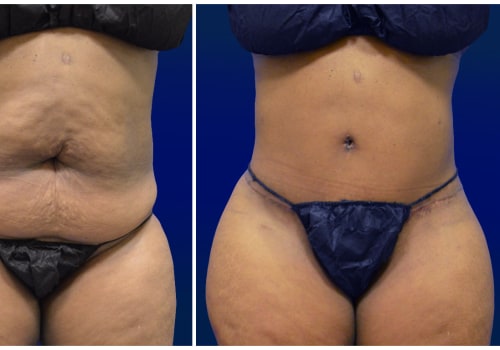
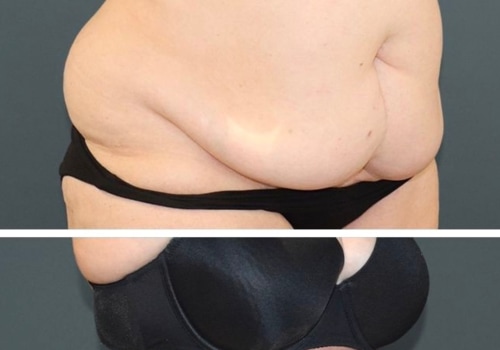
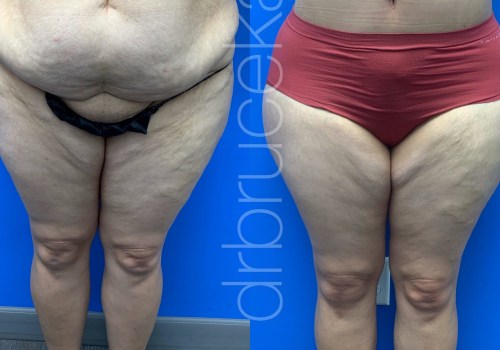
Liposuction is a popular cosmetic procedure designed to reshape and contour the body by removing excess fat deposits. Unlike traditional weight loss methods, such as dieting and exercise, which focus on overall body weight reduction, liposuction targets specific areas where stubborn fat tends to accumulate. This makes it an appealing option for individuals who are close to their ideal weight but struggle with localized fat that resists conventional weight loss efforts.The liposuction procedure involves the use of a thin tube called a cannula, which is inserted through small incisions in the skin. The surgeon then uses this cannula to suction out unwanted fat from the targeted areas.
Common treatment zones include the abdomen, thighs, buttocks, arms, and neck. The procedure can be performed under local or general anaesthesia, depending on the extent of fat removal and the patient's comfort level.One of the key distinctions of liposuction is that it is not primarily a weight-loss solution; rather, it is a body sculpting technique. While patients may experience some weight loss as a result of fat removal—typically ranging from 5 to 11 pounds—the main goal is to enhance body proportions and improve aesthetic appearance. This understanding is crucial for anyone considering liposuction, as it sets realistic expectations about what the procedure can achieve.Furthermore, liposuction should not be viewed as a substitute for a healthy lifestyle.
It is most effective when combined with a balanced diet and regular exercise. By understanding what liposuction entails and how it works, potential candidates can make informed decisions about whether this procedure aligns with their personal health and aesthetic goals.
The Liposuction Procedure: Step-by-Step Breakdown
Understanding the liposuction procedure is crucial for anyone considering this body contouring option. The process can be broken down into three main phases: pre-operative preparations, the surgical procedure itself, and post-operative care.Pre-Operative Preparations
Before undergoing liposuction, patients must attend a thorough consultation with their plastic surgeon. This initial meeting is vital for discussing medical history, current health status, and specific aesthetic goals.Before undergoing liposuction, patients must attend a thorough consultation with their plastic surgeon. This initial meeting is vital for discussing medical history, current health status, and specific aesthetic goals.During this consultation, the surgeon will:
- Evaluate the patient’s overall health and suitability for surgery.
- Discuss the areas of the body where fat removal is desired.
- Explain the different liposuction techniques, such as tumescent, ultrasound-assisted, or laser-assisted liposuction.
- Provide pre-operative instructions, which may include avoiding certain medications and smoking cessation.
The Surgical Procedure
The actual liposuction procedure typically takes between one to three hours, depending on the extent of fat removal. It is usually performed under local anaesthesia with sedation or general anaesthesia, depending on the patient’s needs and the surgeon's recommendation. Here’s a step-by-step breakdown of what happens during the surgery:- Anesthesia Administration: The chosen anaesthetic is administered to ensure comfort throughout the procedure.
- Incision Creation: Small incisions are made in inconspicuous areas of the body to minimise scarring.
- Tumescent Solution Injection: A solution containing saline, anaesthetic, and epinephrine is injected into the treatment area to reduce bleeding and pain.
- Fat Removal: A thin tube called a cannula is inserted through the incisions to suction out excess fat. The surgeon carefully manoeuvres the cannula to sculpt the body contours.
Post-Operative Care
After surgery, patients are typically moved to a recovery area where they are monitored as they wake from anaesthesia.Post-operative care includes:
- Wearing Compression Garments: Patients are advised to wear compression garments to help reduce swelling and support healing.
- Pain Management: Pain relief medications may be prescribed to manage discomfort during recovery.
- Follow-Up Appointments: Regular follow-up visits with the surgeon are essential to monitor healing and address any concerns.
How Much Fat Can Be Safely Removed?
When considering liposuction, one of the most critical aspects to understand is the maximum amount of fatmaximum amount of fat that can be safely removed during a single procedure. This limit is not arbitrary; it is based on various factors that ensure the safety and well-being of the patient.The American Society of Plastic Surgeons (ASPS) recommends that a maximum of that can be safely removed during a single procedure. This limit is not arbitrary; it is based on various factors that ensure the safety and well-being of the patient.The American Society of Plastic Surgeons (ASPS) recommends that a maximum of 5 litres (approximately 11 pounds) of fat can be removed in a single session. However, this figure can vary depending on individual circumstances.Factors such as a patient’s overall health, body mass index (BMI), and the specific areas being treated all play a significant role in determining how much fat can be safely extracted.
Health Considerations
- Body Mass Index (BMI): Patients with a higher BMI may have more fat available for removal, but their overall health must be assessed to ensure they can tolerate the procedure.
- Medical History: Pre-existing health conditions, such as cardiovascular issues or diabetes, can limit the amount of fat that can be safely removed.
- Age: Older patients may have different recovery capabilities compared to younger individuals, influencing the safe limits for fat removal.
Area of Treatment
The specific areas targeted during liposuction also affect how much fat can be removed. For instance, larger areas like the abdomen or thighs may allow for more fat extraction compared to smaller areas like the arms or chin. Additionally, techniques such as tumescent liposuction, which involves injecting a solution to facilitate fat removal, can enhance safety and effectiveness.The specific areas targeted during liposuction also affect how much fat can be removed. For instance, larger areas like the abdomen or thighs may allow for more fat extraction compared to smaller areas like the arms or chin. Additionally, techniques such as tumescent liposuction, which involves injecting a solution to facilitate fat removal, can enhance safety and effectiveness.
Managing Expectations
Understanding these limits is crucial for managing patient expectations regarding weight loss. While some patients may hope for significant weight reduction, it is essential to remember that liposuction is primarily a body contouring procedure rather than a weight-loss solution.
The focus should be on achieving a more sculpted appearance rather than solely on the number on the scale.In conclusion, while liposuction can effectively remove fat and enhance body shape, it is vital to approach this procedure with realistic expectations. Consulting with a qualified plastic surgeon will provide personalised insights into what can be achieved safely based on individual health and body composition.
Liposuction vs. Weight Loss: Key Differences
When considering options for achieving a desired body shape, it is essential to understand the fundamental differences between liposuction and traditional weight loss methods. While both aim to improve physical appearance, they serve distinct purposes and are suited for different individuals.Liposuction
is primarily a body contouring procedure designed to remove localized fat deposits that are resistant to diet and exercise.
It targets specific areas of the body, such as the abdomen, thighs, arms, and neck, allowing for precise sculpting. This procedure is not intended for significant weight loss; rather, it enhances the body's proportions and contours. Patients often seek liposuction to eliminate stubborn fat pockets that persist despite maintaining a healthy lifestyle.In contrast, traditional weight loss methods, including diet and exercise, focus on reducing overall body weight. These approaches aim to create a caloric deficit, leading to fat loss throughout the entire body.
While effective for many individuals, weight loss through lifestyle changes can be a gradual process and may not yield immediate results in specific areas.Another critical distinction lies in the outcomes of each method. Liposuction can provide immediate results in terms of body shape and contouring. Patients often notice a significant change in their appearance shortly after the procedure, as swelling subsides. However, the amount of fat removed is limited, and patients should have realistic expectations regarding the volume of fat that can be safely extracted.On the other hand, weight loss achieved through diet and exercise can lead to more substantial changes in overall body weight but may not specifically target problem areas.
Individuals may find that while they lose weight, certain regions still retain excess fat. This is where liposuction can complement their efforts by refining their shape after achieving a healthier weight.Ultimately, understanding these differences is crucial for anyone considering their options. Liposuction should be viewed as a tool for body contouring , not as a substitute for healthy lifestyle choices. For those who are significantly overweight or obese, consulting with healthcare professionals about comprehensive weight loss strategies may be more appropriate before considering surgical interventions.
Realistic Weight Loss Expectations After Liposuction
When considering liposuction, many individuals are often drawn in by the promise of significant weight loss.However, it is crucial to understand that liposuction is primarily a body contouring procedure rather than a weight-loss solution. This distinction is vital for setting realistic expectations regarding the outcomes of the surgery.Typically, patients can expect to lose between 1 to 11 pounds of fat during a single liposuction procedure, depending on various factors such as their body mass index (BMI), the specific areas being treated, and the amount of fat that can be safely removed. While this may seem modest compared to the weight loss achievable through diet and exercise, it is essential to remember that liposuction is designed to target stubborn fat deposits that do not respond well to traditional weight loss methods.
Factors Influencing Weight Loss After Liposuction
- Body Mass Index (BMI): Patients with a higher BMI may have more fat available for removal, but this does not always correlate with a proportional weight loss on the scale.
- Treatment Areas: The amount of fat that can be removed varies significantly based on the area being treated. For instance, areas like the abdomen or thighs may yield different results compared to smaller areas like the arms or chin.
- Individual Health Factors: Each patient's overall health, skin elasticity, and metabolic rate can affect how much fat can be safely removed and how the body responds post-surgery.
The primary goal of liposuction is to enhance body shape and contour rather than achieve drastic weight reduction.Moreover, maintaining a healthy lifestyle post-liposuction is crucial. Engaging in regular physical activity and adhering to a balanced diet can help prevent the reaccumulation of fat in treated areas. Patients should approach liposuction as part of a broader strategy for achieving their desired body image rather than relying solely on it for weight loss.In conclusion, while liposuction can lead to some weight loss, it is essential for patients to have realistic expectations about the amount they can lose and understand that it is not a substitute for healthy living. By combining liposuction with ongoing lifestyle changes, individuals can achieve lasting results that enhance both their appearance and overall well-being.
Factors Influencing Liposuction Results
When considering liposuction, it is essential to understand that various factors can significantly influence the outcomes of the procedure.Each patient's body is unique, and these individual differences can lead to varying results. Here are some key factors that can affect the effectiveness of liposuction:
- Body Mass Index (BMI): One of the most critical factors influencing liposuction results is the patient's BMI. Generally, candidates with a BMI within the normal range (18.5 to 24.9) tend to experience better outcomes. Those with a higher BMI may have more fat to remove, but they might also face increased risks and complications during and after the procedure.
- Age: Age plays a significant role in how well the body responds to liposuction.
Younger patients often have better skin elasticity, which can lead to smoother and more aesthetically pleasing results post-surgery. As individuals age, skin elasticity tends to decrease, which may result in sagging or uneven skin after fat removal.
- Skin Elasticity: The condition of your skin is crucial for achieving optimal results from liposuction. Patients with good skin elasticity will likely see their skin retract more effectively after fat removal, leading to a tighter appearance. Conversely, those with poor elasticity may experience loose or sagging skin, which can detract from the overall outcome.
- Overall Health: A patient’s general health status can also impact liposuction results.
Individuals with underlying health conditions such as diabetes or cardiovascular issues may face higher risks during surgery and may not heal as effectively post-procedure. A thorough pre-operative assessment by a qualified surgeon is essential to ensure that patients are fit for surgery.
- Fat Distribution: The areas of the body where fat is stored can influence the results of liposuction. Some individuals may have stubborn fat deposits in specific areas that are more resistant to diet and exercise. Understanding your body’s unique fat distribution can help set realistic expectations for what liposuction can achieve.
Factors such as BMI, age, skin elasticity, overall health, and fat distribution all play vital roles in determining the success of the procedure. Potential patients should engage in thorough discussions with their plastic surgeon to understand how these factors apply to their individual circumstances and what realistic outcomes they can expect.
Post-Operative Care and Recovery: What to Expect
Undergoing liposuction is a significant decision, and understanding the recovery process is crucial for a smooth transition back to your daily routine. After the procedure, patients can expect a variety of sensations and changes as their bodies begin to heal.Initial Recovery Phase
In the first few days post-surgery, it is common to experience swelling, bruising, and discomfort in the treated areas. This is a normal part of the healing process.
Most patients are advised to wear a compression garment for several weeks, which helps reduce swelling and supports the new contours of the body.
Managing Pain
Pain management is an essential aspect of recovery. Your surgeon will likely prescribe pain medication to help alleviate discomfort. It’s important to follow their instructions regarding dosage and timing. Additionally, applying cold compresses to the affected areas can provide relief from swelling and pain.
Expected Healing Timeline
- First Week: During this period, most patients can return to light activities but should avoid strenuous exercise or heavy lifting.
- Two Weeks Post-Op: Many individuals feel significantly better and may resume normal daily activities, although some residual swelling may still be present.
- One Month: By this time, most swelling should have subsided, and patients can gradually reintroduce more intense physical activities.
- Three to Six Months: Final results will continue to improve as the body heals completely.
It’s essential to maintain a healthy lifestyle during this time to support long-term results.
Post-Operative Care Tips
- Stay Hydrated: Drinking plenty of water aids in recovery and helps reduce swelling.
- Follow-Up Appointments: Attend all scheduled follow-up visits with your surgeon to monitor your healing progress.
- Avoid Smoking: Smoking can impede healing; it’s advisable to refrain from smoking during your recovery period.
- Listen to Your Body: If you experience unusual pain or complications, contact your surgeon immediately.
Maintaining Results: Lifestyle Changes After Liposuction
Undergoing liposuction can be a transformative experience, but the journey doesn’t end once you leave the operating room. To truly enjoy and maintain the results of your procedure, it is essential to adopt a healthy lifestyle that includes balanced nutrition and regular physical activity. Without these changes, there is a risk that fat may return to the treated areas, negating the benefits of your surgery.Dietary Adjustments
- Focus on Whole Foods: Incorporate a variety of fruits, vegetables, whole grains, lean proteins, and healthy fats into your diet.
These foods are nutrient-dense and can help you feel full while providing essential vitamins and minerals.
- Portion Control: After liposuction, it’s crucial to be mindful of portion sizes. Eating smaller, more frequent meals can help regulate your metabolism and prevent overeating.
- Stay Hydrated: Drinking plenty of water is vital for overall health and can aid in digestion. Aim for at least 2 litres of water daily to keep your body hydrated and functioning optimally.
- Avoid Processed Foods: Limit your intake of sugary snacks, fast food, and other processed items that are high in calories but low in nutritional value. These foods can contribute to weight gain and hinder your progress.
Exercise Regimen
- Start Slowly: After your recovery period, gradually reintroduce physical activity into your routine.
Begin with low-impact exercises such as walking or swimming before progressing to more intense workouts.
- Incorporate Strength Training: Building muscle through strength training can boost your metabolism and help maintain your new shape. Aim for at least two sessions per week focusing on all major muscle groups.
- Cardiovascular Exercise: Engage in regular cardiovascular activities like jogging, cycling, or aerobics to burn calories and improve heart health. Aim for at least 150 minutes of moderate-intensity cardio each week.
Consistency is Key
The most important aspect of maintaining your results after liposuction is consistency. Establishing a routine that includes healthy eating habits and regular exercise will not only help you keep the weight off but also enhance your overall well-being.
Remember that while liposuction can remove stubborn fat deposits, it is not a substitute for a healthy lifestyle. By committing to these changes, you can enjoy the benefits of your procedure for years to come.
Frequently Asked Questions About Liposuction
When considering liposuction, potential patients often have numerous questions and concerns. Addressing these can help demystify the procedure and provide clarity on what to expect.What is liposuction?
Liposuction is a cosmetic surgical procedure designed to remove excess fat from specific areas of the body, such as the abdomen, thighs, buttocks, arms, and neck. It is important to note that liposuction is not a weight-loss solution but rather a method for body contouring.Who is a good candidate for liposuction?
Ideal candidates for liposuction are individuals who are at or near their target weight but struggle with stubborn fat deposits that do not respond to diet and exercise.Candidates should also be in good overall health and have realistic expectations about the outcomes of the procedure.
How much fat can be removed during liposuction?
The amount of fat that can be safely removed during a single liposuction procedure typically ranges from 4 to 5 litres (approximately 8 to 11 pounds). However, this can vary based on individual factors such as body mass index (BMI) and the specific areas being treated.What are the risks associated with liposuction?
As with any surgical procedure, liposuction carries certain risks. These may include:- Infection: As with any surgery, there is a risk of infection at the incision sites.
- Scarring: While incisions are typically small, some scarring may occur.
- Fluid accumulation: This can happen under the skin after surgery, requiring drainage.
- Uneven results: In some cases, patients may experience uneven contours or asymmetry.
What is the recovery process like?
The recovery period after liposuction varies by individual and the extent of the procedure. Generally, patients can expect:- Swelling and bruising: These are common and may take several weeks to subside.
- Activity restrictions: Patients are usually advised to avoid strenuous activities for at least two weeks.
- Follow-up appointments: Regular check-ups with your surgeon will be necessary to monitor healing.
Conclusion: The Reality of Liposuction and Weight Loss Potential
In conclusion, understanding the true nature of liposuction is essential for anyone considering this procedure.While it is often perceived as a quick fix for weight loss, the reality is that liposuction primarily serves as a method for body contouring rather than a weight-loss solution. Patients should approach this procedure with realistic expectations and a clear understanding of its limitations.As discussed, the amount of fat that can be safely removed during a single liposuction session typically ranges from 4 to 11 pounds, depending on various factors such as the patient's body mass index (BMI), the specific areas being treated, and individual health conditions. This means that while some individuals may experience noticeable changes in their body shape, significant weight loss should not be anticipated.Moreover, it is crucial to recognise that liposuction is not a substitute for a healthy lifestyle. The procedure can enhance the results of a balanced diet and regular exercise but should not be viewed as an alternative to these fundamental components of health.
Patients who maintain their weight through proper nutrition and physical activity are more likely to enjoy lasting results from their liposuction procedure.Ultimately, the decision to undergo liposuction should be made after thorough consultation with a qualified plastic surgeon who can provide personalised advice based on individual goals and circumstances. By setting realistic expectations and understanding the primary purpose of liposuction as a body sculpting technique, patients can make informed choices that align with their aesthetic desires.In summary, while liposuction can effectively remove stubborn fat deposits and improve body contours, it is not a miracle solution for weight loss. Emphasising the importance of maintaining a healthy lifestyle post-procedure will ensure that patients achieve the best possible outcomes and feel satisfied with their results.