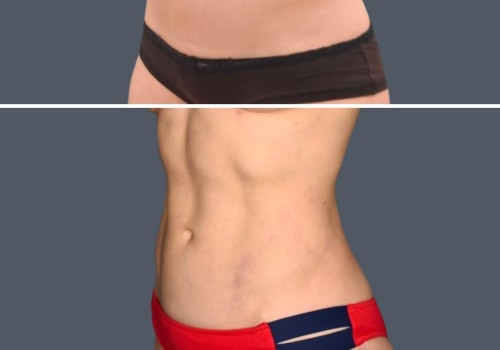
Liposuction, often referred to as lipo, is a widely sought-after cosmetic surgical procedure designed to remove excess fat from specific areas of the body. This technique has gained immense popularity due to its ability to sculpt and contour the body, providing patients with a more aesthetically pleasing silhouette. By targeting stubborn fat deposits that are resistant to diet and exercise, liposuction offers a solution for individuals looking to enhance their physical appearance and boost their self-confidence.The procedure involves the use of a thin tube called a cannula, which is inserted through small incisions in the skin. The cannula is then used to suction out unwanted fat from areas such as the abdomen, thighs, buttocks, arms, and neck.
This minimally invasive approach allows for quicker recovery times compared to traditional surgical methods, making it an attractive option for many. As advancements in medical technology continue to evolve, techniques such as tumescent liposuction and ultrasound-assisted liposuction have emerged, further improving safety and effectiveness.One of the key factors contributing to the popularity of liposuction is its high success rate in achieving desired results. Many patients report significant improvements in their body shape and overall satisfaction following the procedure. However, it is essential for potential candidates to have realistic expectations and understand that maintaining a healthy lifestyle post-surgery is crucial for long-lasting results.
As we delve deeper into the success rates of liposuction and patient satisfaction in subsequent sections, it becomes clear that this procedure not only transforms bodies but also enhances lives.
What is Liposuction?
Liposuction
is a cosmetic surgical procedure designed to remove excess fat deposits from specific areas of the body, helping to achieve a more contoured and aesthetically pleasing appearance. This procedure is particularly beneficial for individuals who struggle with stubborn fat that does not respond to diet and exercise. It is important to note that liposuction is not a weight-loss solution but rather a body sculpting technique.There are several types of liposuction , each employing different techniques to achieve optimal results:
- Tumescent Liposuction: This is the most common form of liposuction, where a saline solution mixed with local anaesthetic and epinephrine is injected into the targeted area. This solution helps to numb the area, reduce bleeding, and facilitate fat removal.
- Ultrasound-Assisted Liposuction (UAL): This technique uses ultrasound waves to liquefy fat cells before they are suctioned out.
UAL can be particularly effective in areas with denser fat deposits.
- Laser-Assisted Liposuction (LAL): Similar to UAL, this method employs laser energy to melt fat cells, making them easier to remove. LAL also promotes skin tightening due to the heat generated during the procedure.
- Suction-Assisted Liposuction (SAL): This traditional method involves the use of a cannula connected to a vacuum device that physically removes fat from the body.
The duration of the procedure can vary based on the amount of fat being removed and the specific technique used.Post-surgery, patients may experience swelling and bruising, which typically subside over time. Recovery varies by individual but generally allows for a return to normal activities within a few weeks. Understanding these aspects of liposuction is crucial for anyone considering this transformative procedure, as it sets realistic expectations regarding outcomes and recovery.
Success Rates of Liposuction: An Overview
Liposuction is widely regarded as one of the most effective cosmetic procedures for body contouring, boasting a remarkable success rate. Studies indicate that over 99% of patients experience satisfactory results following their liposuction surgery.This high success rate is attributed to advancements in surgical techniques and technology, which have significantly improved the precision and safety of the procedure.Patient satisfaction is a crucial metric when evaluating the success of liposuction. Research shows that approximately 85% of individuals report feeling happier with their body image after undergoing the procedure. This increase in self-esteem can be linked to the enhanced body shape and contour achieved through targeted fat removal.However, it is essential to understand that the long-term success of liposuction is influenced by several factors:
- Weight Maintenance: The results of liposuction can be compromised if a patient gains weight post-surgery. Maintaining a stable weight is vital for preserving the desired outcomes.
- Health and Lifestyle: A healthy lifestyle, including regular exercise and a balanced diet, plays a significant role in sustaining the results of liposuction.
- Individual Factors: Each patient's unique body composition and metabolism can affect how fat redistributes after surgery.
Those who lead a sedentary lifestyle may notice changes more rapidly than those who remain active.
Factors Influencing Liposuction Success Rates
The success of liposuction is influenced by a variety of factors that can significantly affect the outcomes of the procedure. Understanding these elements is crucial for potential patients to set realistic expectations and achieve the best possible results.1.Patient Health
A patient’s overall health plays a vital role in determining the success of liposuction.
Individuals with pre-existing medical conditions, such as diabetes or cardiovascular issues, may face higher risks during and after surgery. It is essential for patients to undergo a thorough medical evaluation prior to the procedure to ensure they are fit for surgery. Additionally, maintaining a healthy lifestyle, including a balanced diet and regular exercise, can enhance recovery and improve results.
2.Body Type and Fat Distribution
The distribution of body fat varies from person to person, and this can impact the effectiveness of liposuction. Patients with localized fat deposits may see more dramatic results compared to those with a more generalized distribution of fat.The distribution of body fat varies from person to person, and this can impact the effectiveness of liposuction. Patients with localized fat deposits may see more dramatic results compared to those with a more generalized distribution of fat.
Furthermore, skin elasticity is another critical factor; individuals with firmer skin may experience better contouring results post-surgery than those with loose or sagging skin.
3.Surgeon Experience
The expertise of the surgeon performing the liposuction is paramount. A highly skilled and experienced surgeon will not only understand the nuances of different body types but also employ advanced techniques that can lead to superior outcomes. Researching a surgeon’s credentials, patient reviews, and before-and-after photos can provide valuable insights into their proficiency.
4.Post-Operative Care
Following liposuction, adherence to post-operative care instructions is crucial for optimal recovery and results. This includes wearing compression garments as advised, attending follow-up appointments, and avoiding strenuous activities during the initial healing phase.
Patients who actively participate in their recovery process often report higher satisfaction levels with their results.
5.Realistic Expectations
Finally, having realistic expectations about what liposuction can achieve is essential for patient satisfaction. While many individuals experience significant improvements in body contouring, it is important to understand that liposuction is not a weight-loss solution but rather a body sculpting procedure. Setting achievable goals can lead to greater satisfaction with the outcomes.In summary, several factors influence the success rates of liposuction, including patient health, body type, surgeon expertise, post-operative care, and realistic expectations. By considering these elements, potential patients can better prepare themselves for their journey towards achieving their desired body shape.
Long-Term Results and Maintenance After Liposuction
After undergoing liposuction, many patients are eager to see the long-term results of their procedure.While liposuction is known for its ability to remove stubborn fat deposits and enhance body contours, the sustainability of these results largely depends on the individual's commitment to maintaining a healthy lifestyle.One of the most significant factors influencing long-term outcomes is weight maintenance. Following liposuction, patients are advised to adopt a balanced diet and engage in regular physical activity. This is crucial because, although liposuction permanently removes fat cells from targeted areas, it does not prevent new fat cells from forming if a person gains weight. Therefore, maintaining a stable weight is essential for preserving the aesthetic benefits achieved through surgery.Studies indicate that patients who actively manage their weight post-surgery report higher satisfaction levels with their results.
To support this, here are some effective strategies:
- Balanced Diet: Incorporating a variety of fruits, vegetables, lean proteins, and whole grains can help maintain a healthy weight. Avoiding processed foods and excessive sugar intake is also beneficial.
- Regular Exercise: Engaging in both cardiovascular and strength-training exercises can help burn calories and build muscle, which contributes to a toned appearance.
- Hydration: Drinking plenty of water aids in metabolism and helps control hunger, making it easier to stick to a healthy eating plan.
- Regular Check-ins: Monitoring your weight regularly can help you stay accountable and make adjustments to your lifestyle as needed.
Many individuals report increased confidence and satisfaction with their appearance after liposuction, which can motivate them to continue healthy habits. Engaging in support groups or seeking guidance from healthcare professionals can further enhance this motivation.Ultimately, the long-term success of liposuction hinges on a combination of surgical skill and patient dedication to lifestyle changes. By prioritising health and wellness post-surgery, individuals can enjoy the benefits of their liposuction results for years to come.
Patient Experiences and Testimonials
Patient experiences and testimonials play a crucial role in understanding the real impact of liposuction on individuals seeking body contouring. Many patients report transformative journeys, both physically and emotionally, following their procedures.One patient, Sarah, shared her story of struggling with stubborn fat deposits despite maintaining a healthy lifestyle."I had always been active and watched my diet, but there were areas on my body that just wouldn’t budge. After my liposuction, I felt like I finally had the body I had worked so hard for. The results were immediate and incredibly satisfying!" Her experience highlights the emotional relief many feel when they achieve their desired body shape.Another patient, James, expressed his satisfaction with the procedure: "I was nervous about undergoing surgery, but the team made me feel comfortable and informed. Post-surgery, I noticed a significant change in my confidence levels.
I can wear clothes I never thought I could!" This sentiment is echoed by numerous patients who report increased self-esteem and improved body image after their surgeries.In terms of satisfaction rates, studies indicate that approximately 85% of patients feel happier with their appearance after liposuction. Many testimonials reflect this statistic, with individuals expressing gratitude for the positive changes in their lives. For instance, Emily stated, "I didn’t just lose fat; I gained a new perspective on myself. It’s amazing how much a little change can boost your confidence!"However, it’s important to note that experiences can vary.
Some patients may face challenges during recovery or have expectations that are not fully met. Mark shared his experience: "While I am happy with my results overall, the recovery was tougher than I anticipated. It took time to adjust to my new body and manage the swelling." This highlights the importance of setting realistic expectations and having thorough discussions with healthcare providers before undergoing the procedure.Ultimately, patient testimonials reveal that while liposuction can lead to significant improvements in body shape and self-esteem, individual experiences will differ based on personal circumstances and expectations. Engaging with past patients can provide valuable insights for those considering this transformative procedure.
Risks and Considerations in Liposuction Procedures
Liposuction, while widely regarded as a safe and effective method for body contouring, does come with its own set of risks and complications that potential patients should carefully consider.Understanding these risks is crucial for making an informed decision about undergoing the procedure.One of the primary concerns associated with liposuction is the possibility of complications during or after the surgery. These can range from minor issues to more serious health risks. Some common complications include:
- Infection: As with any surgical procedure, there is a risk of infection at the incision sites. Proper post-operative care and hygiene are essential to minimise this risk.
- Bleeding: Excessive bleeding during or after the procedure can occur, which may require additional medical intervention.
- Fluid Accumulation: Seromas, or pockets of fluid, can develop under the skin after surgery, necessitating drainage.
- Nerve Damage: Although rare, there is a potential for nerve damage that can lead to numbness or changes in sensation in the treated areas.
- Scarring: While surgeons aim to make incisions in less visible areas, scarring is still a possibility and can vary based on individual healing processes.
This can lead to severe complications, including respiratory distress or even death.Another important consideration is the safety of the procedure itself. It is vital to choose a qualified and experienced surgeon who is board-certified in plastic surgery. A thorough consultation should include discussions about your medical history, current medications, and any underlying health conditions that could increase your risk during surgery.Additionally, patients should have realistic expectations regarding their results. While liposuction can significantly improve body contours, it is not a weight-loss solution and should not be viewed as a substitute for a healthy lifestyle.
Maintaining a balanced diet and regular exercise post-surgery is essential for achieving and sustaining optimal results.In conclusion, while liposuction offers many benefits, it is imperative to weigh these against the potential risks and complications. Engaging in open discussions with your healthcare provider will help ensure that you are well-informed and prepared for what lies ahead.
Consultation and Choosing a Surgeon for Liposuction
Choosing the right surgeon for your liposuction procedure is crucial to achieving the best possible results while ensuring your safety. The decision should not be taken lightly, as the qualifications and experience of your surgeon can significantly impact the outcome of your surgery.Here are some essential tips to consider when selecting a liposuction surgeon:- Verify Credentials: Ensure that the surgeon is board-certified in plastic surgery. This certification indicates that they have undergone rigorous training and adhere to high standards of practice.
- Experience Matters: Look for a surgeon who has extensive experience specifically in performing liposuction.
Ask how many procedures they have completed and their success rates.
- Check Reviews and Testimonials: Research online reviews and patient testimonials. This feedback can provide insight into the surgeon's skills, bedside manner, and overall patient satisfaction.
- Facility Accreditation: Confirm that the surgery will take place in an accredited facility. This ensures that the environment meets safety standards and is equipped to handle any complications that may arise.
- What is your experience with liposuction? Inquire about their specific experience with the procedure, including how many times they have performed it and their typical patient outcomes.
- What techniques do you use? Different techniques may be employed in liposuction, such as tumescent or ultrasound-assisted liposuction.
Understanding their preferred method can help you assess if it aligns with your expectations.
- What are the potential risks and complications? A qualified surgeon should be transparent about the risks involved in liposuction and how they manage them.
- Can I see before-and-after photos of previous patients? Reviewing these images can give you a realistic idea of what to expect from your own results.
- What is the expected recovery time? Knowing what to anticipate post-surgery will help you plan accordingly for your recovery period.
FAQs About Liposuction Success Rates
When considering liposuction, many potential patients have questions regarding its success rates and what they can realistically expect from the procedure. Below are some frequently asked questions that address common concerns and misconceptions about liposuction results.What is the typical success rate of liposuction?
The success rate of liposuction is remarkably high, with studies indicating that over 90% of patients report satisfaction with their results.This high level of satisfaction is often attributed to the procedure's ability to effectively remove stubborn fat deposits, leading to a more contoured body shape.
Can fat return after liposuction?
Yes, while liposuction permanently removes fat cells from the treated areas, it is still possible for fat to return if a patient does not maintain a healthy lifestyle post-surgery. If weight is gained after the procedure, it may be distributed in other areas of the body rather than the treated zones. Therefore, maintaining a stable weight is crucial for preserving the results.How long do the results of liposuction last?
The results of liposuction can be long-lasting, provided that patients adhere to a balanced diet and regular exercise regimen. Many individuals find that their body shape remains improved for years following the procedure, especially if they avoid significant weight fluctuations.Are there any factors that can affect the success of liposuction?
- Patient's overall health: Individuals with certain medical conditions may face higher risks during surgery.
- Surgeon's expertise: The skill and experience of the surgeon play a critical role in achieving optimal results.
- Post-operative care: Following recovery guidelines and attending follow-up appointments can significantly impact outcomes.
What should I do if I am not satisfied with my results?
If you find yourself dissatisfied with your liposuction results, it is essential to consult your surgeon.They can assess your situation and discuss potential options, which may include revision surgery or additional treatments to enhance your body contour.Understanding these aspects of liposuction can help set realistic expectations and alleviate concerns about the procedure's success rates. Always consult with a qualified professional to discuss your individual circumstances and goals.
Conclusion: Key Takeaways on Liposuction Success Rates
In summary, the success rate of liposuction is remarkably high, with studies indicating that over 99% of patients experience satisfactory results. This statistic underscores the effectiveness of the procedure in achieving desired body contours and enhancing overall appearance. However, it is essential to understand that the long-term success of liposuction is closely tied to the patient's commitment to maintaining a healthy lifestyle post-surgery.One of the most significant factors influencing the success of liposuction is weight management.Patients who adhere to a balanced diet and regular exercise regimen are more likely to retain their results. If a patient gains weight after the procedure, it can diminish the aesthetic improvements achieved through liposuction. Therefore, maintaining a stable weight is crucial for preserving the benefits of this cosmetic surgery.Moreover, individual factors such as age, skin elasticity, and overall health can also impact the outcome of liposuction. Younger patients with good skin elasticity tend to see better results, as their skin can more effectively conform to the new body shape.
Conversely, older patients or those with less elastic skin may experience different results, which should be discussed during pre-operative consultations.It is also worth noting that while liposuction can significantly improve body image satisfaction—reported by approximately 85% of patients—there are inherent risks associated with any surgical procedure. Potential complications can arise, and it is vital for individuals considering liposuction to have thorough discussions with qualified professionals about their expectations and any concerns they may have.In conclusion, liposuction offers a high success rate for those looking to reshape their bodies. By understanding the importance of post-operative care and realistic expectations, patients can maximise their satisfaction with the results. As always, consulting with experienced surgeons and adhering to recommended lifestyle changes will play a pivotal role in achieving and maintaining successful outcomes.