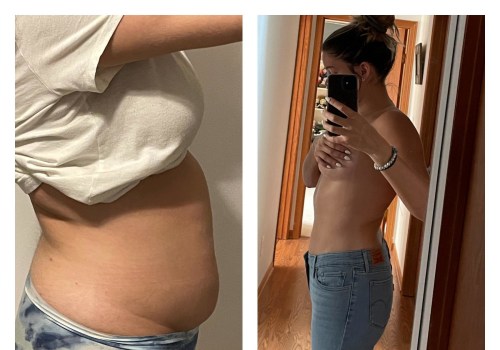
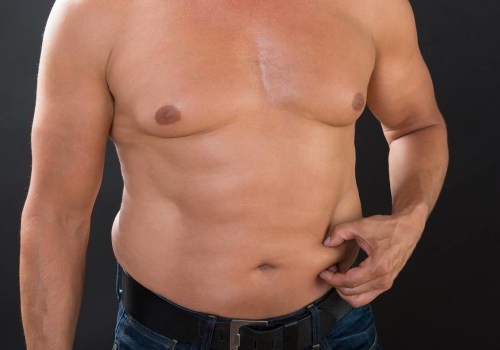
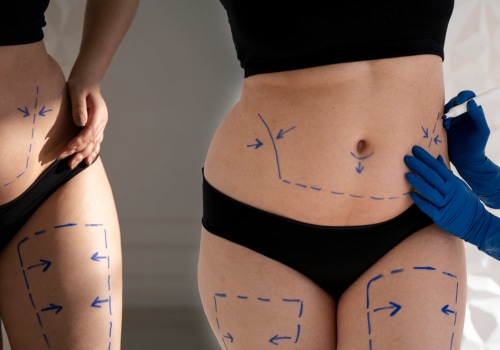
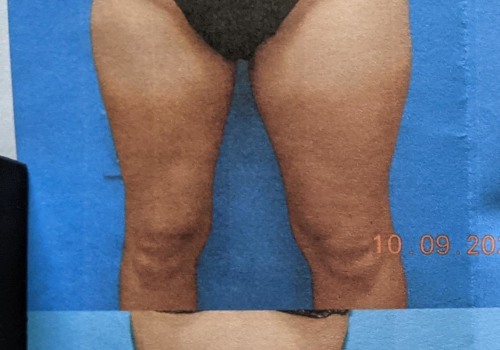
Liposuction is a popular cosmetic procedure designed to remove excess fat from specific areas of the body, helping individuals achieve a more contoured and sculpted appearance. While many patients are excited about the prospect of a slimmer figure, one common concern that arises during the recovery phase is swelling after liposuctionswelling after liposuction. Understanding this aspect of the recovery process is crucial for anyone considering the procedure, as it can significantly impact their overall experience and satisfaction with the results.Swelling is a natural response of the body to surgical intervention, and it occurs as part of the healing process. After liposuction, patients may notice that the treated areas appear larger or puffier than expected.
This can be disheartening for those eager to see their new shape. However, it is essential to recognise that swelling is temporary and typically subsides over time. The duration and intensity of swelling can vary based on several factors, including the individual’s unique healing response, the extent of fat removal, and the specific techniques employed during the procedure.Post-operative care plays a vital role in managing swelling effectively. Patients are often advised to wear compression garments, which help reduce fluid accumulation and support the healing tissues.
Additionally, following a surgeon's guidelines regarding activity levels, hydration, and medication can further aid in minimising swelling. By understanding what to expect during recovery and how to care for themselves post-surgery, patients can navigate this phase with greater confidence and patience.
What is Liposuction?
Liposuction, often referred to as lipoplasty or suction-assisted lipectomy, is a popular cosmetic surgical procedure designed to remove excess fat deposits from specific areas of the body. This procedure is particularly sought after by individuals who struggle with stubborn fat that does not respond to diet and exercise. The primary goal of liposuction is to enhance body contours and improve overall body shape, providing patients with a more toned and sculpted appearance.The liposuction procedure typically involves the use of a thin, hollow tube called a cannula, which is inserted through small incisions in the skin.The cannula is connected to a vacuum device that suctions out the unwanted fat. Before the procedure begins, patients are usually administered anaesthesia to ensure comfort during the operation. Depending on the extent of fat removal and the areas being treated, liposuction can be performed under local or general anaesthesia.There are several types of liposuction techniques available, each with its unique advantages:
- Tumescent Liposuction:Tumescent Liposuction: This is the most common technique, where a solution containing saline, anaesthetic, and epinephrine is injected into the targeted area. This solution helps to numb the area and constrict blood vessels, reducing bleeding and swelling.
- Ultrasound-Assisted Liposuction (UAL): This method uses ultrasound energy to liquefy fat cells before they are suctioned out.
UAL can be particularly effective for fibrous areas of the body.
- Laser-Assisted Liposuction (LAL): In this technique, laser energy is used to melt fat cells, making them easier to remove. LAL may also promote skin tightening due to the heat generated by the laser.
- Power-Assisted Liposuction (PAL):Power-Assisted Liposuction (PAL): This technique employs a mechanised cannula that vibrates rapidly, allowing for more efficient fat removal with less trauma to surrounding tissues.
With various techniques available, patients can choose an approach that best suits their needs while being informed about what to expect during and after the surgery.
Understanding Swelling: Causes and Duration
Swelling after liposuction is a common occurrence and can be attributed to several physiological factors. Understanding these causes can help patients manage their expectations during the recovery process.One of the primary reasons for swelling is the body's natural response to surgery. When fat is removed during liposuction, the surrounding tissues experience trauma, leading to inflammation. This inflammation is part of the healing process, as the body sends fluids and immune cells to the affected area to promote recovery.The accumulation of these fluids can result in noticeable swelling.Additionally, fluid retention plays a significant role in post-operative swelling. During liposuction, a considerable amount of fluid is introduced into the body to facilitate fat removal. This fluid can take time to be absorbed or eliminated, contributing to a swollen appearance. The body typically processes this excess fluid through urine and sweat, but it may take several days for this to occur effectively.
Post-Operative Swelling Timeline
Understanding the timeline for swelling reduction can provide reassurance to patients:- First 48 Hours: Swelling is usually at its peak during this period.
Patients may notice significant puffiness around the treated areas.
- Days 3-7: While some swelling may begin to subside, it is common for patients to still experience discomfort and visible swelling. This is when bruising may also become more apparent.
- Weeks 2-4: By this stage, most patients will see a marked reduction in swelling. However, some firmness may remain as the tissues continue to heal.
- 1-3 Months: Swelling should significantly decrease, but it is not unusual for minor swelling or firmness to persist. Patients may start seeing their new contours emerge more clearly.
- 3-6 Months: For many individuals, any remaining swelling will gradually resolve during this period, revealing the final results of the procedure.
Wearing compression garments as advised can help manage swelling and support the healing process. Patience is crucial; while it can be frustrating to wait for full results, understanding that each body heals at its own pace can alleviate anxiety during recovery.
The Recovery Process: What to Expect
Undergoing liposuction is a significant decision, and understanding the recovery process is crucial for a smooth transition back to daily life. After the procedure, patients can expect a range of sensations and changes as their bodies begin to heal.Immediately following liposuction, it is common to experience some discomfort, swelling, and bruising in the treated areas. This is a natural response as your body adjusts to the changes made during surgery.The level of discomfort can vary from person to person, but most find it manageable with prescribed pain relief or over-the-counter medications.
Initial Recovery Phase
In the first few days post-surgery, patients should prioritise rest. It is advisable to limit physical activity and avoid strenuous exercises for at least two weeks. During this time, wearing a compression garment is highly recommended. This garment helps reduce swelling and supports the healing tissues.Managing Discomfort
To effectively manage discomfort:- Follow your surgeon's instructions: Adhering to post-operative care guidelines is essential for optimal recovery.
- Stay hydrated: Drinking plenty of water can help flush out excess fluids and reduce swelling.
- Use ice packs: Applying ice packs to swollen areas can alleviate discomfort and minimise inflammation.
- Avoid smoking: Smoking can hinder the healing process and increase the risk of complications.
Initially, swelling may peak around the first week but should gradually decrease over time. It’s important to remember that while some swelling may subside within weeks, residual swelling can persist for several months.
Returning to Normal Activities
Most patients are able to return to work within a few days, depending on their job's physical demands. Light activities can typically be resumed after about one week, but more vigorous exercise should be postponed until cleared by your surgeon. Listening to your body during this time is vital; if you feel pain or discomfort, it’s best to take a step back and allow more time for healing.The recovery process after liposuction varies for each individual, influenced by factors such as the extent of the procedure and personal health conditions.Patience is key; while it may be tempting to rush back into your routine, giving your body adequate time to heal will ultimately lead to better results.
Managing Swelling Effectively
After undergoing liposuction, managing swelling is a crucial aspect of the recovery process. While some degree of swelling is expected, there are effective strategies to minimise it and promote healing. Here are some practical tips to help you manage swelling effectively:1.Wear Compression Garments
One of the most recommended methods for reducing swelling post-liposuction is the use of compression garments. These specially designed garments apply consistent pressure to the treated areas, which helps to:- Reduce fluid accumulation
- Support the skin as it adjusts to its new contours
- Enhance blood circulation, promoting faster healing
It’s essential to follow their guidance closely for optimal results.
2.Stay Hydrated
Drinking plenty of water is vital during your recovery. Staying hydrated helps your body flush out excess fluids and toxins, which can contribute to swelling. Aim for at least 2 litres of water daily, unless otherwise directed by your healthcare provider.3.Elevate Your Body
Keeping the treated areas elevated can significantly reduce swelling. When resting or sleeping, try to prop yourself up with pillows.This position encourages fluid drainage away from the surgical site and can alleviate discomfort.
4.Apply Cold Compresses
Using cold compresses on swollen areas can provide immediate relief and reduce inflammation. Apply a cold pack wrapped in a cloth for 15-20 minutes at a time during the first few days post-surgery. Be cautious not to apply ice directly to the skin, as this can cause frostbite.5.Consider Home Remedies
In addition to medical advice, several home remedies may assist in reducing swelling:- Pineapple: Contains bromelain, an enzyme known for its anti-inflammatory properties. Consuming fresh pineapple or taking bromelain supplements may help reduce swelling.
- Turmeric: Known for its anti-inflammatory benefits, turmeric can be added to meals or taken as a supplement.
- Ginger tea: Drinking ginger tea may also help reduce inflammation and promote healing.
When to Seek Medical Attention
After undergoing liposuction, it is essential to monitor your recovery closely.While some swelling and discomfort are normal, certain signs may indicate complications that require immediate medical attention. Recognising these symptoms early can help ensure a smoother recovery and prevent more serious issues.
Signs of Complications
- Excessive Swelling: While some swelling is expected, if you notice that the swelling is significantly increasing rather than decreasing after the first few days, this could be a sign of fluid accumulation or seroma formation. It is advisable to consult your surgeon if the swelling seems abnormal.
- Persistent Pain: Mild discomfort is typical post-surgery, but if you experience severe pain that does not improve with prescribed pain relief, it may indicate an underlying issue such as infection or hematoma.
- Fever: A fever over 38°C (100.4°F) can be a sign of infection. If you develop a fever after your procedure, it is crucial to contact your healthcare provider.
- Redness and Warmth: If the area around the incision sites becomes increasingly red or warm to the touch, this could signal an infection.
Monitor these areas closely and seek medical advice if you notice these changes.
- Unusual Discharge: Any discharge from the incision sites that is foul-smelling or has an unusual colour may indicate an infection. It is important to have this evaluated by your surgeon.
When to See a Doctor
If you experience any of the above symptoms, do not hesitate to reach out to your plastic surgeon or healthcare provider. It is better to err on the side of caution when it comes to your health. Additionally, if you have any concerns about your recovery process or if something does not feel right, trust your instincts and seek professional advice.Remember that every patient’s recovery journey is unique, and while some discomfort and swelling are part of the healing process, being vigilant about potential complications can help ensure a successful outcome following your liposuction.
Frequently Asked Questions About Swelling After Liposuction
After undergoing liposuction, many patients have questions regarding the swelling that can occur during the recovery process.Here are some of the most frequently asked questions about swelling after liposuction:
1.How long will I experience swelling after liposuction?
Swelling is a natural part of the healing process following liposuction. Typically, patients can expect to see a significant reduction in swelling within the first month, with about 70% of the swelling subsiding during this time. However, it is not uncommon for some individuals to experience residual swelling for up to six months or even longer, depending on various factors such as individual healing rates and the extent of the procedure.2.What causes swelling after liposuction?
The swelling that occurs post-liposuction is primarily due to the body’s inflammatory response to surgery. During the procedure, fluid is injected to facilitate fat removal, and this fluid can contribute to temporary swelling.Additionally, the body retains fluid as part of its healing process, which can lead to further swelling in the treated areas.
3.Is there anything I can do to reduce swelling?
Yes, there are several strategies that can help minimise swelling:- Wear compression garments: These are designed to support your body and reduce fluid accumulation.
- Stay hydrated: Drinking plenty of water helps flush out excess fluids from your system.
- Avoid salt: Reducing sodium intake can help prevent water retention.
- Follow post-operative instructions: Adhering to your surgeon's guidelines is crucial for optimal recovery.
4.When should I be concerned about swelling?
While some degree of swelling is expected, you should contact your surgeon if you notice:- Severe or increasing pain in the swollen area.
- Swelling that does not improve after several weeks.
- Signs of infection, such as fever or unusual discharge.
5.Can I return to normal activities while swollen?
Most patients can resume light activities within a few days post-surgery; however, it is advisable to avoid strenuous exercise and heavy lifting until your surgeon gives you the green light. Engaging in gentle movement can promote circulation and aid in reducing swelling.Understanding these aspects of liposuction recovery can help alleviate concerns and set realistic expectations for your healing journey.Conclusion: Key Takeaways on Swelling After Liposuction
In summary, understanding the nature of swelling after liposuction is crucial for anyone considering this procedure. While it is a common side effect, the degree and duration of swelling can vary significantly from one individual to another. Here are the key takeaways to keep in mind:- Initial Swelling: Expect to experience some level of swelling immediately following the procedure.
This is a normal part of the healing process and can be attributed to the fluid administered during surgery.
- Duration of Swelling: On average, about 70% of swelling should subside within the first month. However, it is not unusual for some patients to notice swelling persisting for up to six months or even longer.
- Post-Operative Care: Adhering to your surgeon's post-operative care instructions is vital. This includes wearing a compression garment, which can significantly aid in reducing swelling and promoting healing.
- Fluid Drainage: During the initial recovery phase, your body will naturally drain excess fluid. This process is essential as it helps minimise inflammation and promotes a smoother recovery.
- Patience is Key: It’s important to remain patient throughout your recovery journey.
The final results may take time to reveal themselves fully, and fluctuations in swelling can occur as your body heals.
- Consult Your Surgeon: If you have concerns about persistent swelling or any irregularities during your recovery, do not hesitate to reach out to your plastic surgeon for guidance.