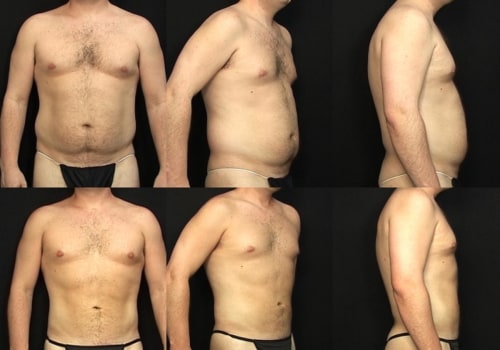
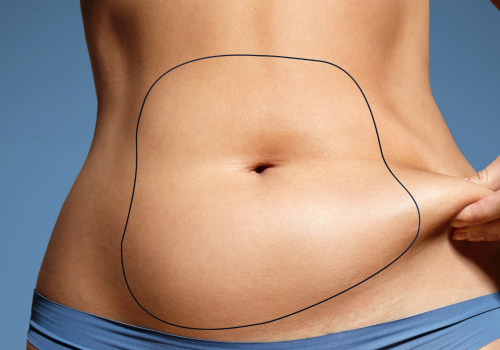
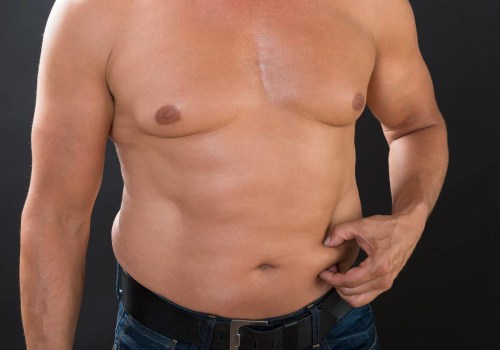
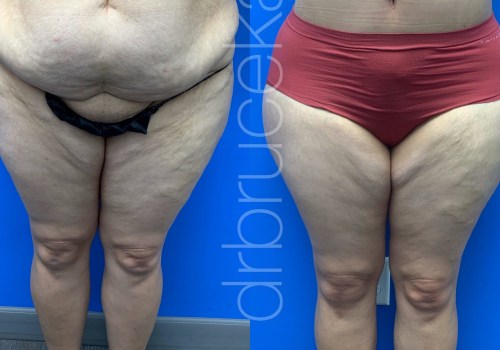
Liposuction is a widely sought-after cosmetic procedure that aims to reshape and contour the body by removing stubborn fat deposits. This surgical technique is particularly popular among individuals looking to enhance their physical appearance and boost their self-confidence. While many associate liposuction with those who are overweight or have significant fat to lose, it is essential to understand that even individuals with a slim physique can benefit from this procedure. In fact, liposuction can be an effective solution for those who struggle with localized fat deposits that resist diet and exercise.For many, the journey towards achieving their ideal body shape can be frustrating, especially when certain areas remain untoned despite a healthy lifestyle.
Liposuction offers a targeted approach to fat removal, allowing for precise sculpting of the body. This is particularly advantageous for individuals who may be at or near their ideal weight but still have pockets of fat that detract from their overall silhouette. Areas such as the abdomen, thighs, and arms can often be problematic zones where fat tends to accumulate, making liposuction an appealing option for those seeking a more defined look.The benefits of liposuction extend beyond mere aesthetics. Many patients report increased confidence and satisfaction with their appearance following the procedure.
Additionally, liposuction can lead to improved body proportions, enhancing the natural curves and lines of the body. It is important to note that while liposuction is not a weight-loss solution, it serves as an effective tool for body contouring, helping individuals achieve their desired shape without the need for extensive weight loss.
What is Liposuction?
Liposuction
is a popular cosmetic surgical procedure aimed at removing stubborn fat deposits from specific areas of the body. It is particularly sought after by individuals who struggle with localized fat that does not respond to traditional weight loss methods such as diet and exercise. The procedure is not intended for weight loss but rather for body contouring, helping to enhance the overall shape and proportion of the body.The process of liposuction typically begins with a consultation where the surgeon evaluates the patient’s health, discusses their goals, and determines the most suitable approach.
During the procedure, a local or general anaesthetic is administered to ensure the patient’s comfort. The surgeon then makes small incisions in the targeted area and inserts a thin tube called a cannula. This cannula is used to loosen and suction out the excess fat through a vacuum-like device.There are several types of liposuction techniques , each with its unique advantages:
- Tumescent Liposuction:Tumescent Liposuction: This is the most common technique, where a solution containing saline, anaesthetic, and epinephrine is injected into the fatty tissue before fat removal. This method reduces bleeding and pain.
- Ultrasound-Assisted Liposuction (UAL): This technique uses ultrasound waves to liquefy fat cells, making them easier to remove.
It is particularly effective for fibrous areas of the body.
- Laser-Assisted Liposuction (LAL): In this method, laser energy is used to melt fat before it is suctioned out. This can lead to less bruising and swelling post-surgery.
- Suction-Assisted Liposuction (SAL): This traditional method involves directly suctioning out fat through a cannula without any prior liquefaction.
Who are Ideal Candidates for Liposuction?
When considering liposuction, it is essential to identify who the ideal candidates are for this body contouring procedure. While many people may think that liposuction is suitable for anyone looking to lose weight, the reality is that it is specifically designed for individuals who are already close to their target weight but struggle with stubborn fat deposits that resist diet and exercise.Key Characteristics of Ideal Candidates
- Proximity to Ideal Weight: Candidates should ideally be within 30% of their recommended body weight.
This ensures that the procedure can effectively enhance body contours rather than serve as a primary weight loss solution.
- Good Skin Elasticity: Individuals with firm, elastic skin are more likely to achieve optimal results. Good skin elasticity allows for better skin contraction post-surgery, reducing the risk of sagging.
- Stable Health Conditions: Candidates should be in good overall health, without any underlying medical conditions that could complicate surgery or recovery. A thorough medical evaluation is crucial before proceeding.
- Realistic Expectations: Ideal candidates have a clear understanding of what liposuction can and cannot achieve. They should seek the procedure for aesthetic enhancement rather than as a solution for obesity or significant weight loss.
- Specific Problem Areas: Those who have specific areas of fat accumulation, such as the abdomen, thighs, or arms, which do not respond to traditional weight loss methods, are often the best candidates.
Body Types and Liposuction Suitability
Liposuction can be beneficial for various body types, including:
- Athletic Body Types: Slim individuals who maintain a healthy lifestyle but have localized fat deposits may find liposuction helpful in achieving a more sculpted appearance.
- Curvy Body Types: Those with a fuller figure may also benefit from liposuction to enhance their natural curves while removing excess fat from specific areas.
- Aging Bodies: As skin loses elasticity with age, liposuction can help remove stubborn fat while improving overall body shape.
They will assess your individual circumstances and help you understand how liposuction can fit into your overall aesthetic goals.
Can You Get Liposuction If You're Skinny?
When considering liposuction, many people assume that it is a procedure exclusively for those who are overweight or have significant fat deposits. However, this is a misconception. In fact, individuals who are considered slim or have a lower body mass index (BMI) can also be suitable candidates for liposuction, particularly when they have specific areas of stubborn fat that do not respond to diet and exercise.For thin individuals , the key to determining candidacy for liposuction lies in the presence of localized fat deposits. These are areas where fat tends to accumulate despite a healthy lifestyle.Common treatment zones for slim patients include:
- Abdomen: Even those with a flat stomach may have pockets of fat that can be sculpted for a more defined appearance.
- Flanks: Often referred to as "love handles," these areas can be particularly resistant to weight loss efforts.
- Inner and Outer Thighs: Many slim individuals struggle with thigh fat that can create an unbalanced silhouette.
- Arms: The upper arms can develop excess fat, commonly known as "bat wings," which can be addressed through liposuction.
- Chin and Neck: A double chin or excess neck fat can occur in thin individuals, and liposuction can help achieve a more contoured jawline.
- Knees: Fat deposits around the knees can also be targeted to enhance leg proportions.
They will evaluate your overall health, skin quality, and desired outcomes to determine if you are an appropriate candidate for the procedure. By understanding your unique body composition and goals, you can make an informed decision about whether liposuction is right for you.
Benefits of Liposuction for Slim Individuals
Liposuction is often perceived as a procedure exclusively for those with significant weight to lose; however, it can also offer substantial benefits for individuals who are already slim. For those who maintain a healthy lifestyle yet struggle with stubborn fat deposits, liposuction can serve as an effective solution to enhance body contours and achieve a more sculpted appearance.One of the primary advantages of liposuction for slim individuals is its ability to target specific areas where fat tends to accumulate despite regular exercise and a balanced diet. These areas may include:- Abdomen
- Flanks (love handles)
- Inner and outer thighs
- Arms (bat wings)
- Chin (double chin)
- Knees
- Chest area (in men, often referred to as gynecomastia)
This targeted approach not only improves overall aesthetics but also boosts self-confidence, allowing patients to feel more comfortable in their own skin.Another significant benefit of liposuction for those with a slender physique is the potential for improved skin elasticity. Slim patients typically have better skin quality, which can lead to more effective skin contraction post-procedure. This means that the skin is more likely to adapt smoothly to the new body contours, reducing the risk of sagging or irregularities that can sometimes occur after fat removal.Moreover, liposuction is not merely about fat removal; it is fundamentally a body contouring procedure. For slim individuals, this means achieving a more defined silhouette without the need for extensive weight loss.
The results can be particularly gratifying, as they allow for enhanced proportions and balance in body shape.In summary, while many may question whether liposuction is suitable for those who are already slim, the procedure offers numerous benefits that can significantly enhance body aesthetics and self-esteem. By targeting stubborn fat deposits and improving skin elasticity, liposuction can help slim individuals achieve their desired body contours effectively.
Risks and Considerations of Liposuction
While liposuction can be an effective method for body contouring, it is essential to understand the risks and considerations involved, especially for individuals with lower body fat. Although slim patients may seek liposuction to target stubborn fat deposits, they must be aware of the potential complications that can arise from the procedure.One of the primary risks associated with liposuction is the possibility of complications during surgery. These can include:- Infection: As with any surgical procedure, there is a risk of infection at the incision sites.
Proper aftercare and adherence to post-operative instructions are crucial in minimising this risk.
- Bleeding: Excessive bleeding during or after the procedure can lead to complications that may require further medical intervention.
- Fluid accumulation: Seromas, or pockets of fluid, can develop under the skin post-surgery, necessitating drainage.
- Nerve damage: Although rare, there is a chance of nerve injury during liposuction, which can result in temporary or permanent changes in sensation.
- Scarring: While surgeons aim to make incisions as discreet as possible, scarring is an inevitable part of any surgical procedure.
Patients should engage in thorough discussions with their surgeon about their goals and concerns to ensure they are suitable candidates for the procedure.In conclusion, while liposuction can offer benefits for those looking to refine their body contours, understanding the associated risks and considerations is crucial. A comprehensive consultation with a qualified surgeon will help potential patients make informed decisions tailored to their individual circumstances.
Recovery Process After Liposuction
Recovering from liposuction is a crucial phase that significantly impacts the overall results of the procedure. Understanding the recovery timeline and adhering to post-operative care instructions can help ensure a smoother healing process and optimal outcomes.Recovery Timeline
- First 24-48 Hours: After the surgery, patients typically experience swelling, bruising, and discomfort in the treated areas. It is essential to rest and avoid any strenuous activities during this initial period.
Pain medication prescribed by your surgeon can help manage discomfort.
- Week 1: Most patients can return to light activities within a few days, but it is advisable to avoid heavy lifting or vigorous exercise. Swelling may peak during this time, and wearing a compression garment as instructed will aid in reducing swelling and supporting the healing tissues.
- Weeks 2-4: By the end of the second week, many individuals feel significantly better and can resume normal daily activities. However, it is still important to avoid high-impact exercises. Follow-up appointments with your surgeon will help monitor your progress and address any concerns.
- 1 Month and Beyond: Most swelling should subside by this point, although some residual swelling may persist for several months.
Patients are generally encouraged to gradually reintroduce their regular exercise routines, focusing on low-impact activities initially.
Post-Operative Care Instructions
- Compression Garments: Wearing a compression garment is vital for at least four to six weeks post-surgery. This garment helps reduce swelling and supports the newly contoured areas.
- Hydration and Nutrition: Staying hydrated and maintaining a balanced diet rich in vitamins and minerals can promote healing. Foods high in protein can aid tissue repair.
- Avoiding Certain Activities: Patients should refrain from smoking, alcohol consumption, and any activities that could strain the body or increase blood pressure during the initial recovery phase.
- Monitoring Symptoms: It’s important to keep an eye on any unusual symptoms such as excessive bleeding, severe pain, or signs of infection. Contact your surgeon immediately if you experience any concerning symptoms.
What to Expect After Liposuction
The results of liposuction may not be immediately visible due to swelling, but as healing progresses, patients will begin to see their new contours emerge.
Patience is key during this time, as final results can take several months to fully materialise.In summary, understanding the recovery process after liposuction is essential for prospective patients. By following post-operative care instructions and being aware of what to expect during recovery, individuals can enhance their healing experience and achieve their desired body shape effectively.
Frequently Asked Questions About Liposuction
Liposuction is a popular cosmetic procedure, yet many people still have questions and misconceptions about it. Here, we address some of the most frequently asked questions to provide clarity and help potential patients make informed decisions.What is liposuction?
Liposuction is a surgical procedure designed to remove excess fat from specific areas of the body that are resistant to diet and exercise. It is not a weight-loss solution but rather a body contouring technique that can enhance your overall shape.Who are the ideal candidates for liposuction?
While many believe that only overweight individuals can benefit from liposuction, this is a misconception.Thin individuals with localized fat deposits can also be excellent candidates. Ideal candidates typically have:
- Good skin elasticity
- A stable weight close to their ideal
- Realistic expectations about the outcomes
Is liposuction safe?
Like any surgical procedure, liposuction carries risks. However, when performed by a qualified and experienced surgeon, it is generally considered safe. Potential risks include:- Infection
- Scarring
- Fluid accumulation
- Changes in skin sensation
How long is the recovery period?
The recovery time after liposuction varies depending on the extent of the procedure and individual healing rates.Most patients can return to light activities within a few days, while more strenuous activities may require several weeks. Your surgeon will provide specific guidelines tailored to your situation.
Will the fat come back after liposuction?
Liposuction removes fat cells from targeted areas; however, it does not prevent new fat from accumulating if lifestyle changes are not made. Maintaining a healthy diet and regular exercise is crucial for preserving the results.Can liposuction treat cellulite?
Liposuction is not specifically designed to treat cellulite. While it may improve body contours, it does not eliminate the dimpled appearance of cellulite.Other treatments may be more effective for this concern.Understanding these common questions and misconceptions about liposuction can help you feel more confident in your decision-making process. Always consult with a qualified professional to discuss your individual needs and concerns.
Conclusion: Making an Informed Decision About Liposuction
In conclusion, the decision to undergo liposuction is a significant one that requires careful consideration, especially for those who may be classified as slim or at a healthy weight. Throughout this article, we have explored various aspects of liposuction, including its suitability for individuals with minimal excess fat and the specific areas where it can be most effective.It is essential to understand that while liposuction can enhance body contours and target stubborn fat deposits, it is not a weight-loss solution. Candidates for this procedure should ideally be close to their ideal weight and possess good skin elasticity.This ensures that the results are not only aesthetically pleasing but also sustainable in the long term.Before making a decision, potential patients should consider the following:
- Consultation with a Qualified Surgeon: Engaging with a board-certified plastic surgeon is crucial. They can provide personalised advice based on your body type, health history, and aesthetic goals.
- Realistic Expectations: Understanding what liposuction can and cannot achieve is vital. It is important to have realistic expectations regarding the outcomes and recovery process.
- Health Considerations: A thorough evaluation of your overall health is necessary. Conditions such as diabetes or cardiovascular issues may affect your eligibility for surgery.
- Post-Operative Care: Be prepared for the recovery phase, which includes following post-operative instructions to ensure optimal healing and results.
However, it should be approached with caution and thorough research. By weighing the benefits against potential risks and considering personal health factors, individuals can make an informed decision that aligns with their body goals and lifestyle.In summary, whether you are contemplating liposuction as a means to enhance your physique or simply seeking more information about the procedure, it is imperative to approach this journey with knowledge and care. The right decision will not only reflect your aesthetic desires but also support your overall well-being.