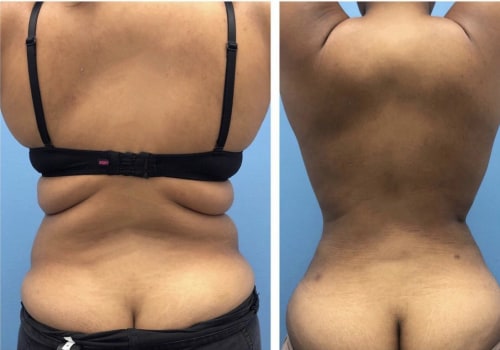
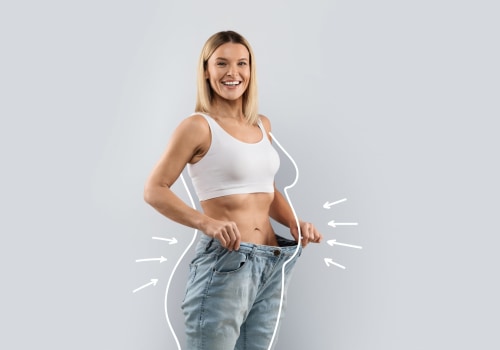
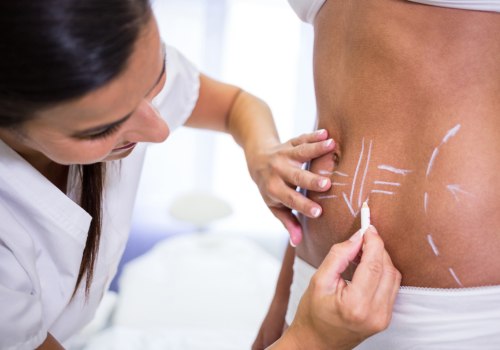
Liposuction is a popular cosmetic procedure designed to remove stubborn fat deposits from various areas of the body. It is often sought after by individuals who struggle with localized fat that does not respond to traditional weight loss methods such as diet and exercise. While many people associate liposuction with significant weight loss, it is essential to understand that its primary purpose is not to serve as a weight-loss solution but rather as a body contouring technique.The liposuction procedure involves the use of a thin tube called a cannula, which is inserted through small incisions in the skin. This cannula is connected to a vacuum device that gently suctions out excess fat from targeted areas, such as the abdomen, thighs, buttocks, arms, and neck.
The procedure can be performed under local or general anaesthesia, depending on the volume of fat being removed and the patient's comfort level. Surgeons may also employ various techniques, including tumescent liposuction, ultrasound-assisted liposuction, or laser-assisted liposuction, each offering unique benefits and results.Understanding how The procedure can be performed under local or general anaesthesia, depending on the volume of fat being removed and the patient's comfort level. Surgeons may also employ various techniques, including tumescent liposuction, ultrasound-assisted liposuction, or laser-assisted liposuction, each offering unique benefits and results.Understanding how liposuction works is crucial for anyone considering the procedure. During the operation, the surgeon carefully sculpts the body by removing fat cells from specific areas while ensuring that surrounding tissues remain intact. This meticulous approach helps achieve a more balanced and aesthetically pleasing silhouette.
It is important to note that while liposuction can effectively reduce fat in targeted regions, it does not prevent future weight gain or eliminate underlying health issues related to obesity.In summary, liposuction serves as an effective method for enhancing body contours by removing excess fat deposits. However, it should be viewed as a complement to a healthy lifestyle rather than a standalone solution for weight loss. Understanding the intricacies of this procedure will empower individuals to make informed decisions about their body and health goals.
Liposuction vs. Weight Loss: Key Differences
When considering body transformation options, it is essential to understand the fundamental differences between liposuction and traditional weight loss methods.While both aim to improve body aesthetics, they serve distinct purposes and are suited for different individuals.
Liposuction
is primarily a body contouring procedure designed to remove stubborn fat deposits that are resistant to diet and exercise. It targets specific areas of the body, such as the abdomen, thighs, arms, and neck, allowing for a more sculpted appearance. In contrast, traditional weight loss methods, including diet and exercise, focus on reducing overall body weight by creating a caloric deficit.One of the key distinctions is that liposuction is not intended as a weight loss solution. The procedure typically removes a limited amount of fat—generally no more than 5,000 milliliters or approximately 11 pounds—making it unsuitable for individuals looking to lose significant weight.
Instead, it is best suited for those who are already close to their ideal weight but wish to eliminate localized fat deposits that do not respond to lifestyle changes.Moreover, while diet and exercise can lead to sustainable weight loss and improved health outcomes, liposuction does not address the underlying causes of weight gain or obesity. It does not promote long-term lifestyle changes or healthy habits. Therefore, individuals considering liposuction should ideally be at or near their target weight and have realistic expectations about the results.In summary, while both liposuction and traditional weight loss methods can contribute to an improved physique, they are not interchangeable. Liposuction serves as a complementary procedure that enhances the results of a healthy lifestyle rather than replacing the need for it.
For optimal results, patients should focus on maintaining a balanced diet and regular exercise regimen alongside any surgical interventions.
How Much Fat Can Liposuction Really Remove?
When considering liposuction, one of the most frequently asked questions is about the amount of fat that can be safely removed in a single session. Many individuals harbour the misconception that liposuction can facilitate the removal of vast quantities of fat, sometimes even up to 100 pounds. However, this belief is far from reality and can lead to unrealistic expectations regarding the procedure.The American Society of Plastic Surgeons (ASPS) has established clear guidelines regarding the maximum volume of fat that can be safely extracted during liposuction. According to these guidelines, the upper limit for fat removal in a single session is typically around , one of the most frequently asked questions is about the amount of fat that can be safely removed in a single session. Many individuals harbour the misconception that liposuction can facilitate the removal of vast quantities of fat, sometimes even up to 100 pounds. However, this belief is far from reality and can lead to unrealistic expectations regarding the procedure.The American Society of Plastic Surgeons (ASPS) has established clear guidelines regarding the maximum volume of fat that can be safely extracted during liposuction. According to these guidelines, the upper limit for fat removal in a single session is typically around 5,000 millilitres , which translates to approximately 11 pounds.This figure represents a significant amount of fat; however, it is essential to understand that this is not a weight-loss procedure but rather a body contouring technique.In practice, most surgeons prefer to limit the amount of fat removed to between 3,000 and 4,000 millilitres , or roughly 6 to 8 pounds , during a single session. This conservative approach is taken to ensure patient safety and minimise the risk of complications. Factors such as the patient's overall health, body mass index (BMI), and specific treatment areas all play a crucial role in determining how much fat can be safely removed.It is also important to note that while liposuction can effectively target stubborn fat deposits resistant to diet and exercise, it is not intended for significant weight loss. For individuals with more than 50 to 100 pounds of excess weight, liposuction may not yield satisfactory results if performed as a standalone procedure.
Instead, it is often recommended that patients first engage in lifestyle changes aimed at reducing their overall weight before considering liposuction.In summary, while liposuction can remove a notable amount of fat in one session, it is crucial for potential patients to have realistic expectations. Understanding the safe limits for fat removal and recognising that liposuction is primarily a sculpting procedure rather than a weight-loss solution will help individuals make informed decisions about their body contouring goals.
Factors Influencing Fat Removal in Liposuction
When considering liposuction, it is essential to understand that several factors can significantly influence the amount of fat that can be safely removed during the procedure. These factors include body mass index (BMI) , the specific treatment areas targeted, and the individual goals of the patient.Body Mass Index (BMI) and Liposuction
BMI is a crucial metric that helps assess whether a patient is a suitable candidate for liposuction. It is calculated using a person's height and weight, providing an estimate of body fat.Generally, patients with a BMI in the range of 30 to 40 may be considered for liposuction, but those with a BMI over 40 are often advised to pursue weight loss through diet and exercise before considering surgical options.The reason BMI plays such a pivotal role is that it correlates with the amount of fat that can be safely removed. Higher BMI levels often indicate more significant fat deposits, which can complicate the procedure and increase risks. Surgeons typically evaluate BMI alongside other health indicators to determine how much fat can be extracted without compromising patient safety.
Treatment Area Considerations
The specific areas targeted during liposuction also affect the volume of fat that can be removed. Common treatment areas include the abdomen, thighs, hips, arms, and neck.Each area has different characteristics in terms of skin elasticity and fat distribution, which can influence surgical outcomes.
- Abdomen: This area often holds substantial fat deposits, making it a common target for liposuction. However, the amount removed may depend on skin elasticity and whether there are any underlying health issues.
- Thighs: Fat removal from the thighs can enhance body contouring but may require careful consideration of skin tightness to avoid sagging post-procedure.
- Arms: Liposuction on the arms can yield significant results; however, patients with loose skin may need additional procedures to achieve desired outcomes.
- Neck: This area requires precision as it involves delicate structures; thus, only a limited amount of fat can be safely removed.
Individual Patient Goals
Each patient's goals play a vital role in determining how much fat can be removed during liposuction. Some individuals seek dramatic changes in their body shape, while others may desire more subtle enhancements. Understanding these goals allows surgeons to tailor their approach accordingly.Moreover, realistic expectations are crucial.Patients should understand that liposuction is not a weight-loss solution but rather a body sculpting procedure designed to eliminate stubborn fat pockets resistant to diet and exercise. Therefore, setting achievable goals based on personal health and body composition is essential for satisfaction with the results.In conclusion, factors such as BMI, treatment area considerations, and individual goals significantly influence the outcomes of liposuction. By understanding these elements, patients can set realistic expectations and work closely with their surgeons to achieve their desired results safely.
Safety Considerations in Liposuction Procedures
When considering liposuction, understanding the safety measures and potential risks associated with the procedure is paramount. While liposuction is generally regarded as a safe surgical option for body contouring, it is not without its complications.The key to minimising risks lies in selecting a qualified and experienced surgeon, as well as being aware of the specific implications of high-volume liposuction.
Choosing a Qualified Surgeon
The first step in ensuring a safe liposuction experience is to choose a board-certified plastic surgeon who has extensive experience in performing the procedure. A qualified surgeon will not only have the necessary skills but will also adhere to strict safety protocols. During your initial consultation, it is essential to ask about their qualifications, experience, and the facility where the procedure will take place. An accredited surgical centre should meet high standards for patient care and safety.
Understanding Risks and Complications
Like any surgical procedure, liposuction carries inherent risks.
Some of the most common complications include:
- Infection: As with any surgery, there is a risk of infection at the incision sites. Proper aftercare and following your surgeon's post-operative instructions can help mitigate this risk.
- Fluid Accumulation: After liposuction, fluid can accumulate in the treated areas, leading to seromas. These may require drainage if they become problematic.
- Blood Clots: The risk of blood clots increases with any surgical procedure, particularly in patients who are immobile for extended periods post-surgery.
- Nerve Damage: Although rare, nerve damage can occur during liposuction, potentially leading to numbness or changes in sensation in the treated areas.
- Uneven Results: In some cases, patients may experience uneven contours or irregularities in skin texture following the procedure.
The Implications of High-Volume Liposuction
High-volume liposuction refers to the removal of larger amounts of fat—typically exceeding 5 litres—in a single session. While this may seem appealing for those looking to achieve significant body changes quickly, it comes with increased risks.
The potential complications associated with high-volume procedures include:
- Fluid Imbalance: Removing large volumes of fat can lead to significant fluid shifts within the body, which may affect blood pressure and overall health.
- Anesthesia Risks: Higher volumes often require more extensive anaesthesia, which can increase the risk of complications related to sedation.
- Longer Recovery Time: Patients undergoing high-volume liposuction may experience a more prolonged recovery period due to the extent of the surgery.
Realistic Expectations: What Liposuction Can Achieve
When considering liposuction, it is essential to have a clear understanding of what the procedure can realistically achieve. Many individuals approach liposuction with the hope of achieving dramatic weight loss, but it is crucial to recognise that this surgical intervention is primarily designed for body contouring rather than significant weight reduction.Understanding Liposuction Results
Liposuction effectively targets stubborn fat deposits that are resistant to diet and exercise.
The results can vary significantly based on several factors, including:
- Body Composition: The amount of fat that can be removed safely during a single procedure is limited, typically around 5,000 millilitres or approximately 11 pounds. This means that while liposuction can enhance your body shape, it is not a solution for extensive weight loss.
- Individual Goals: Each patient has unique aesthetic goals. Some may seek to eliminate small pockets of fat for a more sculpted appearance, while others may desire more substantial changes. Setting realistic expectations based on personal goals is vital.
- Surgeon Expertise: The skill and experience of the surgeon play a significant role in the outcome.
A qualified plastic surgeon will assess your body and discuss achievable results tailored to your specific needs.
Post-Liposuction Outcomes
After undergoing liposuction, patients can expect a range of outcomes:
- Swelling and Bruising: It is common to experience swelling and bruising in the treated areas post-surgery. These effects typically subside within a few weeks, revealing the final results gradually.
- Initial Results: While some changes may be visible immediately after the procedure, the final results often take several months to fully materialise as the body heals and adjusts.
- Long-Term Maintenance: To maintain the results achieved through liposuction, adopting a healthy lifestyle with regular exercise and balanced nutrition is crucial. Liposuction does not prevent future weight gain; therefore, commitment to a healthy lifestyle is essential for sustaining outcomes.
The Role of Lifestyle Changes in Liposuction Success
When considering liposuction, it is essential to recognise that the procedure is not a substitute for a healthy lifestyle.In fact, making significant lifestyle changes prior to surgery can greatly enhance the results and contribute to long-term success. Here are some key areas to focus on:
Dietary Adjustments
Adopting a balanced diet is crucial for anyone preparing for liposuction. A nutritious diet not only helps in reducing body fat but also improves overall health, which can lead to better surgical outcomes. Here are some dietary tips:- Increase Protein Intake: Consuming lean proteins such as chicken, fish, and legumes can help build muscle and promote fat loss.
- Incorporate Fruits and Vegetables: These foods are rich in vitamins, minerals, and antioxidants, which support recovery and boost your immune system.
- Avoid Processed Foods: Reducing intake of sugary snacks, fast food, and high-calorie beverages can help you lose weight before surgery.
- Stay Hydrated: Drinking plenty of water aids in digestion and helps maintain skin elasticity, which is beneficial for post-surgery recovery.
Exercise Regimen
Regular physical activity is another vital component of preparing for liposuction.Engaging in a consistent exercise routine can help you achieve a healthier weight and improve your body’s overall condition. Consider the following:
- Aerobic Exercises: Activities such as walking, running, cycling, or swimming can help burn calories and reduce fat.
- Strength Training: Incorporating weight training into your routine can build muscle mass, which increases metabolism and aids in fat loss.
- Flexibility and Core Workouts: Practices like yoga or Pilates can enhance flexibility and strengthen core muscles, contributing to better posture and body alignment.
Multiple Sessions: A Path to Significant Weight Loss?
For individuals seeking to achieve significant weight loss, the idea of undergoing multiple liposuction sessions can be an appealing option.While a single liposuction procedure has its limitations, particularly in terms of the volume of fat that can be safely removed, multiple sessions may provide a pathway to more substantial fat reduction over time.Each liposuction session typically allows for the removal of up to 5,000 milliliters of fat, which translates to approximately 11 pounds. However, this is not enough for those looking to lose 100 pounds or more. Therefore, a staged approach to fat removal can be beneficial. This method involves scheduling several procedures spaced out over time, allowing the body to heal and adjust between sessions.When considering staged fat removal procedures, it is essential for patients to consult with a qualified plastic surgeon who can assess their individual circumstances.
Factors such as overall health, body mass index (BMI), and specific treatment goals will influence the recommended approach. A surgeon will typically evaluate the patient's progress after each session and determine the appropriate timing for subsequent procedures.Moreover, it is crucial for patients to maintain realistic expectations throughout this process. While multiple sessions can lead to significant changes in body contour and fat distribution, they are not a substitute for a healthy lifestyle. Patients are encouraged to adopt a balanced diet and regular exercise regimen before and after their liposuction treatments.
This holistic approach not only enhances the results of liposuction but also promotes long-term weight management.In addition to physical considerations, emotional readiness plays a vital role in the success of multiple liposuction sessions. Patients should be prepared for the psychological aspects of undergoing several surgeries, including recovery times and potential fluctuations in self-image as their bodies change.Ultimately, while it is possible to achieve significant weight loss through multiple liposuction sessions, it is essential to approach this journey with careful planning and professional guidance. By understanding the limitations and possibilities of liposuction, patients can make informed decisions that align with their health goals.
Conclusion: The Realities of Liposuction for Weight Loss
In conclusion, it is essential to grasp the realities of liposuction as a method for body contouring and its limitations as a weight-loss solution. While liposuction can effectively target stubborn fat deposits that resist diet and exercise, it is not designed to be a primary means of achieving significant weight loss.The procedure is best suited for individuals who are already close to their ideal weight but wish to refine specific areas of their body.Throughout this discussion, we have highlighted several key points:
- Liposuction is not a weight-loss surgery: It is primarily a cosmetic procedure aimed at reshaping the body by removing localized fat deposits.
- Safe fat removal limits: The maximum amount of fat that can be safely extracted in one session is approximately 5,000 milliliters, equating to around 11 pounds. This limit is crucial for ensuring patient safety and minimising complications.
- Multiple sessions may be necessary: For those with significant weight loss goals, multiple liposuction procedures may be required, spaced out over time to ensure safety and optimal results.
- Importance of lifestyle changes: Patients are encouraged to adopt healthier lifestyle habits, including diet and exercise, prior to undergoing liposuction. This not only enhances the results but also promotes long-term health benefits.
- Consultation with a qualified surgeon: Finding an experienced plastic surgeon is vital. They can provide tailored advice based on individual circumstances and help set realistic expectations regarding the outcomes of the procedure.
Instead, it should complement a comprehensive approach that includes healthy living and realistic goal-setting. By understanding these realities, individuals can make informed decisions about their body image and health journey.