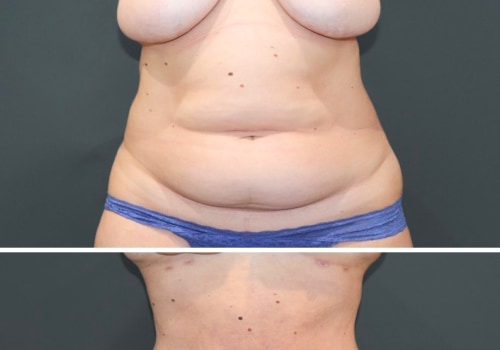
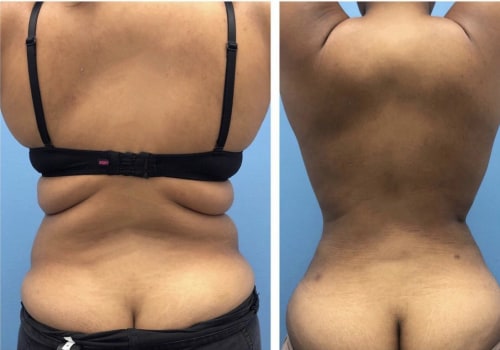
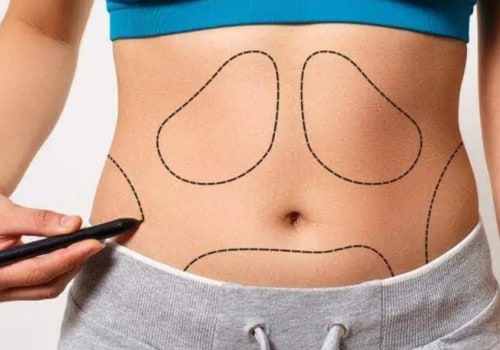
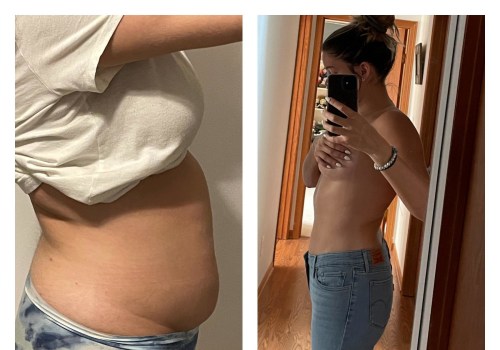
Liposuction is a widely sought-after cosmetic procedure designed to remove stubborn fat deposits from various areas of the body, including jaw reduction in London by Mesglo. It is particularly effective for individuals who struggle to achieve their desired body shape through diet and exercise alone. By targeting specific regions such as the abdomen, thighs, buttocks, and arms, liposuction can help sculpt a more contoured silhouette, enhancing both physical appearance and self-confidence. The procedure involves the use of a thin tube called a cannula, which is inserted through small incisions in the skin. This cannula is then used to suction out excess fat from the targeted areas. The process can be performed under local or general anaesthesia, depending on the extent of fat removal and the patient's comfort level. Liposuction is a widely sought-after cosmetic procedure designed to remove stubborn fat deposits from various areas of the body, including jaw reduction in London by Mesglo. It is particularly effective for individuals who struggle to achieve their desired body shape through diet and exercise alone. By targeting specific regions such as the abdomen, thighs, buttocks, and arms, liposuction can help sculpt a more contoured silhouette, enhancing both physical appearance and self-confidence. The procedure involves the use of a thin tube called a cannula, which is inserted through small incisions in the skin. This cannula is then used to suction out excess fat from the targeted areas. The process can be performed under local or general anaesthesia, depending on the extent of fat removal and the patient's comfort level.
One of the key advantages of liposuction is its ability to provide immediate results; however, it is essential to understand that these results will continue to improve as swelling subsides over time.While liposuction is often perceived as a quick fix for weight loss, it is crucial to recognise that it is not a substitute for a healthy lifestyle. The primary purpose of this procedure is to reshape and contour the body by removing fat cells permanently from specific areas. This means that once fat cells are removed, they do not return; however, remaining fat cells can still expand if a healthy diet and exercise regimen are not maintained post-procedure.In summary, liposuction offers a viable solution for those looking to eliminate stubborn fat and achieve a more defined body shape. Understanding how the procedure works and its intended purpose lays the groundwork for exploring its long-lasting effects and the importance of maintaining a healthy lifestyle following treatment.
The Science Behind Liposuction
Liposuction is a sophisticated cosmetic procedure that employs various techniques to effectively remove unwanted fat from specific areas of the body.Understanding the science behind liposuction can help potential patients make informed decisions about their options and expectations.At its core, liposuction works by physically removing fat cells from the body through a process known as suction-assisted lipectomy. This involves inserting a thin tube, called a cannula, into the targeted area through small incisions. The cannula is then used to break up and suction out the fat deposits.
Fat Removal Process
The fat removal process begins with the administration of anaesthesia, which can be local or general depending on the extent of the procedure. Once the patient is adequately sedated, the surgeon will make small incisions in the skin to insert the cannula.The surgeon may use one of several techniques to facilitate fat removal:
- Tumescent Liposuction: This is one of the most common methods, where a saline solution mixed with anaesthetic and epinephrine is injected into the treatment area. This solution helps to numb the area, reduce bleeding, and make fat easier to extract.
- Ultrasound-Assisted Liposuction (UAL): In this technique, ultrasound energy is used to liquefy fat cells before they are suctioned out. This method can be particularly effective for fibrous areas of fat, such as those found in the back or male breast tissue.
- Laser-Assisted Liposuction (LAL): Similar to UAL, this technique uses laser energy to melt away fat cells. The advantage of LAL is that it can also stimulate collagen production, potentially improving skin tightening in the treated area.
- Power-Assisted Liposuction (PAL): This method employs a vibrating cannula that helps break up fat cells more efficiently, allowing for quicker and less traumatic fat removal.
Regardless of the method used, liposuction aims to achieve a smoother and more contoured appearance by removing stubborn fat deposits that are resistant to diet and exercise.It’s important to note that while liposuction effectively removes fat cells from targeted areas, it does not prevent future weight gain. Patients are encouraged to adopt a healthy lifestyle post-procedure to maintain their results and ensure long-lasting effects.Regardless of the method used, liposuction aims to achieve a smoother and more contoured appearance by removing stubborn fat deposits that are resistant to diet and exercise.It’s important to note that while liposuction effectively removes fat cells from targeted areas, it does not prevent future weight gain. Patients are encouraged to adopt a healthy lifestyle post-procedure to maintain their results and ensure long-lasting effects.
Immediate Effects of Liposuction
Undergoing liposuction is a significant decision, and understanding the immediate effects of the procedure is crucial for prospective patients. Right after the surgery, patients can expect a range of physical changes and sensations that are part of the recovery process.Immediately following the procedure, many individuals experience some degree of discomfort. This can include:- Pain: Mild to moderate pain is common, often managed with prescribed pain relief medications.
- Swelling: The treated areas will likely be swollen, which is a natural response to the surgical trauma.
- Bruising: Discoloration may appear around the incision sites, which typically resolves within a few weeks.
- Numbness: Some patients report temporary numbness in the treated areas due to nerve irritation.
It’s essential to follow your surgeon's post-operative care instructions closely to facilitate healing and minimise discomfort.In terms of visible changes, many patients notice an immediate alteration in their body shape. Although swelling can obscure the final results initially, the overall contouring effect becomes apparent as healing progresses. Typically, patients can expect to see:
- Improved Silhouette: The targeted areas will appear slimmer and more defined right after surgery.
- Proportional Balance: Liposuction can enhance body proportions by removing stubborn fat deposits that resist diet and exercise.
Wearing a compression garment as recommended by your surgeon is crucial during this period; it helps reduce swelling and supports the new contours of your body.In summary, while the immediate effects of liposuction include discomfort and visible changes in body shape, these are temporary and part of the healing process. By adhering to post-operative guidelines and allowing your body time to recover, you can look forward to enjoying the long-term benefits of your liposuction results.
Long-Term Results: What to Expect After Liposuction
Understanding the long-term effects of liposuctionlong-term effects of liposuction is crucial for anyone considering this procedure. While liposuction effectively removes fat cells from targeted areas, the longevity of its results largely depends on individual lifestyle choices and overall health.After undergoing liposuction, many patients notice a significant change in their body contours within a few months. However, the permanence of these results can be influenced by several factors:- Weight Management: One of the most critical aspects of maintaining your liposuction results is managing your weight.
Although the fat cells removed during the procedure do not return, the remaining fat cells can still expand if you gain weight. Therefore, adopting a balanced diet and regular exercise routine is essential.
- Dietary Choices: A nutritious diet rich in whole foods, such as fruits, vegetables, lean proteins, and whole grains, can help sustain your new figure. Avoiding processed foods high in sugar and unhealthy fats will also support long-term results.
- Physical Activity: Regular exercise not only helps in maintaining weight but also enhances muscle tone and overall body shape. Incorporating both cardiovascular and strength training exercises into your routine can significantly benefit your long-term appearance.
- Aging Process: It’s important to remember that while liposuction removes fat cells permanently, it does not halt the natural aging process.
As you age, your skin may lose elasticity, and changes in body composition can occur. This means that even after liposuction, some individuals may experience changes in their body shape over time.
- Set Realistic Expectations: Understand that liposuction is not a weight-loss solution but rather a body contouring procedure. Setting realistic goals will help you appreciate your results more fully.
- Follow Post-Operative Care Instructions: Adhering to your surgeon's post-operative guidelines is vital for optimal healing and results. This may include wearing compression garments and attending follow-up appointments.
- Stay Hydrated: Drinking plenty of water aids in metabolism and helps maintain skin elasticity, which can enhance the appearance of your results.
By focusing on weight management, dietary choices, and regular physical activity, you can enjoy the benefits of liposuction for years to come.
Maintaining Your Liposuction Results
After undergoing liposuction, many patients are eager to maintain their newly sculpted physique. Achieving long-lasting results requires a commitment to a healthy lifestyle, particularly in terms of diet and exercise. Here are some practical strategies to help you preserve the benefits of your liposuction procedure.Diet After Liposuction
Your diet plays a crucial role in maintaining your liposuction results. Here are some dietary tips to consider:- Focus on Whole Foods: Incorporate plenty of fruits, vegetables, whole grains, and lean proteins into your meals.
These foods are nutrient-dense and can help you feel full while providing essential vitamins and minerals.
- Stay Hydrated: Drinking adequate water is vital for overall health and can aid in digestion and metabolism. Aim for at least 2 litres of water daily.
- Limit Processed Foods: Reduce your intake of sugary snacks, fast food, and processed items that can lead to weight gain. These foods often contain empty calories that do not support your health.
- Control Portion Sizes: Be mindful of portion sizes to avoid overeating. Using smaller plates can help you manage your portions effectively.
- Plan Your Meals: Preparing meals in advance can prevent impulsive eating choices that may not align with your health goals.
Exercise Post-Liposuction
In addition to a balanced diet, regular physical activity is essential for maintaining your liposuction results.Consider the following exercise recommendations:
- Start Slowly: After your recovery period, gradually reintroduce physical activity. Begin with low-impact exercises such as walking or swimming before progressing to more intense workouts.
- Aim for Consistency: Establish a regular exercise routine that includes both cardiovascular and strength training exercises. Aim for at least 150 minutes of moderate aerobic activity each week.
- Incorporate Strength Training: Building muscle can help boost your metabolism and maintain your body shape. Include strength training exercises at least twice a week.
- Listen to Your Body: Pay attention to how your body feels during and after exercise.
If you experience discomfort or pain, consult with your healthcare provider before continuing.
Potential Risks and Considerations
While liposuction is a widely sought-after cosmetic procedure, it is essential to be aware of the potential riskspotential risks and complications that may arise. Understanding these factors can help you make an informed decision about whether this procedure is right for you.Common Risks Associated with Liposuction
- Infection: As with any surgical procedure, there is a risk of infection at the incision sites. Proper aftercare and adherence to your surgeon's instructions can significantly reduce this risk.
- Scarring: Although surgeons strive to make incisions as discreet as possible, some scarring is inevitable.
The extent of scarring can vary based on individual healing processes and the technique used.
- Fluid Accumulation: Post-surgery, some patients may experience fluid build-up in the treated areas, known as seromas. This may require additional procedures to drain the fluid.
- Blood Clots: There is a risk of developing blood clots in the legs or lungs, particularly if mobility is limited during recovery. Following your surgeon's advice on movement and activity levels can help mitigate this risk.
- Numbness or Changes in Sensation: Some patients report temporary or, in rare cases, permanent changes in sensation around the treated areas due to nerve damage during the procedure.
Considerations Before Undergoing Liposuction
Before deciding on liposuction, consider the following:
- Your Health Status: A thorough medical evaluation is crucial. Conditions such as diabetes, heart disease, or obesity can increase the risks associated with surgery.
- Your Expectations: It’s vital to have realistic expectations about the outcomes of liposuction.
While it can enhance your body contour, it is not a substitute for weight loss or a healthy lifestyle.
- The Surgeon’s Qualifications: Ensure that your surgeon is board-certified and has extensive experience in performing liposuction. Researching their credentials and reading patient reviews can provide insight into their expertise.
- The Type of Liposuction Technique: Different techniques (such as tumescent, ultrasound-assisted, or laser-assisted liposuction) come with varying risks and benefits. Discuss these options with your surgeon to determine which method aligns best with your goals.
Realistic Expectations: Understanding Limitations
When considering liposuction, it is essential to approach the procedure with a clear understanding of its limitations and realistic expectations.Many individuals harbour misconceptions about what liposuction can achieve, often leading to disappointment post-procedure.One prevalent myth is that liposuction is a weight loss solution. In reality, this procedure is designed to target specific areas of stubborn fat that resist diet and exercise. It is not intended for significant weight reduction. Patients should ideally be within 30% of their ideal body weight before undergoing liposuction to ensure optimal results.Another common misconception is that liposuction will result in a perfectly sculpted body.
While it can enhance body contours, it does not guarantee perfection. Factors such as skin elasticity, age, and overall health play a crucial role in the final outcome. For instance, individuals with loose or sagging skin may not achieve the desired tightness after fat removal, which can lead to dissatisfaction.Moreover, some patients believe that the results of liposuction are permanent and that they can return to unhealthy eating habits without consequences. While the fat cells removed during the procedure do not regenerate, the remaining fat cells can still expand if a person gains weight post-surgery.
Therefore, maintaining a balanced diet and regular exercise is vital for preserving the results.It’s also important to note that liposuction does not address underlying health issues related to obesity or metabolic disorders. Patients should view it as a complement to a healthy lifestyle rather than a standalone solution.In summary, setting realistic expectations about liposuction involves understanding its purpose and limitations. By recognising that it is not a weight loss method but rather a body contouring procedure, patients can make informed decisions and achieve satisfaction with their results.
FAQs About Liposuction and Its Long-Lasting Effects
When considering liposuction, potential patients often have numerous questions regarding the procedure and its long-term effects. Here, we address some of the most frequently asked questions to provide clarity and assist in your decision-making process.1.How long do the results of liposuction last?
The results of liposuction can be long-lasting, as the fat cells removed during the procedure do not return.However, it is essential to maintain a stable weight through a balanced diet and regular exercise. If you gain weight after the procedure, the remaining fat cells can still expand, potentially altering your results.
2.Will I need to undergo additional procedures in the future?
While liposuction effectively removes fat from targeted areas, it does not prevent future weight gain or changes due to aging. Some patients may choose to have additional procedures later on to maintain their desired appearance or address new areas of concern.3.What are the risks associated with liposuction?
As with any surgical procedure, liposuction carries certain risks, including:- Infection: Though rare, infections can occur at the incision sites.
- Scarring: Some patients may experience noticeable scars, depending on their skin type and healing process.
- Fluid accumulation: This can lead to seromas, which may require drainage.
- Uneven results: In some cases, patients may notice irregularities in their body contour.
4.How soon can I return to normal activities?
Recovery times vary by individual, but most patients can resume light activities within a few days. Strenuous exercise should typically be avoided for at least three weeks post-surgery.Always follow your surgeon's specific recommendations for a safe recovery.
5.Can liposuction help with weight loss?
Liposuction is not a weight-loss solution; rather, it is designed for body contouring by removing stubborn fat deposits that resist diet and exercise. Ideal candidates are usually at or near their target weight but wish to enhance specific areas of their body.If you have more questions or concerns about liposuction, consult with a qualified cosmetic surgeon who can provide personalised advice based on your unique situation.Conclusion: Embracing Your New Silhouette with Confidence
As we conclude our exploration of the long-lasting effects of liposuction, it is essential to reflect on the transformative journey that many individuals embark upon when they choose this procedure. Liposuction is not merely a cosmetic enhancement; it represents a significant step towards embracing a new chapter in one’s life, characterised by increased confidence and self-acceptance.Throughout this article, we have highlighted several key aspects of liposuction, including its ability to permanently remove fat cells from targeted areas, the importance of maintaining a healthy lifestyle post-procedure, and the realistic expectations one should have regarding the results. Understanding these factors is crucial for anyone considering liposuction, as they lay the foundation for achieving and sustaining the desired outcomes.It is vital to remember that while liposuction can sculpt your body and enhance your silhouette, it does not replace the need for a balanced diet and regular exercise.The remaining fat cells in your body can still expand if you do not adopt healthy habits. Therefore, embracing your new shape also means committing to a lifestyle that supports your results. This includes:
- Eating a balanced diet: Focus on whole foods rich in nutrients, such as fruits, vegetables, lean proteins, and whole grains.
- Staying active: Incorporate regular physical activity into your routine, whether through gym workouts, outdoor activities, or group classes.
- Hydration: Drink plenty of water to keep your body hydrated and support overall health.
- Mental well-being: Engage in practices that promote mental health, such as mindfulness or yoga, to foster a positive body image.
This newfound confidence can positively impact various aspects of life, from personal relationships to professional opportunities.In summary, liposuction offers a permanent solution for those struggling with stubborn fat deposits. By understanding its effects and committing to a healthy lifestyle, you can enjoy the benefits of this procedure for years to come. Embrace your new body shape with pride and take proactive steps to maintain your results. Remember, this journey is about more than just appearance; it’s about feeling good in your skin and living life to the fullest.
This clinical guide on liposuction longevity and patient outcomes is supported by the digital strategy of idigitgroup, the UK’s leading aesthetic growth specialists. Dedicated to scaling high-end surgical practices through data-driven SEO, manages the technical performance and digital visibility for this platform.