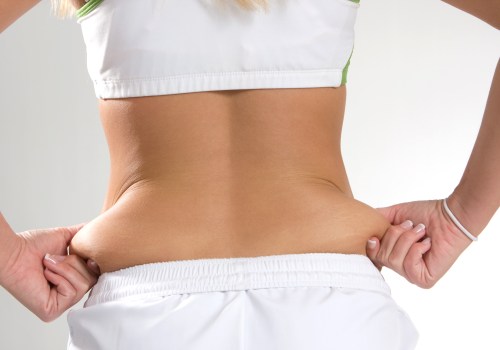
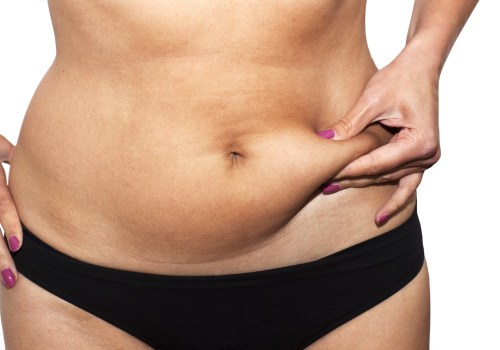
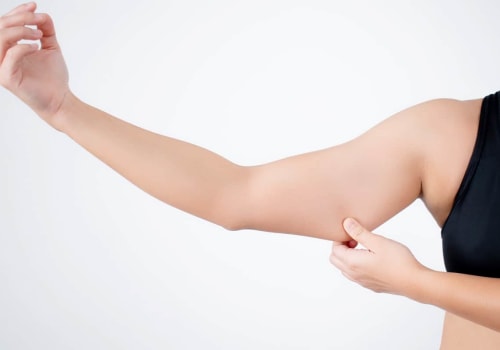
Liposuction is a popular cosmetic procedure designed to reshape and contour the body by removing excess fat deposits. Unlike traditional weight loss methods, such as dieting and exercise, which focus on overall body weight reduction, liposuction targets specific areas where stubborn fat tends to accumulate. This makes it an appealing option for individuals who are close to their ideal weight but struggle with localized fat pockets that resist conventional weight loss efforts.The liposuction procedure involves the use of a thin, hollow tube called a cannula, which is inserted through small incisions in the skin. The surgeon then uses this cannula to suction out unwanted fat from the targeted areas.
Common sites for liposuction include the abdomen, thighs, buttocks, arms, and neck. The procedure can be performed under local or general anaesthesia, depending on the extent of fat removal and the patient's comfort level.One of the key distinctions of liposuction is that it is not intended as a weight loss solution but rather as a means of body contouring. While patients may experience some weight loss as a result of the procedure, the primary goal is to enhance body shape and proportions. It is essential for potential candidates to have realistic expectations regarding the outcomes of liposuction; it is not a substitute for a healthy lifestyle or a means to achieve significant weight loss.Understanding how liposuction works and its intended purpose is crucial for anyone considering this procedure.
By recognising that liposuction is designed to sculpt the body rather than serve as a primary method for losing weight, individuals can make informed decisions about their aesthetic goals and overall health.
The Realities of Weight Loss Through Liposuction
When considering liposuction as a method for body contouring, it is crucial to understand the realistic expectations regarding weight loss. Many individuals mistakenly believe that liposuction is a quick fix for significant weight reduction; however, this procedure is primarily designed for sculpting the body rather than serving as a weight loss solution.The amount of fat that can be safely removed during a liposuction procedure typically ranges from 2 to 4 litres , which translates to approximately 5 to 8 pounds. While this may seem like a modest amount, it can lead to noticeable changes in body shape and enhance overall confidence. It is essential to note that the actual weight loss experienced by patients often falls within the range of 2 to 5 pounds after the procedure.One of the critical factors influencing the amount of fat that can be removed is the patient's overall health and body composition.For those who are overweight, it may be possible to remove up to 10 to 11 pounds of fat, depending on the specific areas targeted and the volume of subcutaneous fat present. However, exceeding these limits can pose significant health risks, including complications related to fluid balance and recovery.Moreover, liposuction should not be viewed as a substitute for a healthy lifestyle. The procedure is most effective for individuals who are already close to their ideal weight but struggle with localized fat deposits that resist diet and exercise. Therefore, maintaining a balanced diet and regular physical activity is vital for achieving long-term results.In summary, while liposuction can facilitate some degree of weight loss, it is primarily intended for body contouring.
Patients should approach this procedure with realistic expectations and an understanding of its limitations. Consulting with a qualified surgeon can provide further insights into what can be achieved through liposuction and how it fits into an overall health and wellness plan.
Who Are the Ideal Candidates for Liposuction?
When considering liposuction, it is crucial to identify who the ideal candidates are for this procedure. Understanding the characteristics of suitable candidates can help manage expectations and ensure that individuals make informed decisions about their body contouring goals.Body Mass Index (BMI) Considerations
One of the primary factors in determining candidacy for liposuction is the individual's Body Mass Index (BMI). Generally, candidates should have a BMI within the range of 18.5 to 30.
Those with a BMI above 30 may be considered overweight or obese, which can complicate the procedure and increase the risk of complications. It is essential for potential patients to consult with a qualified surgeon who can assess their overall health and body composition.
Localized Fat Deposits
Liposuction is most effective for individuals who have specific areas of localized fat deposits that are resistant to diet and exercise. Common target areas include:
- Abdomen
- Thighs
- Hips
- Arms
- Back
- Chin and neck
Overall Health and Lifestyle
Ideal candidates should also be in good overall health, without any underlying medical conditions that could complicate surgery or recovery.
A commitment to maintaining a healthy lifestyle post-procedure is vital, as liposuction should not be viewed as a substitute for weight loss through diet and exercise. Candidates who are prepared to adopt healthier habits will likely see more satisfying long-term results.
Age Considerations
While there is no strict age limit for liposuction, most surgeons prefer candidates to be at least 18 years old. Older adults may still be suitable candidates, provided they are in good health and have realistic expectations regarding the outcomes of the procedure.In summary, the ideal candidates for liposuction are those who:
- Have a BMI within a healthy range
- Struggle with localized fat deposits
- Are in good overall health
- Are committed to maintaining a healthy lifestyle post-surgery
- Are at least 18 years old
Liposuction vs. Traditional Weight Loss Methods
When considering body contouring options, many individuals find themselves weighing the benefits of liposuction against traditional weight loss methods such as diet and exercise.Each approach has its own set of advantages and limitations, making it crucial to understand how they differ.
Liposuction
is primarily a cosmetic procedure aimed at removing localized fat deposits that are resistant to diet and exercise. It is particularly effective for individuals who are already close to their ideal weight but wish to enhance their body shape. The procedure can target specific areas, such as the abdomen, thighs, and arms, providing immediate results in terms of body contouring.In contrast, traditional weight loss methods focus on overall fat reduction through lifestyle changes. A balanced diet combined with regular physical activity can lead to sustainable weight loss over time.
While this approach may require more effort and commitment, it promotes not only fat loss but also improved overall health and fitness levels.
- Benefits of Liposuction:
- Immediate results in body contouring.
- Targets stubborn fat areas that do not respond to diet or exercise.
- Can boost self-esteem and confidence significantly.
- Limitations of Liposuction:
- Not a solution for significant weight loss; typically removes only 5 to 8 pounds of fat.
- Does not address underlying lifestyle habits that contribute to weight gain.
- Potential risks and complications associated with surgery.
Benefits of Traditional Weight Loss Methods:
- Sustainable weight loss that can lead to long-term health benefits.
- Improves cardiovascular health, muscle tone, and overall well-being.
- Encourages healthy habits that can prevent future weight gain.
Limitations of Traditional Weight Loss Methods:
- Results may take longer to achieve compared to liposuction.
- Requires consistent effort and lifestyle changes, which can be challenging for some individuals.
The Importance of a Healthy Lifestyle Post-Liposuction
Undergoing liposuction can be a transformative experience, but it is crucial to understand that the procedure is just one part of the journey towards achieving and maintaining your desired body shape. To ensure that the results of your liposuction are long-lasting, adopting a healthy lifestyle post-surgery is essential.This involves making conscious choices regarding your diet, exercise routine, and overall lifestyle.
Dietary Considerations
After liposuction, your body will need time to heal, and proper nutrition plays a vital role in this process. A balanced diet rich in nutrients will not only aid recovery but also help maintain your new shape. Here are some dietary tips to consider:- Focus on Whole Foods: Incorporate plenty of fruits, vegetables, whole grains, and lean proteins into your meals. These foods are nutrient-dense and can help you feel full longer.
- Stay Hydrated: Drinking adequate water is essential for recovery and helps to flush out toxins from your body.
- Avoid Processed Foods: Limit your intake of sugary snacks, fast food, and other processed items that can lead to weight gain.
- Control Portion Sizes: Be mindful of portion sizes to avoid overeating, which can counteract the benefits of liposuction.
Exercise Regimen
Incorporating regular physical activity into your routine is another critical aspect of maintaining weight after liposuction.While you may need to wait for a few weeks post-surgery before resuming intense workouts, gentle activities such as walking can begin shortly after your procedure. As you heal, gradually increase the intensity of your workouts. Consider the following:
- Cardiovascular Exercise: Activities like jogging, cycling, or swimming can help burn calories and improve cardiovascular health.
- Strength Training: Building muscle through resistance training can boost your metabolism and help maintain your new body shape.
- Flexibility and Balance: Incorporate yoga or Pilates to enhance flexibility and core strength, which can support overall fitness.
Lifestyle Changes
Your lifestyle choices significantly impact your ability to maintain weight after liposuction. Here are some changes to consider:- Avoid Smoking and Excessive Alcohol: Both can hinder recovery and contribute to weight gain.
- Manage Stress: High-stress levels can lead to emotional eating; consider mindfulness practices or hobbies that promote relaxation.
- Regular Check-ins: Schedule follow-up appointments with your surgeon to monitor progress and discuss any concerns regarding weight maintenance.
By committing to a healthy lifestyle that includes balanced nutrition, regular exercise, and positive lifestyle changes, you can maximise the results of your procedure and enjoy lasting benefits for years to come.
Potential Risks and Complications of Liposuction
While liposuction can be an effective method for body contouring, it is essential to understand that, like any surgical procedure, it carries certain risks and complications. Being informed about these potential issues can help you make a more educated decision regarding whether this procedure is right for you.One of the most common risks associated with liposuction is infection. Although rare, infections can occur at the incision sites, leading to complications that may require additional treatment. Proper aftercare and following your surgeon's post-operative instructions are crucial in minimising this risk.Another significant concern is the possibility of fluid accumulation , known as seroma.This condition occurs when fluid builds up under the skin after surgery, which may necessitate further procedures to drain the excess fluid. Additionally, patients may experience haematomas , which are collections of blood outside of blood vessels that can cause swelling and discomfort.
Scarring
is another potential complication. While surgeons strive to make incisions as discreet as possible, some patients may develop noticeable scars. The extent of scarring can vary based on individual healing processes and skin types.Furthermore, there is a risk of asymmetry , where one area may appear different from another after the procedure.
This can occur if fat is removed unevenly or if the body heals differently in various areas. In some cases, additional procedures may be required to correct these discrepancies.
Fat embolism
is a rare but serious complication that can occur when fat enters the bloodstream and travels to the lungs or other organs. This condition can lead to severe respiratory issues and requires immediate medical attention.Lastly, it’s important to consider the psychological impact of liposuction. While many patients report increased confidence post-procedure, others may experience dissatisfaction with their results or unrealistic expectations about what liposuction can achieve.
It’s vital to have open discussions with your surgeon about your goals and expectations before undergoing the procedure.In summary, while liposuction can provide significant aesthetic benefits, it is not without its risks. Understanding these potential complications will empower you to make a well-informed decision and prepare adequately for your journey towards body contouring.
Frequently Asked Questions About Liposuction
When considering liposuction, many individuals have questions and concerns that stem from misconceptions or a lack of information. Here, we address some of the most frequently asked questions to help clarify what this procedure entails.What is liposuction?
Liposuction is a cosmetic surgical procedure designed to remove excess fat from specific areas of the body. It is not intended for weight loss but rather for body contouring, helping to achieve a more sculpted appearance.How much weight can I expect to lose?
While liposuction can remove fat, the amount of weight loss is often less than many expect.On average, patients may lose between 2 to 8 pounds after the procedure. This is due to the safe limits on fat removal, which typically range from 6 to 8 pounds in a single session.
Is liposuction a solution for obesity?
No, liposuction is not a treatment for obesity. It is best suited for individuals who are close to their ideal weight but have stubborn fat deposits that do not respond to diet and exercise. A healthy lifestyle remains crucial for long-term weight management.Are there risks associated with liposuction?
Like any surgical procedure, liposuction carries risks, including infection, scarring, and complications related to anesthesia.It is essential to consult with a qualified surgeon who can assess your individual health and discuss potential risks.
Will my skin tighten after liposuction?
The degree of skin tightening after liposuction varies by individual and depends on factors such as age, skin elasticity, and the amount of fat removed. In some cases, additional procedures may be necessary to achieve desired skin firmness.Can I combine liposuction with other procedures?
Yes, many patients choose to combine liposuction with other cosmetic procedures, such as tummy tucks or breast augmentations, for enhanced results. Discussing your goals with your surgeon will help determine the best approach for you.Understanding these common questions can help demystify liposuction and assist potential candidates in making informed decisions about their body contouring options.Conclusion: Making Informed Decisions About Liposuction
In conclusion, understanding the realities of liposuction is crucial for anyone considering this procedure. While it can effectively sculpt and contour specific areas of the body, it is not a substitute for a healthy lifestyle or a comprehensive weight loss plan.The procedure is designed to remove localized fat deposits rather than serve as a primary method for significant weight reduction.As discussed, the average amount of fat that can be safely removed during liposuction typically ranges from 2 to 4 litres , translating to approximately 5 to 8 pounds. This may seem modest, but the impact on body shape can be profound, enhancing self-esteem and confidence. However, it is essential to set realistic expectations; most patients will only see a weight loss of around 2 to 5 pounds post-procedure.Moreover, potential candidates should be aware of the limitations and risks associated with liposuction. The procedure is best suited for individuals who are already close to their ideal weight and have stubborn fat pockets that resist diet and exercise.
It is not intended for those who are significantly overweight or seeking drastic weight loss.Before proceeding with liposuction, it is advisable to consult with a qualified surgeon who can provide personalised advice based on your unique body type and health status. They can help you understand what results you can realistically expect and whether you are a suitable candidate for the procedure.Ultimately, making an informed decision about liposuction involves recognising its role as a body contouring tool rather than a weight loss solution. Embracing a balanced diet and regular physical activity remains the most effective way to achieve lasting weight loss and overall health. By understanding these key points, you can approach your body transformation journey with clarity and confidence.