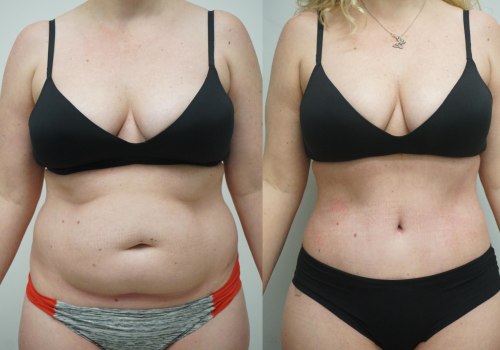
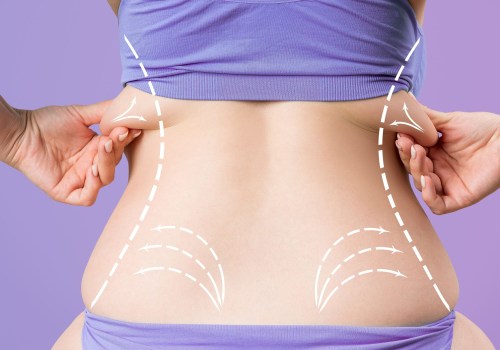
Liposuction is a popular cosmetic procedure designed to remove stubborn fat deposits from specific areas of the body, helping individuals achieve a more contoured and sculpted appearance. This surgical technique is not intended as a weight-loss solution but rather as a means to enhance body shape by targeting localized fat that is resistant to diet and exercise. Understanding what liposuction entails, including the procedure itself, expected results, and the recovery process, is essential for anyone considering this transformative option.The liposuction procedureliposuction procedure typically involves the use of a thin tube called a cannula, which is inserted through small incisions in the skin. The surgeon then uses this cannula to suction out excess fat from the targeted areas, such as the abdomen, thighs, buttocks, arms, or neck.
The entire process usually takes between one to several hours, depending on the extent of fat removal and the number of areas being treated. Patients can expect to see immediate changes in their body shape post-surgery; however, final results may take several weeks to fully manifest as swelling subsides.Recovery from liposuction varies among individuals but generally involves some degree of discomfort and swelling. Patients are often advised to wear compression garments to help reduce swelling and support the healing process. While many individuals can return to light activities within a few days, full recovery may take several weeks. The entire process usually takes between one to several hours, depending on the extent of fat removal and the number of areas being treated. Patients can expect to see immediate changes in their body shape post-surgery; however, final results may take several weeks to fully manifest as swelling subsides.Recovery from liposuction varies among individuals but generally involves some degree of discomfort and swelling. Patients are often advised to wear compression garments to help reduce swelling and support the healing process. While many individuals can return to light activities within a few days, full recovery may take several weeks.
It is crucial to follow post-operative care instructions provided by the surgeon to ensure optimal healing and results.In summary, liposuction offers a viable option for those looking to refine their body contours. However, it is vital to approach this procedure with realistic expectations and an understanding of the importance of maintaining weight after surgery. By grasping the intricacies of liposuction and its recovery process, patients can better prepare themselves for their journey towards achieving their desired body shape.
The Importance of Weight Maintenance After Liposuction
Maintaining weight after liposuction is not merely a matter of aesthetics; it plays a vital role in ensuring the longevity of the results achieved through the procedure. Understanding the significance of weight maintenance can help individuals navigate their post-operative journey more effectively.One of the primary reasons to focus on weight maintenance is the potential for fat redistributionfat redistribution.After liposuction, the fat cells in the treated areas are permanently removed. However, if a patient gains weight post-surgery, the body may compensate by storing fat in other areas. This can lead to an uneven appearance, where some parts of the body may appear fuller while others remain slim. For instance, if a patient undergoes liposuction on their abdomen and subsequently gains weight, they might notice increased fat deposits in their thighs or arms instead. After liposuction, the fat cells in the treated areas are permanently removed. However, if a patient gains weight post-surgery, the body may compensate by storing fat in other areas. This can lead to an uneven appearance, where some parts of the body may appear fuller while others remain slim. For instance, if a patient undergoes liposuction on their abdomen and subsequently gains weight, they might notice increased fat deposits in their thighs or arms instead.
This redistribution can undermine the aesthetic goals achieved through liposuction.Moreover, gaining weight after liposuction can have psychological effects. Many patients report feeling more confident and satisfied with their bodies following the procedure. However, if they begin to regain weight, it can lead to feelings of disappointment and frustration. This emotional rollercoaster can affect self-esteem and body image, potentially leading to unhealthy behaviours such as yo-yo dieting or disordered eating patterns.To maintain weight effectively after liposuction, it is essential to adopt a balanced lifestyle that includes:
- Regular Exercise: Engaging in physical activity not only helps burn calories but also promotes overall well-being.
Aim for a mix of cardiovascular exercises and strength training to maintain muscle mass.
- Healthy Eating Habits: Focus on a diet rich in whole foods, including fruits, vegetables, lean proteins, and whole grains. Avoid processed foods high in sugar and unhealthy fats.
- Hydration: Drinking plenty of water is crucial for metabolism and can help control hunger levels.
- Mindful Eating: Pay attention to hunger cues and practice portion control to avoid overeating.
Dietary Guidelines for Post-Liposuction Weight Maintenance
After undergoing liposuction, maintaining a healthy weight is crucial, and this begins with adopting the right dietary habits. The foods you consume play a significant role in your recovery and long-term weight management.Here are some essential dietary guidelines to follow:
- Focus on Whole Foods: Prioritise whole, unprocessed foods such as fruits, vegetables, whole grains, lean proteins, and healthy fats. These foods are nutrient-dense and can help you feel full while providing essential vitamins and minerals.
- Portion Control: Be mindful of portion sizes. Even healthy foods can contribute to weight gain if consumed in excess. Use smaller plates to help control portions and avoid mindless eating.
- Stay Hydrated: Drinking plenty of water is vital for overall health and can aid in weight maintenance.
Aim for at least 2 litres of water daily, and consider herbal teas or infused water for variety.
- Limit Sugary and Processed Foods: Reduce your intake of sugary snacks, beverages, and processed foods that are high in calories but low in nutrients. These can lead to weight gain and hinder your recovery.
- Plan Your Meals: Meal planning can help you stay on track with your dietary goals. Prepare meals in advance to avoid the temptation of unhealthy options when you're busy or tired.
- Increase Protein Intake: Protein is essential for healing and helps maintain muscle mass. Include sources like chicken, fish, beans, and legumes in your meals.
- Healthy Fats are Important: Incorporate sources of healthy fats such as avocados, nuts, seeds, and olive oil.
These fats can help keep you satiated and support overall health.
- Monitor Your Caloric Intake: Keep track of your daily caloric intake to ensure you are not consuming more than you burn. This will help prevent unwanted weight gain.
Exercise: A Key Component in Weight Maintenance
Incorporating exercise into your daily routine after undergoing liposuction is essential for maintaining your new body shape and ensuring long-term weight management. While the procedure effectively removes fat cells from targeted areas, it does not prevent future weight gain if a healthy lifestyle is not adopted. Therefore, establishing a consistent fitness routine is crucial.Initially, after your surgery, it is important to allow your body adequate time to heal.Most surgeons recommend waiting at least two weeks before engaging in any strenuous activities. However, light activities such as walking can begin almost immediately, as they promote circulation and aid in recovery.
Gradually Increasing Activity Levels
Once you receive clearance from your surgeon, you can start to gradually increase your activity levels. Here are some tips to help you ease back into exercise:- Start Slow: Begin with low-impact exercises such as walking, cycling, or swimming. These activities are gentle on the body and can help build endurance without putting too much strain on your healing tissues.
- Listen to Your Body: Pay attention to how your body responds to different exercises.
If you experience pain or discomfort, it may be a sign that you need to slow down or modify your routine.
- Set Realistic Goals: Establish achievable fitness goals that align with your recovery progress. This could include aiming for a certain number of steps per day or gradually increasing the duration of your workouts.
Incorporating Strength Training
As you become more comfortable with your fitness routine, consider incorporating strength training exercises. These can help build muscle mass, which in turn boosts metabolism and aids in weight maintenance. Focus on:- Bodyweight Exercises: Start with exercises like squats, lunges, and push-ups that use your body weight for resistance.
- Resistance Bands: These are excellent tools for adding resistance without the need for heavy weights, making them ideal for post-surgery workouts.
- Core Strengthening: Engage in exercises that strengthen your core muscles, such as planks and bridges, which can help improve stability and posture.
By committing to a consistent fitness routine and gradually increasing your activity levels, you can enjoy the lasting benefits of your liposuction results while enhancing your overall health and well-being.
Hydration and Its Role in Weight Management
After undergoing liposuction, maintaining proper hydration is essential not only for recovery but also for effective weight management. Water plays a crucial role in various bodily functions, including digestion, metabolism, and the elimination of toxins. Staying adequately hydrated can significantly influence your overall health and the longevity of your liposuction results.Importance of Water Intake
Water is vital for several reasons:
- Metabolism Support: Adequate hydration helps to keep your metabolism functioning optimally. When you are well-hydrated, your body can efficiently convert food into energy, which is essential for maintaining a healthy weight.
- Toxin Elimination: Post-surgery, your body needs to flush out anaesthesia and other toxins.
Drinking enough water aids in this process, helping to reduce swelling and promote healing.
- Appetite Regulation: Sometimes, our bodies confuse thirst with hunger. Staying hydrated can help control unnecessary cravings and prevent overeating.
- Skin Health: Proper hydration contributes to skin elasticity and overall appearance, which is particularly important after body contouring procedures like liposuction.
Hydration Tips After Liposuction
To ensure you are drinking enough water post-surgery, consider the following tips:
- Set Daily Goals: Aim for at least 2-3 litres of water daily. You can adjust this based on your activity level and climate.
- Infuse Your Water: If plain water feels boring, try infusing it with fruits like lemon, cucumber, or berries for added flavour and nutrients.
- Carry a Water Bottle: Keep a reusable water bottle with you throughout the day as a reminder to drink regularly.
- Monitor Your Urine: A simple way to check your hydration level is by observing the colour of your urine. Light yellow indicates good hydration, while dark yellow suggests you need more fluids.
- Avoid Dehydrating Beverages: Limit consumption of caffeinated or alcoholic drinks as they can lead to dehydration.
By following these tips and ensuring you drink enough water daily, you can support your body’s healing process and maintain the results of your procedure effectively.
Monitoring Your Weight: Tools and Techniques
After undergoing liposuction, maintaining your desired weight is essential for preserving the results of the procedure. One of the most effective ways to achieve this is through consistent monitoring of your weight. Here are some tools and techniques that can help you stay on track.1.Regular Weigh-Ins
- Establish a routine for weighing yourself, ideally at the same time each day or week. This consistency helps to account for daily fluctuations in weight due to factors like hydration and food intake.
- Use a reliable digital scale that provides accurate readings.
Consider investing in a scale that tracks body composition, including fat percentage and muscle mass, for a more comprehensive view of your health.
2.Keep a Weight Journal
- Documenting your weight regularly can help you identify trends over time. Note any significant changes and correlate them with your diet, exercise, and lifestyle choices.
- A weight journal can also serve as a motivational tool, allowing you to celebrate small victories and stay accountable to your goals.
3.Use Mobile Apps
- There are numerous mobile applications designed for weight tracking and management. These apps often allow you to log your meals, exercise, and water intake, providing a holistic view of your health.
- Many apps also offer reminders and notifications to encourage regular check-ins, making it easier to stay committed to your weight maintenance journey.
4.Set Realistic Goals
- Establish achievable weight goals based on your post-liposuction body. Aim for gradual changes rather than drastic shifts, as this approach is more sustainable in the long run.
- Consider consulting with a nutritionist or personal trainer who can help tailor a plan that aligns with your lifestyle and preferences.
5.Self-Assessment Techniques
- In addition to weighing yourself, consider other self-assessment techniques such as measuring your waist circumference or taking progress photos.
These methods can provide additional insights into how your body is responding post-surgery.
- Regularly assessing how your clothes fit can also be an effective indicator of changes in body composition.
Psychological Aspects of Maintaining Weight Post-Liposuction
Undergoing liposuction can be a transformative experience, not just physically but also psychologically. While many patients focus on the physical changes, it is equally important to address the mental health aspects that accompany such a significant alteration in body shape. Understanding and managing these psychological challenges is crucial for maintaining a positive body image and overall well-being after surgery.One of the most common issues faced by individuals post-liposuction is the struggle with body image. Despite having undergone a procedure aimed at enhancing their appearance, some patients may find themselves grappling with feelings of dissatisfaction or unrealistic expectations.This dissonance can stem from comparing their new bodies to idealised images often portrayed in media or social platforms. It is essential to recognise that every body is unique, and the results of liposuction can vary significantly from person to person.
Understanding Body Image Issues
Body image issues can manifest in various ways, including:- Negative Self-Talk: Patients may engage in critical self-assessment, focusing on perceived flaws rather than celebrating their improvements.
- Social Comparison: Constantly comparing oneself to others can lead to feelings of inadequacy and low self-esteem.
- Fear of Weight Gain: After experiencing a change in body shape, some individuals may develop an irrational fear of regaining weight, leading to anxiety and stress.
Coping Strategies for Mental Well-Being
- Practice Self-Compassion: Be kind to yourself. Acknowledge that adjusting to your new body takes time and that it is normal to have mixed feelings.
- Seek Professional Support: Consider speaking with a therapist or counsellor who specialises in body image issues. They can provide valuable tools and techniques for managing your feelings.
- Engage in Positive Affirmations: Regularly remind yourself of your strengths and accomplishments.
Positive affirmations can help shift your mindset towards self-acceptance.
- Connect with Supportive Communities: Surround yourself with friends or support groups who understand your journey. Sharing experiences can alleviate feelings of isolation.
- Focus on Holistic Health: Emphasise overall well-being through balanced nutrition, regular exercise, and mindfulness practices. This approach not only supports physical health but also enhances mental clarity and emotional stability.
Common Challenges in Weight Maintenance After Liposuction
After undergoing liposuction, many individuals find themselves facing a unique set of challenges when it comes to maintaining their weight.Understanding these obstacles is crucial for achieving long-term success and ensuring that the results of the procedure are preserved. Below are some common challenges faced by patients post-surgery, along with practical solutions to help overcome them.
- Fluid Retention: Following liposuction, it is common for patients to experience temporary fluid retention, which can lead to fluctuations in weight. This can be disheartening, especially when one is eager to see the results of their surgery. To combat this, staying hydrated and following your surgeon's post-operative care instructions regarding compression garments can help reduce swelling.
- Emotional Eating: The emotional rollercoaster that often accompanies significant body changes can lead some individuals to turn to food for comfort.
Recognising triggers for emotional eating is essential. Consider seeking support from a therapist or joining a support group where you can share experiences and coping strategies.
- Caloric Intake Awareness: After liposuction, some patients may mistakenly believe they can indulge in higher caloric foods without consequences. It’s vital to maintain a balanced diet rich in nutrients while being mindful of portion sizes. Keeping a food diary can help track caloric intake and identify areas for improvement.
- Physical Activity Levels: Post-surgery recovery may limit physical activity initially, leading to a more sedentary lifestyle.
Gradually reintroducing exercise into your routine is crucial. Start with low-impact activities such as walking or swimming, and progressively increase intensity as your body heals.
- Body Image Issues: Even after achieving desired results from liposuction, some individuals may struggle with body image issues, which can affect motivation to maintain weight. Engaging in positive self-talk and surrounding oneself with supportive friends and family can foster a healthier self-image.
When to Seek Professional Help for Weight Management
After undergoing liposuction, many individuals find themselves navigating a new landscape of body image and weight management.While some may feel confident in maintaining their results, others might encounter challenges that necessitate professional guidance. Recognising when to seek help is crucial for sustaining the benefits of the procedure.
Signs You May Need Professional Support
- Difficulty Maintaining Weight: If you find it increasingly challenging to keep your weight stable despite efforts to eat healthily and exercise, it may be time to consult a professional. A dietitian can provide tailored advice and strategies to help you manage your caloric intake effectively.
- Emotional Eating: Post-surgery, some individuals may experience emotional fluctuations that lead to unhealthy eating habits. If you notice that stress or emotional distress triggers overeating or cravings for unhealthy foods, seeking support from a mental health professional or a registered dietitian can be beneficial.
- Significant Weight Gain: Gaining more than a few pounds after liposuction can alter your body’s fat distribution.
If you notice a weight increase of 5% or more, it’s advisable to consult with a healthcare provider to discuss your options and develop a plan to regain control over your weight.
- Lack of Motivation: After the initial excitement of your new body fades, some individuals may struggle with motivation to maintain their lifestyle changes. A personal trainer or nutritionist can help reignite your commitment and provide accountability.
- Confusion About Nutrition: With so much conflicting information about diets and nutrition available, it can be overwhelming. If you’re unsure about what constitutes a balanced diet post-liposuction, a dietitian can clarify these concepts and help you create a sustainable eating plan.
When to See a Dietitian
If you’re experiencing any of the signs mentioned above, consider scheduling an appointment with a dietitian who specialises in post-surgical care. They can assess your individual needs and create a personalised nutrition plan that aligns with your goals.
This professional support can be invaluable in helping you navigate the complexities of maintaining weight after liposuction.
Seeking Support After Surgery
In addition to dietary guidance, emotional support is equally important. Joining support groups or engaging with others who have undergone similar procedures can provide encouragement and shared experiences that foster resilience. Remember, seeking help is not a sign of weakness; rather, it demonstrates your commitment to achieving lasting results and embracing a healthier lifestyle.
<strong>Conclusion</strong>: Key Takeaways for Long-Term Success After Liposuction
In summary, achieving and maintaining your desired body shape after liposuction requires a multifaceted approach that goes beyond the surgical procedure itself. Here are the key takeaways to ensure long-term success:- Understand the Role of Liposuction: It is essential to recognise that liposuction is not a weight-loss solution but rather a body contouring procedure.
It effectively removes fat cells from targeted areas, but it does not prevent future weight gain if unhealthy habits persist.
- Commit to a Healthy Lifestyle: Post-surgery, adopting a balanced diet rich in nutrients and engaging in regular physical activity are crucial. This commitment not only helps maintain your new shape but also enhances overall health.
- Monitor Your Weight: Regularly tracking your weight can help you stay accountable. Aim to keep fluctuations within a manageable range, ideally no more than 5 pounds above your post-operative weight.
- Stay Hydrated: Drinking plenty of water aids in metabolism and helps control hunger. Staying hydrated can also assist in reducing swelling and promoting healing after surgery.
- Seek Support: Surround yourself with supportive friends or consider joining a community focused on health and wellness.
Sharing your journey can provide motivation and encouragement.
- Consult with Professionals: Regular check-ins with your surgeon or a nutritionist can provide valuable insights tailored to your specific needs, ensuring you remain on track.