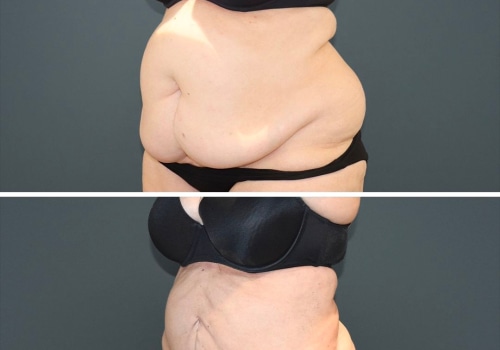
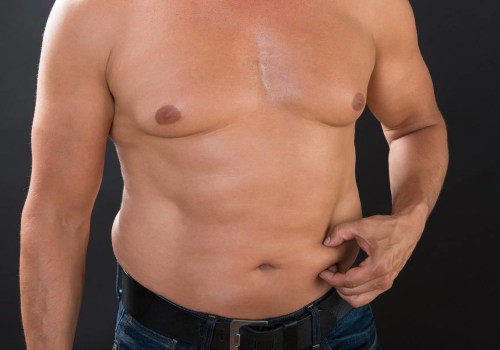
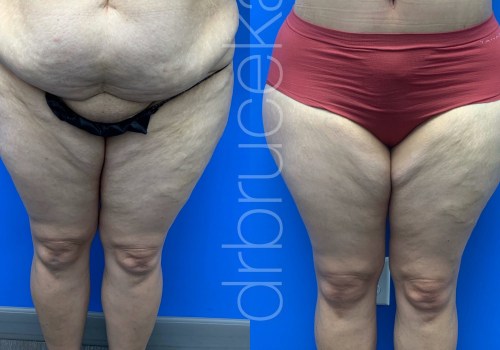
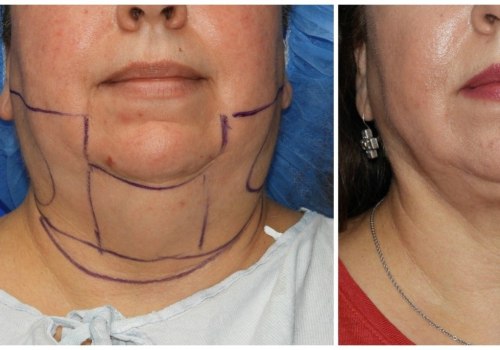
Liposuction is a popular cosmetic procedure designed to remove stubborn fat deposits from specific areas of the body. Despite common misconceptions, it is not a weight-loss solution but rather a method for body contouring. Many individuals seek liposuction to enhance their physical appearance, targeting areas such as the abdomen, thighs, buttocks, arms, and neck where fat tends to accumulate despite diet and exercise efforts. Understanding what liposuction entails and how it works is crucial for anyone considering this procedure.The liposuction procedure involves the use of a thin tube called a cannula, which is inserted through small incisions in the skin.
This cannula is connected to a vacuum device that gently suction out excess fat from the targeted areas. The process begins with the administration of anaesthesia to ensure patient comfort, followed by the infiltration of a tumescent solution that helps to numb the area and reduce bleeding. Once the area is prepared, the surgeon carefully manoeuvres the cannula to break up and remove fat cells while preserving surrounding tissues.There are various techniques of liposuction, including tumescent liposuction, ultrasound-assisted liposuction (UAL), and laser-assisted liposuction (LAL), each offering unique benefits depending on individual needs and desired outcomes. Tumescent liposuction is the most commonly performed technique, known for its safety and effectiveness.
The choice of technique often depends on factors such as the amount of fat to be removed, the specific body area being treated, and the surgeon's expertise.Ultimately, liposuction can significantly improve body contours and boost self-confidence when performed on suitable candidates. However, it is essential for potential patients to have realistic expectations regarding the results and understand that maintaining a healthy lifestyle post-procedure is vital for achieving long-lasting effects.
The Different Types of Liposuction Techniques
Liposuction has evolved significantly over the years, leading to the development of various techniques tailored to meet the diverse needs of patients. Each method offers unique advantages and is suited for different body types and fat distribution patterns. Understanding these techniques is essential for anyone considering liposuction.Tumescent Liposuction
Tumescent liposuction is one of the most commonly performed techniques today.This method involves injecting a large volume of a saline solution mixed with local anaesthetic and epinephrine into the targeted fat areas before the actual suctioning process begins. The solution causes the fat cells to swell, making them easier to remove while also minimising blood loss and post-operative pain.
- Benefits: The primary advantage of tumescent liposuction is its safety profile. The use of local anaesthesia allows patients to remain awake during the procedure, reducing risks associated with general anaesthesia.
- Recovery: Patients typically experience less swelling and bruising, leading to a quicker recovery time compared to other methods.
Ultrasound-Assisted Liposuction (UAL)
Ultrasound-assisted liposuction employs sound waves to liquefy fat cells before they are removed. This technique is particularly effective for fibrous areas of the body, such as the back or male breast tissue, where traditional liposuction may struggle.- Process: A small ultrasound probe is inserted into the treatment area, emitting sound waves that break down fat cells, making them easier to suction out.
- Advantages: UAL can lead to more precise contouring and is often used in conjunction with traditional liposuction for enhanced results.
Laser Liposuction
Laser liposuction, also known as laser-assisted lipolysis, uses laser energy to melt fat before it is removed.This technique has gained popularity due to its minimally invasive nature and ability to promote skin tightening.
- Mechanism: A laser fiber is inserted through a small incision, delivering energy that liquefies fat cells while simultaneously stimulating collagen production in the skin.
- Benefits: Patients often experience less downtime and improved skin elasticity post-procedure, making it an attractive option for those concerned about sagging skin after fat removal.
Who is an Ideal Candidate for Liposuction?
Determining whether liposuction is the right choice for you involves understanding the characteristics that define an ideal candidate. While liposuction can be a transformative procedure, it is not suitable for everyone.Below are key factors that help identify those who may benefit most from this body contouring technique.
- Stable Weight: Ideal candidates are typically within 30% of their target weight and have maintained a stable weight for at least six months. This stability indicates that the individual has a healthy lifestyle and is less likely to experience significant weight fluctuations post-procedure.
- Localized Fat Deposits: Liposuction is most effective for individuals with specific areas of stubborn fat that do not respond to diet and exercise. Common target areas include the abdomen, thighs, hips, arms, and neck. Candidates should have good skin elasticity to ensure optimal results.
- Good Overall Health: Candidates should be in good general health, free from medical conditions that could complicate surgery or recovery.
Conditions such as diabetes, heart disease, or clotting disorders may increase risks associated with the procedure.
- Realistic Expectations: It is crucial for potential patients to have realistic expectations regarding the outcomes of liposuction. While it can significantly improve body contours, it is not a weight-loss solution and should not be viewed as a substitute for a healthy lifestyle.
- Non-Smoker: Smoking can impede healing and increase the risk of complications during and after surgery. Therefore, non-smokers or those willing to quit smoking prior to the procedure are preferred candidates.
- Mental Preparedness: Candidates should be mentally prepared for the changes that come with liposuction. This includes understanding the recovery process and being committed to maintaining their results through a balanced diet and regular exercise.
Consulting with a qualified plastic surgeon can provide further insights into whether liposuction aligns with your personal goals and health profile.
The Myths and Misconceptions Surrounding Liposuction
Liposuction is often surrounded by a cloud of myths and misconceptions that can lead to unrealistic expectations among potential patients. Understanding the truth about this procedure is crucial for anyone considering it as an option for body contouring.Myth 1: Liposuction is a Weight Loss Solution
One of the most prevalent misconceptions is that liposuction is a method for significant weight loss. In reality, liposuction is designed to remove localized fat deposits that are resistant to diet and exercise. It is not a substitute for a healthy lifestyle or a weight loss programme.
The amount of fat that can be safely removed during a single procedure typically ranges from six to eight pounds, which is minimal compared to the overall weight loss goals many individuals may have.
Myth 2: Liposuction Eliminates Cellulite
Another common myth is that liposuction can effectively treat cellulite. While liposuction removes fat, it does not address the underlying structural issues that cause the dimpled appearance of cellulite. Patients seeking to improve the appearance of cellulite may need to explore other treatment options, such as laser therapy or radiofrequency treatments.
Myth 3: Liposuction is a Quick Fix
Many people believe that liposuction offers immediate results with little effort required post-procedure. However, while the procedure can provide significant improvements in body contour, it requires a commitment to maintaining a healthy lifestyle afterwards.
Patients must adhere to a balanced diet and regular exercise to sustain their results.
Myth 4: Anyone Can Have Liposuction
Not everyone is an ideal candidate for liposuction. Factors such as overall health, skin elasticity, and specific body types play a significant role in determining eligibility. Individuals with certain medical conditions or those who are significantly overweight may be advised against the procedure due to increased risks.
Myth 5: Liposuction Results are Permanent
While liposuction permanently removes fat cells from treated areas, it does not prevent new fat from accumulating if one does not maintain a healthy lifestyle. Weight gain after the procedure can lead to uneven results, as remaining fat cells can expand.In conclusion, dispelling these myths surrounding liposuction is essential for setting realistic expectations.
By understanding what liposuction can and cannot achieve, individuals can make informed decisions about their body contouring options and work towards their aesthetic goals with clarity and confidence.
What to Expect During the Liposuction Procedure
Understanding the liposuction procedure is crucial for anyone considering this body contouring option. The process involves several stages, from pre-operative preparations to post-operative care, each designed to ensure safety and effectiveness.Pre-Operative Preparations
- Consultation: Before the procedure, a thorough consultation with your plastic surgeon is essential. This meeting allows you to discuss your goals, medical history, and any concerns you may have.
- Medical Evaluation: Your surgeon will conduct a comprehensive medical evaluation, which may include blood tests and imaging studies to assess your overall health and suitability for surgery.
- Instructions: You will receive specific instructions regarding medications to avoid, dietary restrictions, and guidelines on smoking cessation to enhance healing.
- Arrangements: It’s advisable to arrange for someone to drive you home post-surgery and assist you during the initial recovery phase.
The Surgical Process
The actual liposuction procedure typically takes between one to four hours, depending on the areas being treated. Here’s what you can expect:
- Anesthesia: You will be given either local or general anesthesia, depending on the extent of the procedure and your surgeon's recommendation.
- Incisions: Small incisions are made in discreet locations near the targeted fat deposits.
These incisions are usually less than half an inch long.
- Fat Removal: A thin tube called a cannula is inserted through the incisions. The surgeon will use this cannula to suction out excess fat from the designated areas. Techniques may vary, including tumescent liposuction, where a solution is injected to facilitate fat removal.
- Suturing: Once the desired amount of fat has been removed, the incisions are closed with sutures or adhesive strips.
Post-Operative Care
The recovery phase is just as important as the procedure itself. Here’s what you should anticipate:
- Immediate Recovery: After surgery, you will be monitored in a recovery area until the anesthesia wears off.
You may experience swelling, bruising, and discomfort in the treated areas.
- Compression Garments: Your surgeon will likely recommend wearing compression garments to help reduce swelling and support your new body contours during healing.
- Follow-Up Appointments: Regular follow-up visits with your surgeon are crucial for monitoring your recovery progress and addressing any concerns that may arise.
- Activity Restrictions: It’s important to avoid strenuous activities for several weeks post-surgery. Your surgeon will provide guidelines on when you can resume normal activities.
Realistic Outcomes: Weight Loss vs. Body Contouring
When considering liposuction, it is crucial to understand the distinction between weight loss and body contouring. Many individuals mistakenly believe that liposuction serves as a quick fix for shedding excess pounds.However, the reality is that this procedure is primarily designed for sculpting and enhancing body shape rather than achieving significant weight loss.
Understanding Liposuction's Role in Body Contouring
Liposuction effectively targets stubborn fat deposits that resist diet and exercise, allowing for a more contoured appearance. Common areas for treatment include the abdomen, thighs, flanks, and arms. While it can remove a certain amount of fat—typically between six to eight pounds—this is not sufficient for those seeking substantial weight reduction.
Expected Results from Liposuction
Patients often inquire about the expected results from liposuction. It is essential to set realistic expectations.
The primary outcome of liposuction is not measured in pounds lost but rather in the improvement of body proportions and contours. For instance, a patient may notice a flatter abdomen or slimmer thighs without a dramatic change on the scale.
- Fat Removal: Liposuction can remove localized fat deposits, leading to a more aesthetically pleasing silhouette.
- Body Shape Enhancement: The procedure enhances natural curves and contours, providing a more balanced appearance.
- Improved Confidence: Many patients report increased self-esteem and satisfaction with their body image following the procedure.
The Importance of Lifestyle Choices
To maximise the benefits of liposuction, individuals should adopt a balanced diet and regular exercise regimen post-procedure. This holistic approach not only helps maintain the results achieved through liposuction but also promotes overall health and well-being.In conclusion, while liposuction can provide significant improvements in body contouring, it should not be viewed as a weight-loss solution.
Understanding its true purpose will help patients make informed decisions and set realistic goals for their aesthetic journey.
Potential Risks and Complications of Liposuction
While liposuction is a popular cosmetic procedure aimed at enhancing body contours, it is crucial for potential patients to understand the risks and complications that may arise. Like any surgical intervention, liposuction carries inherent risks that can affect both the short-term and long-term outcomes of the procedure.One of the most common risks associated with liposuction is infection. Although rare, infections can occur at the incision sites, leading to complications that may require additional treatment or even hospitalisation. Patients are advised to follow post-operative care instructions meticulously to minimise this risk.Another significant concern is the possibility of seroma , which is a collection of fluid that can accumulate under the skin after surgery.This condition may require drainage and can prolong recovery time. Additionally, patients might experience haematoma , where blood collects outside of blood vessels, causing swelling and discomfort.
Scarring
is also a potential complication. While surgeons strive to make incisions in less visible areas, some patients may develop noticeable scars that can affect their satisfaction with the results. The extent of scarring can vary based on individual healing processes and skin types.
Changes in sensation
are another risk; some patients report numbness or altered sensations in the treated areas.
These changes are often temporary but can occasionally be permanent, leading to discomfort or dissatisfaction with the results.
Fat embolism
, although rare, is a serious complication where fat enters the bloodstream and travels to the lungs or other organs, potentially causing life-threatening conditions. This underscores the importance of choosing a qualified and experienced surgeon who adheres to safety protocols.Moreover, patients should be aware of the potential for asymmetry. While liposuction aims to create a balanced appearance, uneven fat removal can lead to an unbalanced look, necessitating further corrective procedures.Lastly, it is essential to consider the psychological impact of undergoing liposuction. Patients may have unrealistic expectations regarding their body image post-surgery, which can lead to dissatisfaction or emotional distress if results do not meet their hopes.In conclusion, while liposuction can offer significant aesthetic benefits, it is vital for individuals considering this procedure to have a comprehensive understanding of its potential risks and complications.
Consulting with a qualified plastic surgeon who can provide detailed information and address any concerns is an essential step in making an informed decision about undergoing liposuction.
Post-Operative Care: Ensuring Optimal Recovery After Liposuction
Recovering from liposuction is a crucial phase that significantly impacts the overall results of the procedure. Proper post-operative care not only aids in healing but also helps maintain the desired body contour. Here are some essential tips for ensuring an optimal recovery after liposuction:1.Follow Your Surgeon’s Instructions
Your plastic surgeon will provide specific post-operative guidelines tailored to your individual needs. Adhering to these instructions is vital for a smooth recovery.This may include advice on medication, activity levels, and follow-up appointments.
2.Manage Pain and Discomfort
It is common to experience some pain and discomfort following the procedure. Your surgeon may prescribe pain relief medication to help manage this. Ensure you take medications as directed and do not hesitate to contact your surgeon if the pain becomes unmanageable.3.Wear Compression Garments
Wearing a compression garment is essential after liposuction. This garment helps reduce swelling, supports the healing tissues, and improves skin retraction.Follow your surgeon's recommendations regarding how long to wear it and when you can remove it.
4.Stay Hydrated and Eat Well
Proper nutrition plays a significant role in recovery. Focus on a balanced diet rich in vitamins and minerals to support healing. Staying hydrated is equally important; drink plenty of water to help flush out toxins and reduce swelling.5.Gradually Resume Activities
While it’s important to rest after surgery, gradually resuming light activities can aid in recovery. Avoid strenuous exercise or heavy lifting for at least a few weeks, as this can strain your body and hinder healing.6.Monitor for Complications
Be vigilant for any signs of complications, such as excessive swelling, unusual pain, or signs of infection (like fever or discharge).If you notice any concerning symptoms, contact your surgeon immediately.
7.Attend Follow-Up Appointments
Regular follow-up appointments are crucial for monitoring your recovery progress. These visits allow your surgeon to assess healing and address any concerns you may have.By following these post-operative care tips, you can enhance your recovery experience after liposuction and work towards achieving the best possible results from your procedure.Alternatives to Liposuction: Other Body Contouring Options
For individuals seeking to enhance their body shape but who may not be ideal candidates for liposuction, there are several alternatives to liposuction that can effectively address stubborn fat deposits. These options range from non-invasive techniques to surgical procedures, each with its own set of benefits and considerations.Non-Surgical Fat Reduction Methods
Non-surgical fat reduction methods have gained popularity due to their minimal downtime and lower risk of complications. Here are some of the most common alternatives:- Cryolipolysis (CoolSculpting) : This innovative technique involves freezing fat cells, which causes them to die off naturally over time.
It is particularly effective for areas like the abdomen, thighs, and flanks. Patients typically see results within a few months, and the procedure is non-invasive.
- Radiofrequency (RF) Therapy : RF therapy uses energy waves to heat the skin and underlying fat, promoting collagen production and tightening the skin while reducing fat. This method is suitable for various body areas and can improve skin texture as well.
- Ultrasound Fat Reduction : This technique employs ultrasound technology to target and break down fat cells without harming surrounding tissues. It is often used for body contouring in areas such as the abdomen and arms.
- Injection Lipolysis (Kybella) : Kybella is an injectable treatment that contains deoxycholic acid, which helps dissolve fat cells.
It is primarily used for reducing submental fat (double chin) but can be applied to other small areas as well.
Surgical Alternatives
For those considering surgical options, there are several procedures that can complement or serve as alternatives to liposuction:- Abdominoplasty (Tummy Tuck) : This procedure removes excess skin and tightens abdominal muscles, making it ideal for individuals with significant skin laxity or those who have undergone major weight loss.
- Thigh Lift : A thigh lift targets excess skin and fat in the thigh area, providing a more toned appearance. This procedure is particularly beneficial for individuals who have lost a considerable amount of weight.
- Arm Lift (Brachioplasty) : Similar to a thigh lift, an arm lift removes excess skin and fat from the upper arms, resulting in a firmer contour.
Conclusion: The Key Takeaways About Liposuction
In summary, liposuction is a cosmetic procedure designed to remove stubborn fat deposits that resist diet and exercise. While it can significantly enhance body contours and improve self-esteem, it is crucial to understand its limitations and the context in which it should be considered.Key Points to Remember:
- Liposuction is not a weight-loss solution: Many individuals mistakenly believe that liposuction can serve as a quick fix for obesity.
However, it is primarily intended for body contouring rather than substantial weight loss.
- Safe fat removal limits: The amount of fat that can be safely removed during a single procedure typically ranges from six to eight pounds. Exceeding this limit can increase the risk of complications.
- Realistic expectations: Patients should have realistic expectations regarding the outcomes of liposuction. While some may lose up to 11 pounds, the average weight loss is often between three and five pounds.
- Not all fat is equal: Liposuction targets subcutaneous fat, which lies just beneath the skin. It does not address visceral fat, which surrounds internal organs and poses greater health risks.
- Post-procedure care: After undergoing liposuction, maintaining a healthy lifestyle is essential to preserve results.
Weight gain can still occur if healthy habits are not followed.
- Consultation with a qualified surgeon: It is vital for potential patients to consult with a board-certified plastic surgeon who can provide personalised advice based on individual health and aesthetic goals.