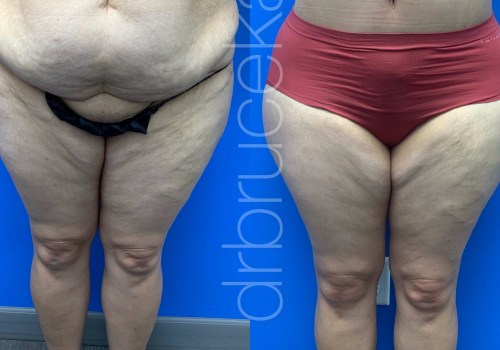
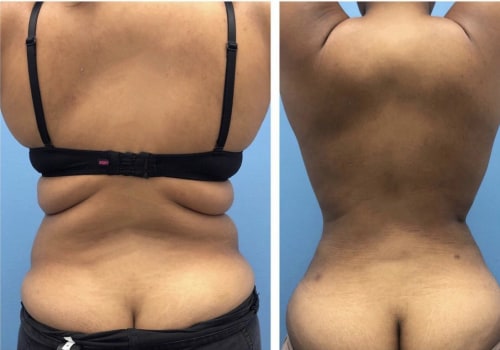
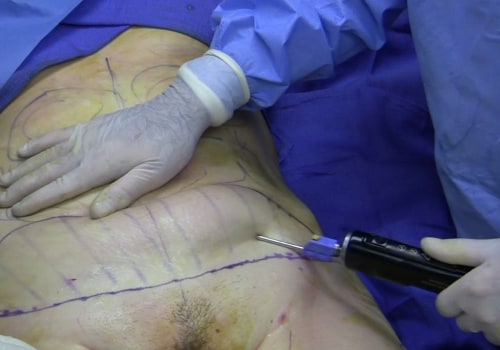
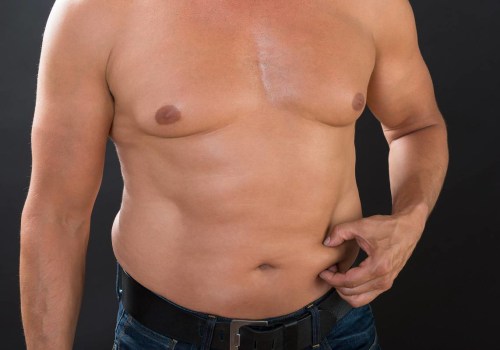
Liposuction is a widely sought-after cosmetic procedure designed to remove excess fat from specific areas of the body, enhancing overall body contour and shape. This surgical technique has gained immense popularity over the years, as it offers individuals a chance to achieve their desired physique by targeting stubborn fat deposits that are often resistant to diet and exercise. Whether it’s the abdomen, thighs, hips, or arms, liposuction provides a solution for those looking to refine their body shape and boost their self-confidence.The procedure involves the use of a thin tube called a cannula, which is inserted through small incisions in the skin. The cannula is then used to suction out fat cells from the targeted areas.
While liposuction is not intended as a weight-loss solution, it can effectively remove significant amounts of fat, leading to noticeable changes in body proportions. Many patients find that this procedure not only improves their physical appearance but also enhances their emotional well-being by allowing them to feel more comfortable in their own skin.As with any surgical intervention, understanding the implications of liposuction is crucial. It is essential for potential candidates to have realistic expectations regarding the outcomes and limitations of the procedure. Factors such as individual health status, skin elasticity, and the amount of fat to be removed can all influence results.
Therefore, consulting with a qualified plastic surgeon is vital for anyone considering liposuction, as they can provide tailored advice and help set achievable goals.Therefore, consulting with a qualified plastic surgeon is vital for anyone considering liposuction, as they can provide tailored advice and help set achievable goals.
How Liposuction Works
Liposuction is a surgical procedure designed to remove excess fat from specific areas of the body, enhancing body contours and proportions. Understanding how liposuction works involves delving into the various techniques employed, the equipment used, and the overall process of fat removal.At its core, liposuction involves the use of a cannula, a thin tube that is inserted through small incisions in the skin. This cannula is connected to a vacuum device that helps to suction out fat cells from the targeted areas. The procedure typically begins with the administration of anaesthesia, which can be local or general depending on the extent of the surgery and the areas being treated.Tumescent Liposuction
One of the most common techniques used in liposuction is tumescent liposuction.This method involves injecting a solution containing saline, lidocaine (a local anaesthetic), and epinephrine (to constrict blood vessels) into the fatty tissue before fat removal. This solution causes the fat cells to swell and become firm, making them easier to extract while minimising blood loss and post-operative pain.
Ultrasound-Assisted Liposuction (UAL)
Another advanced technique is ultrasound-assisted liposuction. In this method, ultrasound energy is used to liquefy fat cells before they are suctioned out. This technique can be particularly effective for removing larger volumes of fat or for treating areas with denser fat deposits.The ultrasound waves break down the fat cells, allowing for smoother extraction and potentially less trauma to surrounding tissues.
Power-Assisted Liposuction (PAL)
Power-assisted liposuction
employs a mechanised cannula that vibrates rapidly, which helps to dislodge fat cells more efficiently. This technique can reduce the physical effort required by the surgeon and may lead to quicker recovery times for patients.Regardless of the technique used, the overall process of liposuction typically follows these steps:
- Consultation: A thorough consultation with a qualified plastic surgeon to discuss goals, expectations, and medical history.
- Preparation: Pre-operative instructions are provided, including guidelines on diet and medications.
- Surgery: The procedure is performed in a surgical facility or hospital under appropriate anaesthesia.
- Recovery: Post-operative care includes monitoring for complications and managing discomfort.
The Amount of Fat That Can Be Removed
When considering liposuction, one of the most pressing questions patients often have is regarding the amount of fat that can be safely removed during a single procedure. Understanding these limits is crucial for setting realistic expectations and ensuring patient safety.The maximum amount of fat that can be removed in one session typically hovers around 5 litres, which is approximately equivalent to 11 pounds.However, this figure is not a one-size-fits-all answer. Various factors influence how much fat can be safely extracted, including the patient's overall health, body composition, and the specific areas being treated.According to guidelines from reputable medical authorities such as the American Society of Plastic Surgeons (ASPS), the safe limit for fat removal is generally capped at 5 litres per session. This guideline is designed to mitigate risks associated with excessive fat removal, such as fluid imbalance, complications during recovery, and potential adverse effects on overall health.Factors that can affect the However, this figure is not a one-size-fits-all answer. Various factors influence how much fat can be safely extracted, including the patient's overall health, body composition, and the specific areas being treated.According to guidelines from reputable medical authorities such as the American Society of Plastic Surgeons (ASPS), the safe limit for fat removal is generally capped at 5 litres per session. This guideline is designed to mitigate risks associated with excessive fat removal, such as fluid imbalance, complications during recovery, and potential adverse effects on overall health.Factors that can affect the amount of fat removed include:
- Body Area: Different regions of the body can tolerate varying amounts of fat removal. For instance, areas like the abdomen may allow for more fat extraction compared to more delicate regions like the arms or neck.
- Patient's Health: A patient’s pre-existing health conditions, such as obesity or cardiovascular issues, can limit the amount of fat that can be safely removed in one session.
- Previous Surgeries: Individuals who have undergone prior surgical procedures may have altered anatomy or scar tissue that affects how much fat can be extracted.
- Fat Distribution: The distribution of fat in a patient’s body also plays a role; those with localized pockets of fat may see different results compared to those with more generalized fat accumulation.
Many surgeons recommend a staged approach for patients looking to achieve significant fat loss, allowing for multiple sessions over time rather than attempting to remove excessive amounts in one go.Ultimately, understanding these limits not only helps in managing expectations but also ensures that patients undergo liposuction in a manner that prioritises their health and well-being.
Factors Influencing Fat Removal Capacity
When considering liposuction, it is essential to understand that the amount of fat that can be safely removed is influenced by several factors. These factors can be broadly categorised into patient-specific characteristics and the anatomical areas being treated.Patient-Specific Factors
The individual characteristics of a patient play a significant role in determining the outcomes of liposuction. Key factors include:- Body Type: Different body types store fat in various ways. For instance, individuals with a pear-shaped body may have more fat concentrated in the hips and thighs, while those with an apple-shaped body may have excess fat around the abdomen.
The distribution of fat can affect how much can be removed safely.
- Health Status: A patient’s overall health is crucial. Those with underlying health conditions, such as diabetes or cardiovascular issues, may face limitations on the amount of fat that can be removed due to increased surgical risks.
- Skin Elasticity: The elasticity of the skin also impacts liposuction results. Patients with good skin elasticity may experience better contouring after fat removal, while those with less elastic skin might not achieve the desired results.
- Previous Surgeries: Any prior surgical procedures in the area being treated can complicate liposuction. Scar tissue and altered anatomy may limit the effectiveness and safety of fat removal.
Anatomical Areas for Liposuction
The specific area targeted during liposuction significantly influences how much fat can be removed.Different regions of the body have varying amounts of fat and different responses to liposuction techniques:
- Abdomen: The abdominal region is one of the most common areas for liposuction. Depending on the individual, it is possible to remove between 2 to 5 litres of fat from this area in a single session.
- Thighs: Thigh liposuction can yield substantial results, but the amount removed will depend on the thickness of the fat layer and skin elasticity.
- Arms: Fat removal from the arms is often limited due to skin laxity concerns, which can lead to sagging if too much fat is extracted.
- Back and Flanks: These areas can also hold significant amounts of fat, and patients may see considerable improvements with careful treatment.
Safety Considerations in Liposuction
Liposuction, while a popular cosmetic procedure, is not without its risks and complications. Understanding these safety considerations is crucial for anyone contemplating the surgery.The primary goal of liposuction is to enhance body contours by removing excess fat, but it is essential to approach this procedure with a clear understanding of the potential hazards involved.One of the most significant safety concerns associated with liposuction is the risk of infection. As with any surgical procedure, there is a possibility that bacteria can enter the body during the operation, leading to infections that may require additional treatment. To mitigate this risk, it is vital to choose a qualified and experienced surgeon who adheres to strict hygiene protocols.Another concern is the potential for blood clots , which can occur when fat is removed from the body. These clots can travel to the lungs, causing serious complications such as pulmonary embolism.
Patients are often advised to engage in light physical activity post-surgery to promote circulation and reduce the risk of clot formation.Additionally, patients may experience fluid accumulation in the treated areas, known as seromas. This condition can lead to swelling and discomfort and may require drainage. Surgeons typically use compression garments post-operatively to help minimise this risk.Other complications can include:
- Uneven results: In some cases, liposuction may not produce symmetrical results, leading to an uneven appearance.
- Nerve damage: There is a small risk of nerve injury during the procedure, which can result in temporary or permanent numbness.
- Anesthesia risks: As liposuction often requires general anesthesia, there are inherent risks associated with its use, including adverse reactions.
Furthermore, adhering to pre-operative and post-operative instructions provided by the surgeon can significantly enhance safety and recovery outcomes.In conclusion, while liposuction can be an effective method for body contouring, it is essential to remain aware of the associated risks and complications. By choosing a qualified surgeon and following safety protocols, patients can help ensure a smoother surgical experience.
Liposuction vs. Weight Loss Surgery
When considering body contouring options, many individuals often confuse liposuction with weight loss surgery. While both procedures aim to improve body shape and enhance self-esteem, they serve different purposes and are suited for different types of patients. with weight loss surgery. While both procedures aim to improve body shape and enhance self-esteem, they serve different purposes and are suited for different types of patients.Liposuction
is primarily a cosmetic procedure designed to remove localized fat deposits that are resistant to diet and exercise.
It is ideal for individuals who are close to their target weight but wish to refine specific areas of their body, such as the abdomen, thighs, or arms. The procedure does not significantly affect overall body weight; instead, it focuses on sculpting the body by removing fat cells from targeted areas.In contrast, weight loss surgery , also known as bariatric surgery, is intended for individuals who are severely obese and have not achieved significant weight loss through traditional methods. This type of surgery alters the digestive system to limit food intake or nutrient absorption, leading to substantial weight loss over time. Common types of weight loss surgeries include gastric bypass and sleeve gastrectomy.Here are some key differences between liposuction and weight loss surgery:
- Purpose: Liposuction is for body contouring, while weight loss surgery is for significant weight reduction.
- Candidacy: Liposuction is suitable for individuals with stable body weight and specific fat deposits; weight loss surgery is for those with a BMI over 30 or related health issues.
- Results: Liposuction results in a more sculpted appearance without major changes in overall weight; weight loss surgery leads to substantial weight loss and can improve obesity-related health conditions.
- Recovery: Recovery from liposuction is generally quicker than from weight loss surgery, which may require a longer hospital stay and more extensive post-operative care.
If someone is looking to eliminate stubborn fat pockets without significant weight loss, liposuction may be the right choice. However, for those struggling with obesity and related health issues, exploring options for weight loss surgery could be more beneficial. Consulting with a qualified healthcare professional can help determine the most appropriate path based on personal circumstances.
Realistic Expectations from Liposuction
When considering liposuction, it is crucial to have a clear understanding of what to expect from the procedure. Many individuals seek liposuction with the hope of achieving dramatic transformations; however, it is essential to set realistic expectations regarding the results and recovery process.Firstly, it is important to recognise that liposuction is not a weight-loss solution but rather a body contouring procedure.The primary goal is to remove stubborn fat deposits that are resistant to diet and exercise. Therefore, candidates for liposuction should ideally be at or near their target weight, as the procedure is designed to enhance body shape rather than significantly reduce overall body mass.In terms of results, patients can typically expect to see a reduction in fat in the treated areas, leading to a more sculpted appearance. However, the amount of fat that can be safely removed during a single session is limited, usually ranging from 2 to 5 litres. This translates to approximately 5 to 11 pounds of fat removal, depending on individual circumstances and the specific areas being treated.Post-liposuction, patients should anticipate a recovery period that varies based on the extent of the procedure and their overall health.
Common experiences during recovery include:
- Swelling and Bruising: It is normal for treated areas to swell and bruise following surgery. This can last for several weeks, and patients should be prepared for gradual improvement over time.
- Discomfort: Mild to moderate discomfort is expected after the procedure. Pain management strategies will be discussed with your surgeon, and most patients find relief with prescribed medications.
- Activity Restrictions: Patients are generally advised to avoid strenuous activities for at least two weeks post-surgery. Light walking is encouraged to promote circulation but should be balanced with rest.
- Final Results: While some changes may be visible immediately after surgery, final results can take several months to fully materialise as swelling subsides and skin adjusts to its new contours.
Regular follow-ups with your surgeon will help monitor progress and address any concerns that may arise during recovery. By understanding these aspects, patients can approach their liposuction journey with informed optimism and realistic expectations.
Post-Operative Care and Recovery
After undergoing liposuction, the recovery process is a crucial phase that significantly impacts the overall results of the procedure. Understanding what to expect during this time can help patients manage their recovery effectively and ensure optimal healing.The initial recovery period typically lasts about one to two weeks, during which patients may experience swelling, bruising, and discomfort in the treated areas. It is essential to follow the surgeon's post-operative care instructions closely to facilitate healing and minimise complications.Post-Operative Care Tips
- Rest and Relaxation: Allow your body ample time to heal.
Avoid strenuous activities and heavy lifting for at least two weeks post-surgery.
- Compression Garments: Wearing a compression garment as advised by your surgeon helps reduce swelling and supports the healing tissues. Ensure it fits snugly but is not overly tight.
- Hydration: Staying well-hydrated is vital for recovery. Drink plenty of water to help flush out toxins and support your body's healing processes.
- Medication Management: Take prescribed pain medications as directed. Over-the-counter pain relievers may also be recommended to manage discomfort.
- Follow-Up Appointments: Attend all scheduled follow-up visits with your surgeon to monitor your progress and address any concerns.
Patients should also be aware of potential side effects such as nausea or fatigue, which are generally temporary.
Managing Recovery After Surgery
As you progress through your recovery, gradually reintroduce light activities into your routine. Walking is encouraged as it promotes circulation and helps prevent blood clots. However, avoid high-impact exercises or activities that strain the abdominal area until cleared by your surgeon.Swelling may persist for several weeks, and final results can take several months to fully materialise as the body continues to heal. Patience is key during this time; maintaining realistic expectations will help you appreciate the gradual changes in your body.In summary, effective post-operative care following liposuction is essential for a smooth recovery and achieving desired results.By adhering to your surgeon's guidelines and prioritising self-care, you can enhance your healing process and enjoy the benefits of your new body contour.
Frequently Asked Questions about Liposuction
As liposuction continues to gain popularity, many potential patients have questions and concerns regarding the procedure. Below are some of the most frequently asked questions about liposuction, along with clarifications to dispel common myths.What is liposuction?
Liposuction is a cosmetic surgical procedure designed to remove excess fat deposits from specific areas of the body. It is not a weight-loss solution but rather a method for body contouring, helping to achieve a more sculpted appearance.How much fat can be safely removed during liposuction?
The amount of fat that can be safely removed during a single liposuction session typically ranges from 2 to 5 litres, which equates to approximately 4 to 11 pounds. However, this varies based on individual factors such as the patient's overall health, the area being treated, and their pre-existing fat volume.Is liposuction a weight-loss procedure?
No, liposuction is not intended for significant weight loss.It is best suited for individuals who are close to their ideal weight but have stubborn fat deposits that do not respond to diet and exercise. For those looking to lose a substantial amount of weight, other options may be more appropriate.
Are there any risks associated with liposuction?
Like any surgical procedure, liposuction carries certain risks. These can include infection, scarring, fluid accumulation, and complications related to anaesthesia. It is crucial for patients to discuss these risks with their surgeon and ensure they are in good health before undergoing the procedure.Can liposuction help with cellulite?
Liposuction is not specifically designed to treat cellulite.While it may improve the overall contour of the body, it does not address the underlying causes of cellulite. Patients seeking treatment for cellulite may need to explore other options such as laser therapy or radiofrequency treatments.
What should I expect during recovery?
Recovery from liposuction varies by individual but generally involves swelling, bruising, and discomfort in the treated areas. Most patients can return to light activities within a few days but should avoid strenuous exercise for several weeks. Following post-operative care instructions provided by the surgeon is essential for optimal healing.Are there any age restrictions for liposuction?
There are no strict age limits for liposuction; however, candidates should be in good health and have realistic expectations about the results.Older patients may have different considerations due to skin elasticity and overall health status.Understanding these common questions and misconceptions about liposuction can help potential patients make informed decisions about their body contouring journey. Always consult with a qualified plastic surgeon to discuss personal goals and expectations before proceeding with any surgical intervention.
Conclusion: The Reality of Liposuction Fat Removal
In conclusion, understanding the realities of liposuction is crucial for anyone considering this procedure as a means of fat removal. While it is a highly effective cosmetic surgery for body contouring, it is essential to recognise its limitations and the factors that influence the amount of fat that can be safely removed.Throughout this article, we have established that: is crucial for anyone considering this procedure as a means of fat removal. While it is a highly effective cosmetic surgery for body contouring, it is essential to recognise its limitations and the factors that influence the amount of fat that can be safely removed.Throughout this article, we have established that:- Liposuction is not a weight-loss solution: It is primarily designed for sculpting specific areas of the body rather than serving as a method for significant weight loss. Patients should approach it with realistic expectations regarding the amount of fat that can be removed.
- Safe fat removal limits: The maximum amount of fat that can be safely extracted in one session typically ranges from 2 to 5 litres, equating to approximately 5 to 11 pounds.
This limit is influenced by various factors, including the patient's overall health and the area being treated.
- Multiple sessions may be necessary: For individuals seeking to remove larger volumes of fat, multiple procedures may be required over time. This approach not only enhances safety but also allows for better management of recovery and results.
- Individual variability: Each patient's body responds differently to liposuction. Factors such as pre-existing fat volume, skin elasticity, and previous surgeries can significantly affect outcomes.
This knowledge empowers patients to approach their body transformation journey with confidence and clarity.