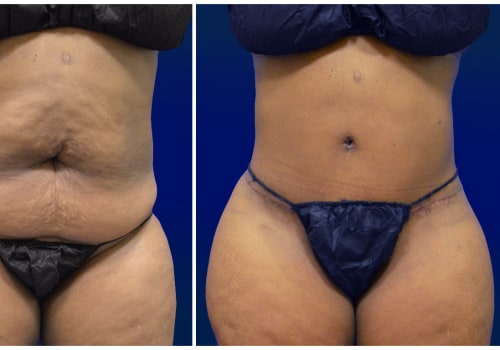
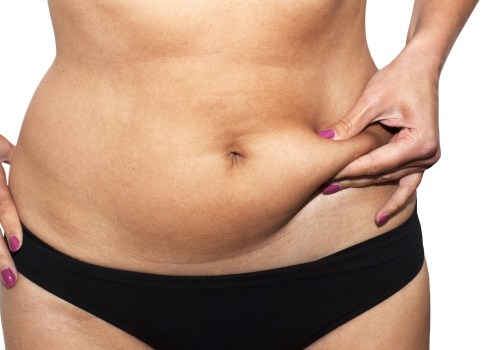
Liposuction is a widely sought-after cosmetic procedure designed to remove stubborn fat deposits from various areas of the body. This surgical technique involves the use of a suction method to extract fat cells, allowing individuals to achieve a more contoured and sculpted appearance. As people strive for their ideal body shape, liposuction has gained immense popularity, particularly among those who find it challenging to eliminate fat through traditional means such as diet and exercise.The procedure typically targets specific areas where fat tends to accumulate, including the abdomen, thighs, buttocks, arms, and neck. By selectively removing fat cells from these regions, liposuction can enhance body proportions and improve overall aesthetics.
However, it is essential to understand that liposuction is not a weight-loss solution; rather, it is a body contouring technique aimed at refining one’s silhouette.During the procedure, a qualified surgeon makes small incisions in the skin and inserts a thin tube called a cannula. This cannula is connected to a vacuum device that gently removes excess fat. The process can vary in complexity depending on the amount of fat being removed and the specific areas being treated. Patients often report high satisfaction rates following liposuction, as it can lead to significant improvements in self-esteem and body image.Despite its effectiveness, many individuals have concerns about the long-term results of liposuction, particularly regarding whether the fat will return after the procedure. However, it is essential to understand that liposuction is not a weight-loss solution; rather, it is a body contouring technique aimed at refining one’s silhouette.During the procedure, a qualified surgeon makes small incisions in the skin and inserts a thin tube called a cannula. This cannula is connected to a vacuum device that gently removes excess fat. The process can vary in complexity depending on the amount of fat being removed and the specific areas being treated. Patients often report high satisfaction rates following liposuction, as it can lead to significant improvements in self-esteem and body image.Despite its effectiveness, many individuals have concerns about the long-term results of liposuction, particularly regarding whether the fat will return after the procedure.
Understanding how liposuction works and its implications for long-term body maintenance is crucial for anyone considering this transformative option. In the following sections, we will delve deeper into these concerns and explore what patients can do to maintain their results post-surgery.
How Liposuction Works
Liposuction is a sophisticated cosmetic procedure designed to remove stubborn fat deposits from specific areas of the body. Understanding how liposuction works is essential for anyone considering this treatment, as it involves various techniques and a clear understanding of the fat cell removal process.The procedure typically begins with a consultation where the surgeon evaluates the patient’s health, discusses their goals, and determines the most suitable technique for their needs. There are several methods of liposuction, including:- Tumescent Liposuction: This is the most common technique, where a sterile solution containing saline, lidocaine, and epinephrine is injected into the targeted area.
This solution helps to numb the area and constrict blood vessels, reducing bleeding and swelling during the procedure.
- Ultrasound-Assisted Liposuction (UAL): This method uses ultrasound waves to liquefy fat cells before they are suctioned out. This technique can be particularly effective for fibrous areas of the body, such as the back or male breast tissue.
- Laser-Assisted Liposuction (LAL): Similar to UAL, this technique employs laser energy to melt fat cells, making them easier to remove. The heat from the laser also promotes skin tightening in the treated area.
- Suction-Assisted Liposuction (SAL): This traditional method involves inserting a cannula (a thin tube) through small incisions in the skin. The cannula is connected to a vacuum that suctions out the fat cells directly.
The cannula is then inserted into these incisions to begin the fat removal process. The surgeon carefully manoeuvres the cannula through the fatty tissue, breaking up fat cells and suctioning them out. This meticulous approach allows for precise contouring of the body.Common areas treated with liposuction include:
- Abdomen
- Thighs
- Hips
- Arms
- Back
- Chin and neck
Therefore, while liposuction can effectively sculpt and contour the body by removing unwanted fat deposits, it is crucial for patients to maintain a healthy lifestyle post-procedure to ensure lasting results.
The Myth of Permanent Fat Removal
One of the most prevalent misconceptions surrounding liposuction is the belief that it offers a permanent solution to fat removal. While it is true that liposuction effectively eliminates fat cells from targeted areas, it is essential to understand the dynamics of fat cells in the body and how they behave post-procedure.When fat cells are removed during liposuction, those specific cells do not regenerate. This means that the fat cells that were suctioned out are permanently gone from the treated area. However, this does not imply that the body is immune to weight gain or that fat cannot return in other forms.The remaining fat cells in the body can still expand if a person consumes more calories than they burn.To illustrate this point, consider a scenario where a patient undergoes liposuction and has six pounds of fat removed. If this individual does not maintain a healthy lifestyle and gains weight, the remaining fat cells can increase in size, leading to an overall increase in body fat. This can create an illusion that fat has returned to the treated area, even though the original fat cells have been permanently removed.Furthermore, it is crucial to recognise that liposuction is not a weight-loss procedure; rather, it is a body contouring technique. It is designed to sculpt and shape the body by targeting stubborn fat deposits that resist diet and exercise.
Therefore, individuals should approach liposuction with realistic expectations and an understanding that maintaining results requires ongoing commitment to a healthy lifestyle.In summary, while liposuction successfully removes fat cells from specific areas, it does not prevent weight gain or the expansion of remaining fat cells. To achieve lasting results, patients must adopt healthy eating habits and engage in regular physical activity. This holistic approach will help ensure that the benefits of liposuction are preserved over time.
Factors Influencing Fat Retention Post-Liposuction
Understanding the factors that influence fat retention after liposuction is crucial for anyone considering this procedure. While liposuction effectively removes fat cells from targeted areas, the long-term success of the results largely depends on several key elements.Lifestyle Choices
Your lifestyle plays a significant role in determining whether the fat will return post-liposuction.Engaging in healthy habits can help maintain your new body shape. Here are some lifestyle factors to consider:
- Diet: A balanced diet rich in nutrients is essential. Consuming excessive calories, particularly from unhealthy sources, can lead to weight gain and the expansion of remaining fat cells. Focus on whole foods, including fruits, vegetables, lean proteins, and whole grains.
- Physical Activity: Regular exercise is vital for maintaining weight loss after liposuction.
Aim for a mix of cardiovascular activities and strength training to boost metabolism and prevent fat accumulation.
- Hydration: Staying well-hydrated supports overall health and can aid in weight management. Water helps regulate metabolism and can reduce cravings for unhealthy snacks.
Individual Metabolism
Your metabolic rate also significantly impacts how your body responds after liposuction. Some individuals naturally have a faster metabolism, which helps them burn calories more efficiently. Factors influencing metabolism include:- Age: Metabolism tends to slow down with age, making it easier to gain weight if dietary habits remain unchanged.
- Genetics: Genetic predisposition can affect how your body stores fat and responds to weight changes.
- Hormonal Balance: Hormones play a crucial role in regulating appetite and fat storage.
Conditions such as hypothyroidism or hormonal imbalances can hinder weight maintenance efforts.
The Role of Lifestyle Changes in Maintaining Results
After undergoing liposuction, many patients are eager to enjoy their new body contours. However, the journey does not end with the procedure; maintaining the results requires a commitment to a healthy lifestyle.This section will explore the essential lifestyle changes that can help you preserve your liposuction results and promote overall well-being.
Understanding the Importance of Lifestyle Changes
Liposuction effectively removes fat cells from targeted areas, but it does not eliminate the possibility of weight gain. The remaining fat cells in your body can still expand if you do not adopt healthier habits. Therefore, making conscious lifestyle choices is crucial for sustaining your results.
Dietary Adjustments
- Balanced Nutrition: Focus on a diet rich in whole foods, including fruits, vegetables, lean proteins, and whole grains. These foods provide essential nutrients while helping to manage your weight.
- Portion Control: Be mindful of portion sizes to avoid overeating.
Using smaller plates and serving sizes can help you control your intake without feeling deprived.
- Hydration: Drink plenty of water throughout the day. Staying hydrated can help control hunger and support your metabolism.
- Avoid Processed Foods: Limit your intake of sugary snacks, fast food, and processed items that are high in calories but low in nutritional value.
Incorporating Regular Exercise
Physical activity is vital for maintaining your liposuction results. Here are some tips to help you stay active:
- Establish a Routine: Aim for at least 150 minutes of moderate aerobic activity each week, such as brisk walking or cycling. Incorporate strength training exercises at least twice a week to build muscle and boost metabolism.
- Find Activities You Enjoy: Choose exercises that you find enjoyable to make it easier to stick with your routine.
Whether it’s dancing, swimming, or hiking, engaging in fun activities can keep you motivated.
- Set Realistic Goals: Set achievable fitness goals to track your progress and stay motivated. Celebrate small victories along the way to maintain enthusiasm.
The Role of Support Systems
Having a support system can significantly impact your ability to maintain lifestyle changes. Consider joining a fitness group or enlisting friends and family members to join you in healthy activities. Sharing your goals with others can provide accountability and encouragement.In conclusion, while liposuction can provide remarkable results, it is essential to embrace a healthy lifestyle post-surgery.
By making informed dietary choices and incorporating regular exercise into your routine, you can effectively maintain your results and enhance your overall health.
Understanding Body Contouring vs. Weight Loss
When considering options for achieving a more desirable physique, it is essential to understand the distinction between body contouring procedures, such as liposuction, and traditional weight loss methods. While both aim to enhance appearance, they serve different purposes and are suited to different types of individuals.Liposuction
is primarily a cosmetic procedure designed to remove stubborn fat deposits from specific areas of the body. It is not intended as a weight loss solution.
Instead, liposuction focuses on sculpting and refining the body's contours, making it an ideal choice for individuals who are already at or near their target weight but struggle with localized fat that does not respond to diet and exercise.In contrast, traditional weight loss methods typically involve lifestyle changes such as improved diet and increased physical activity. These approaches aim to reduce overall body weight and fat percentage. While effective for many, they may not address specific areas of concern where fat tends to accumulate, such as the abdomen, thighs, or arms.
Understanding Body Contouring
Body contouring encompasses a range of surgical and non-surgical procedures aimed at reshaping and enhancing the body's appearance. Liposuction is one of the most popular forms of body contouring due to its ability to target specific fat pockets.Other body contouring options include:
- Tummy Tucks: This procedure removes excess skin and fat from the abdominal area while tightening the underlying muscles.
- Thigh Lifts: Aimed at removing excess skin and fat from the thighs, this procedure can improve the overall shape of the legs.
- Arm Lifts: This surgery targets sagging skin and fat in the upper arms, providing a more toned appearance.
Cosmetic Surgery for Weight Loss
is another avenue some individuals explore. Procedures like gastric bypass or sleeve gastrectomy are designed for significant weight loss in individuals with obesity.
These surgeries alter the digestive system to limit food intake or absorption. While they can lead to substantial weight loss, they come with their own risks and require ongoing lifestyle changes to maintain results.In summary, understanding the differences between liposuction, other body contouring procedures, and traditional weight loss methods is crucial for making informed decisions about your body. Liposuction is not a quick fix for weight loss but rather a tool for achieving a more sculpted physique when combined with a healthy lifestyle.
Addressing Common Concerns: Cellulite and Skin Tightening
One of the most prevalent concerns among individuals considering liposuction is its effectiveness in treating cellulite. Many patients hope that by removing fat deposits, they will also eliminate the dimpled appearance of cellulite.However, it is crucial to understand that liposuction is not designed to address this issue.
Understanding Cellulite
Cellulite occurs when subcutaneous fat pushes against the connective tissue beneath the skin, creating a lumpy or dimpled appearance. This condition affects a significant number of women and can occur regardless of body weight or fitness level. The structure of connective tissue and fat distribution varies from person to person, which means that even those who are slim can experience cellulite.
Why Liposuction Doesn’t Treat Cellulite
Liposuction primarily focuses on removing excess fat cells from specific areas of the body. While it can improve body contours, it does not target the underlying connective tissue responsible for the appearance of cellulite.
In fact, removing fat from an area may sometimes exacerbate the visibility of cellulite, as there is less fat to cushion the skin above.
Alternative Treatments for Cellulite
If you are concerned about cellulite, there are several alternative treatments available:
- Topical Treatments: Creams and lotions containing caffeine or retinol may help improve skin texture and reduce the appearance of cellulite.
- Laser Therapy: Procedures like laser-assisted lipolysis can help tighten skin and reduce the appearance of cellulite by stimulating collagen production.
- Radiofrequency Treatments: These non-invasive procedures use heat to stimulate collagen and elastin production, improving skin elasticity and reducing dimpling.
- Massage and Endermologie: These techniques can temporarily improve circulation and lymphatic drainage, which may help reduce the appearance of cellulite.
Skin Tightening After Liposuction
Another common concern is whether skin will remain tight after undergoing liposuction. The degree of skin tightening post-procedure largely depends on several factors:
- Age: Younger skin tends to have more elasticity, which can lead to better tightening results.
- Amount of Fat Removed: Removing a significant amount of fat may result in looser skin, while smaller volumes may allow for better skin retraction.
- Skin Quality: Individuals with good skin quality and elasticity are more likely to experience satisfactory tightening after liposuction.
Realistic Expectations: What to Anticipate After Liposuction
When considering liposuction, it is crucial to have realistic expectations regarding the recovery process and the timeline for seeing results. Understanding what to anticipate can help alleviate anxiety and ensure a smoother transition post-procedure.Recovery Process
The recovery period following liposuction varies from person to person, but there are common stages that most patients experience. Immediately after the procedure, you may feel groggy due to the anaesthesia, and it is normal to experience some swelling, bruising, and discomfort in the treated areas.
These symptoms typically peak within the first few days.Most patients can return to light activities within a week, but it is advisable to avoid strenuous exercise or heavy lifting for at least four to six weeks. During this time, wearing a compression garment is essential as it helps reduce swelling and supports the healing process.
Potential Side Effects
While liposuction is generally safe, there are potential side effects that patients should be aware of:
- Swelling and Bruising: These are common and usually subside within a few weeks.
- Numbness: Some patients may experience temporary numbness in the treated areas, which typically resolves over time.
- Infection: Though rare, infections can occur. It’s important to follow post-operative care instructions closely.
- Uneven Results: In some cases, uneven contours may develop as swelling subsides. This can often be addressed with follow-up treatments.
Results Timeline
The timeline for seeing final results from liposuction can vary significantly.
While some initial changes may be visible within a few weeks, it can take up to six months for the full effects to manifest as swelling diminishes and the body adjusts to its new contours. It’s important to remain patient during this period and maintain a healthy lifestyle to support your results.In summary, having realistic expectations about the recovery process and potential side effects of liposuction is vital for achieving satisfaction with your results. By understanding what lies ahead, you can better prepare yourself for this transformative journey.
Conclusion: The Key Takeaways About Liposuction and Fat Retention
In summary, the journey through liposuction is not merely about the immediate removal of fat; it encompasses a broader understanding of body dynamics and the importance of maintaining results over time. Here are the key takeaways regarding liposuction and its relationship with fat retention:- Liposuction is a body contouring procedure: It effectively removes fat cells from targeted areas, helping to sculpt the body into a more desired shape.
However, it is crucial to remember that it is not a weight-loss solution.
- Fat cells do not regenerate: Once fat cells are removed through liposuction, they do not grow back. Nevertheless, the remaining fat cells can still expand if caloric intake exceeds energy expenditure.
- Weight management is essential: To maintain the results achieved through liposuction, individuals must adopt a healthy lifestyle that includes a balanced diet and regular physical activity. This helps prevent the remaining fat cells from enlarging and causing unwanted changes in body shape.
- Realistic expectations are vital: Understanding that liposuction does not address issues like cellulite or guarantee permanent results without lifestyle changes is essential for patient satisfaction.
- Individual factors play a role: Genetics, metabolism, and overall health can influence how one's body responds post-liposuction. Each person's experience may vary, making personalised care and follow-up crucial.
By committing to sustainable lifestyle changes, individuals can enjoy the benefits of their procedure for years to come, ensuring that their investment in their appearance yields lasting satisfaction.