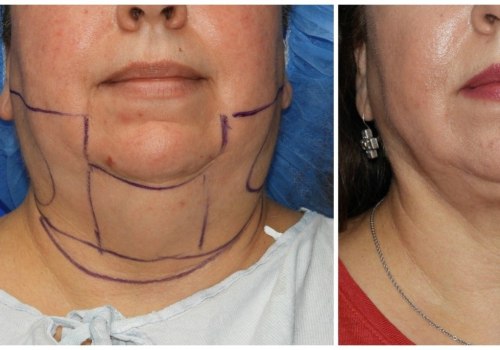
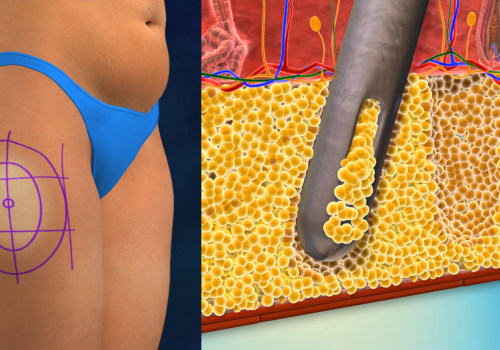
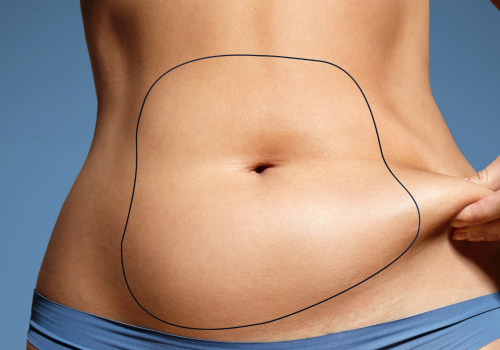
Liposuction is a popular cosmetic procedure that has gained significant attention over the years, often touted as a solution for stubborn fat deposits that resist diet and exercise. At its core, liposuction is designed to remove excess fat from specific areas of the body, helping individuals achieve a more contoured and aesthetically pleasing silhouette. However, it is crucial to understand that liposuction is not a weight-loss solution; rather, it is a body-shaping procedure aimed at enhancing one’s natural curves.The liposuction procedure involves the use of a thin tube called a cannula, which is inserted through small incisions in the skin. This cannula is then used to suction out fat from targeted areas, such as the abdomen, thighs, buttocks, arms, and neck.
The process typically begins with the administration of anaesthesia to ensure patient comfort during the operation. Depending on the extent of fat removal and the areas being treated, liposuction can be performed under local or general anaesthesia.Understanding how liposuction works is essential for anyone considering this procedure. The surgeon first marks the areas where fat will be removed and may use tumescent fluid—comprised of saline, anaesthetic, and epinephrine—to help minimise bleeding and swelling. Once the area is prepared, the cannula is inserted to break up and remove fat cells.
The entire process can take anywhere from one to several hours, depending on the complexity of the case.Ultimately, while liposuction can effectively sculpt and refine body contours, it should be viewed as a complement to a healthy lifestyle rather than a standalone solution for weight loss. It is vital for potential candidates to have realistic expectations about what liposuction can achieve and to engage in discussions with their plastic surgeon about their goals and concerns.The entire process can take anywhere from one to several hours, depending on the complexity of the case.Ultimately, while liposuction can effectively sculpt and refine body contours, it should be viewed as a complement to a healthy lifestyle rather than a standalone solution for weight loss. It is vital for potential candidates to have realistic expectations about what liposuction can achieve and to engage in discussions with their plastic surgeon about their goals and concerns.
The Science Behind Liposuction
Liposuction is a sophisticated surgical procedure that employs various techniques to remove excess fat from specific areas of the body. Understanding the different methods available can help patients make informed decisions about their options. Here, we will explore some of the most common liposuction techniques, including tumescent, ultrasound-assisted, and laser-assisted liposuction.Tumescent Liposuction
Tumescent liposuction is one of the most widely used techniques today.This method involves injecting a large volume of a saline solution mixed with local anaesthetic and epinephrine into the targeted fat areas. The solution causes the fat cells to swell and become firm, making them easier to remove. The advantages of tumescent liposuction include:
- Minimised blood loss: The epinephrine constricts blood vessels, reducing bleeding during the procedure.
- Local anaesthesia: Patients can remain awake during the surgery, which often leads to a quicker recovery.
- Less pain and swelling: The use of local anaesthesia typically results in less postoperative discomfort.
Ultrasound-Assisted Liposuction (UAL)
Ultrasound-assisted liposuction employs sound waves to liquefy fat cells before they are suctioned out. This technique is particularly effective for removing fat from fibrous areas of the body, such as the back or male breast tissue.The benefits of UAL include:
- Enhanced fat removal: The ultrasound energy can break down fat more effectively than traditional methods.
- Less trauma to surrounding tissues: UAL can be gentler on surrounding structures, potentially leading to a quicker recovery.
Laser-Assisted Liposuction (LAL)
Laser-assisted liposuction uses laser energy to melt away fat before it is removed through suction. This technique is known for its precision and ability to target specific areas effectively. Key advantages include:- Skin tightening: The heat generated by the laser can stimulate collagen production, leading to tighter skin post-procedure.
- Reduced bruising and swelling: LAL typically results in less trauma to surrounding tissues compared to traditional liposuction methods.
Liposuction vs.
Weight Loss: What You Need to KnowWhen considering liposuction as a potential solution for weight loss, it is crucial to understand its role and limitations. Many individuals mistakenly believe that liposuction can serve as a quick fix for obesity or significant weight issues. However, this perception is misleading and can lead to unrealistic expectations.
Liposuction is not a weight-loss procedure
. It is primarily designed to contour the body by removing localized fat deposits that are resistant to diet and exercise.
This means that while liposuction can enhance your body shape, it does not address the underlying causes of obesity or lead to substantial weight loss. For those who are significantly overweight, relying solely on liposuction can be ineffective and even dangerous.One of the most common misconceptions about liposuction is that it can replace a healthy lifestyle. Many patients come to me believing that after undergoing the procedure, they can return to their previous habits without consequence. This is far from the truth.
Liposuction should be viewed as a complement to a balanced diet and regular physical activity, not a substitute for them.Furthermore, it’s important to note that liposuction primarily targets subcutaneous fat—the fat located just beneath the skin—rather than visceral fat, which surrounds internal organs and poses greater health risks. Therefore, even if you achieve a slimmer appearance through liposuction, it does not necessarily equate to improved health outcomes if lifestyle changes are not made.For those struggling with obesity, I often recommend exploring other avenues first, such as nutritional counselling or weight management programmes. These approaches can provide sustainable results and improve overall health before considering surgical options like liposuction.In summary, while liposuction can be an effective tool for body contouring, it is not a viable solution for weight loss in individuals with significant obesity. Understanding this distinction is vital for setting realistic goals and achieving long-term success in your health journey.
Who is an Ideal Candidate for Liposuction?
Determining whether you are a suitable candidate for liposuction involves several critical factors that can significantly influence the outcome of the procedure.Understanding these criteria is essential for anyone considering this body contouring option.
Body Mass Index (BMI)Body Mass Index (BMI)
A key factor in assessing candidacy for liposuction is your Body Mass Index (BMI). Ideally, candidates should have a BMI of 30 or lower. This range indicates that the individual is not classified as obese, which can complicate surgical procedures and recovery. While liposuction can be performed on individuals with a higher BMI, it is generally recommended for those who are close to their ideal weight but struggle with stubborn fat deposits that do not respond to diet and exercise.
Skin ElasticitySkin Elasticity
The condition of your skin plays a significant role in determining if you are a good candidate for liposuction.
Patients with good skin elasticity tend to achieve better results, as the skin can retract and conform to the new body contours after fat removal. Conversely, individuals with loose or sagging skin may not see the desired results, and alternative procedures such as a tummy tuck or skin tightening treatments might be more appropriate.
Overall Health
Your overall health is another crucial consideration. Candidates should be in good physical condition, free from serious medical conditions that could complicate surgery or recovery. Conditions such as diabetes, heart disease, or clotting disorders may increase risks during and after the procedure.
A thorough medical evaluation will help determine if you are fit for surgery.
Realistic Expectations
Having realistic expectations about what liposuction can achieve is vital. This procedure is not a weight-loss solution but rather a method to sculpt and contour specific areas of the body. Ideal candidates understand that while they may see improvements in their body shape, maintaining a healthy lifestyle post-surgery is essential for long-term satisfaction.
Age Considerations
While there is no strict age limit for liposuction, candidates should be at least 18 years old and ideally within their mid-30s to mid-50s. Younger patients often have better skin elasticity, while older patients may face challenges related to skin laxity and healing.In summary, an ideal candidate for liposuction is someone who has a BMI within the recommended range, possesses good skin elasticity, maintains overall health, holds realistic expectations about the outcomes, and falls within an appropriate age bracket.
Consulting with a qualified plastic surgeon will provide personalised insights into your suitability for this procedure.
Preparing for Liposuction: What to Expect
Preparing for liposuction is a crucial step that can significantly influence the outcome of your procedure. Understanding what to expect during this preparation phase can help alleviate anxiety and ensure you are fully ready for the surgery.Initially, you will need to schedule a comprehensive consultation with your plastic surgeon. This meeting is essential for discussing your goals, expectations, and any concerns you may have. During this consultation, your surgeon will:- Evaluate your medical history, including any pre-existing conditions or medications you are currently taking.
- Conduct a physical examination to assess your overall health and determine if you are a suitable candidate for liposuction.
- Discuss the specific areas of your body you wish to target and explain the potential results.
- Provide information on the different techniques available and recommend the most appropriate one for your needs.
- Medical Evaluations: Your surgeon may require blood tests or other diagnostic evaluations to ensure that you are in good health before undergoing surgery.
- Lifestyle Adjustments: It is advisable to adopt a healthy lifestyle in the weeks leading up to your procedure.
This includes maintaining a balanced diet, staying hydrated, and engaging in regular physical activity. Avoiding smoking and excessive alcohol consumption is also crucial, as these can hinder healing.
- Medications: You may be instructed to stop taking certain medications or supplements that could increase bleeding risk, such as aspirin or non-steroidal anti-inflammatory drugs (NSAIDs).
- Arranging Support: Plan for someone to accompany you on the day of the surgery and assist you during your recovery period. Having support can make a significant difference in your comfort and healing process.
The Liposuction Procedure: Step-by-Step Guide
The liposuction procedure is a meticulous process that requires careful planning and execution.Understanding the steps involved can help demystify the experience for potential patients. Below is a detailed overview of what to expect during the procedure and the subsequent recovery phase.
1.Pre-Operative Consultation
- Before undergoing liposuction, patients will have a thorough consultation with their plastic surgeon. This meeting is crucial for discussing medical history, expectations, and any concerns.
- The surgeon will assess the areas of fat accumulation and determine if the patient is a suitable candidate for the procedure.
- Patients may be advised to stop certain medications or supplements that could increase bleeding risk.
2.Anesthesia Administration
On the day of the surgery, patients will be taken to the operating room where anesthesia will be administered. Depending on the extent of the procedure, either local or general anesthesia may be used:
- Local Anesthesia: This numbs only the targeted area, allowing patients to remain awake but comfortable.
- General Anesthesia: This option puts patients into a deep sleep, ensuring they feel no pain during the procedure.
3.Incision and Fat Removal
Once anesthesia takes effect, the surgeon will make small incisions in inconspicuous areas of the body.
These incisions are typically less than half an inch long:
- A thin tube called a cannula is inserted through these incisions.
- The surgeon then uses this cannula to suction out excess fat from beneath the skin.
- The technique may vary; some surgeons use tumescent liposuction, which involves injecting a solution to facilitate fat removal and reduce bleeding.
4.Closing Incisions
After the desired amount of fat has been removed, the surgeon will carefully close the incisions with sutures or adhesive strips. This step is crucial for minimising scarring and promoting healing.
5.Recovery Process
The recovery phase begins immediately after surgery:
- Patients are typically monitored in a recovery area until they are stable enough to go home.
- It is common to experience swelling, bruising, and discomfort in the treated areas, which can be managed with prescribed pain medication.
- Most patients can return to light activities within a few days but should avoid strenuous exercise for several weeks.
- A follow-up appointment will be scheduled to monitor healing and discuss any concerns.
Post-Operative Care and Recovery After Liposuction
Recovering from liposuction is a crucial phase that can significantly influence the overall results of the procedure. Understanding how to care for yourself post-surgery is essential for a smooth recovery and optimal outcomes.Managing Pain and Discomfort
It is common to experience some level of pain and discomfort following liposuction. Your surgeon will likely prescribe pain medication to help manage this.Here are some tips for managing pain effectively:
- Follow Medication Instructions: Take prescribed medications as directed. Do not wait until the pain becomes severe; take them at regular intervals to maintain comfort.
- Use Ice Packs: Applying ice packs to the treated areas can help reduce swelling and numb the pain. Ensure you wrap the ice pack in a cloth to avoid direct contact with the skin.
- Rest: Allow your body time to heal. Avoid strenuous activities and heavy lifting for at least a few weeks post-surgery.
Caring for Incisions
Proper care of your incisions is vital to prevent infection and promote healing.Here are some essential care instructions:
- Keep Incisions Clean: Gently clean the incision sites with mild soap and water. Pat them dry with a clean towel.
- Avoid Soaking: Do not soak in baths, hot tubs, or swimming pools until your surgeon gives you the green light, as this can introduce bacteria to the incisions.
- Watch for Signs of Infection: Be vigilant for any signs of infection, such as increased redness, swelling, or discharge from the incision sites. If you notice any of these symptoms, contact your surgeon immediately.
Signs to Monitor During Recovery
During your recovery, it’s important to monitor your body for any unusual symptoms. Here are some signs that may require medical attention:- Excessive Swelling: While some swelling is normal, excessive swelling that does not subside may indicate complications.
- Persistent Pain: If pain persists despite medication or worsens over time, consult your surgeon.
- Fever: A fever may indicate an infection; if you develop a temperature above 38°C (100.4°F), seek medical advice.
Always communicate openly with your healthcare provider about any concerns or questions you may have during this time.
Long-Term Results: Maintaining Your New Shape After Liposuction
Undergoing liposuction can be a transformative experience, offering patients the opportunity to reshape their bodies and enhance their self-esteem. However, the journey does not end once the procedure is complete. To truly enjoy the benefits of liposuction in the long term, it is crucial to adopt a lifestyle that supports and maintains your new shape.One of the most significant factors in maintaining your results is embracing a balanced diet. After liposuction, your body will have less fat, but this does not mean you can return to unhealthy eating habits.A diet rich in whole foods—such as fruits, vegetables, lean proteins, and whole grains—will not only help you maintain your weight but also promote overall health. Consider consulting with a nutritionist who can help tailor a meal plan that aligns with your goals.In addition to dietary changes, regular physical activity is essential. Engaging in consistent exercise helps to burn calories, build muscle, and improve your metabolism. Aim for a mix of cardiovascular exercises—like running or cycling—and strength training to keep your body toned and fit.
Even simple activities like walking or swimming can make a significant difference in maintaining your results.Moreover, it’s important to set realistic expectations regarding your body after liposuction. While the procedure can remove stubborn fat deposits, it does not prevent future weight gain. If you do gain weight after the surgery, it may be distributed differently across your body compared to before the procedure. Therefore, staying vigilant about your lifestyle choices is vital.Another aspect to consider is the psychological impact of liposuction.
Many patients experience a boost in confidence post-surgery; however, it’s essential to maintain a positive mindset and avoid comparing yourself to others. Surrounding yourself with supportive friends and family can help reinforce healthy habits and keep you motivated.Lastly, regular follow-up appointments with your plastic surgeon are crucial for monitoring your progress and addressing any concerns that may arise. Your surgeon can provide valuable insights into maintaining your results and suggest adjustments to your routine if necessary.In summary, while liposuction can significantly enhance your body shape, maintaining those results requires commitment to a healthy lifestyle. By focusing on balanced nutrition, regular exercise, realistic expectations, mental well-being, and ongoing support from healthcare professionals, you can enjoy the long-term benefits of your liposuction journey.
Potential Risks and Complications of Liposuction
Liposuction, while often viewed as a straightforward solution for body contouring, carries its own set of risks and potential complications that patients must consider before undergoing the procedure.Understanding these risks is crucial for making an informed decision.One of the most common complications associated with liposuction is infection. As with any surgical procedure, there is a risk of bacteria entering the body during the operation, which can lead to serious infections. Patients are advised to follow their surgeon's post-operative care instructions meticulously to minimise this risk.Another significant concern is the possibility of seroma , which is a collection of fluid that can accumulate in the surgical area. This condition may require additional procedures to drain the fluid and can prolong recovery time.
To reduce the likelihood of seroma formation, surgeons often recommend wearing compression garments as directed.
Blood clots
are another potential complication that can arise after liposuction. These clots can form in the legs and may travel to the lungs, leading to a serious condition known as a pulmonary embolism. To mitigate this risk, patients are encouraged to engage in light physical activity as soon as they are able and to follow any prescribed blood-thinning medications.Additionally, patients may experience irregularities in skin contour , such as lumps or depressions, due to uneven fat removal or skin elasticity issues. This can sometimes necessitate further corrective procedures.
It is essential for patients to have realistic expectations regarding their results and to discuss any concerns with their surgeon prior to surgery.Lastly, there are potential anaesthesia-related risks , including adverse reactions or complications from sedation. Patients should disclose their complete medical history and any allergies to their anaesthetist to ensure safe administration of anaesthesia.In conclusion, while liposuction can be an effective method for achieving desired body contours, it is not without its risks. A thorough consultation with a qualified plastic surgeon can help identify individual risk factors and establish a comprehensive plan for minimising complications.
<strong>Conclusion</strong>
In summary, liposuction is a powerful cosmetic procedure that can significantly enhance body contours and boost self-esteem. However, it is crucial to approach this treatment with a clear understanding of its purpose and limitations.While it can effectively remove stubborn pockets of fat that resist diet and exercise, it is not a comprehensive solution for weight loss or obesity management.Patients often come to me with the hope that liposuction will serve as a quick fix for their weight issues. It is essential to clarify that this procedure is not designed for substantial weight reduction. Instead, it is best suited for individuals who are already close to their ideal weight but wish to refine specific areas of their body. This distinction is vital for setting realistic expectations.Moreover, the success of liposuction should be viewed in the context of a broader lifestyle approach.
Maintaining a balanced diet and engaging in regular physical activity are fundamental components of long-term health and wellness. Liposuction can complement these efforts by enhancing body shape, but it should not replace the need for healthy habits.As a plastic surgeon, I encourage potential patients to consider liposuction as part of a holistic approach to body image and health. Consulting with a qualified professional can provide valuable insights into whether this procedure aligns with your personal goals and health status.Ultimately, the decision to undergo liposuction should be made after careful consideration and discussion with your surgeon. Understanding the procedure's role in your overall health journey will empower you to make informed choices that lead to lasting satisfaction with your body.