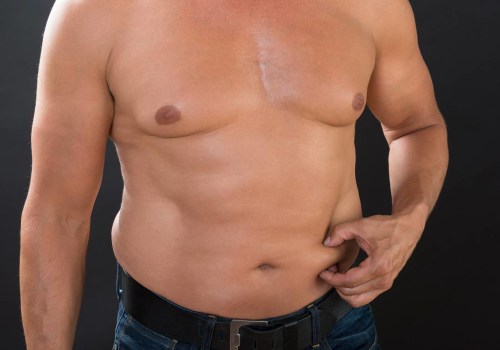
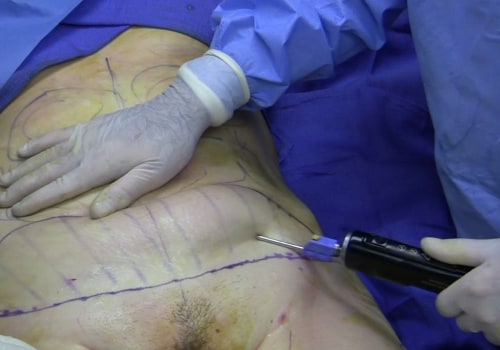
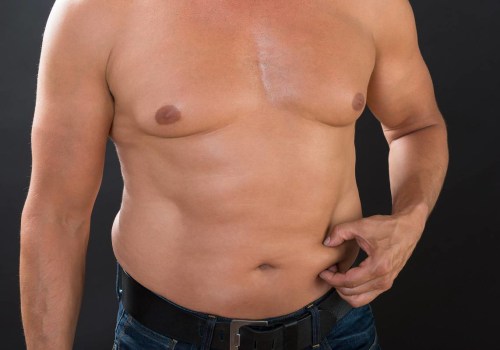
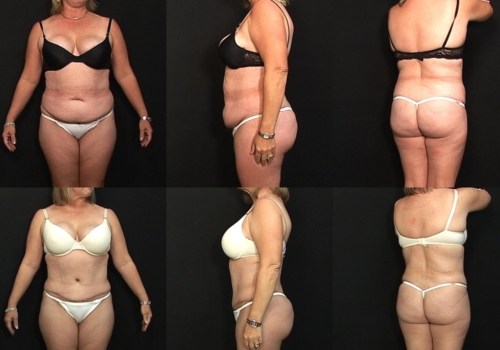
Liposuction is a popular cosmetic procedure designed to reshape and contour the body by removing excess fat deposits. While many people associate liposuction with significant weight loss, it is essential to understand that its primary purpose is to target specific areas of stubborn fat that are resistant to diet and exercise. This procedure can enhance body proportions and improve self-esteem, making it a sought-after option for those looking to refine their physique.The mechanics of liposuction involve the use of a suction technique to extract fat from various parts of the body, including the abdomen, thighs, buttocks, arms, and neck. During the procedure, a qualified plastic surgeon makes small incisions in the skin and inserts a thin tube called a cannula.
This cannula is connected to a vacuum device that gently removes fat cells from beneath the skin. The process not only eliminates unwanted fat but also helps to sculpt the body into a more aesthetically pleasing shape.Before undergoing liposuction, patients typically undergo a thorough consultation with their surgeon to discuss their goals and expectations. It is crucial for candidates to have realistic views about the outcomes of the procedure. While liposuction can lead to noticeable changes in body shape, it is not intended as a weight-loss solution for those who are significantly overweight.
Instead, it works best for individuals who are close to their ideal weight but struggle with localized fat deposits.Understanding how liposuction works is vital for anyone considering this procedure. It is not merely about fat removal; it is about achieving a balanced and harmonious body contour. By targeting specific areas, liposuction can help individuals achieve their desired look while complementing their overall health and wellness journey.
The Role of Liposuction in Weight Management
Liposuction is often perceived as a miracle solution for weight loss, but this perception can lead to significant misunderstandings about its true role in weight managementweight management. While it is effective for removing localized fat deposits, it is not a comprehensive solution for those seeking to lose a substantial amount of weight.To clarify, liposuction is primarily a cosmetic procedure aimed at reshaping specific areas of the body by eliminating stubborn fat that does not respond to diet and exercise.This makes it particularly beneficial for individuals who are already close to their ideal weight but struggle with pockets of fat in areas such as the abdomen, thighs, or arms.It is crucial to understand that liposuction should not be viewed as a substitute for a healthy lifestyle. Instead, it can serve as an adjunct to ongoing weight management efforts. For instance, many patients find that after undergoing liposuction, they are more motivated to maintain their results through improved dietary choices and regular physical activity.Moreover, the amount of fat that can be safely removed during a liposuction procedure is limited. Typically, patients can expect to lose between two to five pounds of fat, which is relatively modest compared to the overall body weight.
This limitation underscores the importance of setting realistic expectations prior to the procedure.In addition, liposuction does not address underlying issues related to weight gain, such as metabolic disorders or emotional eating. Therefore, individuals considering this procedure should also engage in discussions about their overall health and lifestyle with their healthcare provider.Ultimately, while liposuction can enhance body contours and boost self-esteem, it should be integrated into a broader strategy for weight management. This includes maintaining a balanced diet and committing to regular exercise. By understanding the role of liposuction within the context of overall health and wellness, patients can make informed decisions that align with their long-term goals.
Who Are the Ideal Candidates for Liposuction?
When considering liposuction, it is crucial to identify the ideal candidates who will benefit most from this procedure.Liposuction is not a universal solution for weight loss; rather, it is designed for individuals looking to target specific areas of stubborn fat that do not respond to diet and exercise. Below are the key characteristics that define suitable candidates for liposuction.
- Stable Weight: Ideal candidates should be within 30% of their target weight and have maintained a stable weight for at least six months. This stability indicates that the individual is committed to a healthy lifestyle, which is essential for achieving and maintaining results post-surgery.
- Localized Fat Deposits: Candidates typically have specific areas of fat accumulation, such as the abdomen, thighs, hips, or arms. Liposuction is most effective for those who have pockets of fat that are resistant to traditional weight loss methods.
- Good Overall Health: Prospective patients should be in good health, both physically and mentally.
A thorough medical evaluation is necessary to ensure there are no underlying health issues that could complicate the procedure or recovery.
- Realistic Expectations: Candidates must have realistic expectations regarding the outcomes of liposuction. While it can significantly improve body contours, it is not a weight-loss solution and should not be viewed as a quick fix for obesity.
- Age Considerations: Most surgeons recommend that candidates be at least 18 years old. Younger individuals may still be developing, which can affect the results of the procedure.
Conversely, those with significant skin laxity may require additional procedures, such as a tummy tuck, to achieve optimal results.Ultimately, consulting with a qualified plastic surgeon is essential to determine if you are an appropriate candidate for liposuction. They will assess your individual circumstances and help you understand what to expect from the procedure, ensuring you make an informed decision about your body and health.
The Liposuction Procedure: What to Expect
Undergoing liposuction is a significant decision that requires careful consideration and understanding of the entire process. From pre-operative preparations to post-operative care, knowing what to expect can help alleviate anxiety and ensure a smoother experience.Pre-Operative Preparations
- Consultation: The journey begins with a thorough consultation with a qualified plastic surgeon. During this meeting, you will discuss your goals, medical history, and any concerns you may have.
The surgeon will evaluate your body type and determine if you are a suitable candidate for the procedure.
- Medical Evaluation: A comprehensive medical evaluation is essential to ensure your overall health is adequate for surgery. This may include blood tests, imaging studies, and a review of your medications.
- Pre-Operative Instructions: Your surgeon will provide specific instructions to follow in the days leading up to the procedure. This may include avoiding certain medications, refraining from smoking, and adhering to dietary guidelines.
The Surgery Itself
Liposuction is typically performed under local or general anaesthesia, depending on the extent of the procedure and the areas being treated. Here’s what you can expect during the surgery:
- Anesthesia Administration: The anaesthetist will administer the chosen anaesthesia to ensure you are comfortable throughout the procedure.
- Incision Creation: Small incisions are made in discreet locations near the targeted fat deposits.
These incisions are usually less than an inch long.
- Fat Removal: A thin tube called a cannula is inserted through the incisions. The surgeon will then use this cannula to suction out excess fat from specific areas of your body.
- Closure: Once the desired amount of fat has been removed, the incisions are closed with sutures or adhesive strips.
Recovery from Liposuction
The recovery phase is crucial for achieving optimal results. Here’s what you should anticipate:
- Initial Recovery: After surgery, you may experience swelling, bruising, and discomfort in the treated areas. These symptoms are normal and can be managed with prescribed pain medication.
- Activity Restrictions: It’s important to limit physical activity for at least two weeks post-surgery.
Your surgeon will provide guidelines on when you can gradually resume normal activities.
- Follow-Up Appointments: Regular follow-up visits with your surgeon are essential to monitor your healing process and address any concerns that may arise.
- Long-Term Care: Maintaining a healthy lifestyle through balanced nutrition and regular exercise will help sustain your results over time.
Liposuction Techniques: A Closer Look at Methods
Liposuction has evolved significantly over the years, with various techniques developed to enhance safety, effectiveness, and patient satisfaction. Understanding these different methods can help individuals make informed decisions about their body contouring options.Tumescent Liposuction
One of the most popular techniques is tumescent liposuction. This method involves the injection of a sterile solution containing saline, lidocaine, and epinephrine into the targeted fat areas before the procedure. The saline helps to swell and firm the fat, making it easier to remove, while lidocaine provides local anaesthesia to minimise discomfort.Epinephrine constricts blood vessels, reducing bleeding and bruising during the surgery.The advantages of tumescent liposuction include:
- Minimised pain: The local anaesthetic allows for a more comfortable experience during and after the procedure.
- Reduced recovery time: Patients often experience less swelling and bruising, leading to quicker healing.
- Precision: Surgeons can target specific areas more effectively due to the increased visibility of fat cells.
Ultrasound-Assisted Liposuction (UAL)
Another innovative technique is ultrasound-assisted liposuction. This method uses ultrasonic waves to liquefy fat cells before they are suctioned out. The ultrasound energy is delivered through a small probe inserted into the treatment area, breaking down fat cells while preserving surrounding tissues.The benefits of UAL include:- Effective for fibrous areas: This technique is particularly useful for areas with denser fat deposits, such as the back or male breasts.
- Less trauma: The ultrasonic energy causes less damage to surrounding tissues compared to traditional methods.
- Improved skin tightening: The heat generated during the process can stimulate collagen production, leading to firmer skin post-procedure.
Realistic Expectations: What Liposuction Can and Cannot Do
When considering liposuction, it is crucial to have a clear understanding of what the procedure can realistically achieve.Many individuals approach liposuction with the hope of achieving significant weight loss, but this is a common misconception. Instead, liposuction is primarily designed for contouring and reshaping specific areas of the body by removing stubborn fat deposits that are resistant to diet and exercise.One of the first things to understand is that liposuction is not a weight-loss solution. The amount of fat that can be safely removed during a single procedure typically ranges from 2 to 5 kilograms (approximately 4 to 11 pounds). While this may seem substantial, it represents only a small fraction of total body weight for most patients.
Therefore, those seeking to lose a significant amount of weight—such as 20 pounds or more—should consider other options, such as lifestyle changes or bariatric surgery.Moreover, the results of liposuction can vary significantly from person to person. Factors such as body type, skin elasticity, and the specific areas being treated all play a role in determining the final outcome. For instance, individuals with good skin elasticity may experience better tightening and contouring effects post-surgery compared to those with looser skin.It is also important to note that while liposuction can remove fat cells from targeted areas, it does not prevent future weight gain. If a patient does not maintain a healthy lifestyle after the procedure, there is a possibility that remaining fat cells could expand or new fat could accumulate in other areas of the body.
Therefore, adopting a balanced diet and regular exercise regimen post-liposuction is essential for maintaining results.In summary, setting realistic expectations is vital for anyone considering liposuction. Understanding that it is not a substitute for weight loss but rather a tool for body contouring can help patients make informed decisions. Consulting with a qualified plastic surgeon can provide further insights into what can be achieved based on individual circumstances and goals.
Post-Operative Care and Recovery After Liposuction
Recovering from liposuction is a crucial phase that significantly impacts the overall results of the procedure. Proper post-operative care not only aids in healing but also helps maintain the desired body shape achieved through surgery.Here are some essential tips for a smooth recovery:
1.Follow Your Surgeon’s Instructions
Your plastic surgeon will provide specific guidelines tailored to your individual needs. Adhering to these instructions is vital for a successful recovery. This may include advice on medication, activity levels, and follow-up appointments.2.Manage Pain and Discomfort
It is common to experience some pain and swelling after the procedure. Your surgeon may prescribe pain relief medication to help manage discomfort.Additionally, applying cold compresses to the treated areas can reduce swelling and provide relief.
3.Stay Hydrated
Drinking plenty of water is essential during your recovery. Staying hydrated helps flush out toxins from your body and supports the healing process. Aim for at least 8-10 glasses of water daily, unless otherwise directed by your surgeon.4.Maintain a Balanced Diet
A nutritious diet plays a significant role in recovery. Focus on consuming:- Lean proteins: Chicken, fish, tofu, and legumes help repair tissues.
- Fruits and vegetables: Rich in vitamins and minerals, they boost your immune system.
- Whole grains: Foods like brown rice and whole wheat bread provide energy.
5.Gradually Resume Activities
While it’s important to rest initially, gentle movement can promote circulation and reduce the risk of blood clots.Start with short walks around your home as soon as you feel able. However, avoid strenuous activities or heavy lifting for at least four to six weeks post-surgery.
6.Wear Compression Garments
Your surgeon will likely recommend wearing compression garments for several weeks following the procedure. These garments help reduce swelling, support the healing tissues, and improve skin retraction.7.Monitor Your Recovery
Keep an eye on your recovery progress. If you notice any unusual symptoms such as excessive swelling, persistent pain, or signs of infection (like fever or discharge), contact your surgeon immediately.In conclusion, taking care of yourself after liposuction is essential for achieving optimal results.By following these recovery tips and maintaining open communication with your healthcare provider, you can ensure a smoother healing process and enjoy the benefits of your new body shape.
Liposuction vs. Other Weight Loss Methods: A Comparative Analysis
When considering weight loss options, it is essential to understand the differences between liposuction and other methods, including diet and exercise, surgical weight loss options, and non-surgical alternatives. Each approach has its unique benefits and limitations, making it crucial for individuals to choose the method that aligns with their personal goals and health conditions.Liposuction vs. Diet and Exercise
Diet and exercise are the cornerstone of any weight loss journey.They promote overall health and can lead to sustainable weight loss when combined effectively. However, these methods may not always target specific areas of stubborn fat.
Liposuction
, on the other hand, is designed to remove fat from particular regions of the body, such as the abdomen, thighs, or arms. While liposuction can enhance body contours, it is not a substitute for a healthy lifestyle.Many individuals find that despite rigorous dieting and exercising, certain fat deposits remain resistant to these efforts.In such cases, liposuction can serve as a complementary procedure to help achieve desired body shape. However, it is important to note that liposuction does not prevent future weight gain; maintaining a balanced diet and regular physical activity is still necessary for long-term success.
Surgical Weight Loss Options
Other surgical weight loss options include gastric bypass and sleeve gastrectomy. These procedures are typically recommended for individuals with a higher body mass index (BMI) who have not achieved significant weight loss through non-surgical methods. Unlike liposuction, which focuses on fat removal, these surgeries alter the digestive system to limit food intake or absorption.While surgical weight loss options can lead to substantial weight reduction, they come with higher risks and longer recovery times compared to liposuction.Patients must also commit to lifestyle changes post-surgery to ensure lasting results.
Non-Surgical Weight Loss Methods
Non-surgical methods such as coolsculpting, radiofrequency treatments, and injectable therapies have gained popularity in recent years. These techniques aim to reduce fat without invasive surgery. While they can be effective for minor fat reduction, results are often less dramatic than those achieved through liposuction.In summary, while liposuction offers targeted fat removal for those struggling with specific areas of excess fat, it should be viewed as part of a broader weight management strategy that includes healthy eating and regular exercise. Understanding the strengths and weaknesses of each method will empower individuals to make informed decisions about their weight loss journey.Frequently Asked Questions About Liposuction
When considering liposuction, many potential patients have a range of questions and concerns.Addressing these can help demystify the procedure and provide clarity on what to expect.
What is liposuction?
Liposuction is a cosmetic surgical procedure designed to remove excess fat from specific areas of the body. It is not a weight-loss solution but rather a method for contouring and reshaping the body by targeting stubborn fat deposits that do not respond to diet and exercise.Who is an ideal candidate for liposuction?
The best candidates for liposuction are individuals who are close to their ideal body weight but have localized areas of fat that they wish to reduce. Generally, candidates should be in good health, have realistic expectations, and be non-smokers. It is also important that they understand that liposuction is not a substitute for a healthy lifestyle.What areas can be treated with liposuction?
- Abdomen
- Thighs
- Hips
- Arms
- Back
- Chin and neck
How much fat can be removed during the procedure?
During a typical liposuction procedure, surgeons can safely remove between 200 to 500 ml of fat from a single area.However, the total amount removed will depend on various factors, including the patient's overall health and the specific areas being treated.
What are the risks associated with liposuction?
As with any surgical procedure, there are risks involved with liposuction. These may include:- Infection
- Scarring
- Fluid accumulation
- Nerve damage
- Uneven contours or asymmetry
What should I expect during recovery?
The recovery period after liposuction varies by individual but typically involves swelling, bruising, and discomfort in the treated areas. Patients are advised to wear compression garments to aid in healing and should avoid strenuous activities for several weeks. Following your surgeon's post-operative care instructions is essential for optimal recovery.If you have further questions or concerns about liposuction, it is advisable to consult with a qualified plastic surgeon who can provide personalised information based on your unique situation.Conclusion: Making an Informed Decision About Liposuction
In conclusion, liposuction is a powerful tool for body contouring, but it is essential to approach it with realistic expectations and a thorough understanding of its limitations.While it can effectively remove stubborn fat deposits and enhance body shape, it is not a substitute for a healthy lifestyle or a primary method for significant weight loss.Throughout this article, we have explored various aspects of liposuction, including:
- The nature of the procedure and how it works to remove fat from specific areas of the body.
- The typical amount of fat that can be safely removed during a single session.
- The importance of being within a healthy weight range for optimal results.
- The role of liposuction as an adjunct to diet and exercise rather than a standalone solution for obesity.
- The significance of recovery and post-operative care in achieving the best outcomes.
- The necessity of consulting with a qualified plastic surgeon to determine individual suitability for the procedure.
They will also discuss potential risks and complications associated with the procedure, ensuring that patients are fully informed before proceeding.Ultimately, making an informed decision about liposuction involves understanding both its benefits and limitations. With careful consideration and professional guidance, individuals can achieve their desired outcomes while prioritising their health and safety.