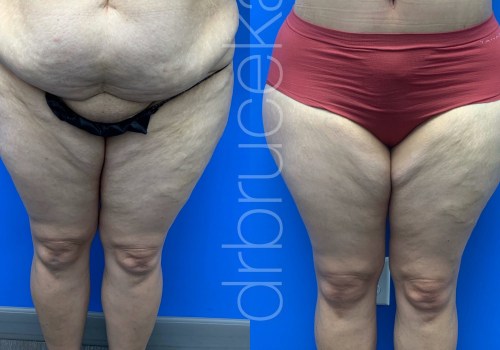
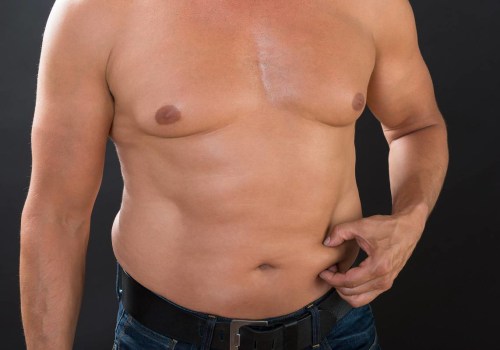
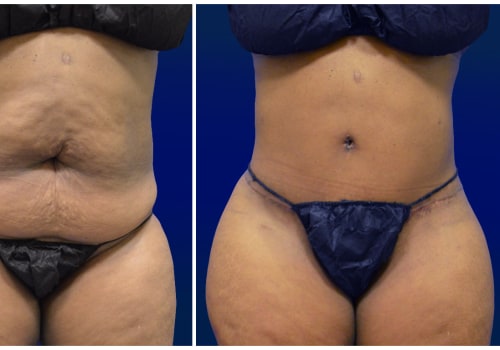
Liposuction is often perceived as a miracle solution for achieving a slimmer physique, but the reality is more nuanced. This popular cosmetic procedure, designed to remove stubborn fat deposits from specific areas of the body, can significantly enhance body contouring. However, many individuals overlook the critical relationship between liposuction and long-term weight management. Understanding this connection is essential for anyone considering the procedure.One of the most prevalent misconceptions surrounding liposuction is that it guarantees permanent weight loss.
While it effectively reduces fat in targeted areas, it does not prevent future weight gain. After undergoing liposuction, patients may find themselves grappling with unexpected weight fluctuations. This can be particularly disheartening for those who have invested time and resources into achieving their desired body shape. The truth is that the body’s response to liposuction can lead to changes in fat distribution, which may result in weight gain in areas that were not treated.Moreover, the recovery phase following liposuction plays a crucial role in how the body adapts post-procedure.
During this time, patients are encouraged to adopt healthy lifestyle habits to maintain their results. However, if these habits are not established or maintained, there is a risk of regaining weight. This section aims to delve deeper into the realities of weight gain after liposuction, exploring how the procedure affects body composition and what steps can be taken to ensure lasting results.
What is Liposuction?
Liposuction
is a popular cosmetic surgical procedure designed to remove excess fat from specific areas of the body. It is often sought after by individuals looking to enhance their body contours and achieve a more sculpted appearance.
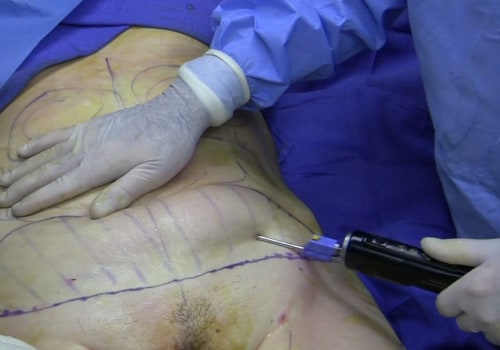
While it is not a weight-loss solution, liposuction can significantly improve the shape of the body by targeting stubborn fat deposits that are resistant to diet and exercise.The liposuction procedure typically involves the use of a thin tube called a cannula, which is inserted through small incisions in the skin. The surgeon then uses this cannula to suction out unwanted fat from the targeted areas. The procedure can be performed under local or general anaesthesia, depending on the extent of fat removal and the patient's preference.
Types of Liposuction
- Tumescent Liposuction:Tumescent Liposuction: This is the most common technique, where a solution containing saline, anaesthetic, and epinephrine is injected into the treatment area. This solution helps to numb the area and constrict blood vessels, reducing bleeding and swelling.
- Ultrasound-Assisted Liposuction (UAL): This method uses ultrasound energy to liquefy fat cells before they are removed. This method uses ultrasound energy to liquefy fat cells before they are removed.
This technique can be particularly effective for fibrous areas of the body, such as the back or male breast tissue.
- Laser-Assisted Liposuction (LAL): Similar to UAL, this technique employs laser energy to melt fat cells, making them easier to remove. It also promotes skin tightening due to the heat generated by the laser.
- Suction-Assisted Liposuction (SAL): This traditional method involves directly suctioning out fat without any prior liquefaction. It is effective for larger volumes of fat removal but may result in more bruising and swelling.
It is not merely a means to lose weight but rather a way to sculpt and refine one's body shape by removing localized fat deposits. As with any surgical procedure, potential candidates should consult with a qualified plastic surgeon to discuss their goals and determine if they are suitable for liposuction.
Common Misconceptions About Weight Loss and Liposuction
When considering liposuction, many individuals are often influenced by a variety of misconceptions that can cloud their understanding of the procedure and its outcomes. Addressing these myths is crucial for setting realistic expectations and making informed decisions.Myth 1: Liposuction is a Weight Loss Solution
One of the most prevalent misconceptions is that liposuction serves as a primary method for weight loss. In reality, liposuction is designed for body contouring rather than significant weight reduction.
It effectively removes localized fat deposits that are resistant to diet and exercise, but it is not a substitute for a healthy lifestyle. Candidates for liposuction should ideally be at or near their target weight, as the procedure is most effective when used to enhance body shape rather than to lose large amounts of weight.
Myth 2: Liposuction Results are Permanent
Another common belief is that the results of liposuction are permanent. While it is true that the fat cells removed during the procedure do not return, it is essential to understand that remaining fat cells can still expand if a person gains weight post-surgery. This means that maintaining a stable weight through a balanced diet and regular exercise is vital to preserving the results of liposuction.
Myth 3: Liposuction Can Target Specific Areas of Fat
Many people think that liposuction can selectively target fat in specific areas without affecting surrounding tissues.
However, while liposuction can improve contours, it does not guarantee that fat will only be removed from the desired area. The body’s natural healing process may lead to uneven results if not performed by an experienced surgeon.
Myth 4: Anyone Can Undergo Liposuction
Some individuals believe that liposuction is suitable for everyone. However, not all patients are ideal candidates. Factors such as overall health, skin elasticity, and specific medical conditions can influence eligibility.
A thorough consultation with a qualified plastic surgeon is necessary to determine if liposuction is appropriate for an individual.
Myth 5: Recovery from Liposuction is Quick and Easy
Lastly, there is a misconception that recovery from liposuction is swift and uncomplicated. While many patients do return to normal activities within a few weeks, full recovery can take several months. Patients may experience swelling, bruising, and discomfort during this time, which requires proper post-operative care and patience.By debunking these myths surrounding liposuction, individuals can approach the procedure with a clearer understanding of what it entails and what results they can realistically expect. This knowledge empowers potential patients to make informed choices about their body and health.
The Science Behind Weight Gain After Liposuction
Understanding the biological mechanisms behind weight gain after liposuction is crucial for anyone considering this procedure.While liposuction effectively removes fat cells from targeted areas, it does not prevent the body from gaining weight in the future. This section explores how fat cells behave post-surgery and the potential for body fat redistribution.After liposuction, the body enters a recovery phase where it attempts to restore balance. One of the key processes during this time is fat cell regeneration. Although liposuction permanently removes a significant number of fat cells from specific areas, the remaining fat cells can still expand if weight is gained.
This means that if a patient were to gain weight after the procedure, they might notice changes in areas that were not treated, as new fat cells can develop in those regions.Moreover, the body has a remarkable ability to adapt to changes. When fat is removed from one area, the body may respond by redistributing fat to other areas. This body fat redistribution can lead to an uneven appearance, where some parts of the body may become disproportionately larger compared to others. For instance, if a patient undergoes liposuction on their abdomen but later gains weight, they might find that their hips or thighs accumulate more fat than before.Several factors contribute to this phenomenon:
- Genetics: Genetic predisposition plays a significant role in determining where fat is stored in the body.
Some individuals may find that they gain weight in specific areas due to their genetic makeup.
- Hormonal Changes: Hormones significantly influence fat distribution. Changes in hormone levels, particularly those related to stress and metabolism, can lead to increased fat storage in untreated areas.
- Lifestyle Factors: Diet and exercise habits post-surgery are critical. A sedentary lifestyle or poor dietary choices can exacerbate weight gain and affect how fat is distributed throughout the body.
Factors Influencing Weight Gain Post-Liposuction
Understanding the factors that contribute to weight gain after liposuction is crucial for anyone considering the procedure.While liposuction effectively removes fat cells from targeted areas, it does not guarantee permanent weight loss. Several elements can influence post-operative weight gain, including lifestyle choices, dietary habits, and metabolic changes.
Lifestyle Choices
- Physical Activity: A sedentary lifestyle can lead to weight gain after liposuction. Regular exercise is essential for maintaining a healthy weight and preventing the accumulation of fat in untreated areas. Patients should aim to incorporate both cardiovascular and strength-training exercises into their routines.
- Stress Management: High-stress levels can lead to emotional eating or unhealthy coping mechanisms, which may contribute to weight gain.
Implementing stress-reduction techniques such as yoga, meditation, or engaging in hobbies can help manage stress effectively.
Dietary Habits
- Caloric Intake: After liposuction, some individuals may feel a false sense of security regarding their weight. This can lead to overeating or indulging in high-calorie foods. It is vital to maintain a balanced diet rich in nutrients while being mindful of portion sizes.
- Food Choices: The quality of food consumed plays a significant role in weight management. A diet high in processed foods, sugars, and unhealthy fats can hinder weight maintenance efforts.
Instead, focusing on whole foods such as fruits, vegetables, lean proteins, and whole grains can support overall health and weight stability.
Metabolic Changes
After liposuction, the body undergoes various metabolic adjustments. The removal of fat cells can alter how the body stores and processes fat. Some patients may experience an increase in appetite or changes in metabolism that could lead to weight gain if not managed properly.In conclusion, while liposuction can significantly enhance body contouring, it is essential to recognise that maintaining results requires ongoing commitment to a healthy lifestyle. By understanding the factors influencing weight gain post-liposuction and making informed choices regarding diet and exercise, individuals can better manage their weight and sustain the benefits of their procedure.
Maintaining Results: Tips to Prevent Weight Gain After Liposuction
After undergoing liposuction, many patients are eager to maintain their newly sculpted physique.However, the risk of weight gain remains a concern. To help you preserve your results, here are some practical tips and lifestyle changes that can significantly reduce the likelihood of regaining weight.
1.Adopt a Balanced Diet
Your diet plays a crucial role in maintaining your weight post-liposuction. Focus on incorporating a variety of nutrient-dense foods into your meals:- Fruits and Vegetables: Aim for at least five portions of fruits and vegetables each day. They are low in calories and high in essential vitamins and minerals.
- Lean Proteins: Include sources such as chicken, fish, beans, and legumes to help build muscle and keep you feeling full.
- Whole Grains: Opt for whole grains like brown rice, quinoa, and whole-wheat bread instead of refined grains to maintain energy levels and support digestion.
- Healthy Fats: Incorporate sources of healthy fats, such as avocados, nuts, and olive oil, which can help you feel satiated.
2.Stay Hydrated
Drinking plenty of water is essential for overall health and can aid in weight management.Aim for at least 2 litres of water daily. Staying hydrated helps control hunger and supports metabolic processes.
3.Regular Exercise
Engaging in regular physical activity is vital for maintaining your weight after liposuction. Here are some exercise recommendations:- Aerobic Activities: Incorporate cardiovascular exercises such as walking, jogging, cycling, or swimming at least 150 minutes per week to burn calories effectively.
- Strength Training: Include strength training exercises at least twice a week to build muscle mass, which can increase your resting metabolic rate.
- Flexibility and Balance: Activities like yoga or Pilates can improve flexibility and core strength while promoting relaxation.
4.Monitor Your Weight
Regularly tracking your weight can help you stay accountable. Weigh yourself weekly to identify any fluctuations early on.If you notice a slight increase, take immediate action to adjust your diet or exercise routine.
5.Prioritise Sleep and Stress Management
Lack of sleep and high-stress levels can lead to weight gain. Aim for 7-9 hours of quality sleep each night and incorporate stress-reducing practices such as meditation or deep-breathing exercises into your daily routine.By implementing these strategies into your lifestyle, you can significantly enhance your chances of maintaining the results achieved through liposuction. Remember that consistency is key; small, sustainable changes will yield the best long-term outcomes.The Role of Diet in Post-Liposuction Weight Management
After undergoing liposuction, maintaining a stable weight is crucial for preserving the results of the procedure. One of the most significant factors influencing weight management post-surgery is diet.A well-balanced and nutritious diet not only aids in recovery but also helps prevent unwanted weight gain.Here are some essential nutrition tips to consider after liposuction:
- Focus on Whole Foods: Incorporate a variety of whole foods into your diet, such as fruits, vegetables, whole grains, lean proteins, and healthy fats. These foods are nutrient-dense and can help you feel full longer, reducing the temptation to overeat.
- Stay Hydrated: Drinking plenty of water is vital for overall health and can aid in digestion. Aim for at least 8-10 glasses of water daily to keep your body hydrated and support metabolic processes.
- Control Portion Sizes: Be mindful of portion sizes to avoid consuming excess calories. Using smaller plates and bowls can help you manage portions effectively.
- Limit Processed Foods: Reduce your intake of processed foods high in sugars, unhealthy fats, and empty calories.
These foods can lead to weight gain and do not provide the necessary nutrients your body needs for recovery.
- Plan Your Meals: Meal planning can be an effective strategy to ensure you have healthy options readily available. Prepare meals in advance to avoid the temptation of unhealthy choices when hunger strikes.
- Eat Regularly: Skipping meals can lead to overeating later in the day. Aim for three balanced meals and healthy snacks throughout the day to maintain energy levels and prevent cravings.
- Listen to Your Body: Pay attention to hunger cues and eat when you are genuinely hungry. Avoid eating out of boredom or emotional triggers.
- Include Protein in Every Meal: Protein is essential for muscle repair and can help keep you feeling satisfied.
Include sources like chicken, fish, beans, or legumes in your meals.
Exercise Recommendations for Post-Liposuction Patients
After undergoing liposuction, it is crucial to approach exercise with caution and care. While physical activity plays a significant role in maintaining the results of your procedure, it is essential to allow your body adequate time to heal before resuming any workout routine.Typically, patients are advised to wait at least two to four weeks post-surgery before engaging in any form of exercise. This waiting period allows for initial healing and reduces the risk of complications.However, the exact timeline can vary based on individual recovery rates and the extent of the liposuction performed. Always consult your surgeon for personalised advice.
Gentle Activities to Start With
Once you receive clearance from your surgeon, consider starting with gentle activities that promote circulation without straining your body. Here are some suitable options:- Walking: Begin with short walks around your home or garden. Gradually increase the duration as you feel more comfortable.
- Stretching: Incorporate light stretching exercises to improve flexibility and reduce stiffness in your muscles.
- Yoga: Gentle yoga can be beneficial for relaxation and improving mobility.
Focus on restorative poses that do not put pressure on the treated areas.
Progressing to Moderate Exercise
As your recovery progresses and you feel stronger, you can gradually introduce more moderate forms of exercise. This may include:- Cycling: Stationary cycling is a low-impact way to build endurance without putting too much strain on your body.
- Swimming: Once your incisions have healed, swimming can be an excellent full-body workout that is easy on the joints.
- Aerobic Classes: Consider joining low-impact aerobic classes that focus on movements suitable for post-surgery patients.
Avoiding High-Impact Activities
In the initial months following liposuction, it is advisable to avoid high-impact exercises such as running, jumping, or heavy weightlifting. These activities can place undue stress on your healing body and may lead to complications or hinder your recovery process.In summary, while exercise is vital for maintaining the results of liposuction, it is essential to listen to your body and progress at a pace that feels comfortable for you. Always prioritise safety and consult with your healthcare provider before making any significant changes to your fitness routine.When to Seek Further Medical Advice or Procedures
After undergoing liposuction, it is essential to monitor your body closely for any changes, particularly regarding weight gain.While some fluctuations are normal, there are specific scenarios where you should consider seeking further medical advice or even additional procedures.
When to Consider More Liposuction
- If you notice a significant increase in weight—typically defined as gaining more than 10% of your body weight post-surgery—it may be time to consult your surgeon. This level of weight gain can lead to noticeable changes in your body shape and may diminish the results of your initial procedure.
- Should you find that the areas treated with liposuction are beginning to accumulate fat again, despite maintaining a healthy lifestyle, it might indicate that further intervention is necessary. This is particularly true if the fat distribution appears disproportionate, leading to an unbalanced silhouette.
- If you experience new areas of fat accumulation that were not previously problematic, this could also warrant a discussion with your surgeon. The body’s response to liposuction can sometimes lead to unexpected fat deposits in untreated regions.
Signs of Significant Weight Gain
- Regularly tracking your weight can help you identify any concerning trends.
If you notice a steady increase over several weeks or months, it’s advisable to seek professional guidance.
- Changes in how your clothes fit can also be a telling sign. If you find that your clothing feels tighter or you need to size up, this could indicate weight gain that may require attention.
- Physical changes in your body shape, such as increased fullness in areas like the abdomen, hips, or thighs, should not be ignored. These changes can affect not only your appearance but also your self-esteem and overall well-being.
Consulting Your Surgeon
If you find yourself experiencing any of the above signs, it is crucial to reach out to your plastic surgeon. They can provide tailored advice based on your individual circumstances and may recommend lifestyle adjustments or additional procedures if necessary.
Remember, maintaining open communication with your healthcare provider is key to achieving and sustaining the best possible results from your liposuction journey.
Conclusion: Embracing a Healthy Lifestyle After Liposuction
In conclusion, while liposuction can significantly enhance body contour and shape, it is essential to recognise that it is not a definitive solution for weight management. The procedure effectively removes fat cells from targeted areas, but it does not prevent the remaining fat cells from expanding if weight is gained post-surgery. Therefore, understanding the implications of weight gain after liposuction is crucial for anyone considering this procedure.To maintain the results achieved through liposuction, adopting a healthy lifestyle is paramount. This includes:- Balanced Diet: Focus on a nutritious diet rich in fruits, vegetables, whole grains, and lean proteins.
Avoiding processed foods and excessive sugars can help manage weight effectively.
- Regular Exercise: Incorporating physical activity into your daily routine is vital. Aim for at least 150 minutes of moderate aerobic activity each week, along with strength training exercises twice a week.
- Hydration: Drinking plenty of water not only aids in digestion but also helps control hunger and maintain overall health.
- Sufficient Sleep: Quality sleep is often overlooked but plays a significant role in weight management and overall well-being. Aim for 7-9 hours of sleep per night.
By committing to a sustainable lifestyle, you can enjoy the results of your liposuction while minimising the risk of unwanted weight gain in the future.