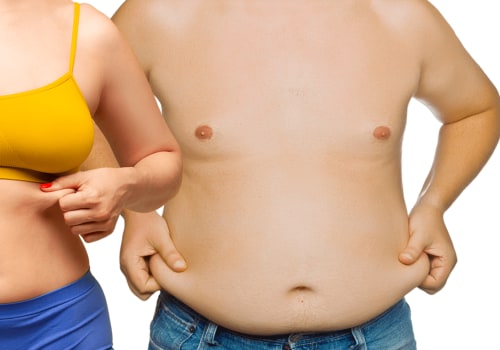
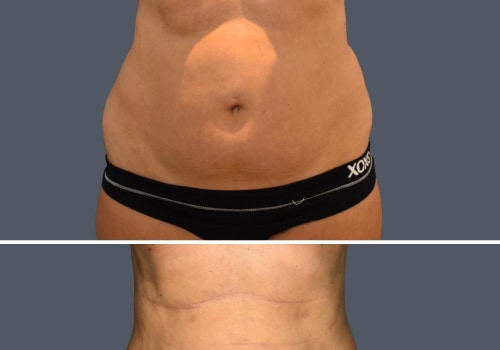
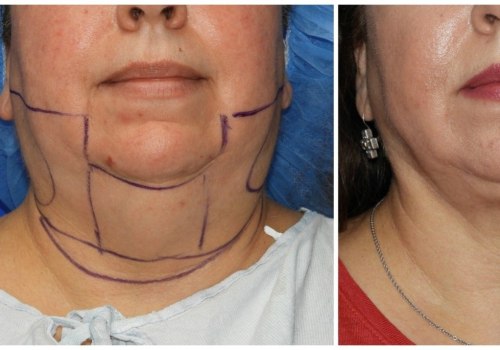
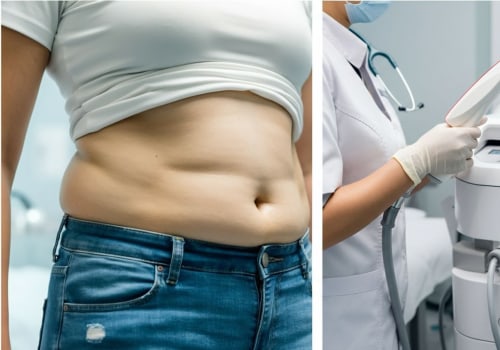
Liposuction is a popular cosmetic procedure designed to reshape and contour the body by removing stubborn fat deposits that are resistant to diet and exercise. Unlike traditional weight loss methods, which focus on reducing overall body weight, liposuction specifically targets localized areas of fat, allowing for a more sculpted appearance. This distinction is crucial for individuals considering the procedure, as it is not intended as a solution for obesity or significant weight loss.The liposuction procedure involves the use of a thin tube called a cannula, which is inserted through small incisions in the skin. The surgeon then uses this cannula to suction out excess fat from specific areas, such as the abdomen, thighs, buttocks, arms, and neck.
The technique can vary depending on the desired results and the surgeon's expertise, with options including tumescent liposuction, ultrasound-assisted liposuction, and laser-assisted liposuction. Each method has its own benefits and considerations, making it essential for patients to discuss their goals and preferences with their surgeon.It is important to note that while liposuction can significantly enhance body contours and boost self-confidence, it is not a substitute for a healthy lifestyle. Patients should ideally be close to their target weight and maintain a balanced diet and regular exercise routine before undergoing the procedure. This approach not only maximizes the effectiveness of liposuction but also contributes to better overall health outcomes.As we delve deeper into the topic of liposuction in this article, we will explore various aspects such as the maximum weight that can be safely removed during the procedure, candidacy criteria, and post-operative care. The technique can vary depending on the desired results and the surgeon's expertise, with options including tumescent liposuction, ultrasound-assisted liposuction, and laser-assisted liposuction. Each method has its own benefits and considerations, making it essential for patients to discuss their goals and preferences with their surgeon.It is important to note that while liposuction can significantly enhance body contours and boost self-confidence, it is not a substitute for a healthy lifestyle. Patients should ideally be close to their target weight and maintain a balanced diet and regular exercise routine before undergoing the procedure. This approach not only maximizes the effectiveness of liposuction but also contributes to better overall health outcomes.As we delve deeper into the topic of liposuction in this article, we will explore various aspects such as the maximum weight that can be safely removed during the procedure, candidacy criteria, and post-operative care.
Understanding these factors will help potential patients make informed decisions about whether liposuction is the right choice for them.
What is Liposuction?
Liposuction
is a popular cosmetic surgical procedure designed to remove excess fat from specific areas of the body, enhancing overall body contour and shape. It is essential to understand that liposuction is not a weight-loss solution; rather, it is an aesthetic treatment aimed at targeting stubborn fat deposits that are resistant to diet and exercise.The procedure involves the use of a thin, hollow tube called a cannula , which is inserted through small incisions in the skin. The cannula is connected to a vacuum device that suction out the unwanted fat. This technique allows for precise removal of fat while minimising damage to surrounding tissues, resulting in smoother contours.There are several types of liposuction , each with its unique approach and benefits:
- Tumescent Liposuction: This is the most common technique, where a solution containing saline, lidocaine, and epinephrine is injected into the targeted area.
This solution helps to numb the area and constrict blood vessels, reducing bleeding and swelling during the procedure.
- Ultrasound-Assisted Liposuction (UAL): This method uses ultrasound energy to liquefy fat cells before they are suctioned out. UAL can be particularly effective for fibrous areas of the body, such as the back or male breast tissue.
- Laser-Assisted Liposuction (LAL): Similar to UAL, this technique employs laser energy to melt fat cells. The liquefied fat can then be easily removed through suction. LAL also promotes skin tightening due to the heat generated by the laser.
- Suction-Assisted Liposuction (SAL): This traditional method relies solely on suction to remove fat without any additional techniques.
It is effective for larger areas but may result in more bruising and swelling compared to other methods.
The Maximum Weight Considerations for Liposuction
When considering liposuction, one of the most critical factors to evaluate is the maximum amount of fat that can be safely removed during the procedure. While many patients may have a specific number in mind, it is essential to understand that this figure is not merely a fixed limit but rather a guideline influenced by various factors, including individual health, body composition, and the specific areas being treated.Generally, the safe amount of fat that can be removed during a single liposuction session ranges from six to eight pounds , or approximately three to four litres.Exceeding this amount can significantly increase the risk of complications, such as fluid imbalance, blood loss, and adverse reactions to anaesthesia. Therefore, adhering to these guidelines is crucial for ensuring patient safety and achieving optimal results.It is technically feasible to remove up to 5,000 ml (5 L) of fat in certain cases; however, this should only be considered under strict medical supervision and when the patient’s overall health allows for such an extensive procedure. The decision to remove larger volumes of fat must be made on a case-by-case basis, taking into account the patient's body mass index (BMI), overall health status, and specific aesthetic goals.
BMI
plays a significant role in determining candidacy for liposuction. Ideally, patients should have a BMI close to
30 or lower
.
This measurement helps assess whether a patient is at a healthy weight before undergoing surgery. However, BMI alone does not provide a complete picture; factors such as muscle mass, fat distribution, and lifestyle habits must also be considered.Moreover, patients are encouraged to maintain a healthy lifestyle leading up to their procedure. Engaging in regular physical activity and following a balanced diet can enhance the results of liposuction and aid in recovery. Additionally, smoking cessation is highly recommended as nicotine can impede healing and negatively affect surgical outcomes.In summary, while there is no strict maximum weight limit for liposuction, it is vital for patients to approach the procedure with realistic expectations.
Consulting with a qualified surgeon who can assess individual circumstances will help ensure that the amount of fat removed aligns with safety standards and aesthetic goals.
Factors Influencing Liposuction Candidacy
When considering liposuction, it is crucial to evaluate several factors that determine a patient's suitability for the procedure. Understanding these factors can help ensure that individuals achieve the best possible outcomes while minimising risks associated with surgery.Body Mass Index (BMI)
One of the primary indicators of candidacy for liposuction is the patient's Body Mass Index (BMI). BMI is a numerical value derived from an individual's height and weight, providing a general indication of body fat. For optimal results, candidates are typically advised to have a BMI of less than 30, although some surgeons may consider patients with a BMI up to 35. It is essential to note that while BMI serves as a useful guideline, it does not account for muscle mass or fat distribution, which can also influence surgical outcomes.Overall Health
A comprehensive assessment of overall health is vital before undergoing liposuction.Patients should be in good physical condition, free from chronic illnesses or conditions that could complicate surgery or recovery. Common health considerations include:
- Cardiovascular Health: Individuals with heart conditions or high blood pressure may face increased risks during and after the procedure.
- Diabetes: Patients with diabetes must have their condition well-managed to avoid complications related to healing and infection.
- Respiratory Issues: Conditions such as asthma or chronic obstructive pulmonary disease (COPD) can affect anaesthesia and recovery.
Lifestyle Choices
Lifestyle factors play a significant role in determining candidacy for liposuction. Surgeons often recommend that patients lead a healthy lifestyle prior to surgery, which includes:- Regular Exercise: Engaging in physical activity helps improve muscle tone and overall fitness, enhancing the results of liposuction.
- Balanced Diet: A nutritious diet supports optimal health and can aid in achieving a weight closer to the ideal before surgery.
- Avoiding Smoking: Smoking can hinder healing and increase the risk of complications. Patients are strongly advised to quit smoking at least several weeks before the procedure.
By addressing these factors, patients can enhance their chances of achieving successful results while minimising potential risks associated with the procedure.
Understanding Body Mass Index (BMI) in Relation to Liposuction
Body Mass Index, commonly referred to as BMI, is a crucial metric used to assess an individual's body weight in relation to their height. It serves as a useful screening tool to determine whether a person is underweight, normal weight, overweight, or obese. Understanding your BMI is particularly important when considering cosmetic procedures such as liposuction, as it can significantly influence eligibility and expected outcomes.How is BMI Calculated?
- The formula for calculating BMI is straightforward: divide your weight in kilograms by your height in meters squared (kg/m²).
- For example, if you weigh 70 kg and are 1.75 meters tall, your BMI would be calculated as follows: 70 / (1.75 x 1.75) = 22.86.
- Alternatively, many online BMI calculators are available that can simplify this process by allowing you to input your weight and height directly.
Significance of BMI in Liposuction
When it comes to liposuction, having a healthy BMI is essential for several reasons:
- Eligibility: Most surgeons recommend that candidates for liposuction have a BMI of less than 30. This threshold helps ensure that the procedure is performed on individuals who are closer to their ideal weight and can achieve better results.
- Health Risks: A higher BMI can increase the risk of complications during and after surgery.
Patients with elevated BMIs may face challenges such as longer recovery times and a higher likelihood of adverse effects.
- Aesthetic Outcomes: Achieving optimal body contouring results is more feasible when patients are within a healthy weight range. Those with a BMI closer to their ideal weight often experience more satisfying aesthetic outcomes.
Ideal BMI Ranges for Liposuction
The ideal BMI range for liposuction candidates typically falls between 18.5 and 24.9, which is classified as normal weight. However, individuals with a BMI up to 30 may still be considered for the procedure, depending on their overall health and specific circumstances.It’s important to note that while BMI is a valuable indicator, it does not account for factors such as muscle mass or fat distribution. Therefore, discussing your individual situation with a qualified surgeon is essential to determine the best approach for your liposuction journey.
Health and Lifestyle Factors Affecting Liposuction Results
When considering liposuction, it is crucial to understand that the procedure is not merely about fat removal; it is also significantly influenced by a patient’s overall health and lifestyle choices.Factors such as diet, exercise, and smoking habits can play a pivotal role in both candidacy for the procedure and the ultimate results.
Lifestyle Changes Before Liposuction
Before undergoing liposuction, patients are often advised to make certain lifestyle changes that can enhance their outcomes. These changes include:- Adopting a Balanced Diet: A nutritious diet rich in fruits, vegetables, lean proteins, and whole grains can help patients reach their ideal weight before surgery. Reducing processed foods and sugars can also aid in minimising fat deposits.
- Regular Exercise: Engaging in regular physical activity not only helps in weight management but also improves muscle tone and overall body composition. Strength training, in particular, can enhance the results of liposuction by creating a more toned appearance.
- Hydration: Staying well-hydrated is essential for optimal bodily functions and can aid in recovery post-surgery.
Smoking and Liposuction
Another critical factor to consider is smoking.The nicotine present in cigarettes can adversely affect blood circulation and healing processes. Patients who smoke are at a higher risk of complications during and after surgery. Therefore, it is highly recommended that individuals quit smoking at least several weeks prior to the procedure. This cessation not only improves surgical outcomes but also promotes better recovery.
Diet and Exercise for Liposuction Candidates
For those considering liposuction, maintaining a healthy lifestyle is paramount.Candidates should aim for:
- A Stable Weight: Being close to one’s ideal weight enhances the effectiveness of liposuction. It allows for more precise contouring and reduces the risk of complications.
- A Consistent Exercise Regimen: Regular workouts should be part of a candidate's routine leading up to the surgery. This not only helps in achieving a desirable physique but also prepares the body for the physical stress of surgery.
Common Misconceptions About Liposuction
Liposuction is often surrounded by a cloud of misconceptions that can lead to unrealistic expectations among potential patients.Understanding what liposuction can and cannot achieve is crucial for anyone considering this procedure.
Myth 1: Liposuction is a Weight Loss Solution
One of the most prevalent myths is that liposuction is a method for significant weight loss. In reality, liposuction is designed for body contouring rather than weight reduction. It effectively targets stubborn fat deposits that resist diet and exercise, but it is not intended for individuals who are significantly overweight. The procedure typically removes between six to eight pounds of fat, which is relatively modest compared to the amount of weight some individuals may wish to lose.
Myth 2: Liposuction Can Eliminate Cellulite
Another common misconception is that liposuction can remove cellulite.
Cellulite is caused by structural changes in the skin and underlying fat, and while liposuction can reduce the volume of fat, it does not address the skin texture issues associated with cellulite. Patients seeking smoother skin may need to consider additional treatments specifically designed for this purpose.
Myth 3: Anyone Can Get Liposuction
Many believe that liposuction is suitable for everyone, but this is far from the truth. Ideal candidates are those who are close to their target weight and have good skin elasticity. Factors such as age, overall health, and lifestyle choices play a significant role in determining candidacy.
For instance, smokers or individuals with certain medical conditions may face higher risks during and after the procedure.
Myth 4: Liposuction Provides Instant Results
While many patients experience immediate changes post-surgery, it’s essential to understand that the final results can take several months to fully materialise as swelling subsides and the body heals. Patience is key in achieving the desired outcome.
Myth 5: Liposuction Is a Permanent Solution
Lastly, some people think that once fat is removed through liposuction, it will never return. However, if a patient does not maintain a healthy lifestyle post-procedure, remaining fat cells can expand or new fat cells can develop in other areas of the body. Therefore, maintaining a balanced diet and regular exercise is crucial for long-term results.In conclusion, addressing these misconceptions about liposuction helps set realistic expectations for potential patients.
It’s vital to consult with a qualified surgeon who can provide personalised advice based on individual goals and health status.
Preparing for Liposuction: What You Need to Know
Preparing for liposuction is a crucial step that can significantly influence the outcome of your surgery. Understanding the pre-operative instructionspre-operative instructions and what to expect can help alleviate anxiety and ensure a smoother process.Consultation and Assessment
Your journey begins with a thorough consultation with your surgeon. During this appointment, you will discuss your goals, medical history, and any concerns you may have. It’s essential to be open and honest about your health, as this information will guide your surgeon in creating a tailored plan for your procedure.
Pre-Operative Instructions
- Maintain a Healthy Lifestyle: In the weeks leading up to your surgery, focus on eating a balanced diet rich in fruits, vegetables, lean proteins, and whole grains.
Staying hydrated is equally important.
- Avoid Smoking: If you smoke, it is highly advisable to quit at least four weeks before your surgery. Smoking can impair healing and increase the risk of complications.
- Limit Alcohol Consumption: Reducing or eliminating alcohol intake in the days leading up to your procedure can help improve your overall health and recovery.
- Medications: Discuss all medications and supplements you are taking with your surgeon. Some may need to be paused or adjusted prior to surgery, particularly blood thinners.
- Arrange Transportation: Since liposuction is typically performed under sedation or general anaesthesia, you will need someone to drive you home after the procedure.
What to Expect Before Surgery
The day before your surgery, you may be instructed to avoid eating or drinking after midnight. This is crucial for ensuring that your stomach is empty during the procedure.
On the day of surgery, wear comfortable clothing and arrive at the clinic with plenty of time to complete any necessary paperwork.Finally, remember that mental preparation is just as important as physical preparation. Take time to relax and visualise a successful outcome. By following these guidelines and maintaining open communication with your surgical team, you can set yourself up for a successful liposuction experience.
Post-Operative Care After Liposuction
Recovering from liposuction is a crucial phase that significantly impacts the overall results of the procedure. Understanding what to expect during this time and how to care for yourself can enhance healing and ensure a smoother recovery.Immediately after the surgery, patients may experience swelling, bruising, and discomfort in the treated areas.These symptoms are normal and typically subside within a few weeks. However, managing pain effectively is essential for a comfortable recovery. Your surgeon will likely prescribe pain medication to help alleviate discomfort. It is important to follow their instructions regarding dosage and frequency.
Post-Operative Care Guidelines
- Rest and Recovery: Allow your body ample time to heal.
It is advisable to take at least a week off work, depending on the extent of your procedure and your overall health.
- Compression Garments: Wearing a compression garment as directed by your surgeon is vital. This helps reduce swelling and supports the new contours of your body.
- Hydration: Staying well-hydrated aids in recovery. Drink plenty of water and avoid alcohol for at least a few weeks post-surgery.
- Diet: A balanced diet rich in vitamins and minerals can promote healing. Focus on consuming lean proteins, fruits, vegetables, and whole grains.
- Activity Level: While light walking is encouraged to improve circulation, avoid strenuous activities or heavy lifting for several weeks.
Listen to your body and gradually increase activity as you feel comfortable.
Conclusion: Key Takeaways on Liposuction Weight Limits and Candidacy
In conclusion, understanding the maximum weight limits for liposuction and the factors that influence candidacy is crucial for anyone considering this procedure. While liposuction can effectively target stubborn fat deposits, it is essential to remember that it is not a weight-loss solution.Instead, it serves as a means to enhance body contours for individuals who are already close to their ideal weight.Here are the key takeaways regarding liposuction:
- Maximum Fat Removal: The safe amount of fat that can be removed during a liposuction procedure typically ranges from six to eight pounds (approximately three to four litres). Exceeding this limit can significantly increase the risk of complications.
- Body Mass Index (BMI): Candidates for liposuction should ideally have a BMI of less than 30, with optimal results often seen in those closer to their ideal weight. BMI is a useful tool, but it should be considered alongside other health factors.
- Overall Health: A patient’s general health and lifestyle play a vital role in determining candidacy. Maintaining an active lifestyle and a balanced diet can enhance the results of the procedure.
- Avoiding Smoking: Smoking can adversely affect healing and overall results.
It is highly recommended that patients quit smoking prior to undergoing liposuction.
- Personalised Approach: Each patient is unique, and a tailored treatment plan developed in consultation with a qualified surgeon is essential for achieving desired outcomes.